Life
What makes a living thing alive, and how it spread across a planet.
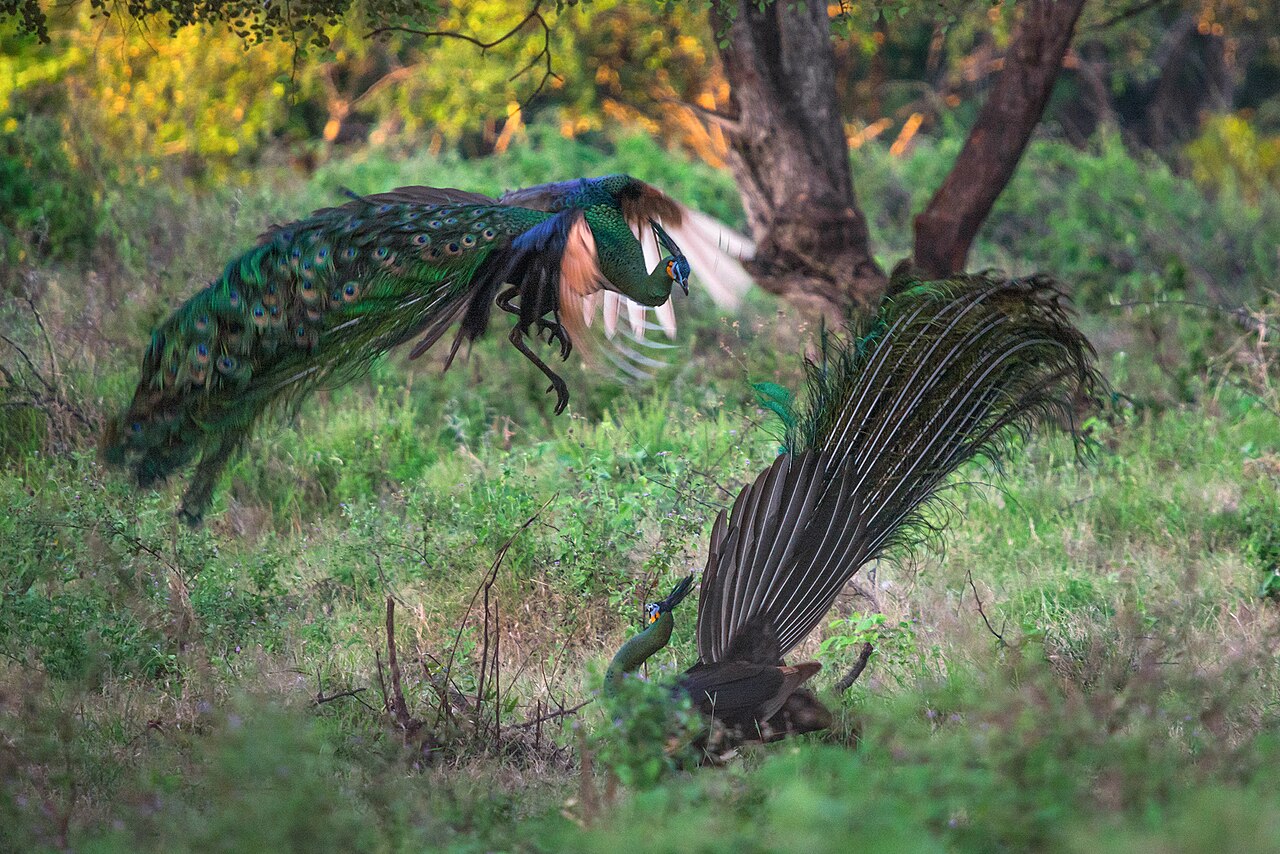
Life is what separates a peacock from a pebble, yet scientists still find it hard to define. A living thing takes in energy, grows, reacts to its surroundings and makes new living things like itself. Over billions of years, life has spread through air, water and soil, and into rocks deep underground. It began at least 3.5 billion years ago, and every living thing today comes from one shared ancestor. Life even changed the planet by filling the air with oxygen. So far, Earth is the only place where we know that life exists, and the search for life elsewhere has barely begun.
What makes something alive?
There is no single agreed definition of life. One collection lists at least 123 different ones. That is partly because life is a process, not a substance. You cannot hold it in your hand. Most biologists describe life by a list of traits, and living things show all or most of them.
First, a living thing keeps its inside steady, which is called . You sweat to cool down, for example. Second, it is organised, built from one or more . Third, it has . This means it turns energy and chemicals into the parts it needs, and breaks down other chemicals to release energy. Fourth, it grows. Fifth, it adapts, which means that over many generations its species becomes better suited to where it lives. Sixth, it responds to stimuli. A single-celled organism moves away from harmful chemicals, and a plant turns its leaves towards the Sun. Seventh, it reproduces, either from one parent or from two.
Every living thing eventually dies, and none is immortal.
Viruses are the hardest case. They have genes and they evolve, but they cannot make copies of themselves without a host cell, and they do not carry out metabolism. Most scientists treat them as replicators at the edge of life rather than as living things. A NASA committee once used this definition: a self-sustaining chemical system that can evolve by natural selection. Critics point out that by this rule, a single animal that cannot reproduce alone would not count as alive.
What did people once believe about life?
People have asked what life is for thousands of years. Around 430 BC the Greek thinker Empedocles said that everything is built from four eternal roots: earth, water, air and fire. Democritus thought that living things had a soul made of fiery atoms. Aristotle taught that every living thing has a form, which he called its soul. Plants had a soul that let them grow and feed. Animals had one that let them move and feel. Humans, he thought, also had a reasoning soul.
Aristotle also believed in . This was the idea that fleas could rise from dust and mice from mud. People accepted it for about two thousand years. Francesco Redi tested it with experiments. Louis Pasteur ended it in 1859, when he showed that sterilised broth stayed clear unless living germs got in.
Another idea was vitalism. It said that living matter held a special life force and could only come from other living things. It began to collapse in 1828, when Friedrich Wöhler made urea from non-living ingredients. Urea is a chemical found in urine. Later work showed that muscles do not need a mysterious force. It also showed that yeast extract can ferment sugar without any living .
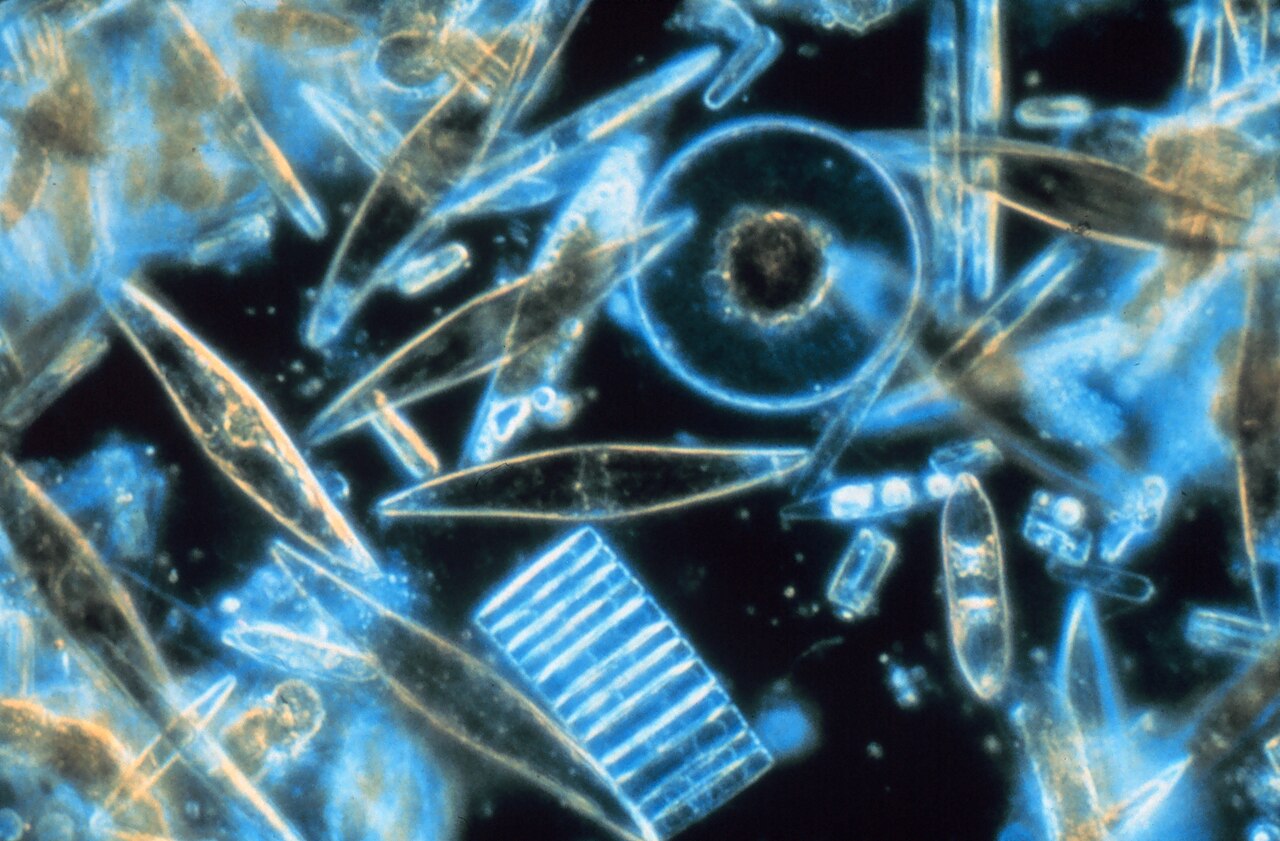
Microscopes helped too. They revealed cells and tiny organisms such as diatoms. Step by step, they showed that life follows the rules of physics and chemistry.
When and how did life begin?
The Earth is about 4.54 billion years old. Life began at least 3.5 billion years ago. The oldest physical traces are chemical signs of life in rocks 3.7 billion years old, from Western Greenland. mats of microbes from Western Australia are about 3.48 billion years old. Some scientists claim even older traces. In 2015, remains of life were reported in rocks 4.1 billion years old. In 2017, tiny tubes in rocks from Quebec were said to be 4.28 billion years old. These claims are debated. Molecular clocks, which use gene changes to measure time, also point to a start around 4 billion years ago.
Nobody knows exactly how it happened. Scientists propose that simple chemicals formed bigger molecules. These then became protocells, tiny bubbles that could copy themselves. Any idea must explain how this led to a universal common ancestor, the single group of organisms that all later life came from. In 2016, researchers named 355 genes that it probably had.
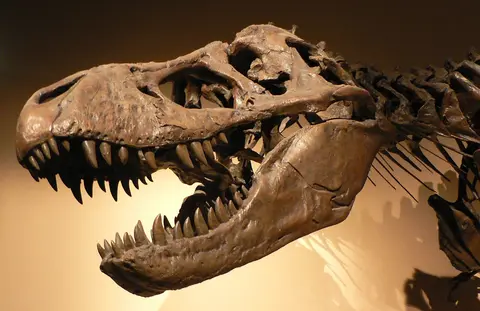
Fossils tell what happened next. A fossil is the preserved remains or traces of a living thing. By convention it must be older than 10,000 years. All the fossils in the layers of rock together make the fossil record. It shows that over 99 per cent of all species that ever lived have died out. Mass extinctions wiped out many groups at once, but they also opened space for new ones to spread.
How did tiny microbes change the whole planet?
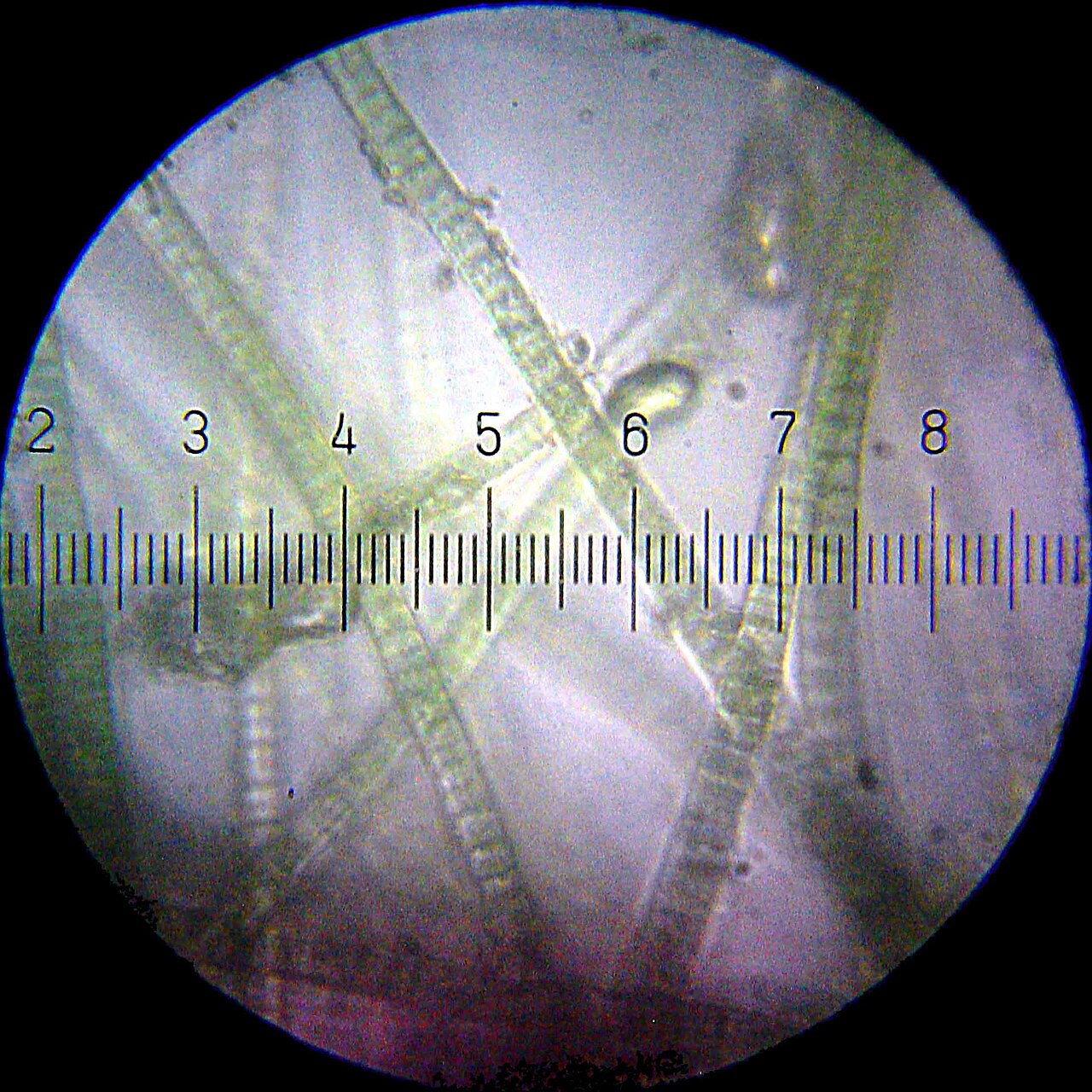
For most of Earth's history, microbes ruled. Living things have always shaped their surroundings, and microbes did so across the whole world. Cyanobacteria, once called blue-green algae, learned to use sunlight to make food. This is photosynthesis, and it releases oxygen as a waste gas. Over a very long time, that oxygen built up and changed the air and the oceans. The big rise, called the Great Oxidation Event, happened about 2.4 billion years ago.
At the time, oxygen was toxic to most living things. That was a crisis, and also a chance. Organisms had to cope with it, and some began to use it to release energy from food. This opened the way for the large animals and plants of today.
Change kept coming. is change in the features that a group of living things passes on over generations. It happens through natural selection, in which helpful features become more common. Chance plays a part too. About 800 million years ago, one small change in an enzyme, GK-PID, may have helped single to start working as groups. Those groups became the first true many-celled bodies.
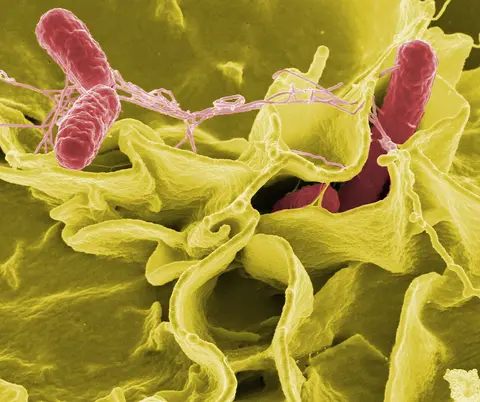
Studying the genomes of many living things has revealed that most living things are bacteria. It has also revealed that all life shares one origin. Even today, microbes remain the base of most food webs and recycle chemicals through the .
What is life made of?
All known life is built from the same small set of elements. Six of them matter most: carbon, hydrogen, nitrogen, oxygen, phosphorus and sulfur. Carbon is the star. Each carbon atom can form several strong bonds, so it can build chains and rings of almost any shape. That is why the chemistry of life is called organic chemistry.
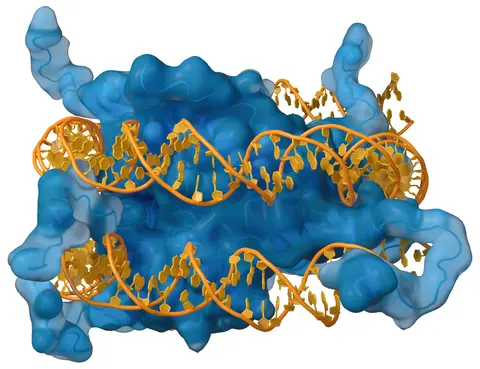
These elements make two key types of large molecule. Nucleic acids, DNA and RNA, carry the instructions. Proteins are the machinery that follows the instructions. Each protein is built from a chain of amino acids, and it might digest food, carry oxygen or build a fibre. The two types work as a team. DNA holds the recipe, and proteins do the cooking.
The basic unit of life is the . Cell theory grew from the work of several scientists. Matthias Schleiden and Theodor Schwann put it forward in 1838 and 1839, and Rudolf Virchow added in 1855 that every cell comes from another cell. It says that all living things are made of cells and that every cell comes from another cell by division.
There are two main kinds. Prokaryotic cells have no nucleus. Bacteria and archaea are made of them. Eukaryotic cells have a nucleus and parts called organelles, such as mitochondria. Animals, plants and fungi are made of eukaryotic cells. Scientists think that mitochondria and chloroplasts began as bacteria that came to live inside larger cells, an event called endosymbiosis.
How do we sort millions of kinds of living things?
Aristotle made the first known classification. He sorted living things into plants and animals, mostly by whether they move. He also split animals into those with blood and those without. This is a bit like our split between vertebrates and invertebrates. His system lasted for over a thousand years.
In 1753 Carl Linnaeus gave every plant species a two-part Latin name, and in 1758 he did the same for animals. This is called . It replaced long descriptions with short names that everyone could use. Modern classification still builds on his work.
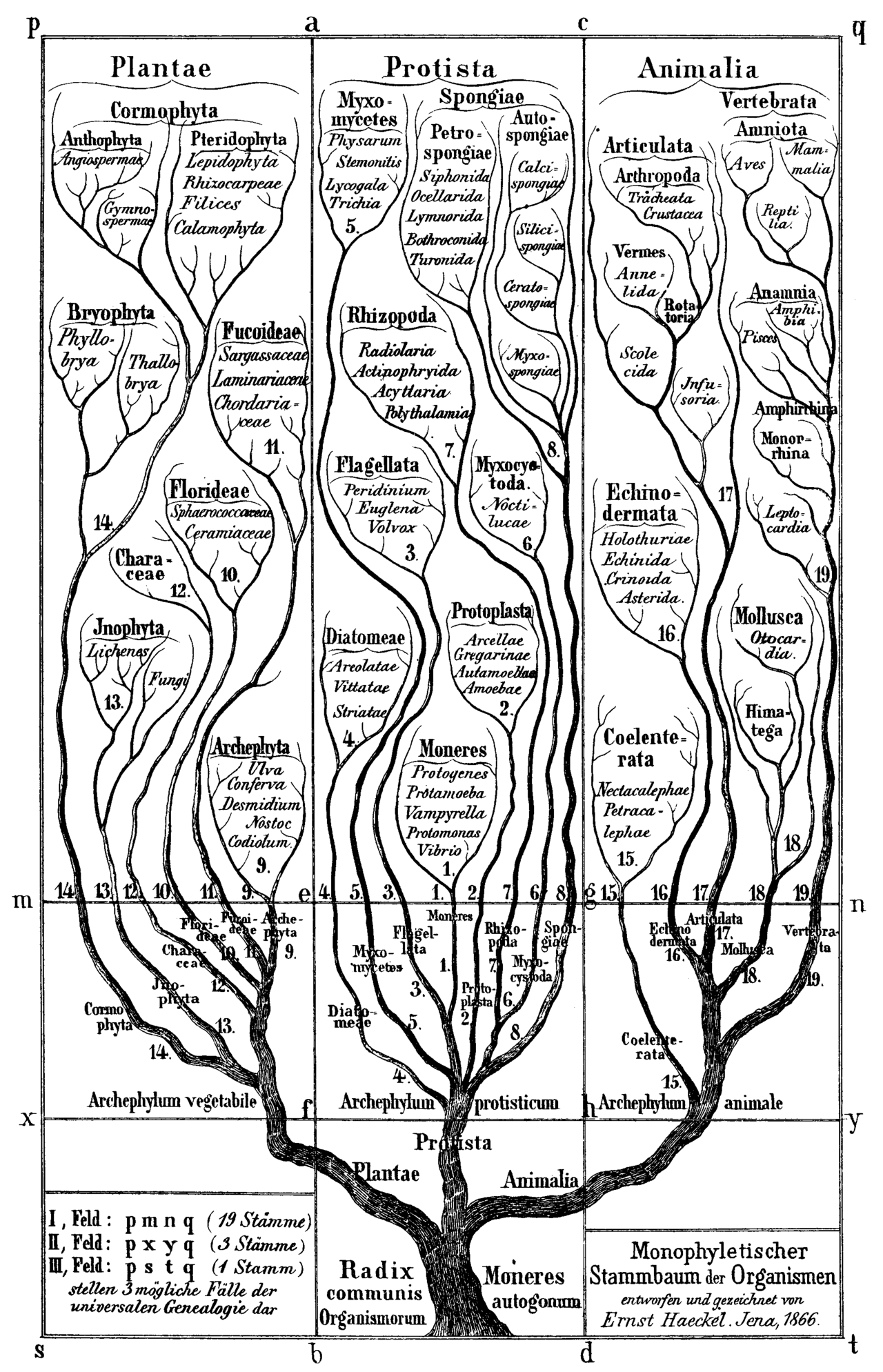
Then microscopes revealed so many tiny organisms that the old groups broke down. Ernst Haeckel put single-celled life in a kingdom called Protista. Later, bacteria and their relatives got a kingdom of their own. Fungi were first treated as plants. Robert Whittaker gave them their own kingdom, and we now know they are closer to animals than to plants.
Today's system follows evolutionary family trees. It sorts life into three domains: bacteria, archaea and . Scientists still argue about how to group the eukaryotes, especially single-celled ones called protists.
Haeckel drew life as a branching tree. Today, scientists build such trees by comparing genes. Viruses are sorted by their genes too, though this is still debated.
Where on Earth can life live?
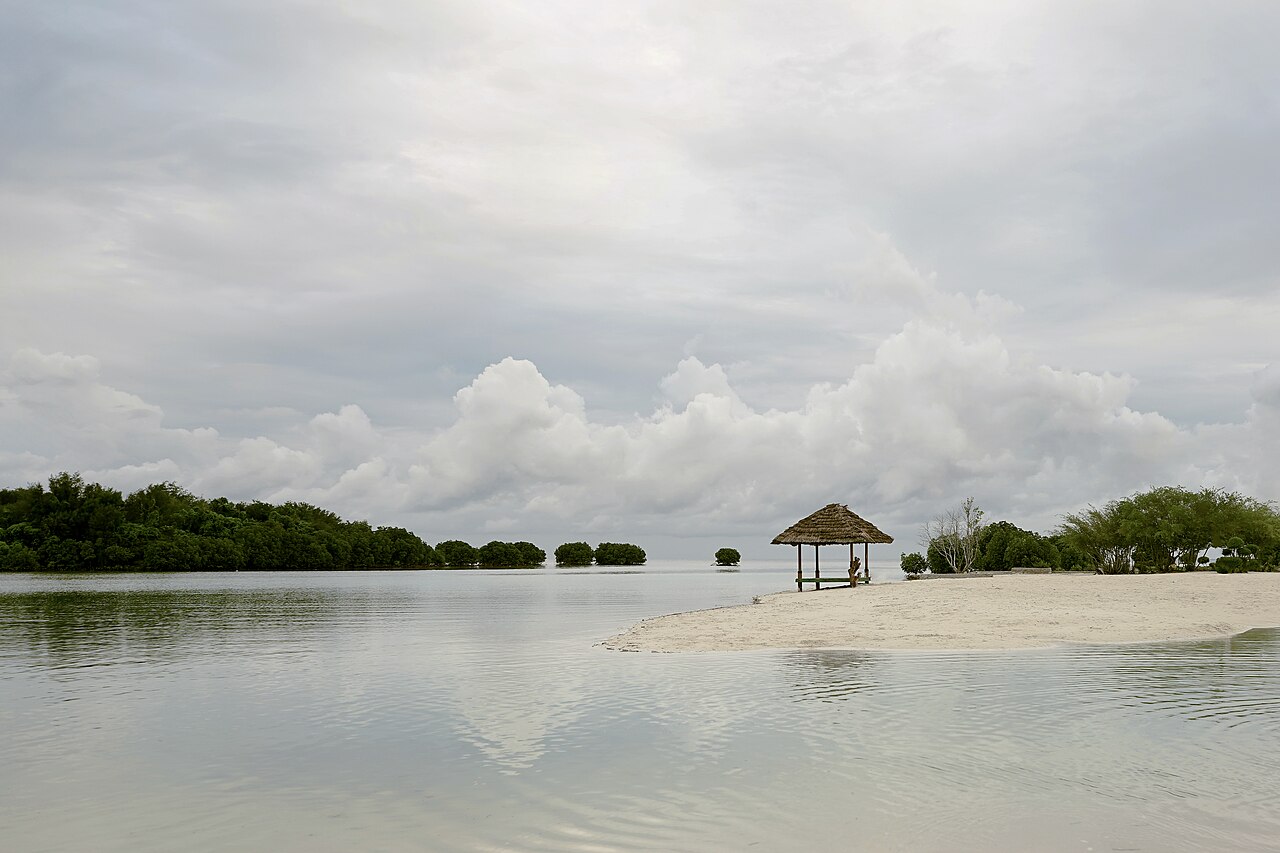
The is the zone of life on Earth. It is all the world's ecosystems added together. Apart from sunlight and heat from inside the planet, it is a closed system that largely looks after itself.
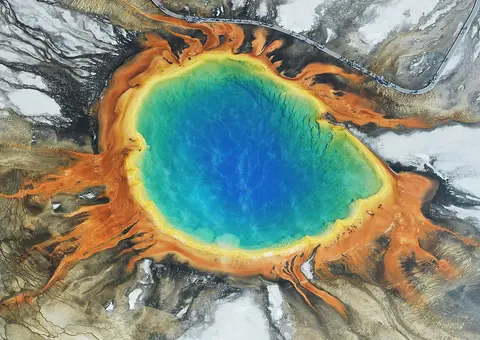
Life turns up in surprising places. It lives in air, water and soil, in hot springs and in the deepest ocean trenches. Microbes live in rock beneath the seabed. Off the coast of Japan, scientists found living in mud at 120 degrees Celsius, about 1.2 kilometres below the seafloor. The highest temperature at which any living thing is known to grow is 122 degrees Celsius. A heat-loving archaeon managed it in a laboratory in 2008, under the high pressure of its deep-sea home. In 2014, life was found 800 metres under Antarctic ice. High above, spores of a fungus called Aspergillus niger have been found in the mesosphere, 48 to 77 kilometres above the ground. In tests, some living things even survived a vacuum like that of space.
All life needs some basics. These are energy, from sunlight or from chemicals, as well as water, warmth, nutrients and shelter from harmful radiation.
One researcher put it this way: you can find microbes everywhere, because they adapt so well. Even a shallow lagoon, with its mix of sun, water and sand, can hold large numbers of living things in a small area.
Which living things are the toughest survivors?
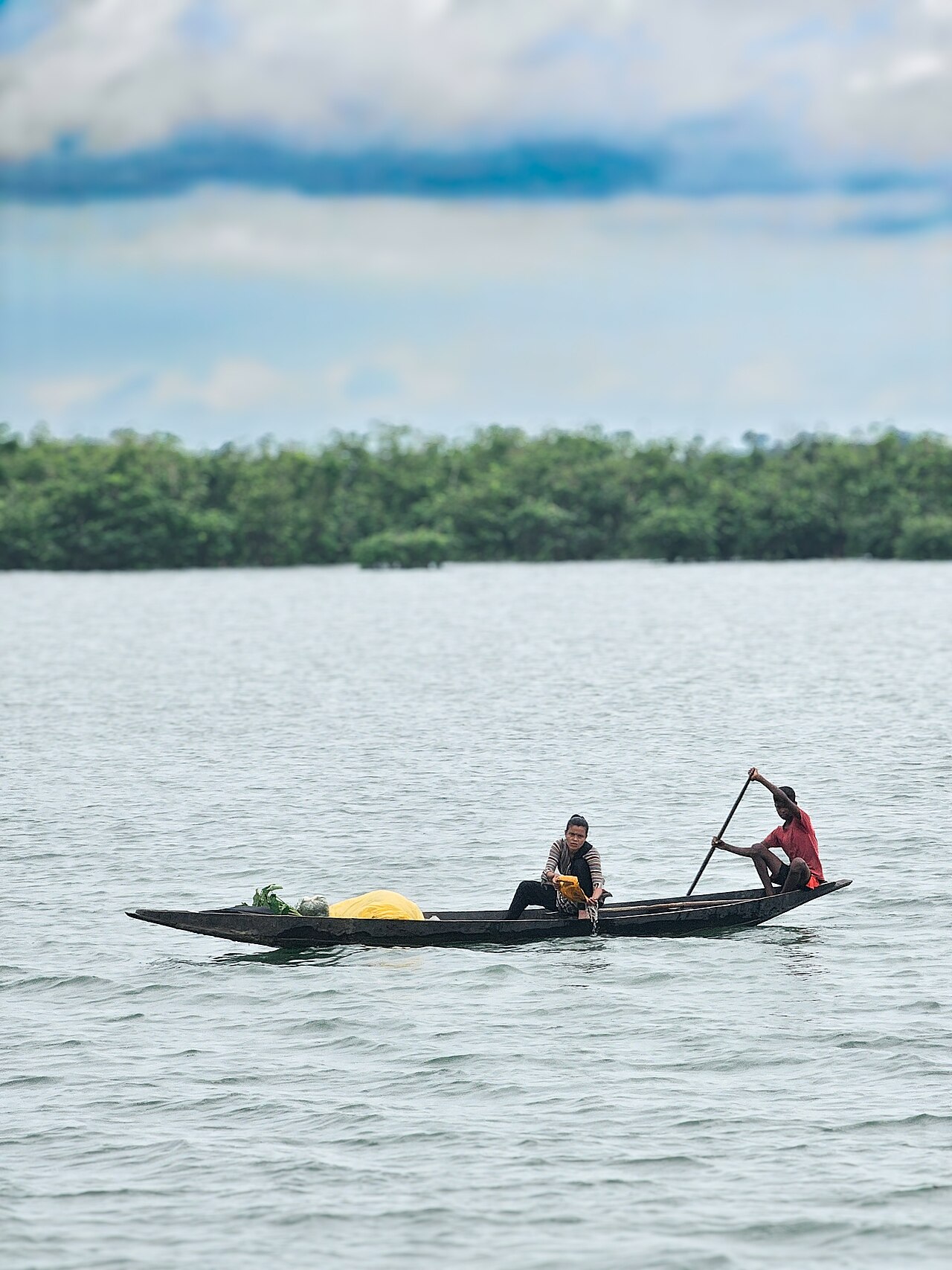
Every species has a range of tolerance. Inside it, conditions such as temperature, water and food suit the species, and it can thrive. Closer to the edge, it can survive but struggles to reproduce. Beyond the edge, it cannot live at all. Species with a wide range spread across more of the planet than those with a narrow one.
Conditions often change from season to season. A wetland such as a haor floods in some months and dries in others. Plants and animals there must cope with open water at one time and mud at another.
live beyond the usual limits. These are microorganisms that can withstand freezing, total drying out, starvation, strong radiation and harsh chemicals. They often use unusual energy sources, such as chemicals from rocks. Some can endure extreme conditions for very long periods.
They matter for two reasons. First, they show how far the limits of life stretch, so they widen the places where scientists might look for life. Second, studying how they survive teaches us about the molecules that protect . Lichens, partnerships between fungi and algae, are one example. They survived for a month in a simulated Martian environment.
Is there life beyond Earth, and can we build it?
Life is confirmed only on Earth. Even so, many scientists think life elsewhere is probable, because the universe holds so many stars and planets. In our Solar System, microbes might live under the ground on Mars or in the upper clouds of Venus. They might also live in oceans hidden below the ice of some moons of the giant planets. Probes search for signs of past or present life. In 2025 NASA reported that a rock sampled by the Perseverance rover in Jezero Crater on Mars has features that it calls a potential biosignature. That means a possible sign of ancient life, not proof, because non-living processes might explain it. Radio telescopes in projects such as SETI listen for signals from other civilisations.
Around other stars, astronomers look in the habitable zone. This is the region where a planet could have liquid water. Its position depends on how bright the star is. Stars bigger than the Sun have a wider zone but live shorter lives. Small red dwarf stars have a narrow zone and often have strong magnetic storms. Medium stars like the Sun may be the best places to look. The Drake equation lists the things that must happen for a civilisation to appear. Its numbers are very uncertain.
Meanwhile, scientists are also trying to make life-like systems. Artificial life means simulating life with computers, robots or chemistry. Synthetic biology goes further. It joins engineering and biology to design new living functions that nature has not made. The goals include making food, energy and medicines.
Explore Next
Your audio story keeps playing while you look around.
Words to Know
- binomial nomenclature
- Giving every species a two-part Latin name.
- biosphere
- All the parts of Earth where life exists, taken together.
- cell
- The basic unit of all living things.
- eukaryote
- An organism whose cells have a nucleus.
- evolution
- Change in the inherited features of a population over generations.
- extremophile
- A microorganism that lives in very harsh conditions.
- fossil
- The preserved remains or traces of a living thing from long ago.
- homeostasis
- A living thing keeping its inside conditions steady.
- metabolism
- All the chemical reactions that a living thing uses to get energy and build itself.
- prokaryote
- A single-celled organism with no nucleus, such as a bacterium.
- spontaneous generation
- The old, disproved idea that living things can arise from non-living matter.