Glacier
Rivers of ice that move, carve mountains and hold most of the world's fresh water.
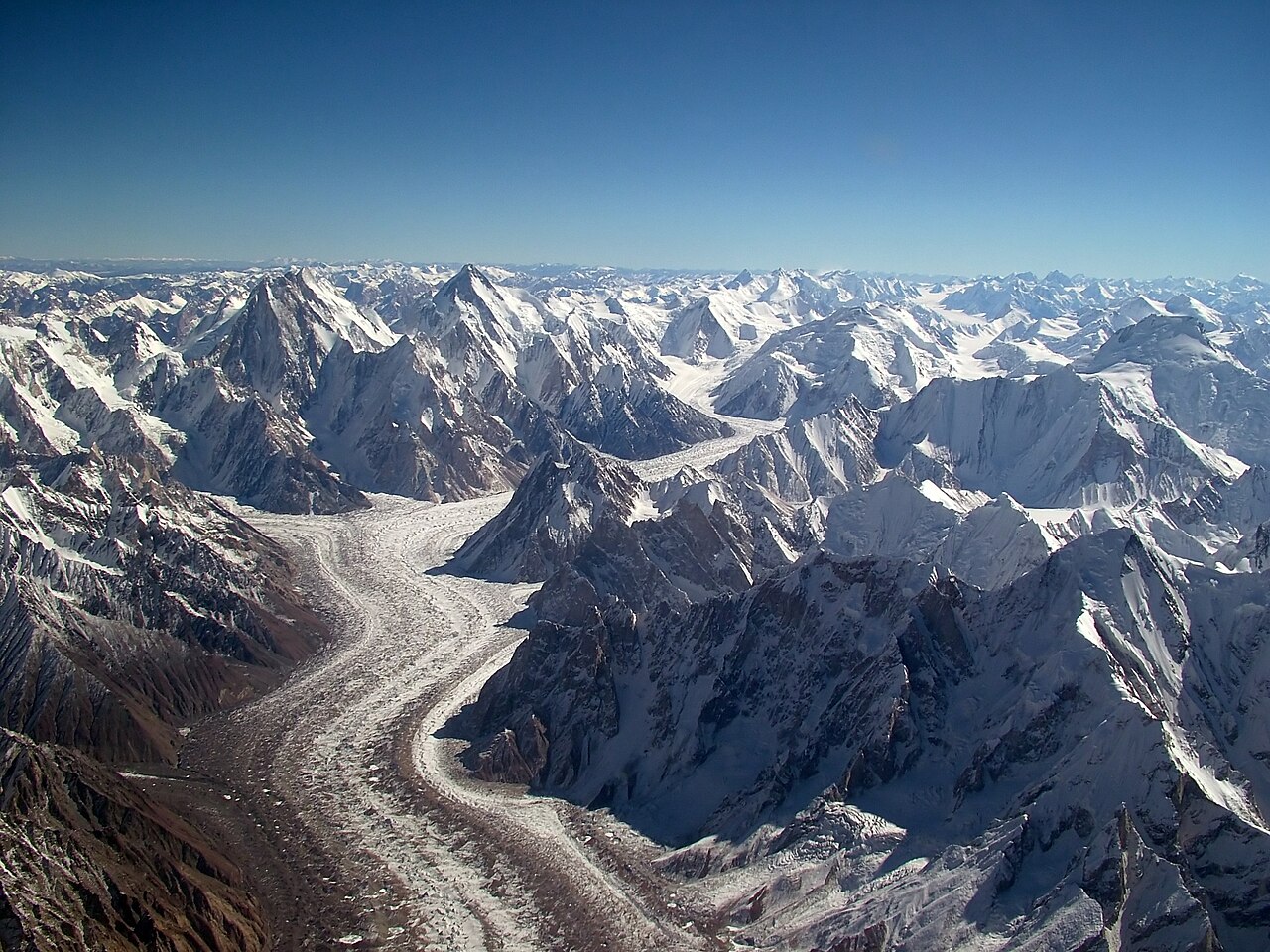
A glacier is a huge body of ice that lasts all year and slowly flows downhill under its own weight. It forms on land where more snow falls than melts away, year after year, sometimes for centuries. Glaciers cover about a tenth of the Earth's land and hold most of the planet's fresh water. As they creep along, they scrape out valleys, grind rock into dust and drop giant boulders far from home. They also store water for rivers and react quickly to changes in climate, so scientists watch them closely.
What exactly is a glacier?
A glacier is a great mass of ice that never melts away completely and that moves slowly downhill. Gravity pulls it along, and the ice is so heavy that it can flow like very thick treacle, only much more slowly. A glacier forms where the amount of snow that falls is greater than the amount that melts or evaporates. This has to happen over many years, often centuries.
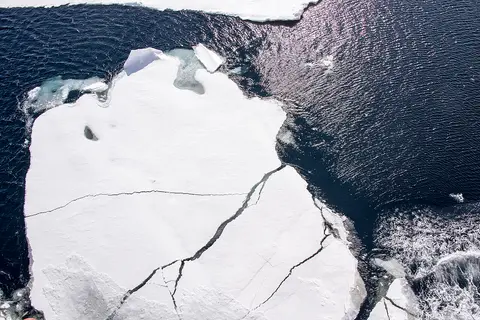
Glaciers are found only on land. Sea ice and lake ice are different. They are thin sheets that freeze on the surface of water. A glacier can flow into the sea, but it began as snow on the land.
About 10 per cent of Earth's land is covered by glacial ice. Nearly all of it, about 99 per cent, is locked up in vast in the polar regions. The ice sheet that covers Antarctica alone buries about 98 per cent of the continent. It is on average around 2 km thick. Smaller glaciers fill valleys in mountain ranges on every continent except mainland Australia.
Glaciers matter because they hold about 69 per cent of the world's fresh water, more than lakes, rivers and underground stores. In many mountain places they act like a reservoir. They keep water frozen through the cold months and release it as melt in summer, exactly when plants, animals and people may need it most.
How does snow turn into a glacier?
A glacier begins as ordinary snow. In cold places where snow lands faster than it melts, it piles up in layers. Often it collects in an armchair-shaped hollow high on a mountain, called a . In Scotland and Wales this kind of hollow is also called a corrie or a cwm.
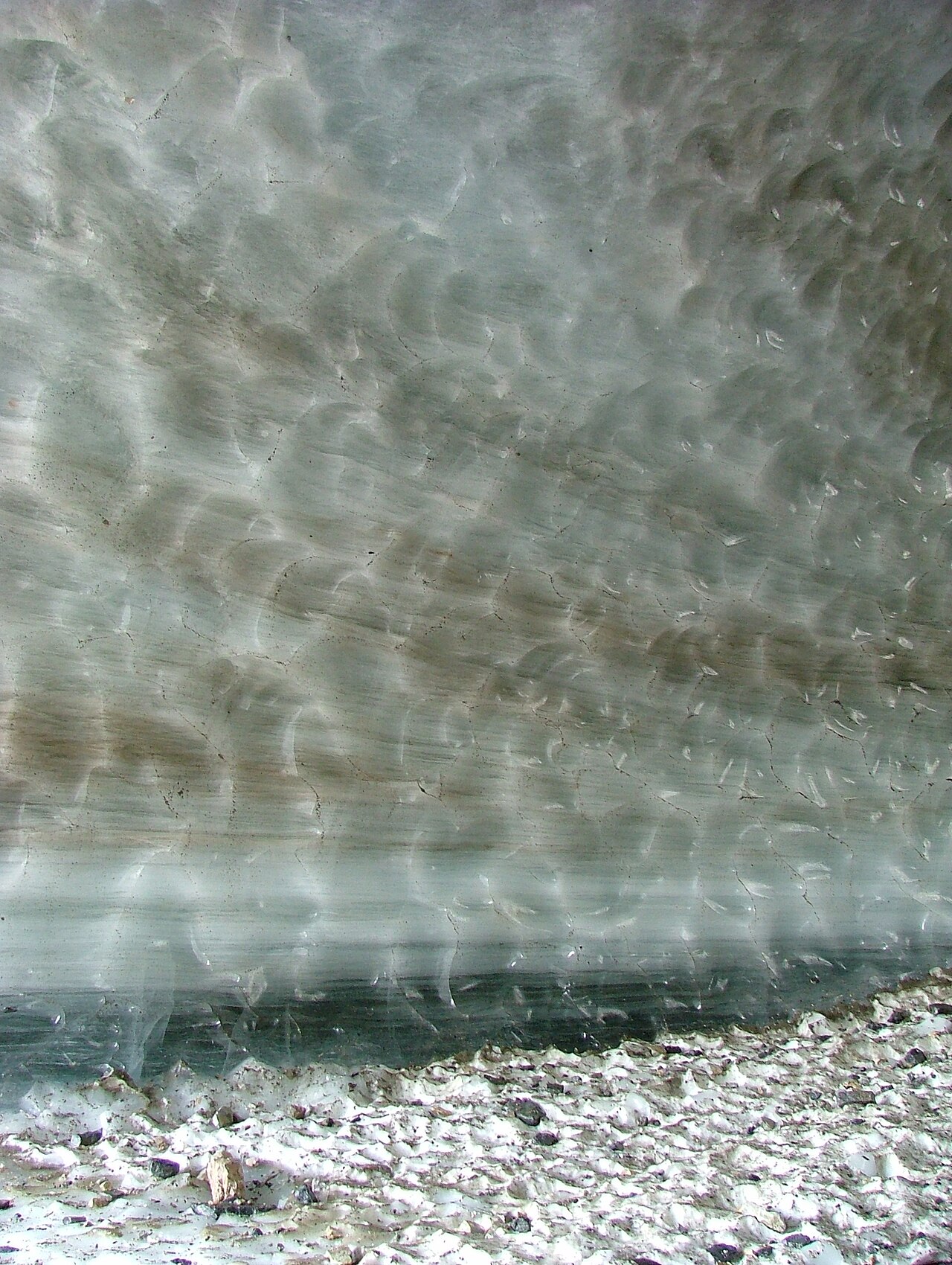
As more snow arrives, the weight squeezes the layers underneath. The delicate snowflakes break down into rounded grains called névé. Over a few years the grains are crushed and fused together into denser , and the air between them is pushed out. Finally the firn becomes solid glacial ice. Glacial ice is slightly denser than ice from frozen water, because it has far fewer trapped air bubbles.
Eventually the hollow fills with ice and it spills over the low edge, the lip. When the ice is thick enough, it begins to move. On a steep slope this can start with as little as 15 m of snow and ice.
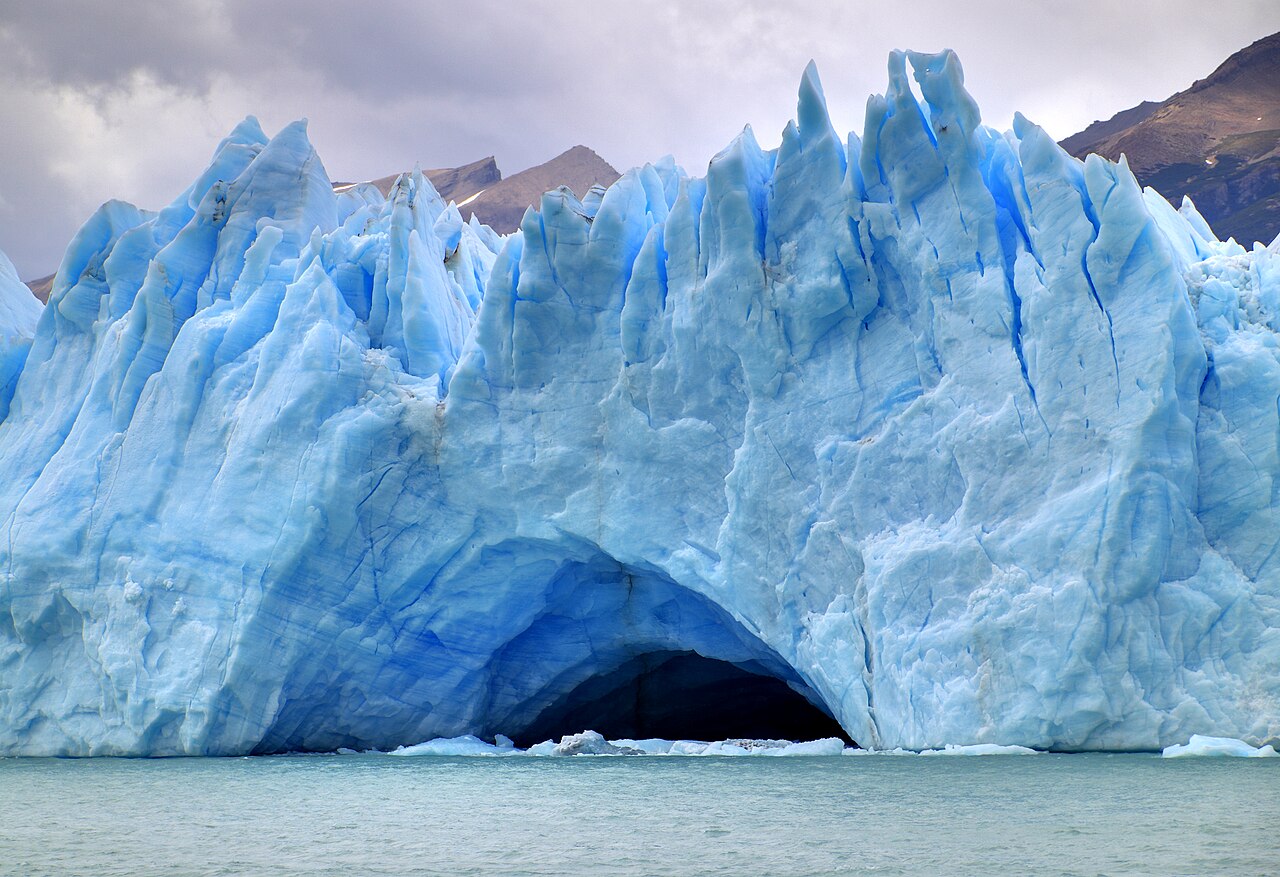
Why is glacier ice blue? Water and ice absorb a little red light, so what comes back is blue. Air bubbles make ice look white, so the clearer and more squeezed the ice, the bluer it appears.
What kinds of glacier are there, and where do they live?
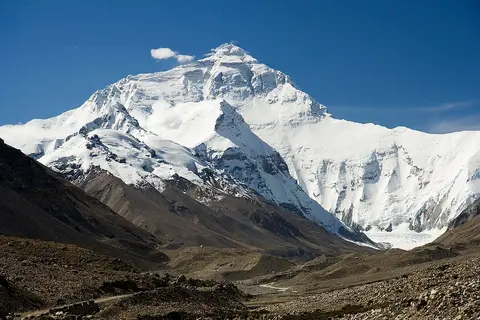
Glaciers come in many shapes. Alpine or valley glaciers form in the high parts of mountains and fill a valley. A bigger body of ice sitting on top of a mountain or volcano is an ice cap. By definition an ice cap covers less than 50,000 square kilometres. Anything larger is an , and only two are left on Earth, in Antarctica and Greenland. They are so thick that only the tops of the highest mountains, called , poke through. If both melted, the sea would rise by about 65 m.
Where ice flows into the sea, it forms tidewater glaciers. Chunks break off the front, in a process called , and float away as icebergs. Parts of ice sheets that float on water are ice shelves.
Glaciers can also be sorted by temperature. A temperate glacier is at melting point all year. A polar glacier stays below freezing all the way through.
You can find glaciers in about fifty countries. Pakistan has more than 7,000, more than any other country outside the polar regions. Even near the equator there are small ones on Mount Kilimanjaro, Mount Kenya and the Rwenzori Mountains. On Puncak Jaya in New Guinea, the last ice has shrunk to scattered patches too small to flow. By 2025 only about 2 per cent of its 1988 area was left. Some very cold places have none at all. Banks Island in the Arctic and the McMurdo Dry Valleys in Antarctica are so dry that too little snow falls for ice to build up.
How can solid ice flow?
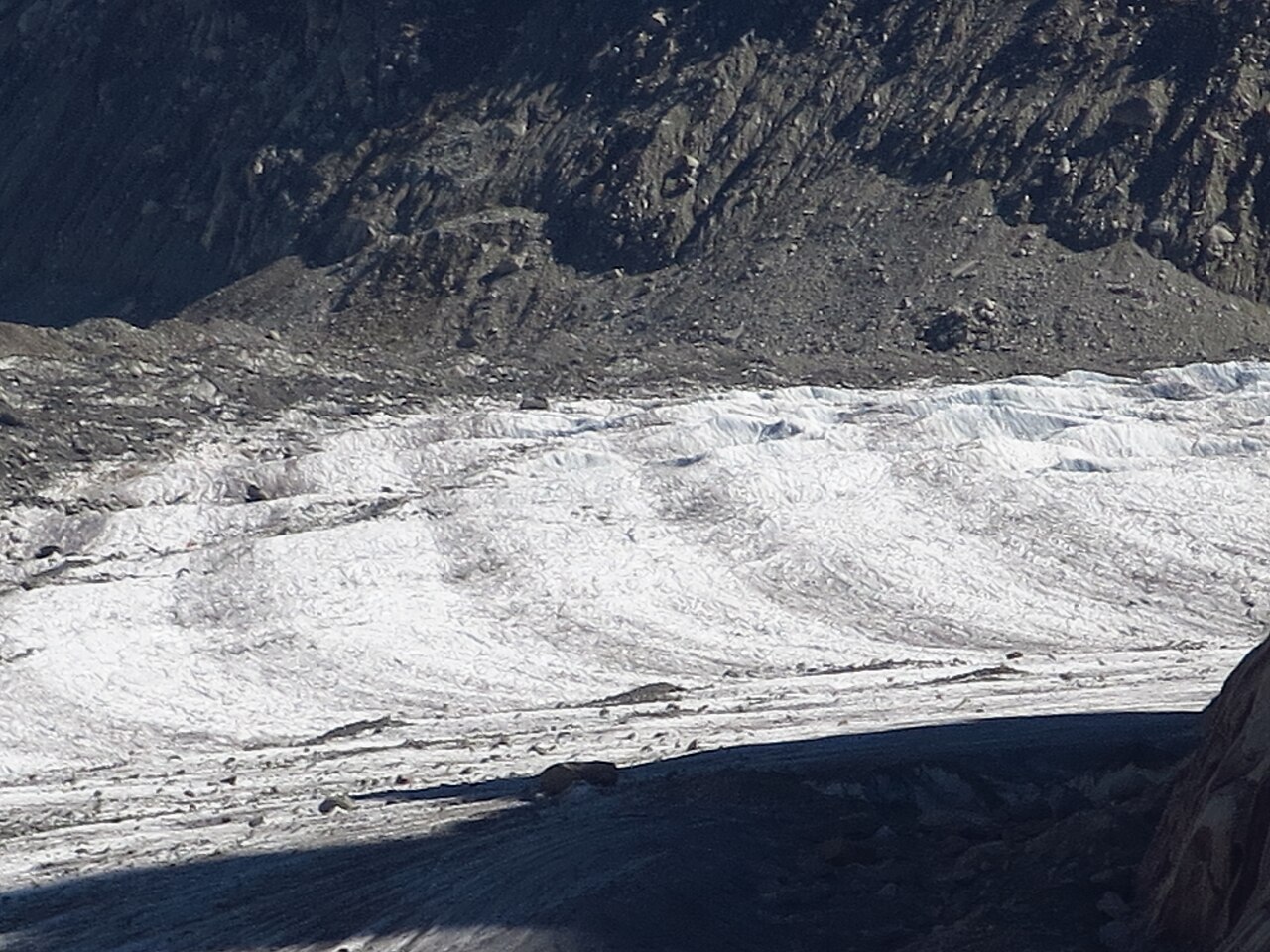
It sounds strange that a solid can flow, but ice can. Glaciers move because of gravity and because the ice itself bends. Ice is made of layers of molecules with fairly weak bonds between the layers. When the ice is at least about 30 m thick, the weight begins to make the layers slip over each other. Past about 50 m, the ice deforms like a thick, slow fluid. Then the whole glacier starts to spread under its own weight.
Many glaciers also slide. Pressure, friction and heat from the ground can melt a thin film of water at the bottom, and the glacier glides on it. This is called basal sliding.
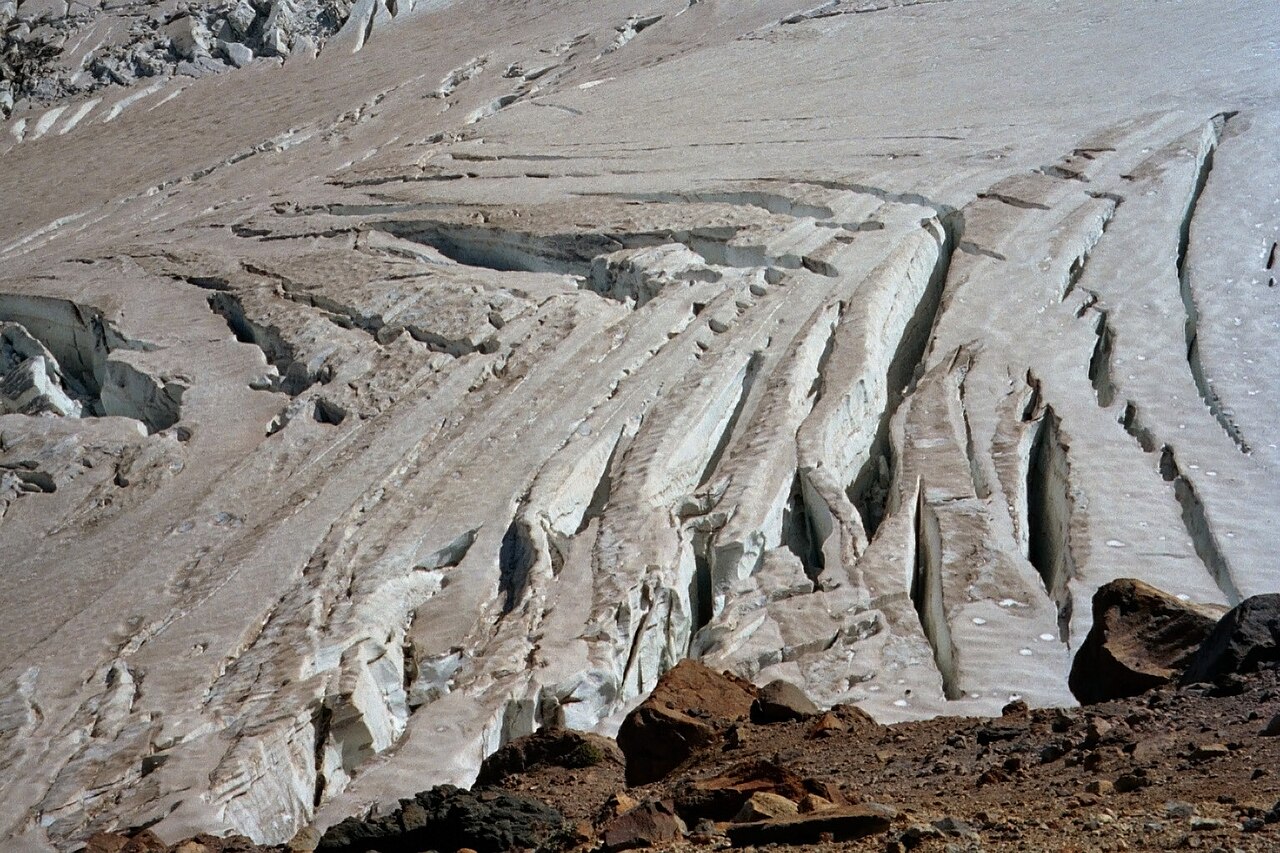
The ice moves fastest at the surface and in the middle. At the bottom and along the valley walls, friction slows it down. The average speed is around 1 m a day, but it varies hugely. In some places a glacier barely moves, and trees can even take root on the rubble on top. Greenland's Jakobshavn Isbrae has moved as fast as 20 to 30 m a day.
A few glaciers surge. They move normally for years and then suddenly race forward, up to about 90 m in a day. A surge may follow a build-up of meltwater at the base.
Stripes on some glaciers record the pace. Dark and light bands called Forbes bands or ogives form below an icefall, and the width of one pair is usually the distance the glacier moves in one year.
Scientists once argued about how glaciers moved. In the 1840s James Forbes proposed what is now seen as the right idea, that ice flows like a very thick fluid.
How do glaciers carve the land?
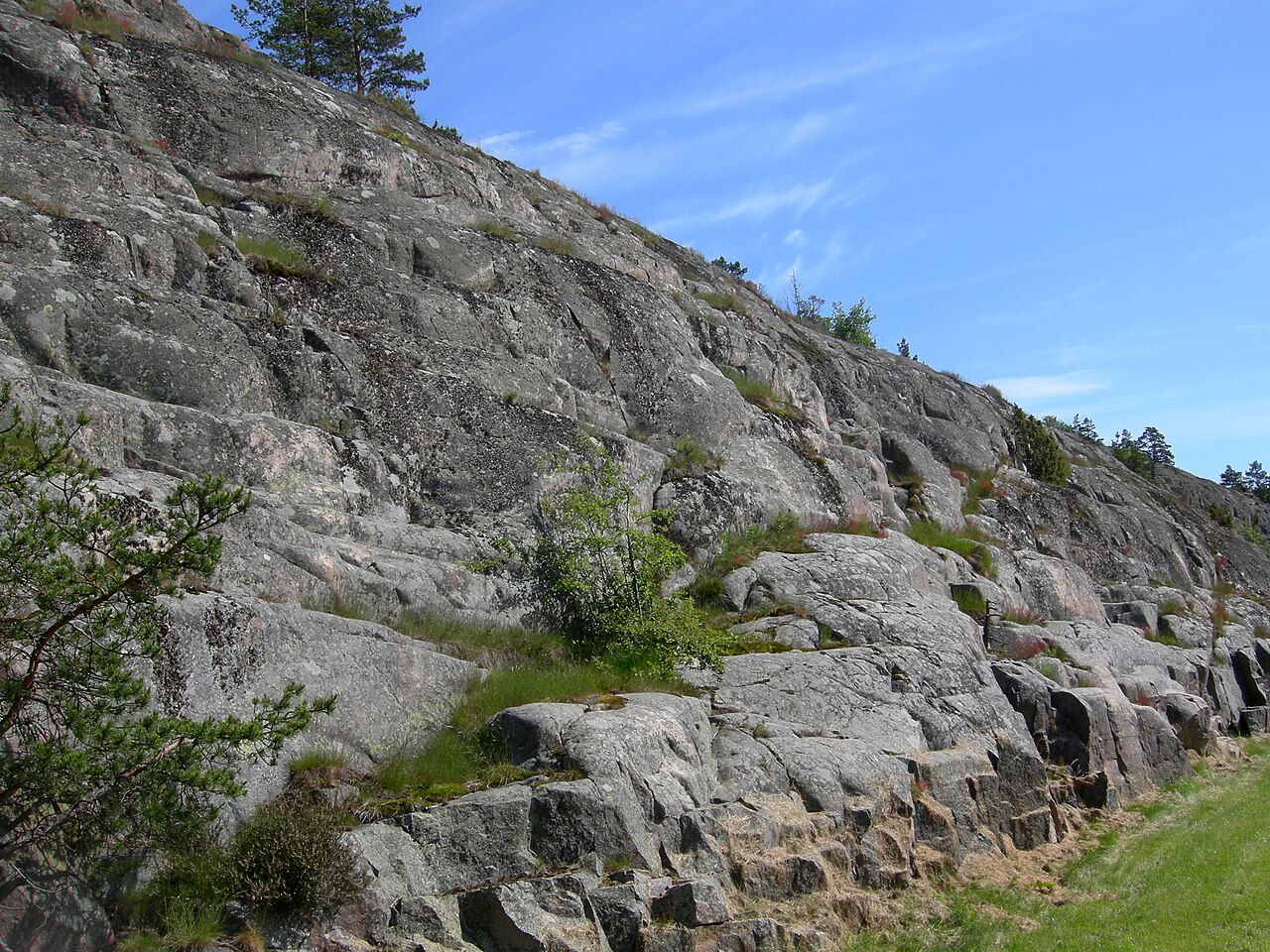
Glaciers are among nature's most powerful sculptors. They wear away rock in two main ways. The first is plucking. Meltwater seeps into cracks in the bedrock and freezes. As it freezes it expands and acts like a lever, loosening blocks of rock that then freeze into the glacier and are carried away. The second is abrasion. Rocks held in the base of the ice act like sandpaper and scour the bedrock beneath, leaving scratches called striations and a fine powder called rock flour.
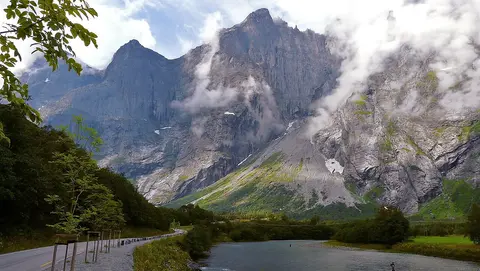
These forces build dramatic shapes. Before glaciers, mountain valleys are usually V-shaped, cut by rivers. Ice widens and deepens them into broad, U-shaped valleys. When a glacier enters the sea, the deep valley fills with water and becomes a , which can be more than 1,000 m deep. Smaller valleys that join a main glacier are not cut as deeply, so they are left hanging high above it. Streams from them often fall away as waterfalls.
At the top, the glacier bites into the mountain and makes . If two cirques form back to back, they leave a knife-edge ridge called an arête. If several cirques surround a peak, they sharpen it into a pyramid, a horn such as the Matterhorn. Where ice rolled over hard rock, it sometimes left smooth humps called roches moutonnées, or sheepback rocks. They have a smooth side facing the ice and a rough, plucked side on the far end.
What do glaciers leave behind?
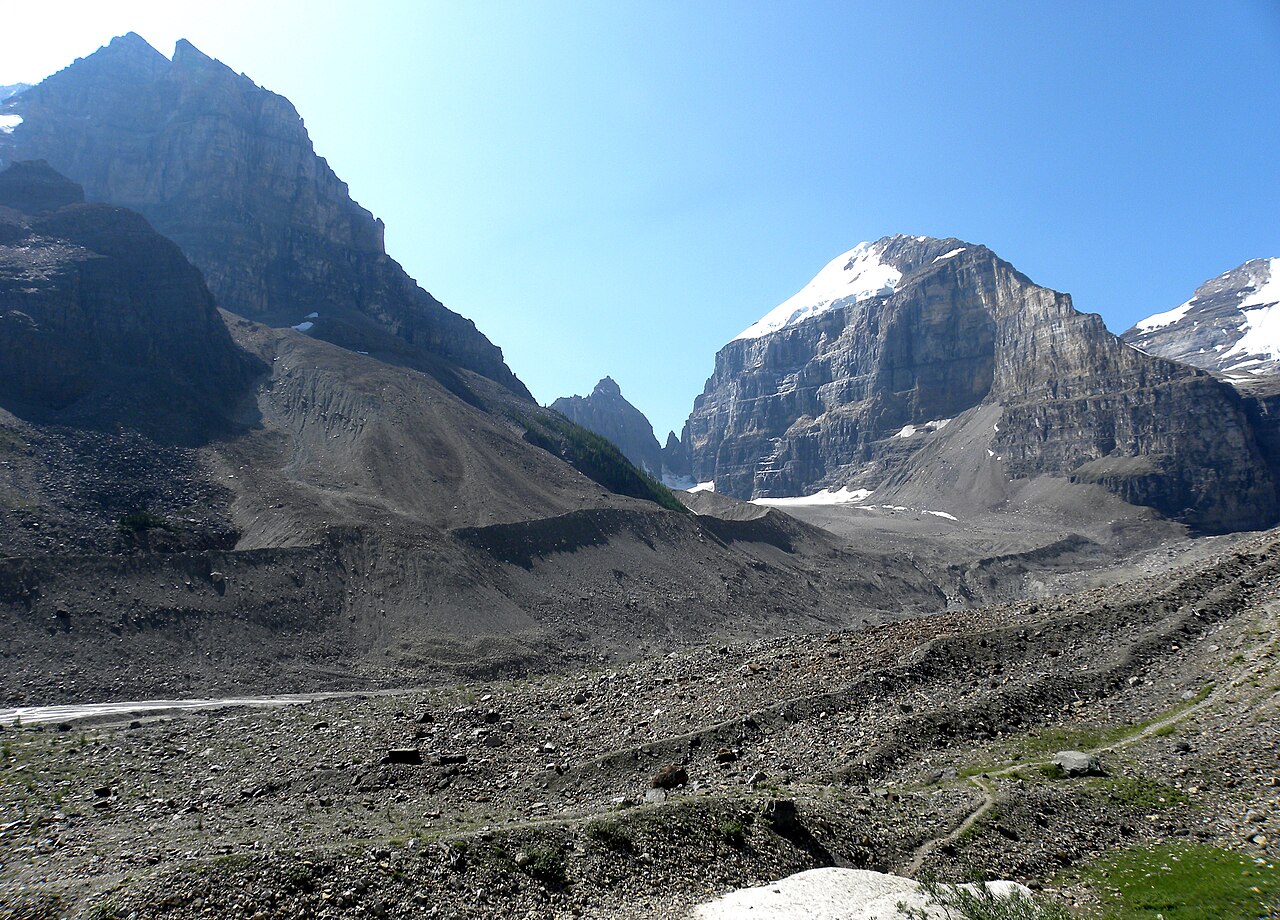
A glacier is also a conveyor belt. It picks up everything from clay to boulders and carries it downhill. When the ice melts, the load is dropped.
The jumbled mix of clay, sand, gravel and boulders that falls straight from the ice is called till. It is piled in long ridges called . Terminal moraines mark the farthest point reached by the ice. Lateral moraines run along the sides, and when two glaciers meet, their side moraines join into a stripe down the middle, called a medial moraine. The word moraine comes from the French Alps.
Odd boulders, called , are sometimes left sitting on rock of a completely different kind. They may have been moved many kilometres, so their position helps scientists work out which way the ice once travelled.
Glaciers also shape the ground into hills. Drumlins are smooth, canoe-shaped mounds, 15 to 50 m high. One field east of Rochester, New York, is thought to hold about 10,000 of them. Eskers are long, winding ridges of sand and gravel made by rivers flowing in tunnels under the ice. Some are over 100 m high and 100 km long. When big blocks of ice were left stranded and then melted, they made round pits called kettles, which often fill with water.
The fine dust made by grinding can blow away and settle as loess. In China, loess lies hundreds of metres deep. In the American Midwest the layers are thinner, though still tens of metres in places.
Why are glaciers shrinking?
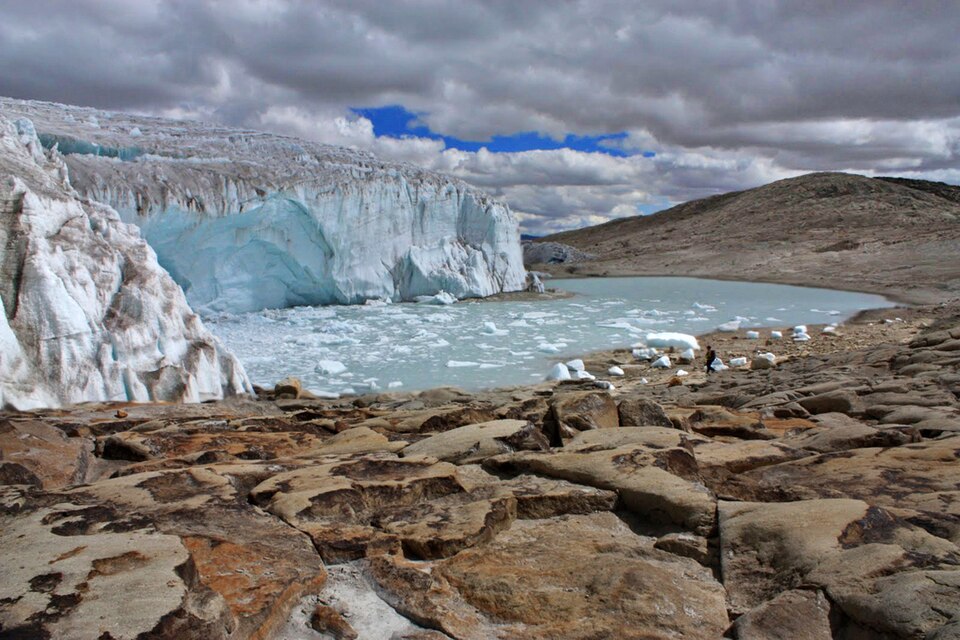
Because glaciers depend on a balance between snow and melt, they react quickly when the climate changes. That makes them some of the most sensitive indicators of climate change. The Little Ice Age ended around 1850, and since then glaciers around the world have retreated a great deal. A short cooling slowed or reversed the retreat of many Alpine glaciers between 1950 and 1985. Since 1985, retreat and loss of ice have become larger and more widespread. Glaciers that the World Glacier Monitoring Service tracks as reference glaciers have lost ice every year since 1988.
What is causing this? Human activities since the industrial era have added carbon dioxide and other greenhouse gases to the air, and this is behind the current global warming. A feedback makes it worse. Bright ice and snow reflect sunlight back into space. When they melt, they expose darker land and water, which absorb the sunlight and warm up. That causes more melting.
Melting glaciers add water to the oceans and raise the sea level. That threatens coasts, small islands, farmland and cities. In 2023 Switzerland lost about 4 per cent of its glacier volume, and it spends large sums on defences such as barriers and drainage to protect Alpine villages. The United Nations named 2025 the International Year of Glaciers' Preservation. In May 2025 part of the Birch glacier collapsed and buried most of the Swiss village of Blatten, which had been evacuated nine days earlier. One man outside the evacuation zone was killed.
How do we know about the past? Scientists drill ice cores and study the air bubbles trapped inside. These show that over the last 800,000 years, global temperature and carbon dioxide have gone up and down together. In 2025 scientists drilling at Little Dome C in Antarctica brought up ice about 1.2 million years old.
What happens to the land when the ice goes, and are there glaciers on other worlds?
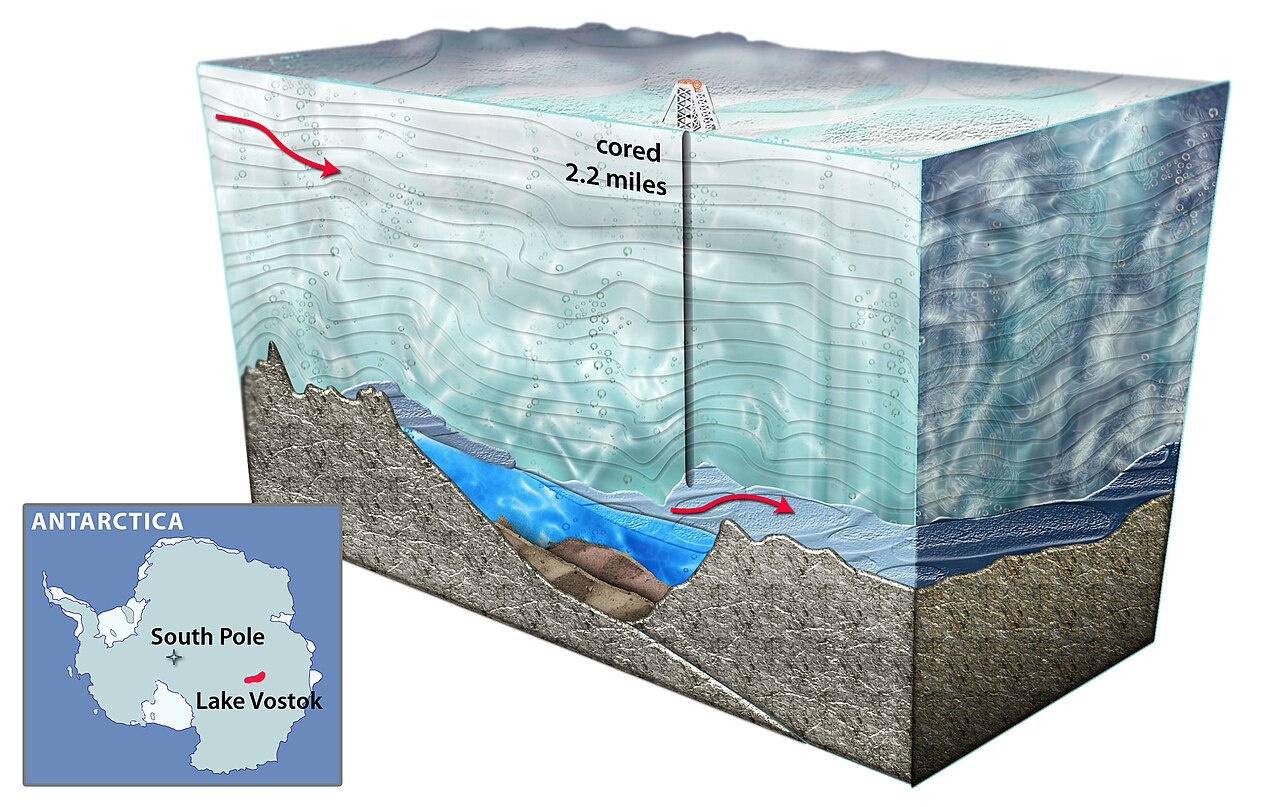
A glacier is heavy. A thick can press the Earth's crust down into the mantle, the hot, slow-flowing layer beneath. The dent is often about a third as deep as the ice is thick. When the ice melts, the crust slowly springs back, like a mattress after you stand up. This is called post-glacial rebound, or isostatic rebound. It is still happening today, in measurable amounts, in Scandinavia and around the Great Lakes of North America.
Ice lies hidden under Antarctica too. In 2012 Russian scientists drilled down to Lake Vostok, a lake about 3.7 km beneath the ice. Satellites can also see the ice surface sag where water drains out of hidden lakes.
There is ice on other worlds as well. Mars has polar ice caps, and its south polar cap is especially like a glacier on Earth. Landforms and computer models suggest that Mars had more glaciers in the past. In the middle latitudes, rock-covered ice sits in formations called lobate debris aprons, and radar on the Mars Reconnaissance Orbiter has found ice beneath their thin rocky cover. Because the Martian air is very thin, the ice there does not melt but turns directly to vapour, a process called sublimation.
In 2015 the New Horizons spacecraft flew past Pluto and found a huge basin, Sputnik Planitia, filled with nitrogen ice. Ice seems to flow into and out of it, rather like a glacier.
Explore Next
Your audio story keeps playing while you look around.
Words to Know
- ablation
- The loss of snow and ice by melting or evaporating.
- calving
- The breaking off of chunks of ice from the front of a glacier.
- cirque
- A bowl-shaped hollow in a mountain where a glacier begins.
- crevasse
- A deep crack in the surface of a glacier.
- erratic
- A boulder carried by ice and left on different rock.
- firn
- Old, packed snow that is turning into glacial ice.
- fjord
- A deep, narrow sea inlet carved by a glacier.
- ice sheet
- A glacier larger than 50,000 square kilometres, such as those covering Antarctica and Greenland.
- moraine
- A ridge of rock and gravel dropped by a glacier.
- nunatak
- A mountain peak that sticks up through an ice sheet.