Sea
Salt water that covers most of our planet and shapes all life on it.
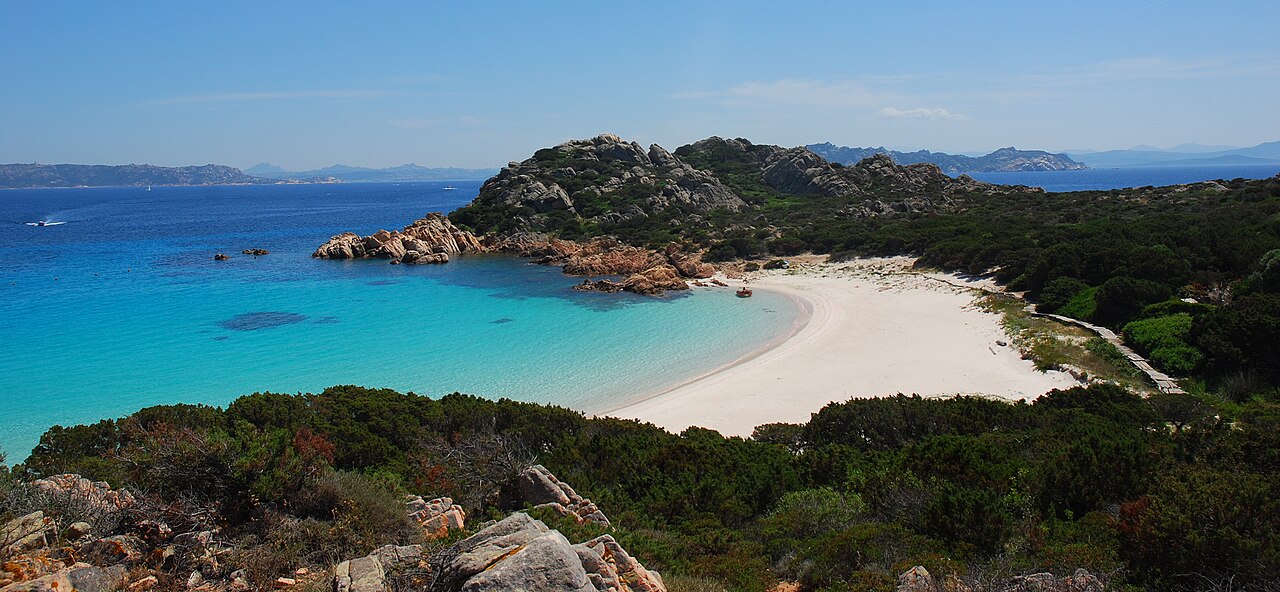
Look at Earth from space and the first thing you notice is blue. That colour is the sea, one connected body of salt water that covers about 71 per cent of the planet's surface. It holds almost all of Earth's water, moves heat around the globe, makes oxygen, feeds billions of people and may be where life began. Smaller named seas, such as the North Sea or the Red Sea, are parts of this great system. Sailors have crossed it for thousands of years, and scientists are still discovering creatures in its dark depths. To understand the sea is to understand how our whole planet works.
Is a sea the same as an ocean?
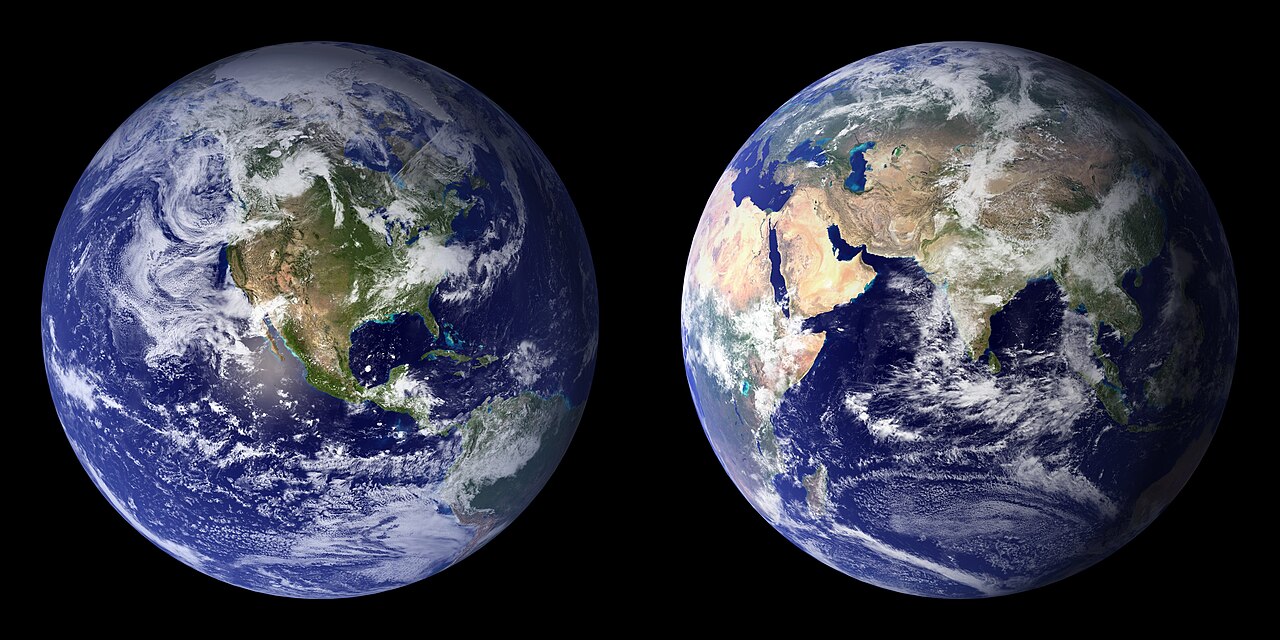
Not quite, though the two words overlap. In everyday speech, "the sea" means the whole ocean, the single connected body of salt water that wraps around the globe. Geographers split it into five oceans: the Pacific, Atlantic, Indian, Southern and Arctic. The word "sea" is also used for smaller named parts, such as the Mediterranean Sea, the North Sea or the Red Sea. Most of these are partly shut in by land. Some, like the Mediterranean, are almost surrounded by it.
There is no sharp line between a sea and an ocean, and the names do not follow tidy rules. The Sargasso Sea has no coastline at all. It sits in the middle of the North Atlantic, held in place by a great circle of currents and named after the floating seaweed that gathers there. The Sea of Galilee is not a sea in the usual sense, because its water is fresh. The Caspian Sea is a huge salty lake with no outlet to the ocean, and lawyers still argue about whether it counts as a sea.
Earth is the only planet we know that has seas of liquid water on its surface. The ocean holds about 97 per cent of all the water on the planet.
Which seas are the biggest, and how do they differ?
The largest sea of all is the Philippine Sea, in the western Pacific, at about 5.7 million square kilometres. The Coral Sea, off north-eastern Australia, is next, followed by the Arabian Sea and the South China Sea. The Mediterranean is smaller, at about 2.5 million square kilometres, but it has had more effect on history than any of them. Its name comes from Latin words meaning the middle of the land, because Europe, Asia and Africa surround it. Egyptian, Phoenician, Greek and Roman sailors all used it as their highway.
Each sea has its own character. The Red Sea is warm and salty, and it is edged by coral reefs. The Baltic Sea is shallow and almost shut in, and it formed after the glaciers of the last ice age melted. Its water is brackish, which means partly fresh. The Black Sea is the opposite. Fresh river water floats on top of salty water, and the layers hardly mix. Below about 150 metres there is almost no oxygen, and little lives there except bacteria. The North Sea is shallow and crowded. It has some of Europe's busiest fishing grounds and shipping lanes, and since the 1960s it has also been a major source of oil and gas.
Why is the sea salty, and why is it cold below?
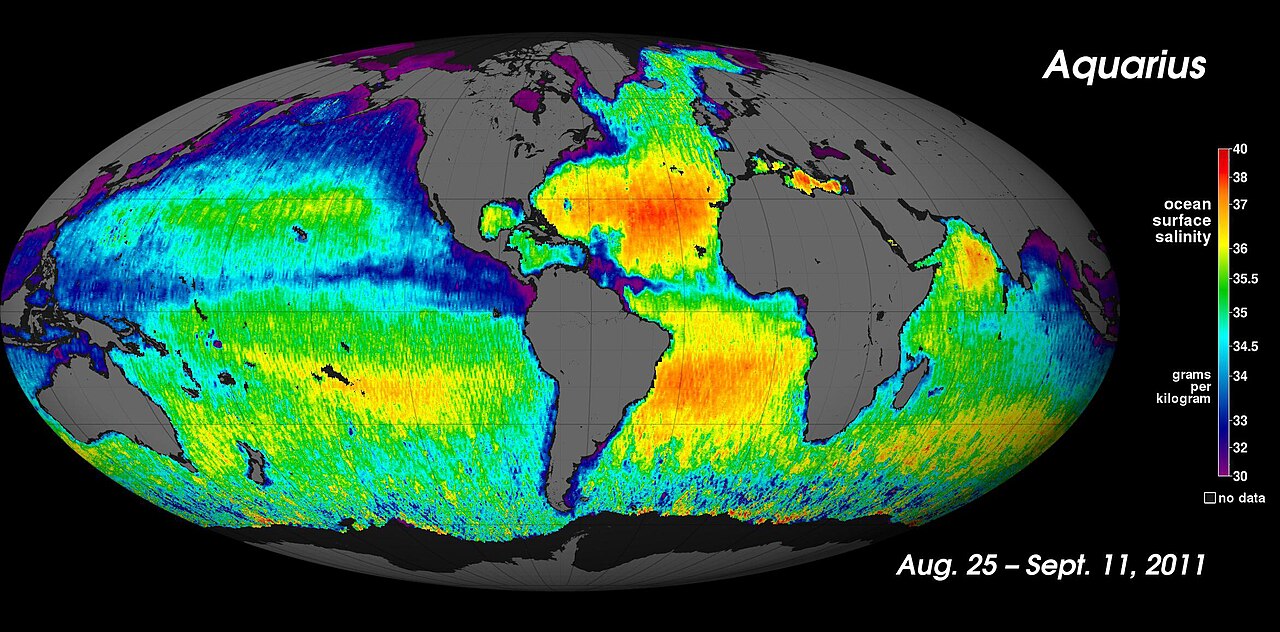
Taste a mouthful of seawater and you will spit it out. The open ocean holds about 35 grams of dissolved salt in every kilogram of seawater. About 85 per cent of that is the same sodium chloride we sprinkle on chips, mixed with magnesium, calcium, sulphate and other minerals. Rain slowly wears away rocks on land, and rivers carry the dissolved minerals to the sea. The water then evaporates, but the salt stays behind. Over a very long time, the sea has become salty and then stayed that way. The mix of salts is much the same in every ocean.
Some seas are saltier than others. Hot places with lots of evaporation, such as the northern Red Sea, can reach about 41 grams per kilogram. The Baltic Sea is much less salty because many rivers pour fresh water into it. The Dead Sea is a salt lake and holds about 300 grams per litre, which is why swimmers float so easily. People cannot drink seawater, because our kidneys cannot make urine saltier than the sea.
Sea temperature depends on sunshine. Tropical surface water can top 30 °C. Near the poles, seawater freezes at about -1.8 °C, a little lower than fresh water because of the salt. The deep sea is cold everywhere, between -2 °C and 5 °C. Light fades quickly as you go down. Red light disappears within a few metres, blue light reaches about 1,000 metres, and below about 200 metres there is too little light for plants to grow.
What makes a wave, and what makes a tsunami?
Most waves are made by wind. As air drags across the surface, it pushes the water into ripples, and stronger or longer winds build bigger waves. In windy places like the Roaring Forties, in the Southern Hemisphere, long smooth waves called swell can roll for thousands of kilometres. Near the shore the seabed slows the wave's lower part. The crests bunch up, grow taller, then topple over and break on the beach.
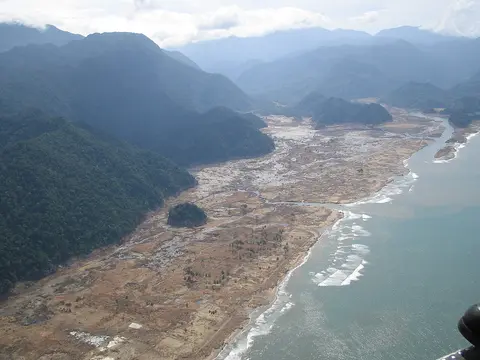
A is a very different wave. It is caused by something that suddenly shifts a huge amount of water, such as an undersea earthquake, a volcanic eruption or a landslide. In deep water it can travel at over 900 kilometres an hour. Its wavelength is up to hundreds of kilometres and it may be under a metre high, so ships barely notice it. In shallow water near land it slows down and rises, and it floods the coast. Often the sea first draws back and reveals the seabed. The first wave may not be the biggest, and several can follow over the next few hours.
What moves the sea around the world?
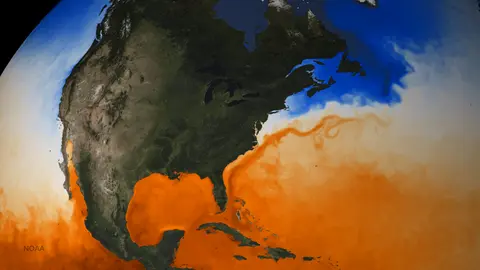
The sea is always on the move. Winds push surface water into huge circles called , and Earth's spinning turns them clockwise north of the equator and anticlockwise south of it. These currents carry warm water away from the tropics and cold water back, which softens climates. Deep down, a slower system called the global conveyor belt takes about 1,000 years to make one full trip.
Currents can also be dangerous close to shore. A rip current is a narrow channel of water that rushes out to sea and can pull swimmers away from the beach.
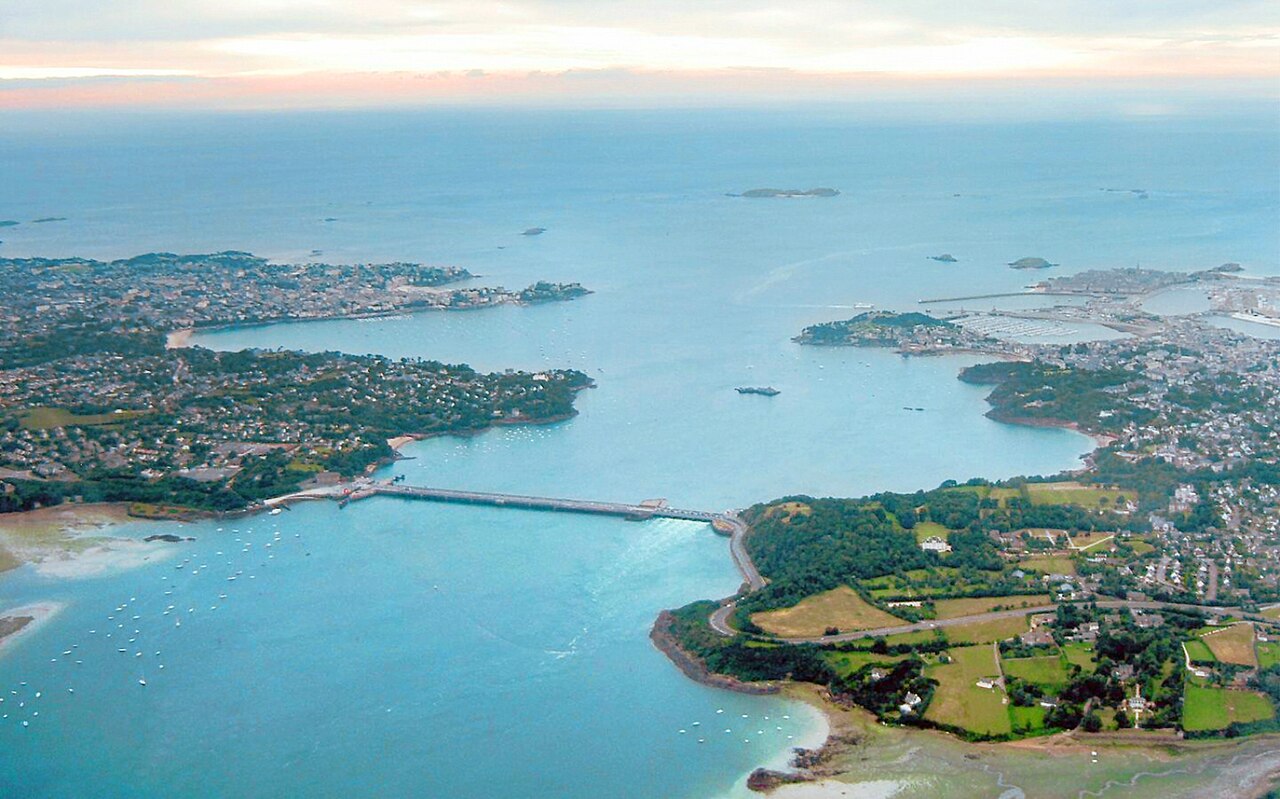
are the regular rise and fall of the sea, mainly caused by the Moon's gravity. Most coasts pass through two high tides about every 24 hours and 50 minutes. People use that rise and fall to make electricity. The Rance tidal barrage in Brittany, France, opened in 1966 and has run on the tides ever since.
What shapes the seabed and the coast?
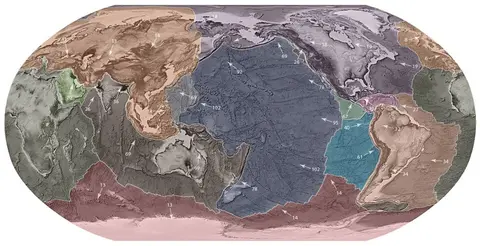
The ocean floor is not flat. Where two tectonic plates move apart, hot magma rises and builds a mid-ocean ridge, a mountain chain on the seabed. Where one plate slides beneath another, the seabed bends into a deep , and the sinking plate causes earthquakes and feeds chains of volcanic islands. The deepest trench is the Mariana Trench in the western Pacific. Its deepest point, Challenger Deep, lies almost 11 kilometres below the surface.
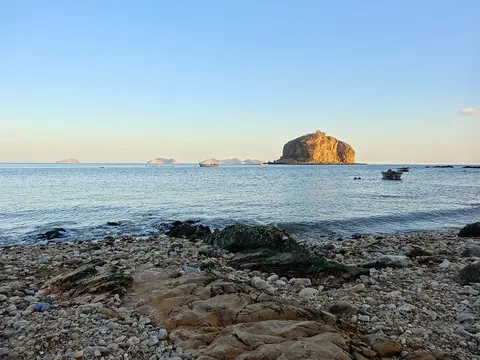
Where land meets sea, the coast is shaped by waves. Gentle waves roll in about six to eight times a minute and push sand and pebbles up the beach to build it. Storm waves arrive in rapid succession and drag material back out to sea. At the foot of a cliff, they hurl stones against the rock and squeeze air into its cracks. Over time this cuts a notch, the cliff collapses, and the coast moves back. Waves and currents also carry sand along the shore, build spits and fill river mouths with mud to make deltas. To fight flooding, people build sea walls and barriers. The Thames Barrier protects London from storm surges.
What lives in the sea?
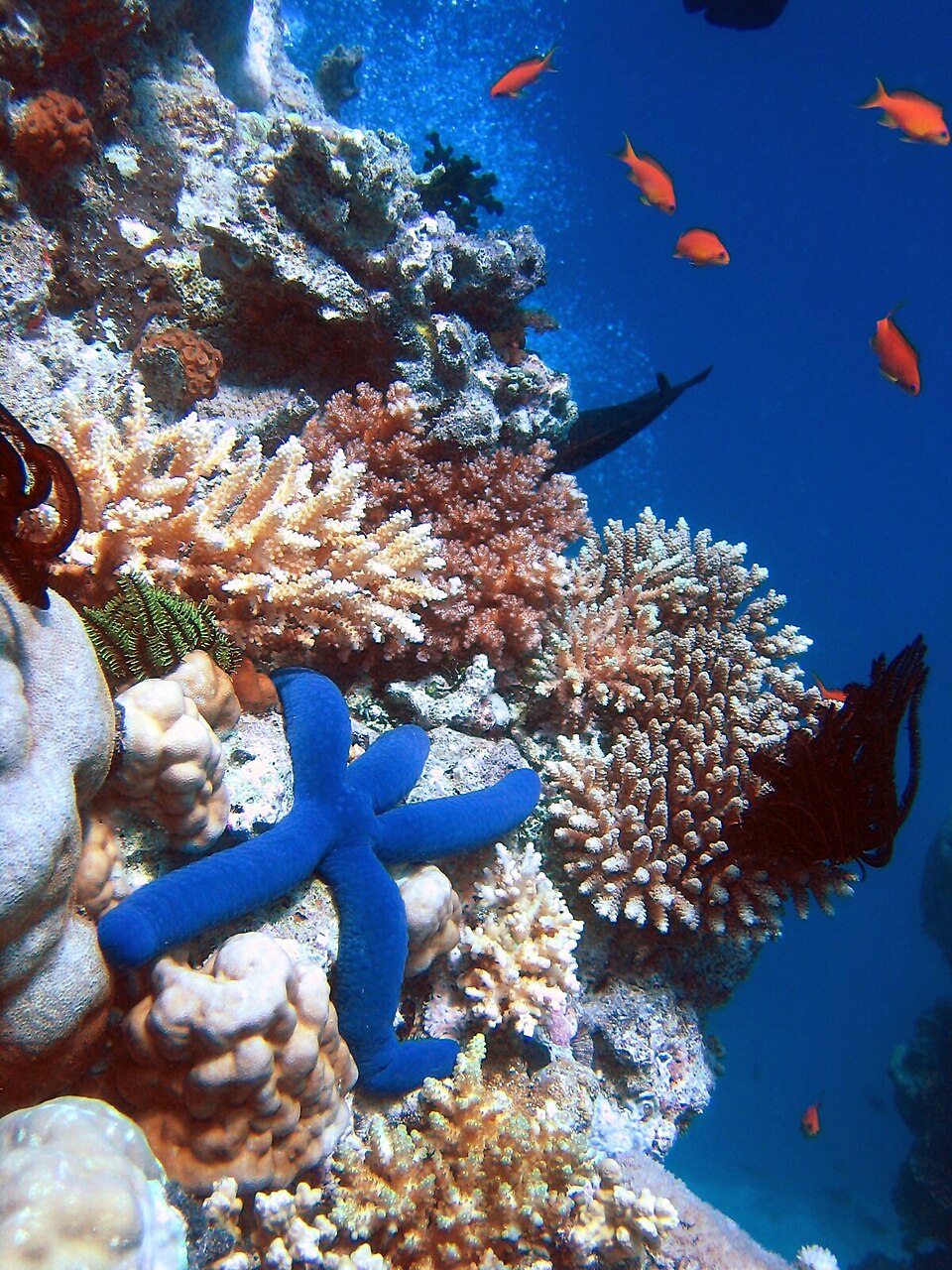
The sea is the biggest living space on Earth, and most of it is dark. Sunlight only lights up the top 200 metres or so, so everything below depends on food drifting down or on other tricks. Life ranges from microscopic plankton to whales up to about 30 metres long.
The food chain starts with , tiny plant-like drifters that use sunlight to make food. They also produce about half of the world's oxygen. Tiny animals called zooplankton eat them, small fish eat the zooplankton, and bigger fish, squid, seals, sharks, dolphins and whales eat those. Seaweeds such as kelp grow in underwater forests, and seagrasses spread over sandy shallows like meadows. The richest waters are where deep, cold, nutrient-filled water wells up to the surface, or near the coast where rivers bring minerals.
Coral reefs cover less than 0.1 per cent of the ocean but are home to about 25 per cent of all sea species. Reefs are built by tiny coral animals that make hard skeletons, and they are often called the rainforests of the sea.
Even the deep sea teems with life. Around , cracks in the seabed where hot, mineral-rich water gushes out, bacteria turn chemicals into food instead of using sunlight. Crabs, worms and clams live on the bacteria. Scientists think the first life on Earth may have appeared in the sea, perhaps near vents or in warm shallow pools, but they still debate exactly where.
How did people learn to cross the sea?
People have sailed for thousands of years. Ancient Egyptians and Phoenicians travelled the Mediterranean and Red Sea. Around 3000 BC, Austronesian people began spreading from Taiwan into Southeast Asia. Their descendants, using outrigger canoes, later reached Fiji, Tonga, Samoa, Hawaii, Easter Island and New Zealand. Vikings crossed the North Atlantic and reached the north-east of North America. In the early 1400s, the Chinese admiral Zheng He led a fleet of 317 ships with about 28,000 men across the Indian and Pacific Oceans.
In 1488 Bartolomeu Dias rounded the southern tip of Africa, and in 1498 Vasco da Gama reached India. Christopher Columbus sailed west from Spain in 1492 hoping to reach Asia and reached the Caribbean instead. Ferdinand Magellan's expedition, which continued under Juan Sebastián Elcano after Magellan's death, was the first to sail all the way around the world. It set out in 1519.
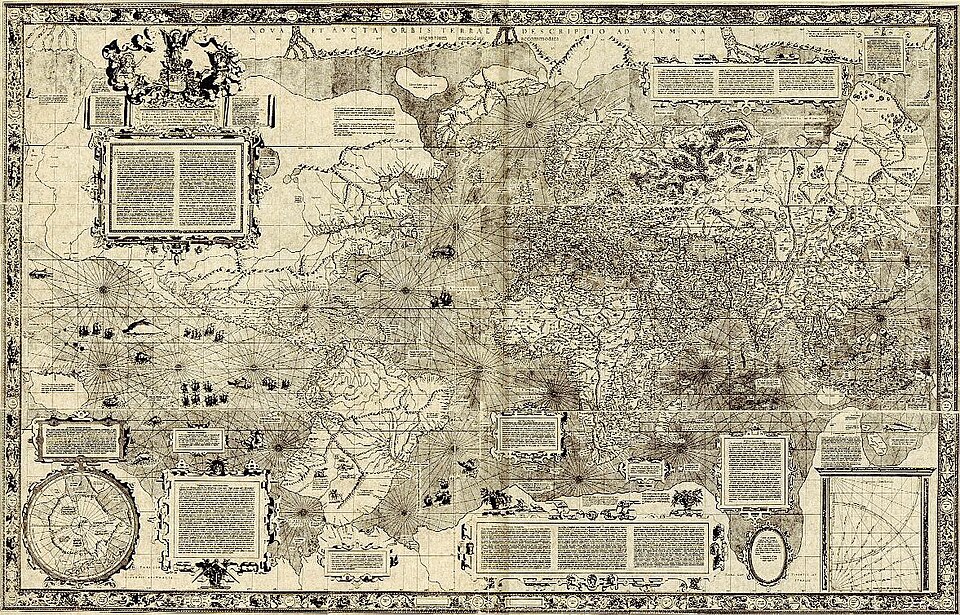
Navigating needed good tools. Compasses show north. Sailors worked out latitude by measuring the angle of the Sun or a star above the horizon. Longitude was much harder. It needs an accurate clock, to compare local time with the time at a fixed place. In 1759, the English clockmaker John Harrison built a ship's clock that did it. Captain James Cook used the same kind of clock on his voyages in the 1700s. Mapmakers such as Gerardus Mercator, with his world map of 1569, made charts that helped sailors keep a steady course. Today satellites from the Global Positioning System guide ships anywhere on Earth.
How do we know what is in the deep sea?
For most of history, nobody knew what lay far beneath the waves. In 1854 the scientist Edward Forbes argued that nothing could live below about 600 metres. In 1868, two British biologists, William Carpenter and Charles Wyville Thomson, dredged up living animals from deeper water and proved him wrong.
Then came HMS Challenger. From 1872 to 1876, it sailed around the world. Its crew measured depths, temperatures and currents, and collected about 4,700 new species. Many scientists say this voyage started modern , the study of the sea.
Going down in person took bravery. In 1930, William Beebe and Otis Barton dropped in a steel sphere called the Bathysphere to 434 metres, hanging on a cable. In 1960, Jacques Piccard and Don Walsh descended in a self-powered craft, the Trieste, to the bottom of the Mariana . In 2012 the film director James Cameron made the first solo dive there, in the Deepsea Challenger.
Today, most deep-sea work uses robots. Remotely operated vehicles carry lights, cameras and mechanical arms, and are steered by people on a ship. Sonar, or echo sounding, sends sound down and times the echo to measure the depth. Satellites measure the shape of the sea surface, which hints at hills and valleys below. Even so, much of the deep sea is still unexplored, and many species are still unknown.
How do we use the sea, and how are we changing it?
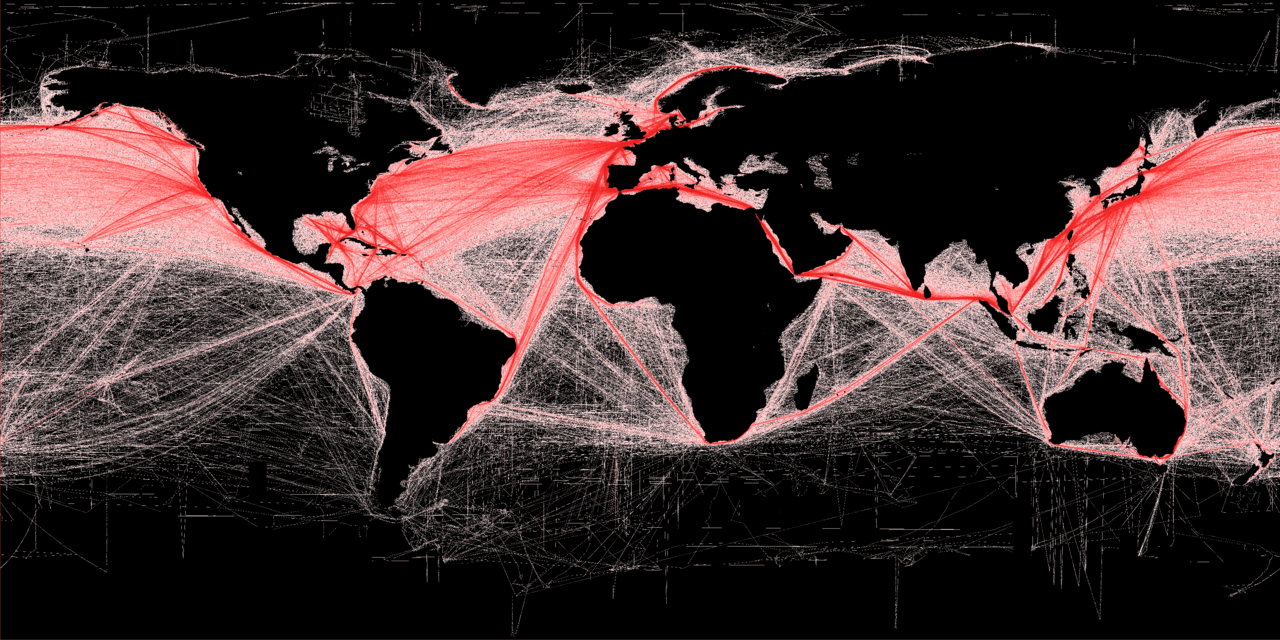
People depend on the sea every day. It gives us food, mostly fish but also shellfish and seaweed, caught by fishing boats or raised on farms. Ships carry most of the world's trade, from fuel to food to phones. The sea also provides power, from tidal barrages and offshore wind farms, and minerals, oil and gas. plants take the salt out of seawater to make drinking water in dry places. Millions of people also swim, sail and dive for fun. Navies have fought at sea for thousands of years, and the law of the sea sets out who may do what in which waters.
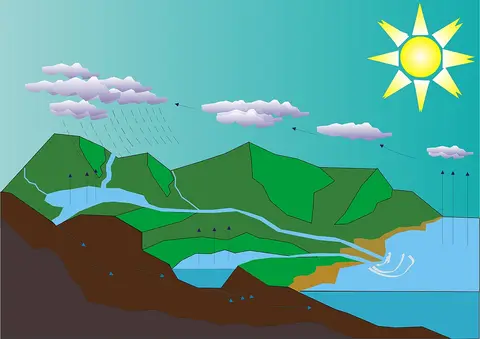
The sea also gives us the water cycle. Heat from the Sun makes water evaporate from the ocean, the vapour forms clouds, and rain falls on land before rivers carry it back. The sea stores a huge amount of heat and carbon, so it keeps the climate steadier than it would be otherwise.
Human activity is changing it. About a third of the extra carbon dioxide we release dissolves in the ocean and makes it slightly more acidic, which harms creatures with shells and corals. Warmer water holds less oxygen. Sea level has risen for over a century, partly because water expands as it warms and partly because ice on land melts. Plastic, oil spills and over-fishing add more harm. Scientists track all this with ships, satellites and floating sensors, and many countries have signed agreements to protect the sea.
Explore Next
Your audio story keeps playing while you look around.
Words to Know
- desalination
- Removing salt from seawater to make it drinkable.
- fetch
- The distance of open water the wind blows across to build waves.
- gyre
- A huge circle of ocean currents.
- hydrothermal vent
- A crack in the seabed where hot, mineral-rich water flows out.
- oceanography
- The scientific study of the sea.
- phytoplankton
- Tiny drifting plants and algae that make food from sunlight.
- salinity
- How much salt is dissolved in water.
- subduction
- When one plate of Earth's crust slides under another.
- tide
- The regular rise and fall of the sea, caused mainly by the Moon's gravity.
- trench
- A very deep, narrow valley in the ocean floor.
- tsunami
- A giant wave made by an earthquake, landslide or eruption under the sea.