Biodiversity hotspot
Small patches of Earth packed with rare life, and in great danger.
Some places on Earth hold far more unusual life than their size suggests. Scientists call them biodiversity hotspots. A hotspot has a huge number of species, many of them found nowhere else. It is also losing its natural habitat fast. In total, 36 regions qualify. They once covered more than 15 per cent of the land. Today they take up only 2.4 per cent. Yet they hold nearly 60 per cent of the world's plant, bird, mammal, reptile and amphibian species. The idea gives conservation groups a way to decide where protecting nature will save the most life.
What makes a place a hotspot?
A is a region with a very high level of biodiversity that is also under threat from human activity. Biodiversity is the variety of life. In a hotspot, many plants and animals are . That means they live naturally in that region and nowhere else. If a hotspot is destroyed, those species are lost for good.
The idea came from the British ecologist Norman Myers. He wrote about it in two articles in the journal The Environmentalist, in 1988 and 1990. At first his list had 10 hotspots, all of them tropical forests, and in 1990 he raised it to 18. He argued that money was limited, so it should go where the most life was at greatest risk.
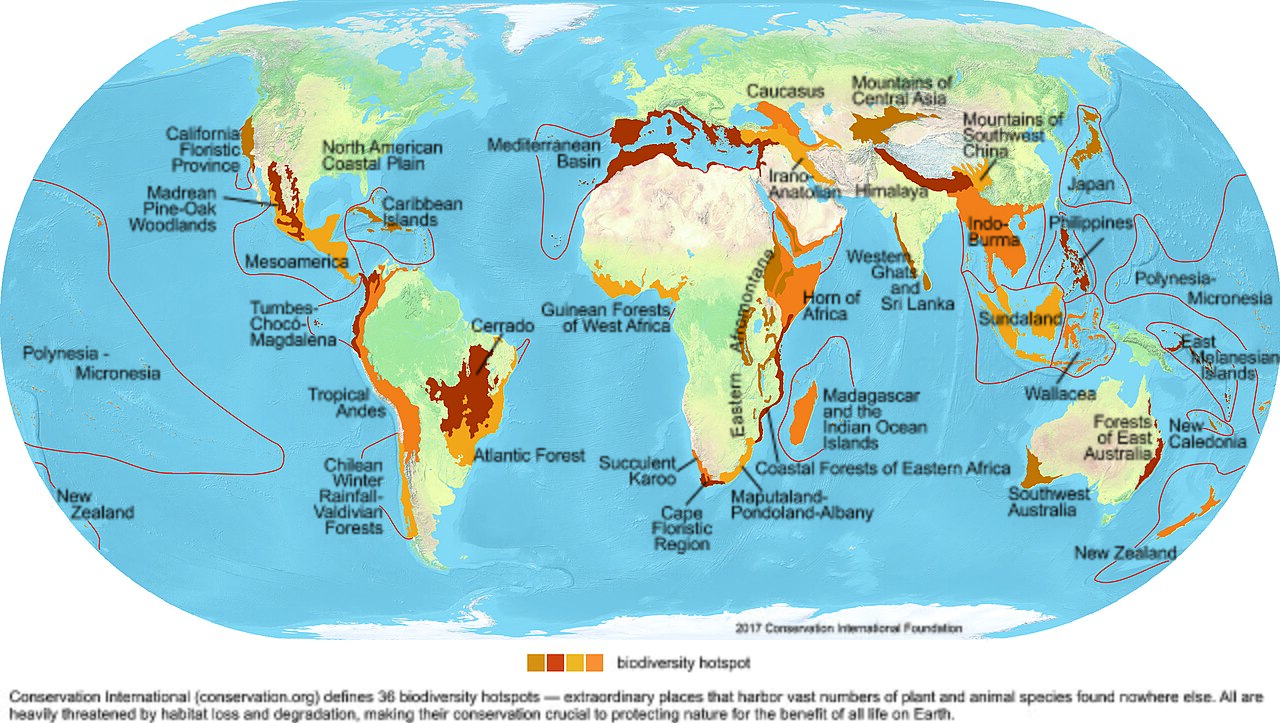
In 1999 and 2000, Myers, Russell Mittermeier and others made a stricter version. Their book Hotspots: Earth's Biologically Richest and Most Endangered Terrestrial came out in 1999, and a paper in the journal Nature listed 25 hotspots in 2000. The list grew to 34 in 2004, and to 36 by 2016. Conservation International publishes a map of the hotspots. The National Geographic Society has also prepared a world hotspot map.
The idea is a bit like a hospital waiting room. The aim is not to ignore other places. It is to help first the ones where the need is greatest and the chance of saving many species is highest.
Why do so few places hold so much life?
To count as a hotspot on Myers's 2000 map, a region must pass two strict tests. First, it must contain at least 1,500 species of as . Vascular plants are the plants with tubes that carry water, such as trees, ferns and flowers. This is more than 0.5 per cent of the world's total. Second, it must have lost at least 70 per cent of its original, natural plant cover.
So a hotspot is rich and in trouble at the same time. Some hotspots have as many as 15,000 endemic plant species. Some have lost up to 95 per cent of their natural .
The numbers are striking. The 36 hotspots once covered more than 15.7 per cent of Earth's land. Habitat loss has shrunk them by about 85 per cent. Today they take up about 2.4 per cent of the land surface. Yet they hold nearly 60 per cent of the world's species of plants, birds, mammals, reptiles and amphibians. Many of those species are endemics.
That is why scientists see hotspots as such good value. Protecting a small area can save thousands of species that cannot live anywhere else. The same habitat loss that made the hotspots small also squeezes so much life into so little space.
Where in the world are the hotspots?
Most biodiversity is found in the tropics, and so are most hotspots. But they are spread across every continent except Antarctica.
In North and Central America there are four, including the California Floristic Province and Mesoamerica. The Caribbean Islands form one hotspot. South America has five, such as the Atlantic Forest, the Cerrado and the Tropical Andes. Europe and West Asia have three, including the Mediterranean Basin and the Caucasus.
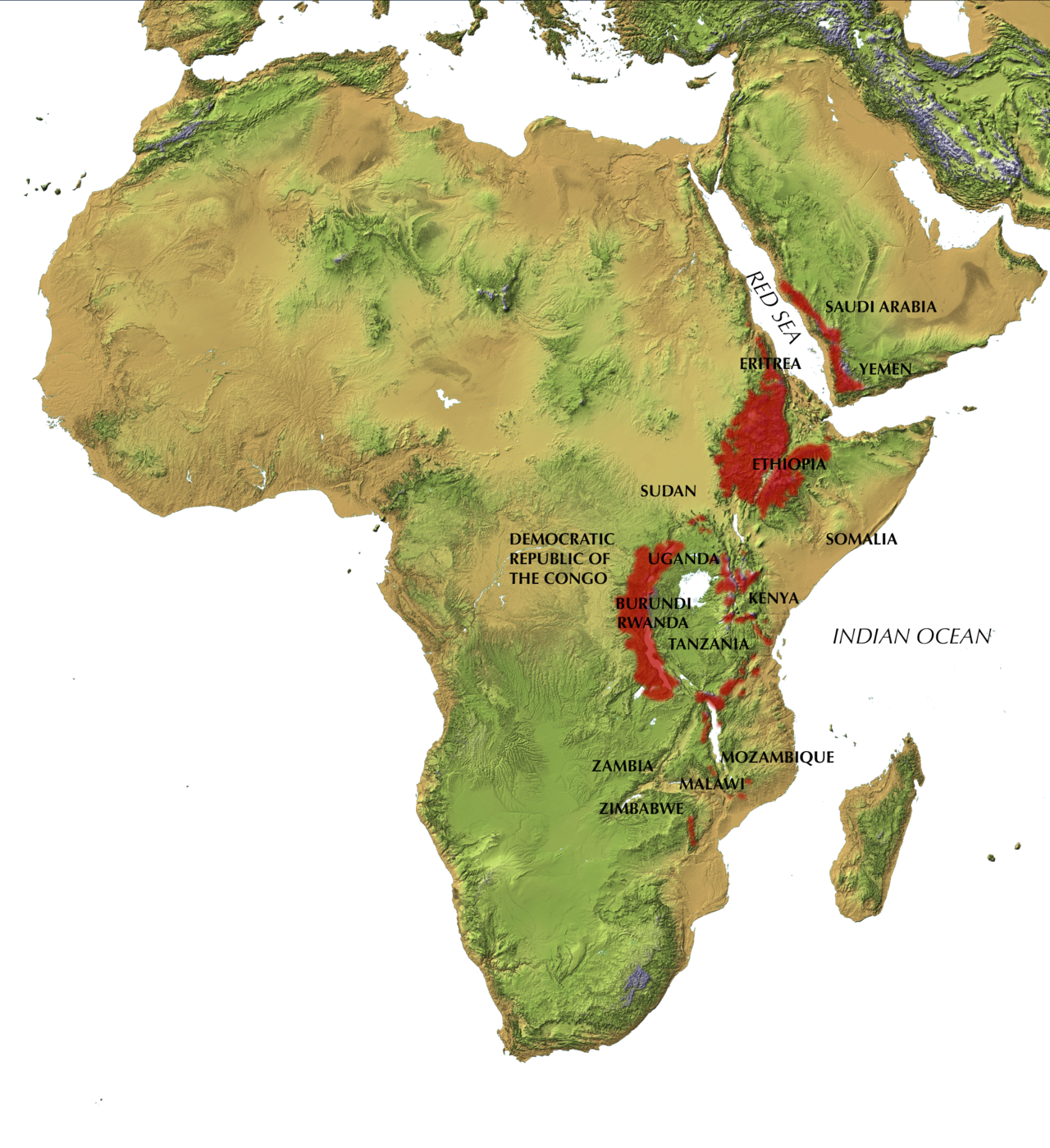
Africa has eight. They include the Cape Floristic Region, the Guinean Forests of West Africa and the Horn of Africa. The Eastern Afromontane is a chain of mountains. Madagascar and the Indian Ocean Islands count as one hotspot too.
Asia and the Pacific have the largest number. The Himalaya, the Western Ghats and Sri Lanka, the Philippines, Sundaland and Wallacea are all on the list. So are New Zealand, New Caledonia, Southwest Australia and the temperate forests of eastern Australia. Japan and the mountains of southwest China are hotspots in East Asia.
The list has been revised before, most recently to add the North American Coastal Plain. Scientists argue about borders, so the number could change again.
What lives in the Cape Floristic Region?
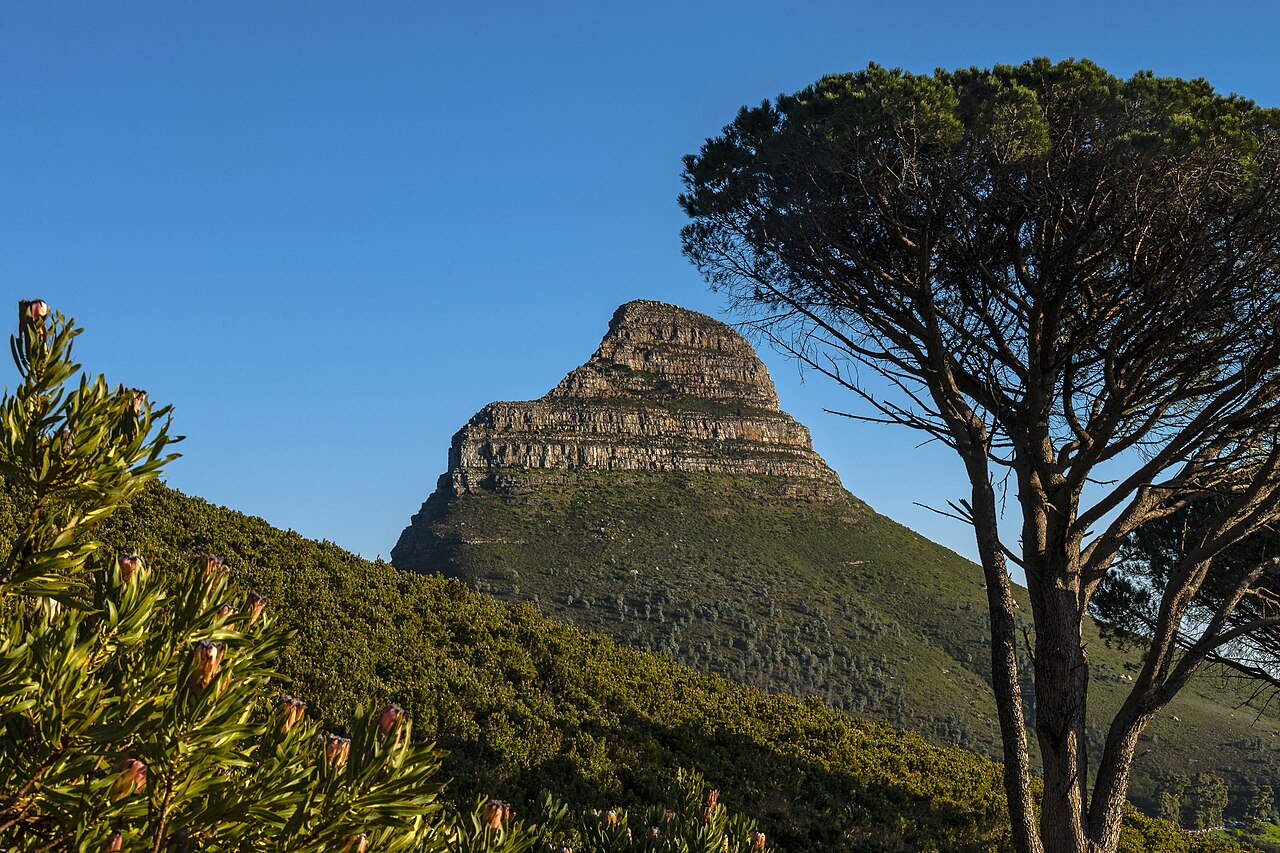
At the south-western tip of Africa, near Cape Town, lies one of the smallest and richest hotspots on Earth. The Cape Floristic Region is known for plants. Its main vegetation is , a mix of shrubs, proteas, heathers and reeds that grows on poor, sandy soil.
The region has about 9,000 plant species. About two thirds of them grow nowhere else. Table Mountain alone has more plant species than the whole of the British Isles.
How did so many species gather in such a small place? The soil is poor, and the climate has a hot dry summer and a mild wet winter. Plants there have adapted to specific places on the mountains. Over millions of years, one ancestor can split into many species, each suited to its own patch. The area also has a very long history without major climate swings.
That makes the Cape a kind of safe refuge. But it is under pressure from farms, vineyards, housing and the spread of invasive trees. Fire is natural in fynbos, but too many fires can harm it.
South Africa has three hotspots in all. The other two are the Succulent Karoo and Maputaland-Pondoland-Albany.
Why is Madagascar so unusual?
Madagascar and the Indian Ocean Islands form one of the best-known hotspots. The big island of Madagascar lies off the south-east coast of Africa. It broke away from Africa about 160 million years ago and from India about 88 million years ago. Since then its plants and animals have evolved in isolation.
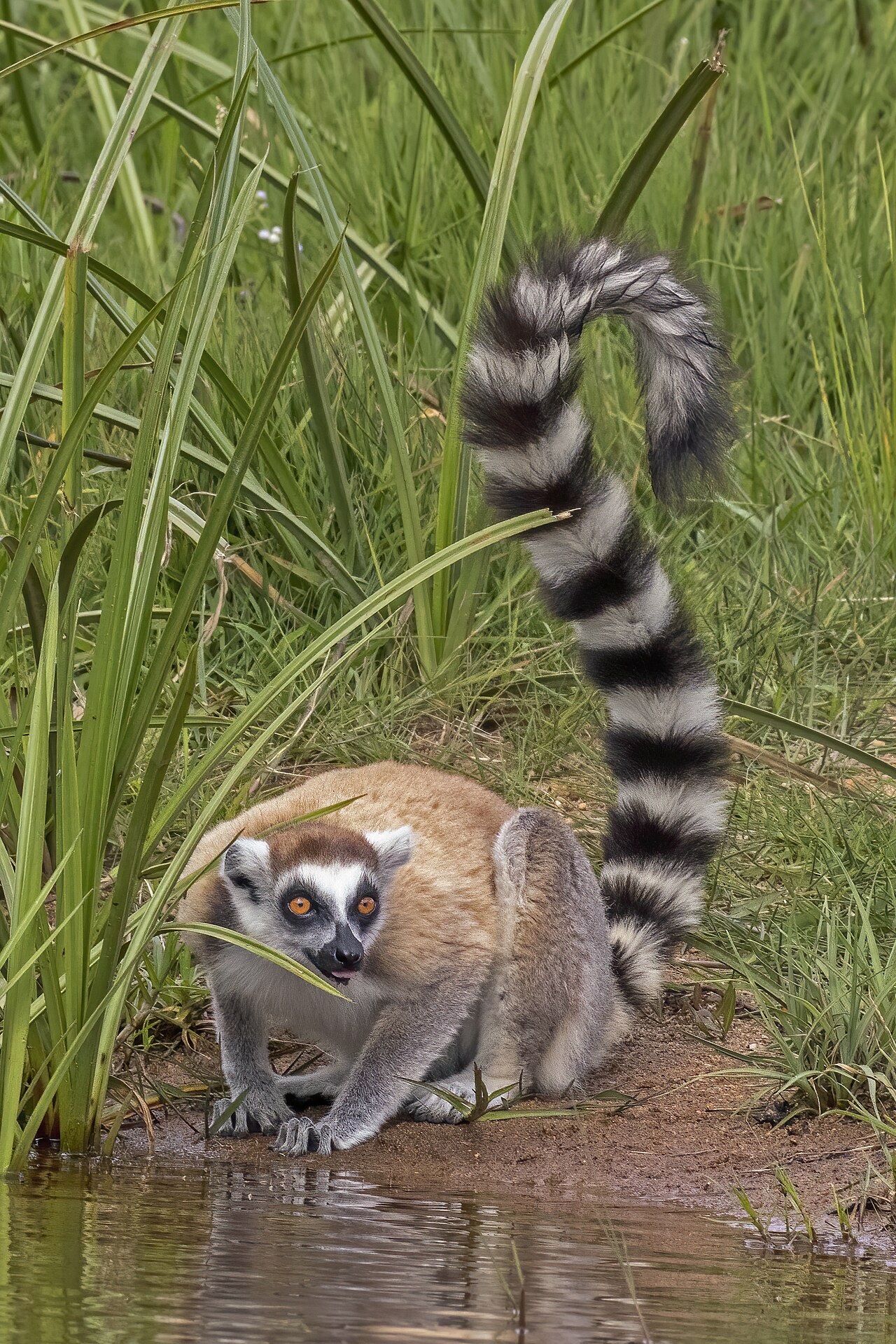
Isolation is the key. When a group of animals arrives on an island and cannot easily leave, its descendants change to fit new homes. Over millions of years they split into many new species. Lemurs are the famous example. They are a group of primates found naturally only on Madagascar. The ring-tailed lemur, with its striped tail, is the one most people know. The island also has chameleons, tenrecs and many unusual plants, including baobab trees.
Madagascar's dry deciduous forests and lowland rainforests have a high share of species. The word endemic is the key to understanding why hotspots matter. If Madagascar's forest is lost, lemurs and many other species will not survive anywhere else.
Much of the island's original forest has been cleared for farming, charcoal and logging. Only small patches of rainforest remain in places like Andasibe. This is why Madagascar is a priority for .
Why are some hotspots called old and buffered?
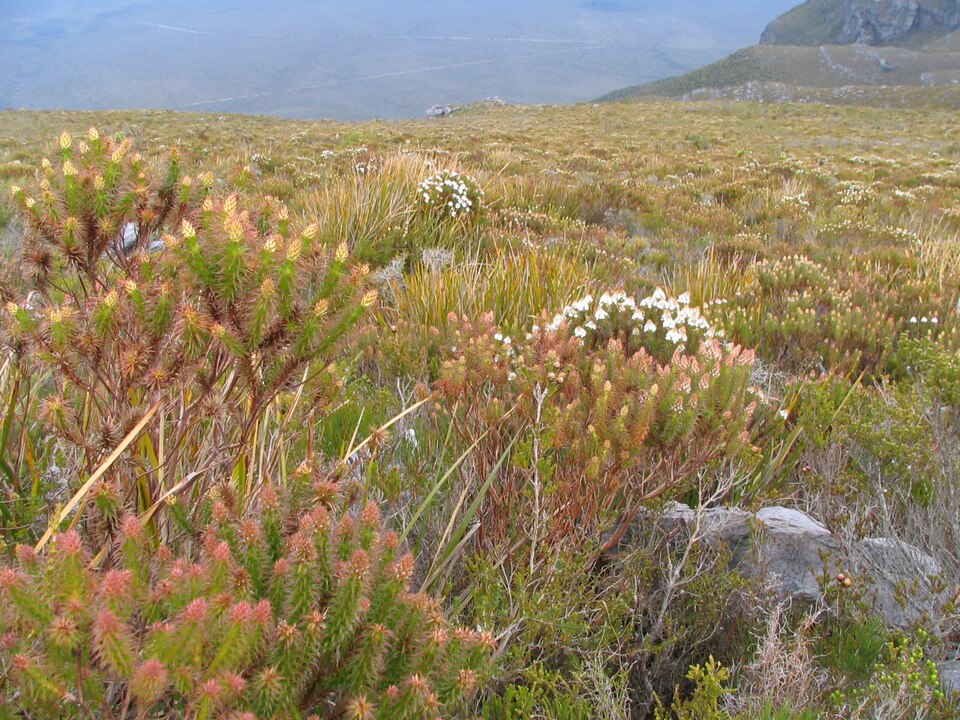
Of the 36 hotspots, 15 are a special type. Scientists call them old, climatically buffered, infertile landscapes, or OCBILs for short. Each word in that name tells part of the story.
They are old, because the land has been there for a very long time. They are climatically buffered, which means they have been shielded from big swings in climate. They are infertile, because their soil is poor in nutrients.
These places have been cut off from other climate zones for ages. That gave life a stable home. Species there could survive for a very long time, so the family lines are steady and long-lived. Places like this are called refugia, which means refuges where life can hang on while conditions change elsewhere. Scientists think they could also give rise to many new species in future.
In the past, poor soil protected them. It put people off farming there, so humans stayed away. That is changing. Now new settlers, the forced moving of indigenous groups and military activity are putting them under pressure. As a result, areas that were once safe are now at risk.
The idea has recently attracted attention because OCBILs are rich in species and also stable. That makes them valuable places to protect.
What is destroying the hotspots?
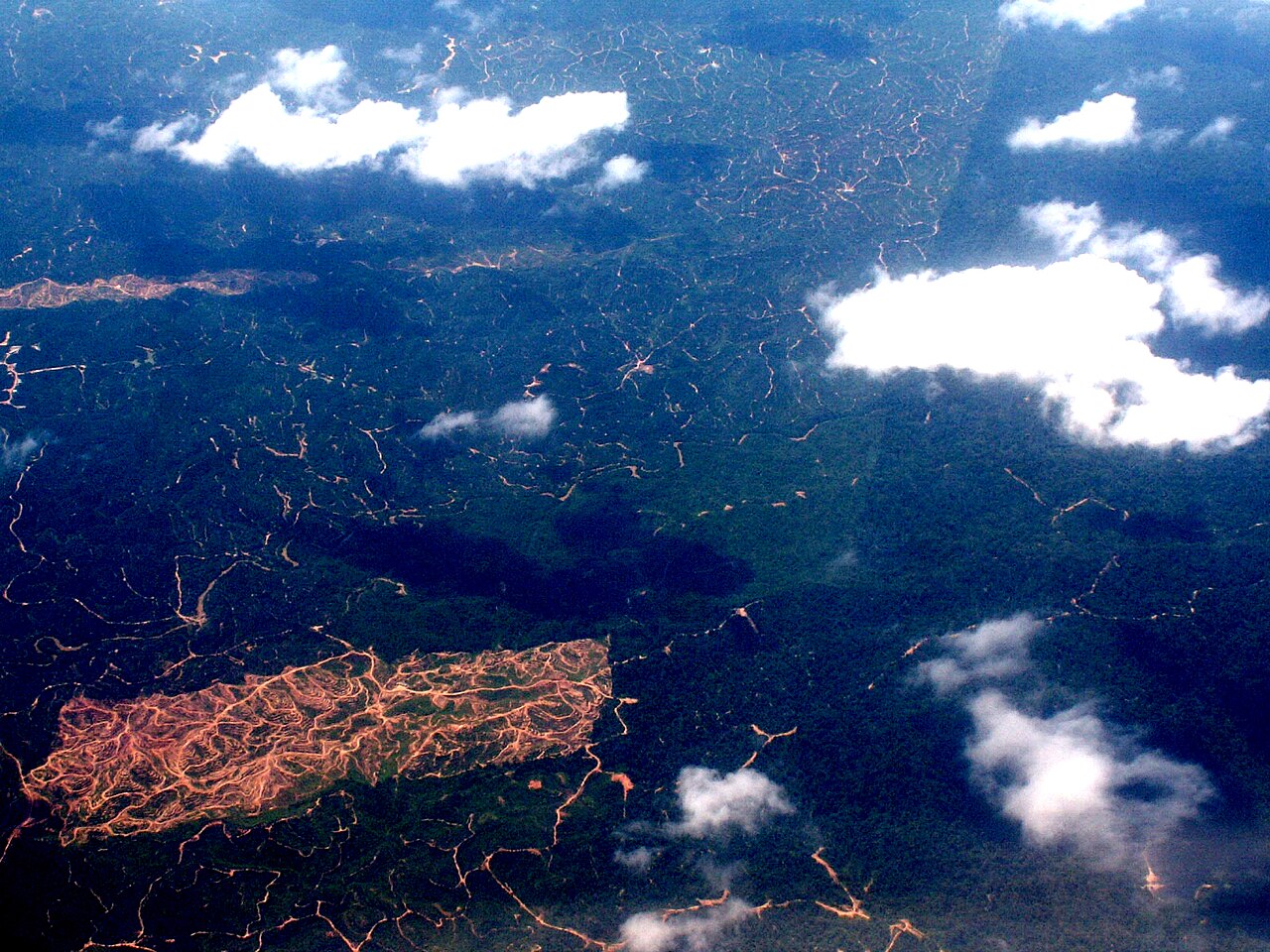
The main threat is loss, mostly through . That means clearing forest for farms, plantations, mines, roads, logging and towns. Hotspots are almost by definition in trouble. To qualify, a region must have lost at least 70 per cent of its original vegetation. Some have lost up to 95 per cent.
Some hotspots are in especially deep trouble. In the Caribbean Islands, rapid deforestation is hitting plants and land . Haiti and Jamaica are under serious pressure. Vertebrates are animals with backbones. The Tropical Andes, the Philippines, Mesoamerica and Sundaland, which covers Borneo and Sumatra, are also at risk. At the present rate of forest loss, they could lose most of their plant and vertebrate species.
Borneo shows how it happens. Forest is cleared for oil palm plantations. A plantation holds far fewer species than the forest it replaced. The animals that lived in the forest, such as orangutans, lose their home.
When a habitat is cut into small patches, the species in each patch are fewer and more vulnerable. That is why hotspots lose species even after the trees have gone. Some species may be lost before scientists have even named them.
Who is working to save them?
Only a small share of the land inside hotspots is protected today. Many organisations work to change that.
The Critical Ecosystem Partnership Fund gives money and expert help to local groups protecting hotspots and other rich regions. The World Wide Fund for Nature picked the Global 200 . This list of priority places covers 14 land, 3 freshwater and 4 marine types. Every hotspot contains at least one of them. BirdLife International has found 218 Bird Areas. Each has two or more bird species found nowhere else. It has also named more than 13,000 Important Bird Areas.
Other groups focus on single species. The Alliance for Zero Extinction updated its list in 2018 and now names 853 sites that hold the last known homes of species in the most danger. Plantlife International works on Important Plant Areas. In India, an authority called CAMPA aims to control the destruction of forests.
The hotspot idea has its critics. Some scientists, such as Peter Kareiva and Michelle Marvier in 2003, pointed out that it does not take cost into account. Protecting land costs more in some places than in others. It also ignores how different the evolutionary history of species is, which is called phylogenetic diversity.
No method is perfect. But hotspots remain one of the clearest ways to send money and effort to places where the most life is in danger.
Explore Next
Your audio story keeps playing while you look around.
Words to Know
- biodiversity hotspot
- A region with huge numbers of unique species that has lost most of its habitat.
- conservation
- Looking after nature so that living things and places survive.
- deforestation
- The clearing of forest, often for farming, wood or building.
- ecoregion
- A large area with its own typical plants, animals and climate.
- endemic
- Living naturally in one place and nowhere else.
- fynbos
- The shrubby plant life of South Africa's Cape region.
- habitat
- The natural home of a plant or animal.
- refugium
- A place where life survives while conditions change elsewhere.
- vascular plant
- A plant with tubes that carry water, such as a tree, fern or flower.
- vertebrate
- An animal with a backbone.