Species
Every kind of living thing has its own place in the tree of life.
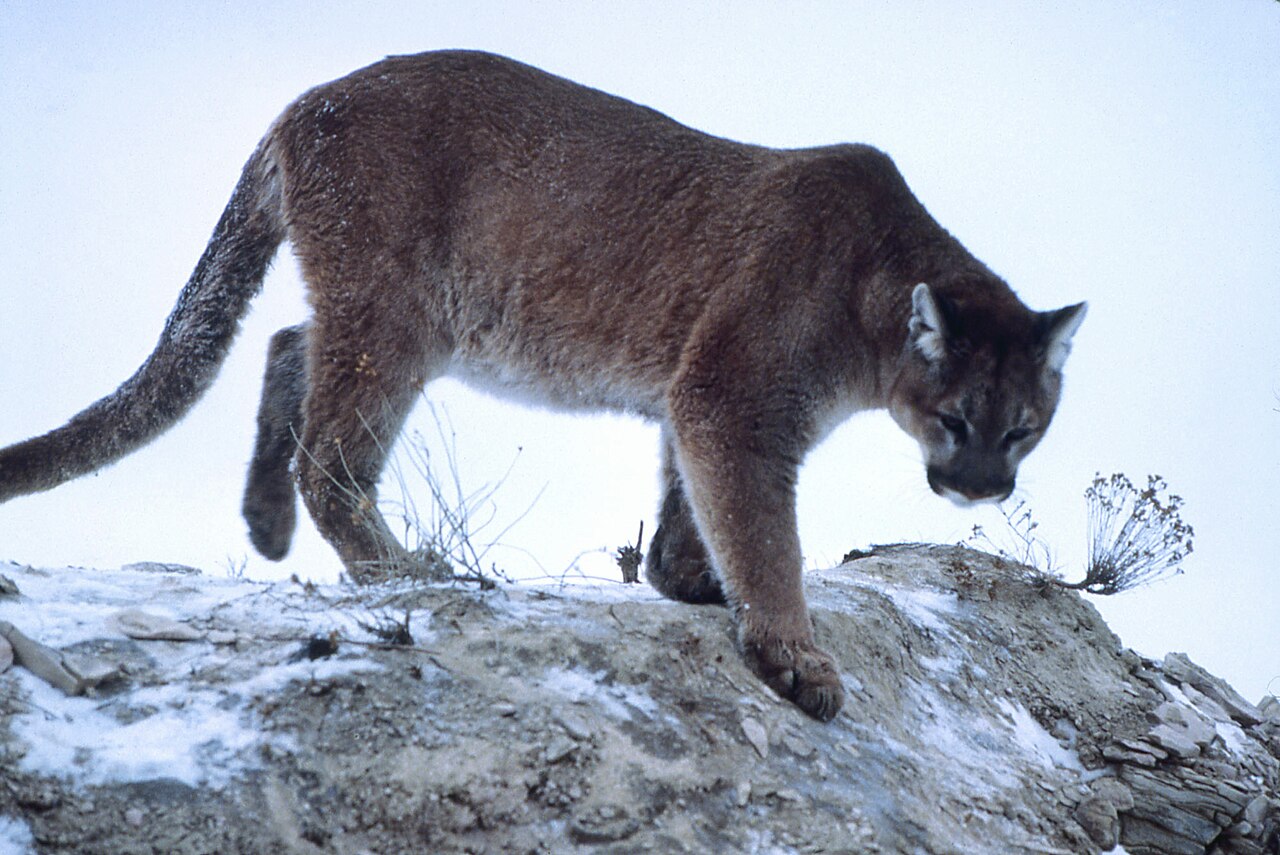
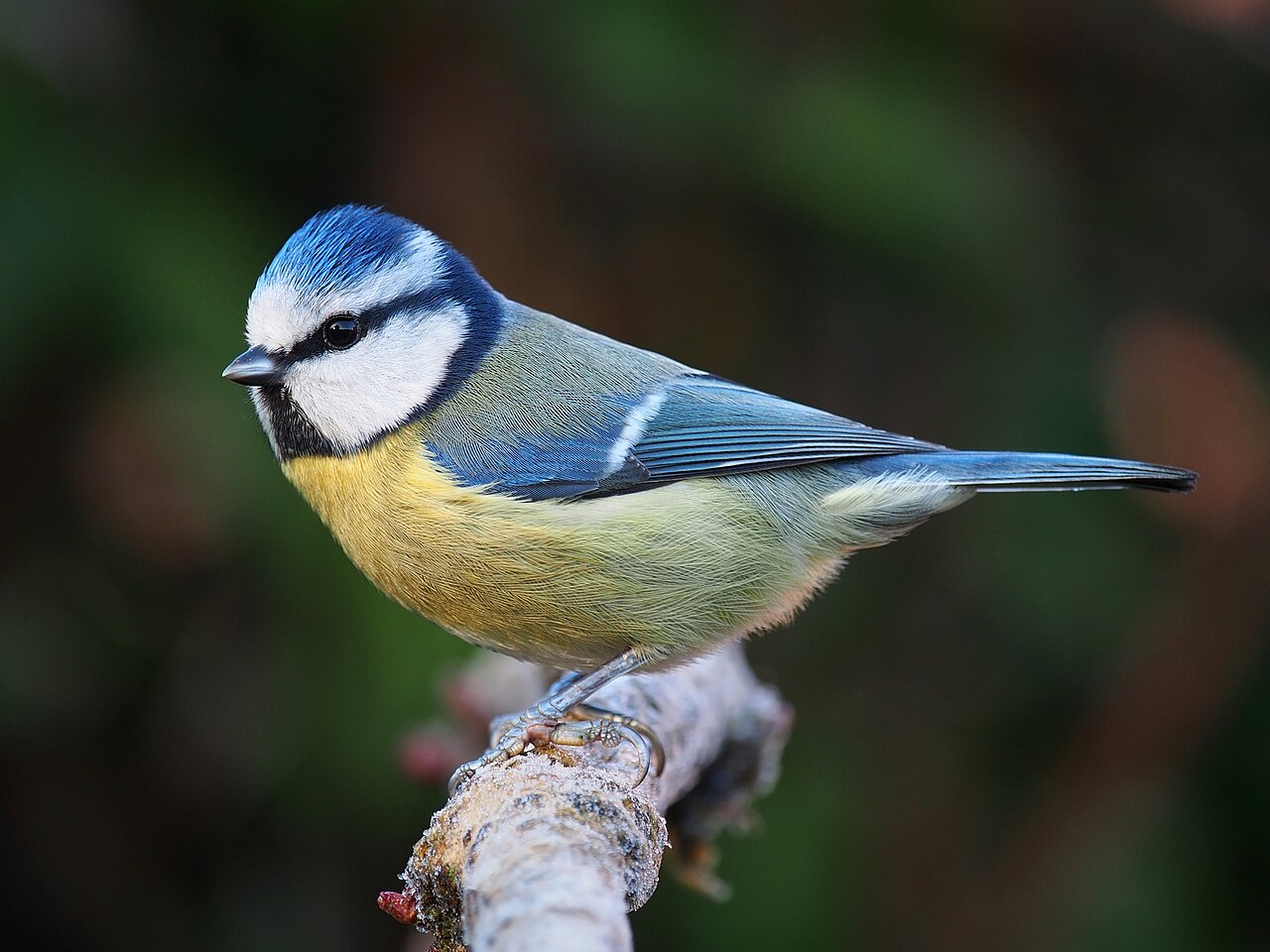
A blue tit, a mountain lion and a boa constrictor are three different kinds of living thing. Biologists call each kind a species. The idea sounds easy, but it is one of the trickiest in science. Charles Darwin wrote about the puzzle in 1859, and experts still argue about it today. Species are how we name, count and protect life on Earth. Scientists think there are around 8 million species of complex living things, and most have never been named. Even more have already vanished, because over 99 per cent of all the species that ever lived are extinct. So what makes one species different from the next?
What makes a species a species?
Look at a mountain lion, a blue tit and a boa constrictor. Each one belongs to a different kind of living thing, and biologists call each kind a . A species is the basic unit that scientists use to sort life. It is also a way to measure biodiversity, which means the variety of life on Earth.
The best-known definition is about breeding. A species is the largest group of living things in which any two members can mate and have fertile young. Fertile means the young can grow up and have babies of their own. This works well for animals such as lions and owls. It also works for us. People from anywhere in the world can have children together, so every human belongs to one species, Homo sapiens.
Scientists use other clues too. They compare body shape, DNA, behaviour and the job a living thing does in nature, which is called its ecological niche. Palaeontologists, who study fossils, cannot test whether long-dead animals could breed. So they rely on the shape of bones and shells.
How many species are there? Nobody knows. The most careful estimate for living things with a nucleus in their cells, called , is between 8 and 8.7 million. By 2011 only about 14 per cent of them had been described and named. Today about 2.1 million species of all kinds have been described, which is still only about a quarter of that estimate. Most of life is still waiting for a name.
Why does every species get a Latin name?
Everyday names are confusing. The word cat could mean the pet cat, Felis catus, or the whole cat family, Felidae. Names also change from place to place. In different parts of America, puma, cougar, catamount, panther, painter and mountain lion all mean the same animal. Yet the word panther can also mean a jaguar in Latin America or a leopard in Africa and Asia.
Scientists solved this with two-part names. The first part is the , a group of close relatives. The second part is the specific name, which picks out one inside that genus. Together they are called a . The mountain lion is Puma concolor. A boa constrictor is Boa constrictor, a species in the genus Boa. Names of genera and species are printed in italics. Every species gets one, and since 2021 even virus species have been given two-part names. Each name is meant to be unique and understood in every country.
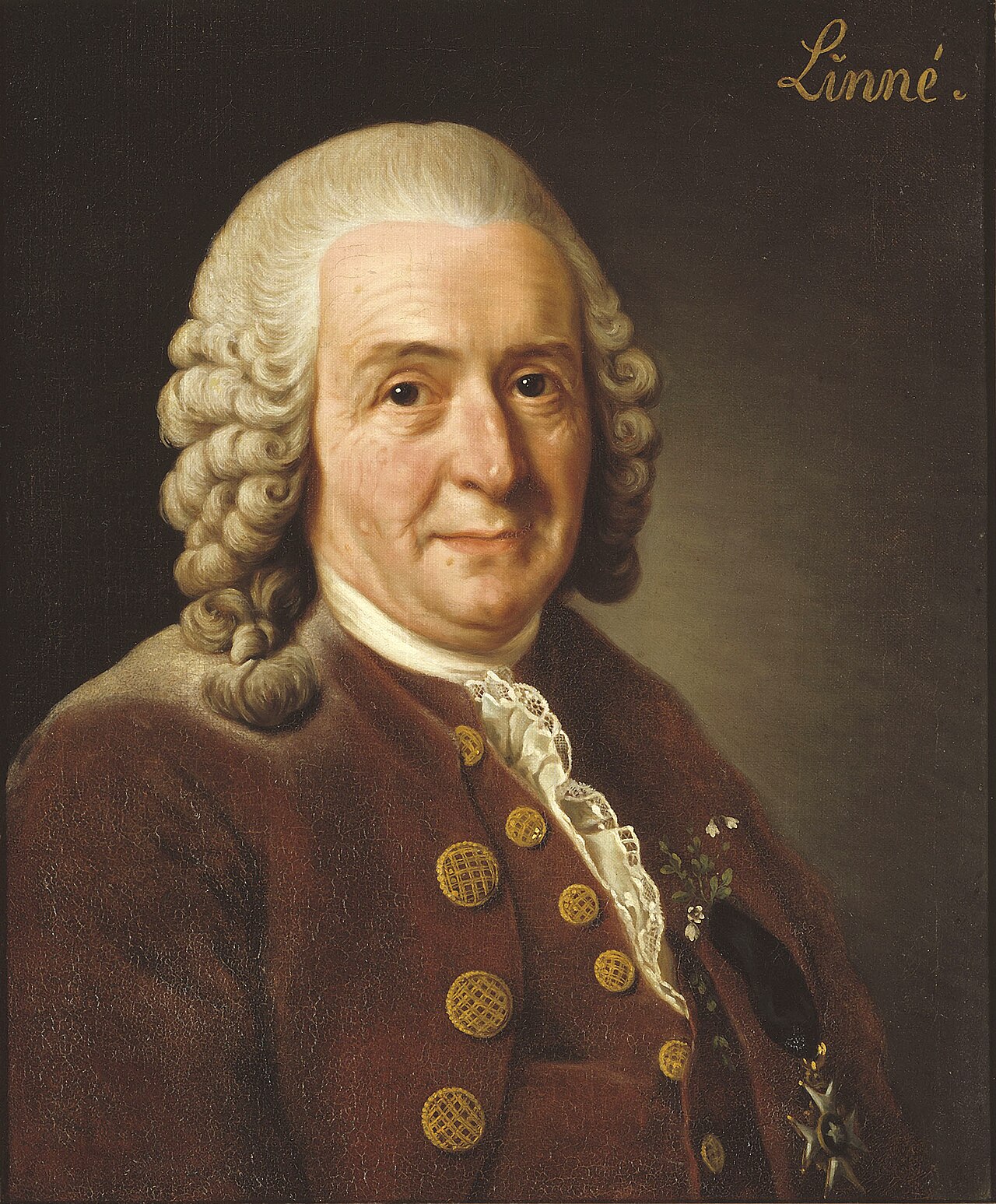
The Swedish scientist Carl Linnaeus made this system famous. He used two-part names for plants in 1753 and for animals in 1758. He grouped living things by the features they share. His method of sorting them into larger and larger groups is still the starting point for biology today.
Sometimes two scientists name the same species twice without knowing. When that happens the older name wins and the newer one becomes a junior synonym. Scientists who merge groups are called lumpers. Those who split them into more species are called splitters.
Who first asked what a species is?
The ancient Greek thinker Aristotle used two words, genos for a kind and eidos for a form inside a kind. In Latin these became and . For example, birds were a kind, and the crane, eagle and sparrow were forms of bird. Aristotle believed that every form was fixed and never changed. His ideas stayed influential until the Renaissance.
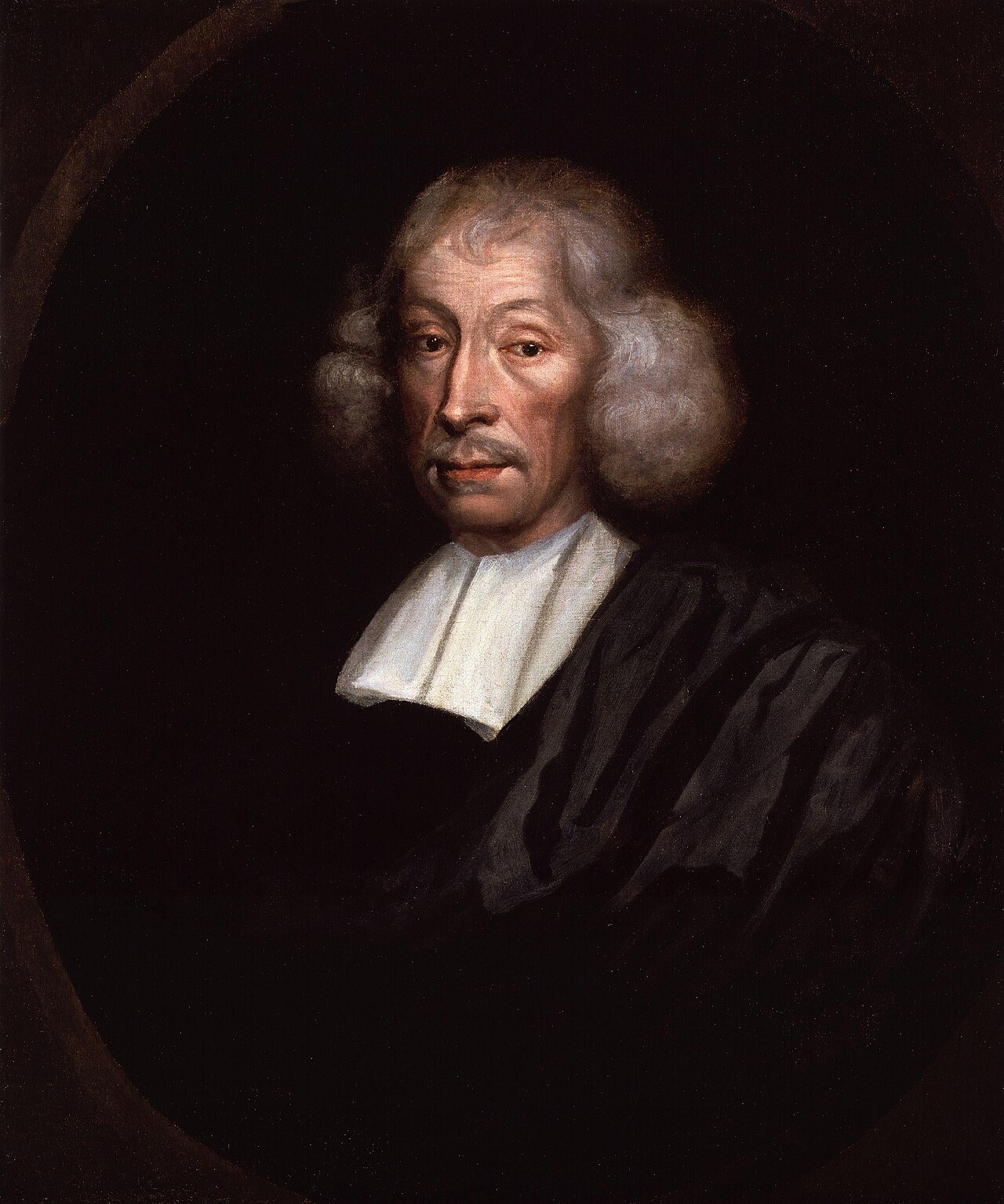
In 1686 the English naturalist John Ray made the first attempt at a biological definition of species. He argued that species breed true. A parent passes its form to its young, even if small variations appear. Linnaeus came next. He noticed that , which are the young of two different species, could exist. So he accepted that species might change a little. Yet he still believed that each species was made fixed by God.
Then the idea of fixed species broke down. In 1809 the French naturalist Jean-Baptiste Lamarck suggested that species could change over time. In 1858 Charles Darwin and Alfred Russel Wallace together described how new species form. A year later Darwin published On the Origin of Species. He showed that populations, not single animals, change from one generation to the next because of natural selection.
This meant that a species could no longer be a fixed box. Darwin wrote that species are ideas that are useful for naming groups of animals that interact. The boundaries are not sharp, because life is always changing.
Can two species have babies together?
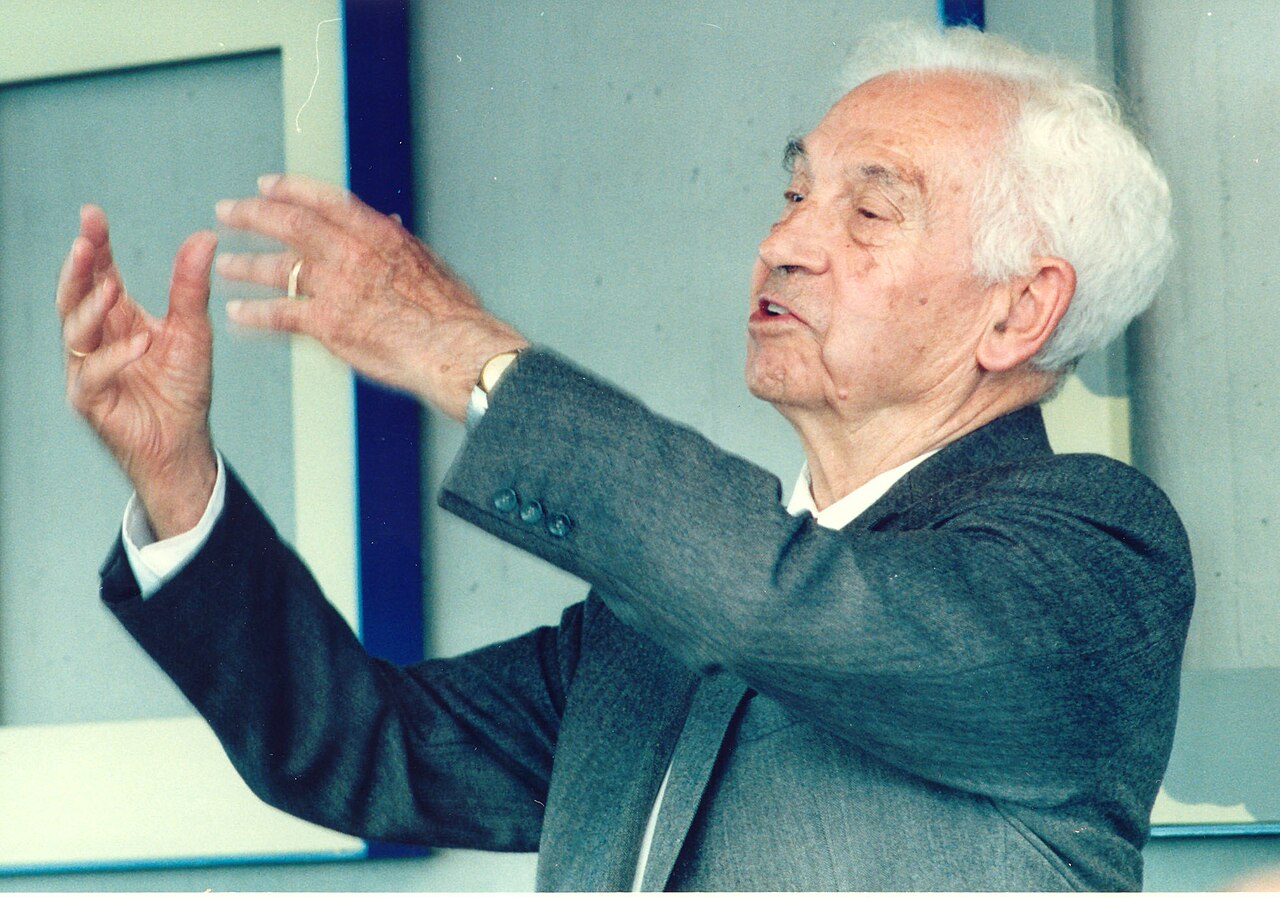
In 1942 the biologist Ernst Mayr gave the definition that most school textbooks still use. It is called the biological concept. Mayr wrote that species are groups of populations that actually or potentially breed with each other, and are cut off from other such groups. The cut-off is called reproductive isolation. The word potentially matters here. It means the animals could breed, even if they do not meet.
Why is this a good idea? Breeding with a partner mixes the genes of a population in every generation. So all the members share the same pool of genes and change together. A group that no longer mixes with others follows its own path.
A famous example is the mule. It is the young of a horse and a donkey. Horses and donkeys are different species, and mules are almost always sterile, which means they cannot have babies. So the two species stay apart.
But the rule has limits. Some pairs are never likely to meet, such as animals on different continents. Scientists cannot easily test whether they could breed. Some animals can mate in a zoo but never do in the wild. Fossils cannot be tested at all. Other ideas are therefore needed. Biologists have counted about 24 to 26 different species concepts. The philosopher John Wilkins sorted them into 7 basic kinds, such as species of the same ancestor line, species with the same genes, and species with the same shape.
What happens when the rules break?
Nature does not always follow tidy rules. Scientists call this the problem. Darwin noticed it back in 1859.
Some living things do not mate at all. Bacteria and many other single-celled organisms copy themselves. Each family line is almost its own tiny species, so the breeding rule has no meaning for them. Many plants also reproduce without a partner.
Other species hybridise, which means they mate with another species and have fertile young. The carrion crow and the hooded crow look different and count as separate species. Yet they mix where their ranges meet. Plants can form huge groups of near-identical microspecies. In Britain alone, the blackberry has perhaps 400 microspecies and the dandelion has more than 200.
Then there are . Imagine a chain of populations around a mountain or an ocean. Each population can breed with its neighbours. But the two ends of the chain, which meet at the same place, cannot breed with each other. Proposed examples include the herring gull and lesser black-backed gull around the North Pole, a group of 19 salamander populations in America called Ensatina, and the greenish warbler in Asia. Many supposed ring species turned out to be a mistake, so some experts doubt that any are real.
One scientist, Brent Mishler, even argued that the whole idea of species is not valid, because genes flow between groups bit by bit. Most biologists still find the idea too useful to give up.
How does one species turn into two?
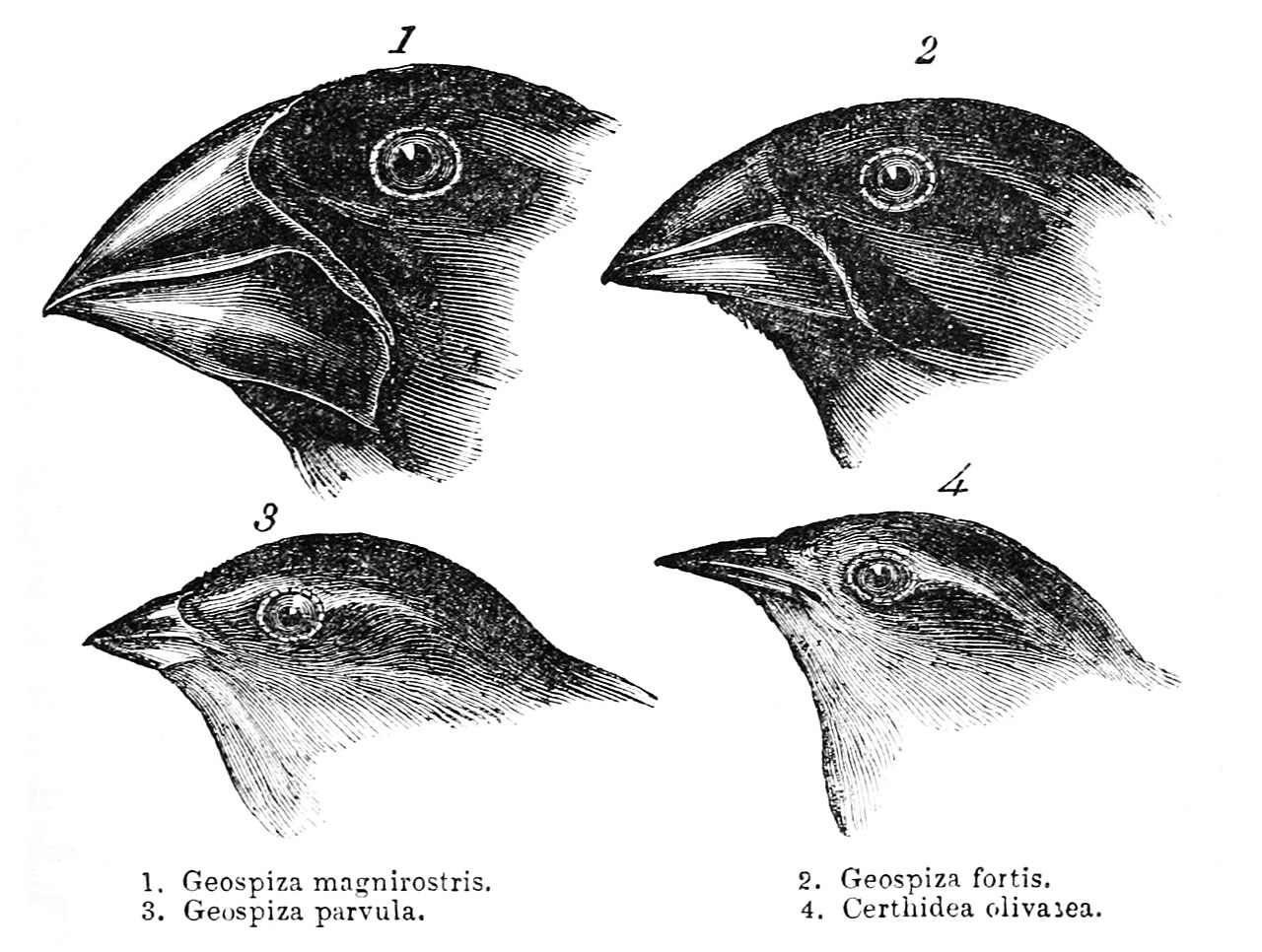
The process that creates new is called . Darwin was the first to describe the part that natural selection plays in it.
The key ingredient is a break in the sharing of genes. The easiest way is geography. Imagine a group of birds that gets split by a rising sea, a new mountain range or a journey to a faraway island. The two groups no longer meet. Over many generations, mutations, which are small random changes in DNA, build up in each group. Each group also meets different food, weather and enemies, so natural selection pushes them in different directions. At some point they are so different that they would no longer breed, even if they met again. This is called allopatric speciation.
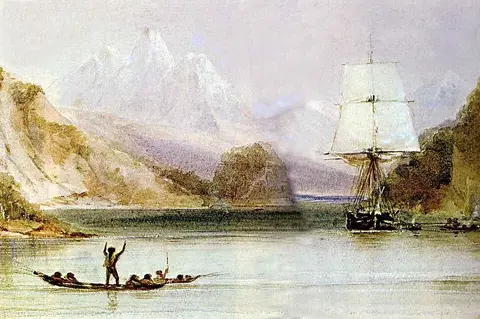
The finches that Darwin collected on the Galapagos Islands became a famous example. These closely related birds have beaks of many shapes, each suited to a different food. Another way new species appear is when a plant gets extra sets of chromosomes, a change called polyploidy. A new species can arise quickly this way. Hybridisation can sometimes do it too.
A different process is called phyletic speciation. One species slowly changes into a new form over a very long time, without splitting in two. Palaeontologists call the result a .
How do scientists describe a new species?
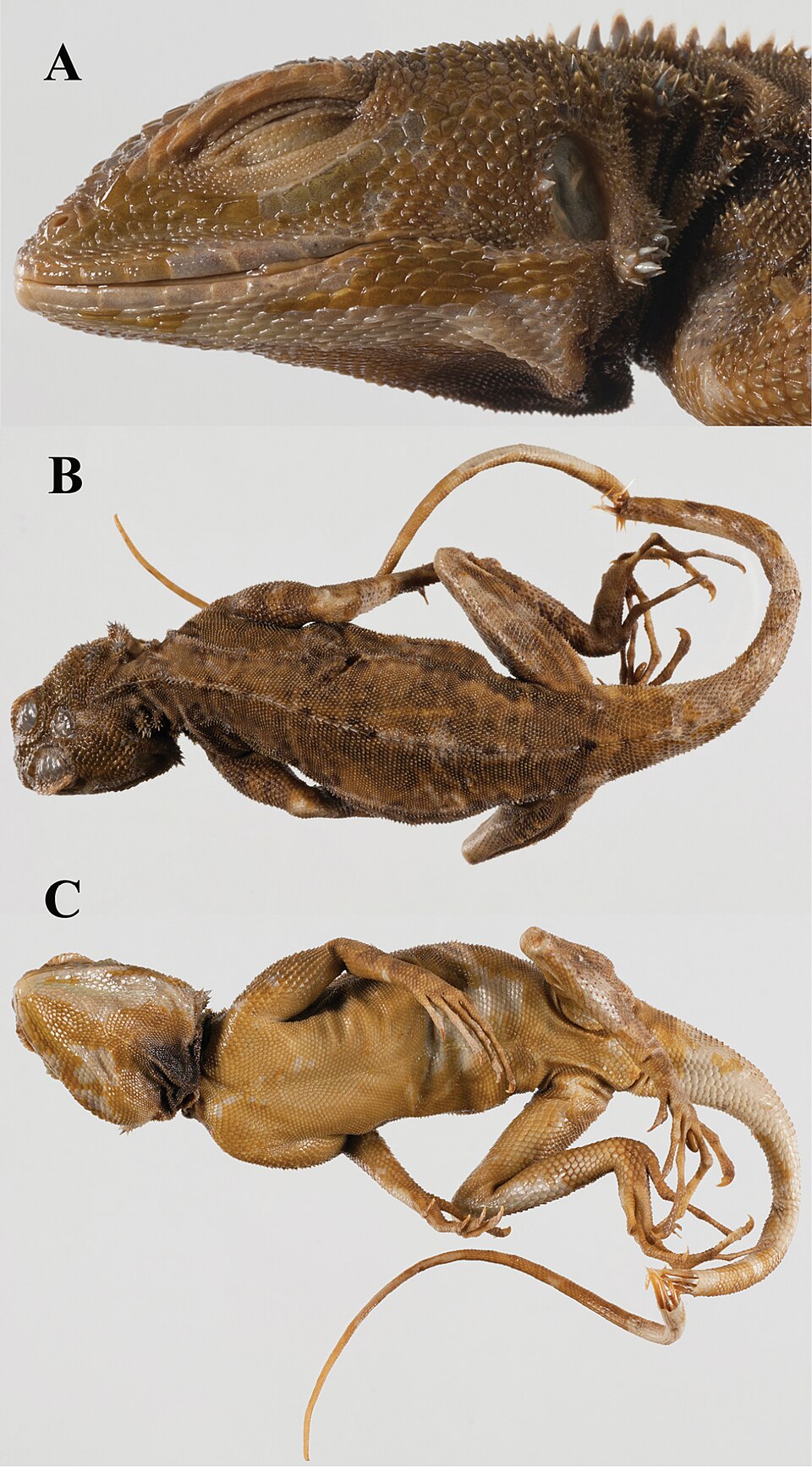
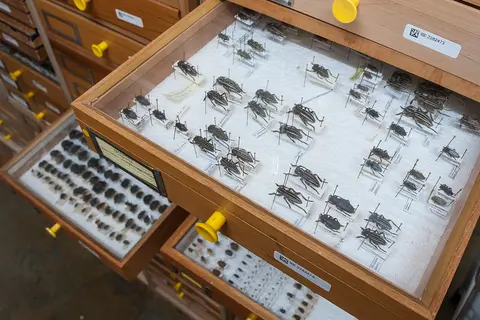
To make a official, a scientist must describe a . This is a real example of the animal or plant. The description is published in a paper that gives the species a unique name. It must say how to tell the new species from its close relatives. The type specimen is kept in a museum or university collection, so other scientists can check it later. The rules ask that names are appropriate, compact, memorable and do not cause offence.
For most of history, scientists compared shapes, such as the length of a tail or the pattern on a wing. Field guides still do. But looks can fool you. Two species can look almost the same, which are called cryptic species. One species can also look very different at different stages of life.
Today, DNA helps. In , scientists read a short, standard piece of DNA, much like a shop scanner reads a barcode. A database called the Barcode of Life Data System holds barcodes from hundreds of thousands of species. For bacteria, scientists can compare whole genomes, which are complete sets of DNA. Since 2020, all sequenced bacteria and archaea have been sorted into species this way.
Still, none of these methods works perfectly for every living thing. Scientists often combine several kinds of evidence.
What happens when a species dies out?
A is when its last individual dies. It can be doomed sooner than that. Scientists call it functionally extinct when too few are left to keep the species going.
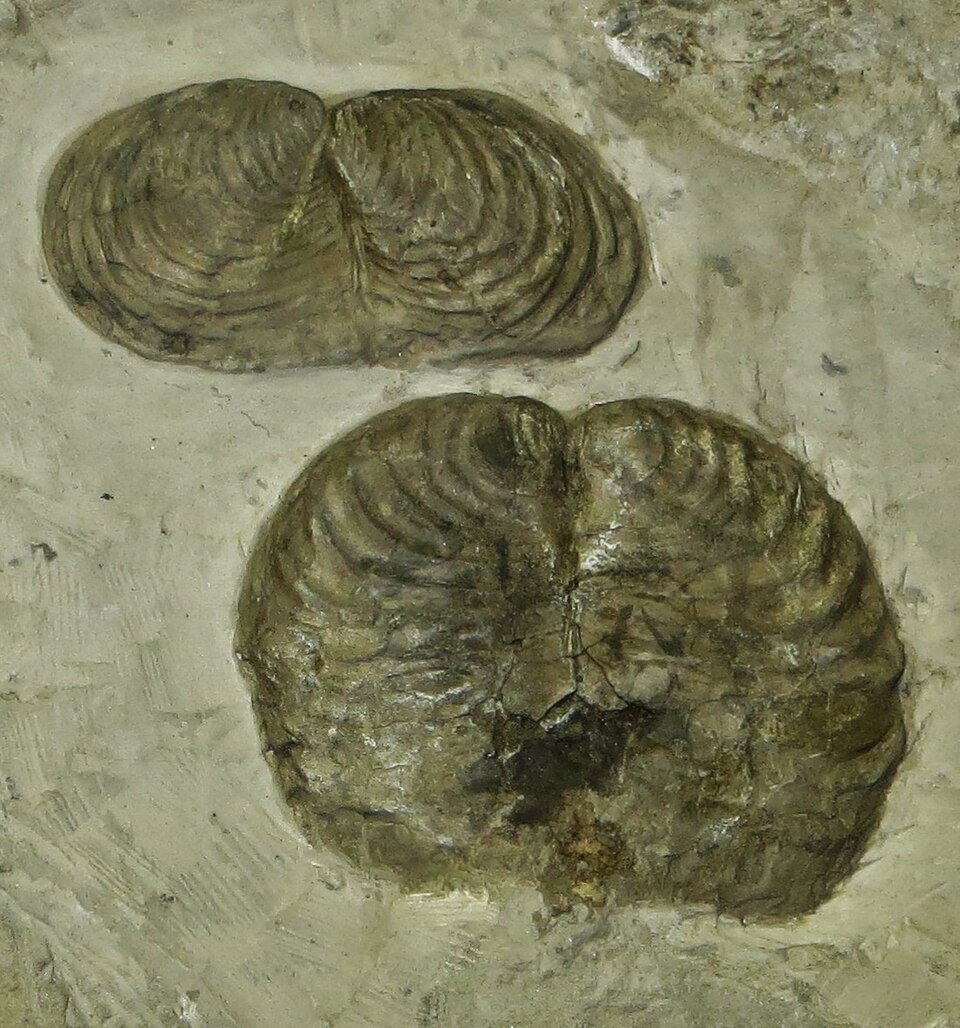
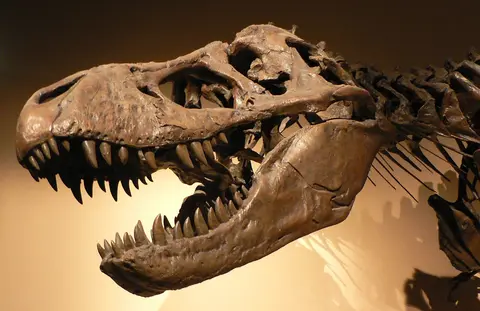
Extinction is normal in the history of life. It is estimated that more than 99 per cent of all species that ever lived are now extinct. That is about 5 billion species. Fossils are the main evidence. They show animals such as the bivalve Inoceramus, a shellfish that is long gone.
Some extinctions happened all at once. Mass extinctions took place at the end of the Ordovician, Devonian, Permian, Triassic and Cretaceous periods. The causes included volcanic eruptions, climate change and changes in the chemistry of the oceans and air. Each one changed the ecology, atmosphere, land and water of the planet.
Species can also vanish when two merge into one by hybridisation. Scientists call the result a compilospecies.
Laws in many countries protect species at risk. This is why the name of a species can matter in court. In North America the northern spotted owl is protected. It hybridises with the California spotted owl, which is not, and with the barred owl. That has led to legal arguments about which birds the law covers.
Why does counting species matter?
A is not a perfect model of life, but it is a very useful tool. Conservationists need to know which species exist, how many there are and where they live. If they cannot sort living things reliably, their counts become unreliable too.
The way scientists define a species changes the answer. One study found that surveys using a phylogenetic species concept, which splits groups by their family tree, reported 48 per cent more species than other surveys. That also means smaller populations and smaller ranges for each one. This is called taxonomic inflation. It can make it look as if more species are endangered when little has changed. Some scientists say splitting species is useful, because small groups then qualify for protection and money. Others think it makes taxonomy unstable.
Because species are not all comparable, some researchers say that counting them is not the best way to measure biodiversity. They suggest measures based on the family tree of life instead.
So a species is both a real feature of nature and a decision that people make. As new evidence arrives, names change, groups merge and new species are discovered. With about 8 million species of thought to exist, and the great majority unnamed, there is plenty left for the next generation of scientists to find.
Explore Next
Your audio story keeps playing while you look around.
Words to Know
- binomen
- The two-part scientific name of a species, such as Boa constrictor.
- chronospecies
- A species in the fossil record that slowly changes into a new form over time.
- DNA barcoding
- Using a short, standard piece of DNA to identify a species.
- eukaryote
- A living thing whose cells have a nucleus.
- extinct
- No longer alive anywhere, because the last member has died.
- genus
- A group of closely related species, such as Puma or Boa.
- hybrid
- The young of parents from two different species or kinds.
- ring species
- A chain of populations where neighbours breed but the two ends cannot.
- speciation
- The process by which one species splits into two or more.
- species
- The basic kind of living thing, often a group that can breed together and have fertile young.
- type specimen
- The real example of a species that scientists use when they first name it.