Habitat
Every living thing has an address, from a mountain ledge to a rotting log.
A habitat is the place where a living thing finds everything it needs to survive and raise its young. It supplies food, water, shelter and the right temperature. A habitat can be huge, like an ocean. It can also be tiny, like a clump of moss or the inside of a fish. Some animals can live almost anywhere. Others can survive in only one kind of place, and if that place vanishes, so do they. Habitats form, change and disappear, through volcanoes, floods and ice ages, and now through human actions too. Understanding habitats explains where life lives, why it lives there, and how we can keep it safe.
What is a habitat?
A is the natural home of a living thing. It is the kind of place where a plant, an animal or a microbe can find food, water, shelter and the right conditions to grow and have young. The word comes from the Latin habitare, which means to inhabit, and people have used it in English since about 1755.
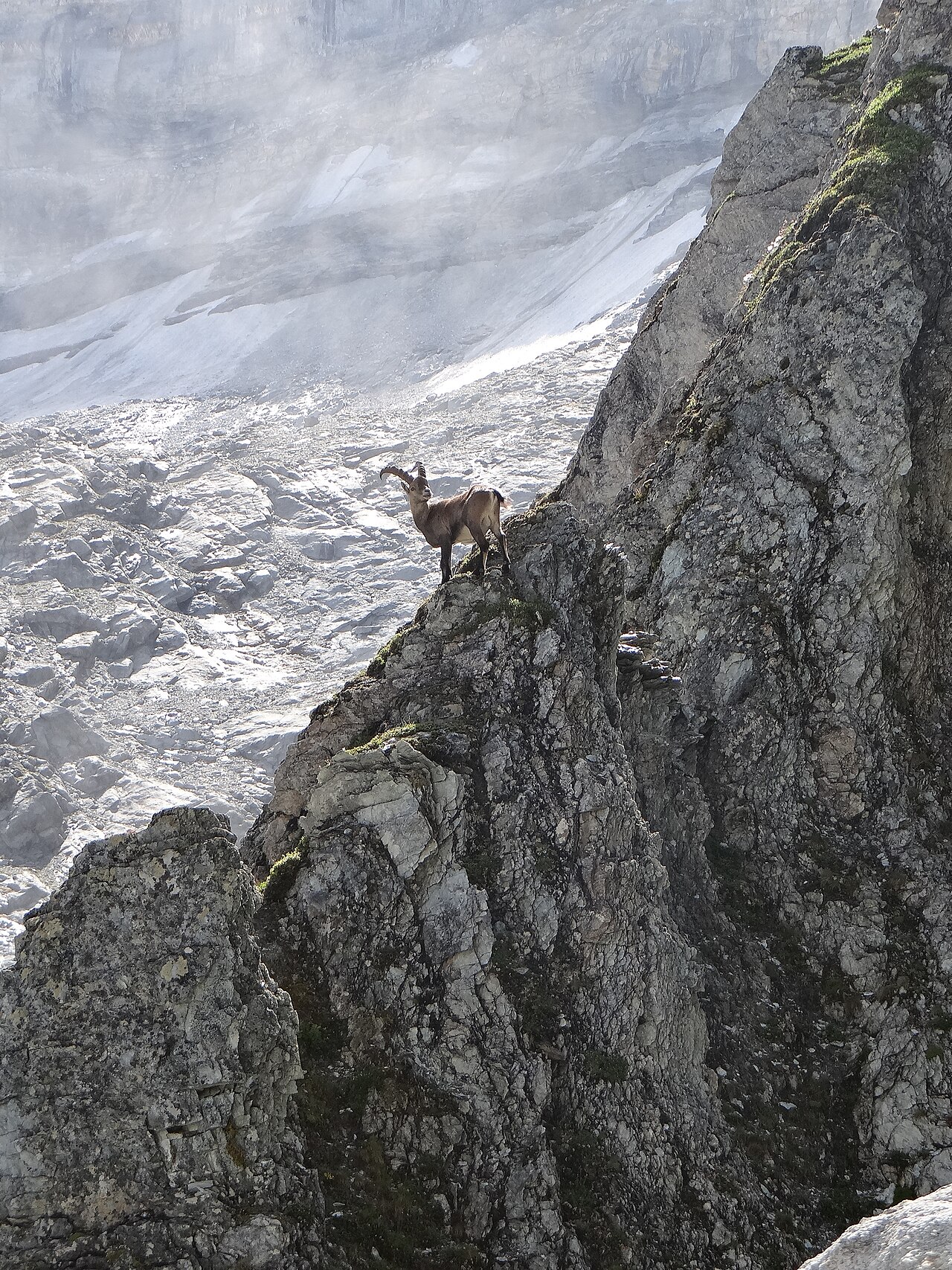
The key idea is that a habitat belongs to a particular species. A polar bear's habitat is sea ice and Arctic coast. A fish's habitat is a river or sea. An ibex, a wild goat with huge curved horns, makes its habitat on steep, rocky mountain slopes where few predators can follow.
Scientists also talk about habitat types. A habitat type describes a kind of place, such as a forest or a coral reef, and many different species may share it. So the forest is a habitat type, while the particular patch of leaf litter where one beetle lives is that beetle's habitat.
A habitat does not have to be a big stretch of land. It can be the inside of a plant stem, a rotten log, a rock or a clump of moss. For a parasite, which lives on or inside another living thing, the habitat is the body of its host. Some parasites live in the gut, and others live inside a single cell.
Some species are . They can thrive in many kinds of place. Others are that need a very narrow set of conditions. Specialists can be amazing, but they are also the easiest to lose.
What does a living thing need from its home?
Every is a mix of non-living and living ingredients. The non-living ones include temperature, moisture, soil and light. Living ones include the food on offer and whether predators are around. Together, these decide which species can settle in a place and which cannot. Animals usually depend on particular kinds of plants, so a change in the plants soon changes the animals.
Some species are easy to please. The small white butterfly lives on every continent except Antarctica. Its caterpillars eat many plants from the cabbage family, and it thrives in any open place with a mix of plants.
The large blue butterfly is far fussier. In Britain and Europe it lives only on chalk grassland. Its caterpillars eat wild thyme at first, and then they need a particular kind of red ant, Myrmica, to carry them into the ant nest. No ants, no large blues. The large blue became extinct in Britain in 1979. Scientists then found that its caterpillars survive in the nests of just one species, Myrmica sabuleti, and that this ant needs short, grazed grass. Once the grassland was managed to suit the ants, the butterfly was reintroduced from 1983, using stock from Sweden. This is a , and it shows why a small change to a habitat can matter so much.
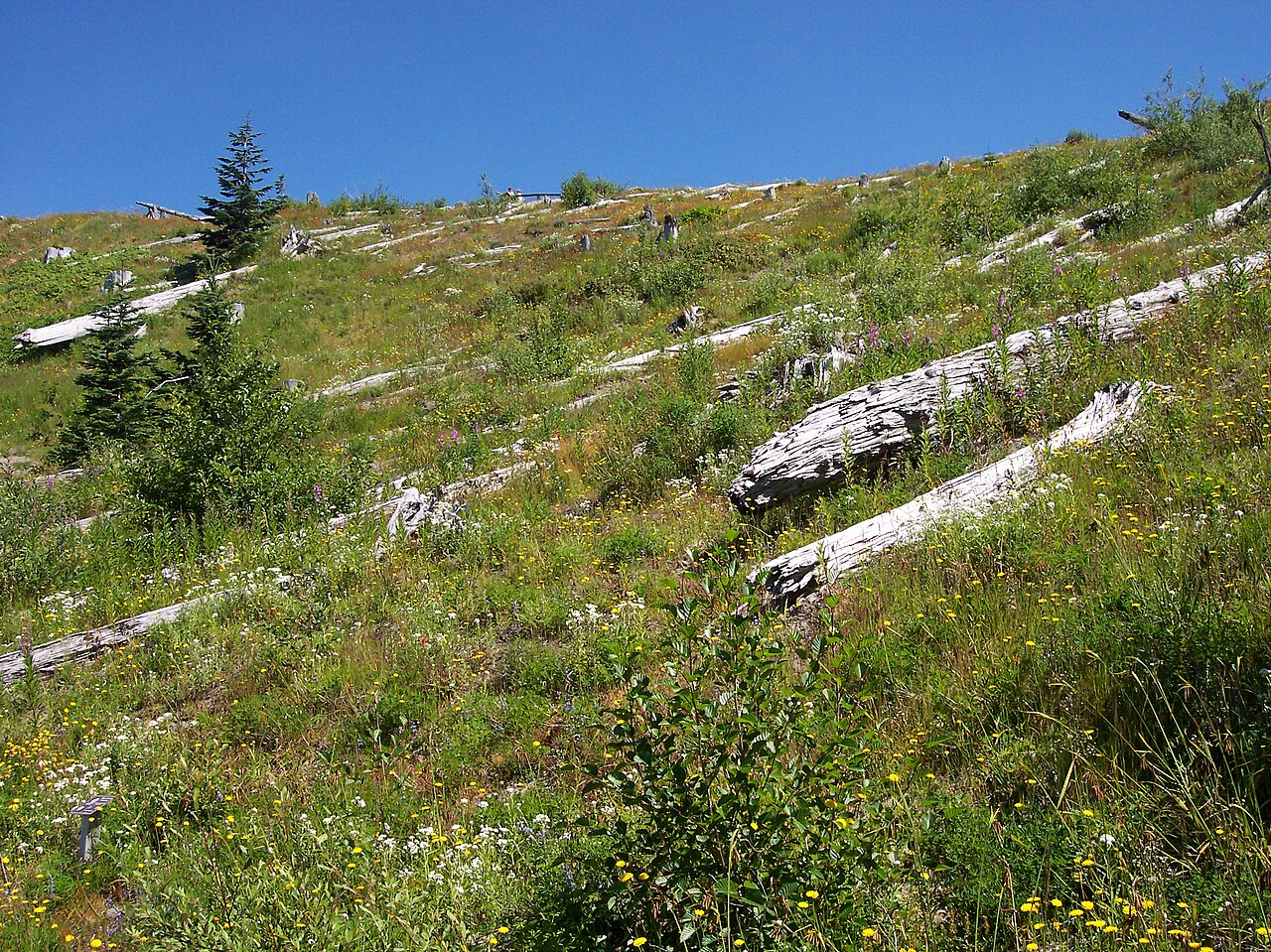
Surprisingly, habitats often need disturbance to stay rich. If nothing ever disturbs a place, a few dominant plants take over and crowd out the rest. A lightning strike or a fallen tree in a tropical forest opens a gap in the shade. Fast-growing pioneer species then rush in. On the coast, a storm can sweep away a kelp forest and leave bare rock for new seaweeds and animals. Wildflowers, too, often need patches of bare ground to sprout.
How do animals survive in deserts and drying ponds?
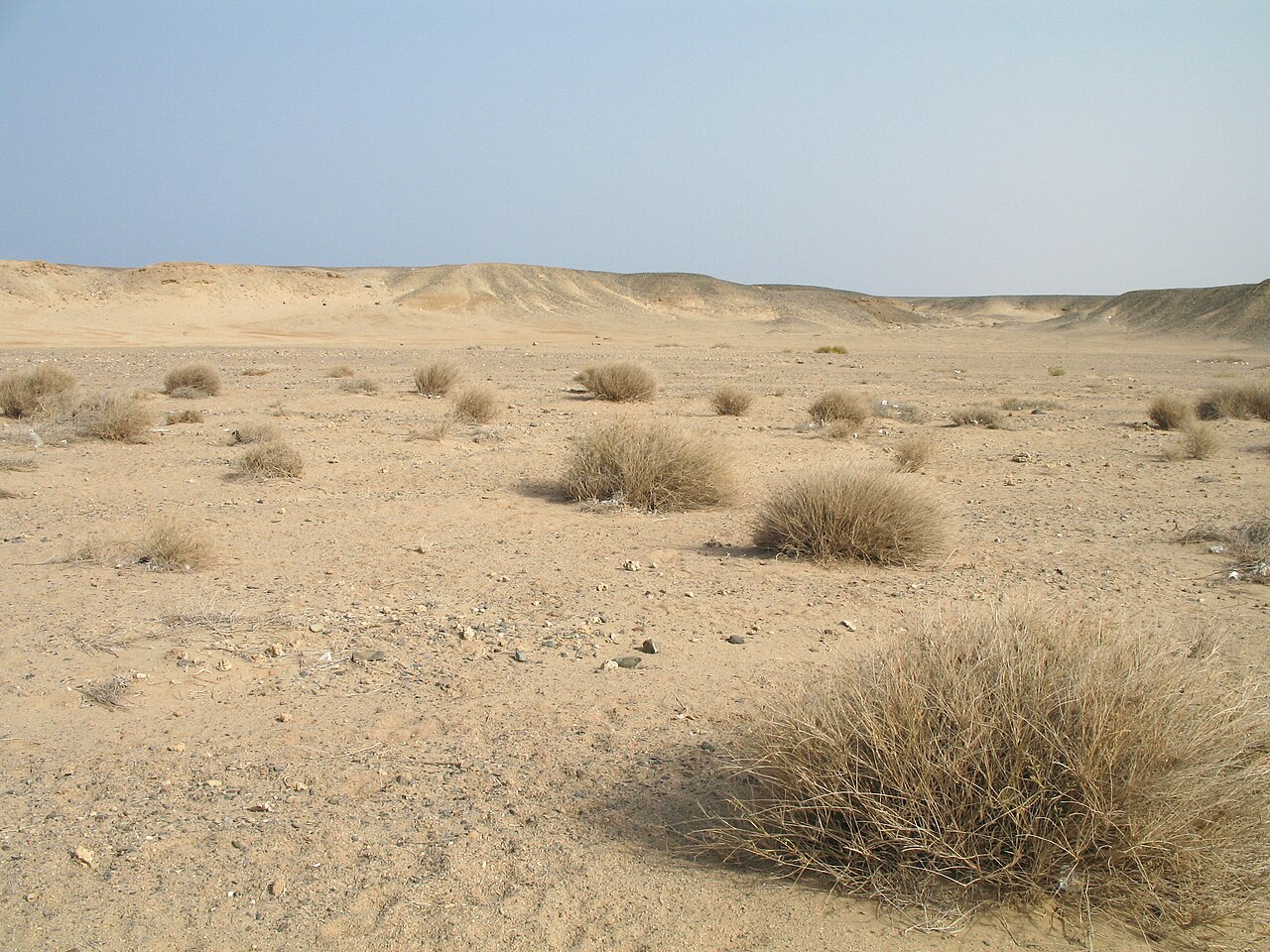
An is one with very little available water. The driest are the deserts, but the group also includes steppe, savanna and polar desert, where water is locked up as ice. Even foggy deserts count, because fog can be the only moisture there is.
Living in the dry takes clever tricks. Some desert frogs dig underground and make a damp chamber for themselves. They stay still in a kind of deep sleep until conditions improve. Couch's spadefoot toad of North America waits in its burrow until a heavy rainstorm. Then it climbs out and lays eggs in the temporary pools that form. The tadpoles race through their growth, sometimes in only 9 days, before the water vanishes. They then change into toads, eat greedily and dig burrows of their own.
The same problem faces life in temporary ponds. Vernal pools fill in the rainy season and dry out afterwards. Most of their plants are annuals, which die each year but leave seeds that survive the drought. Fairy shrimps lay special winter eggs that can resist drying out. The wind may blow them to new hollows, and they can stay dormant for as long as 15 years. Some killifish do something similar. The adults may all die when the pond dries, but eggs wait in the mud, and when the rain comes they hatch and grow at astonishing speed.
What lives in rivers, ponds and marshes?
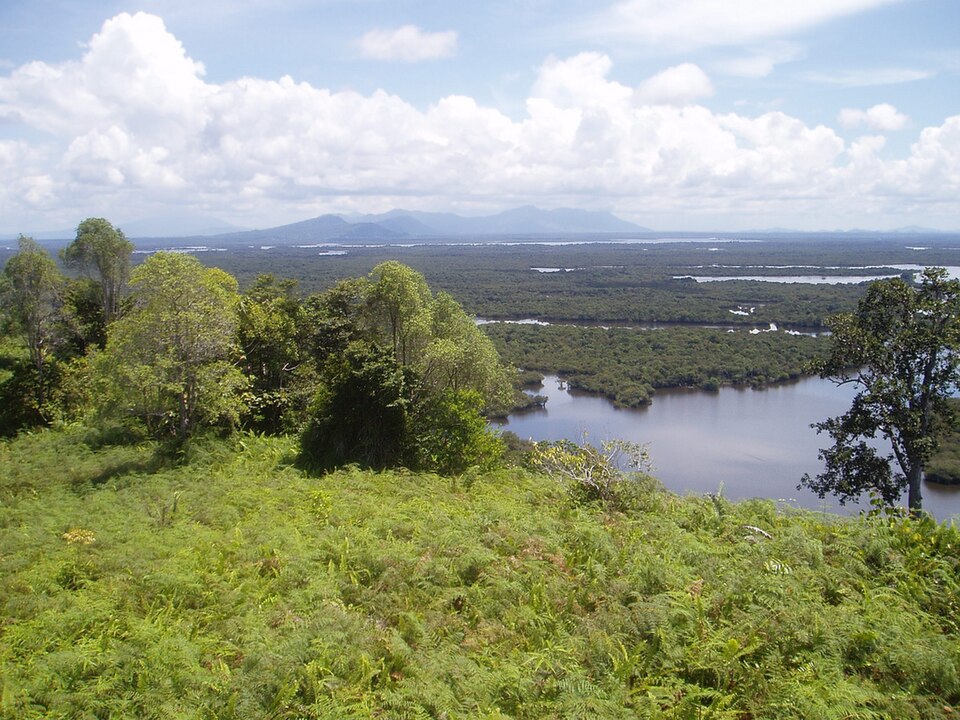
Freshwater include rivers and streams, which are running water, and lakes, ponds, marshes and bogs, which are standing water. Wetland habitats such as fens, swamps and floodplains lie in between, with soil that is wet for part or all of the year.
The animals and plants here are very sensitive to the details. Three things matter most: how fast the water flows, how warm it is and how much oxygen it holds. Cool, fast, oxygen-rich water suits some creatures. Slow, warm backwaters suit others. A single river can hold fast stretches, quiet pools, side channels called backwaters and bends that make wetlands of their own, so it offers many different habitats along its length.
Plants grow in several ways. Some float on the surface, some are partly under water and some live fully submerged. Others grow in the soaked ground at the water's edge. These plants do plenty of work for everything else. Their stems and leaves shelter insects, snails, fish and frogs. Submerged plants add oxygen to the water, take up nutrients and help to clean up pollution.
Floodplains, like the one around Danau Sentarum in Borneo, show how flexible life can be. Each year the water rises and spreads over the land, then falls again. The forest and lake merge and separate, and the animals use both.
Why is the sea home to so many kinds of habitat?
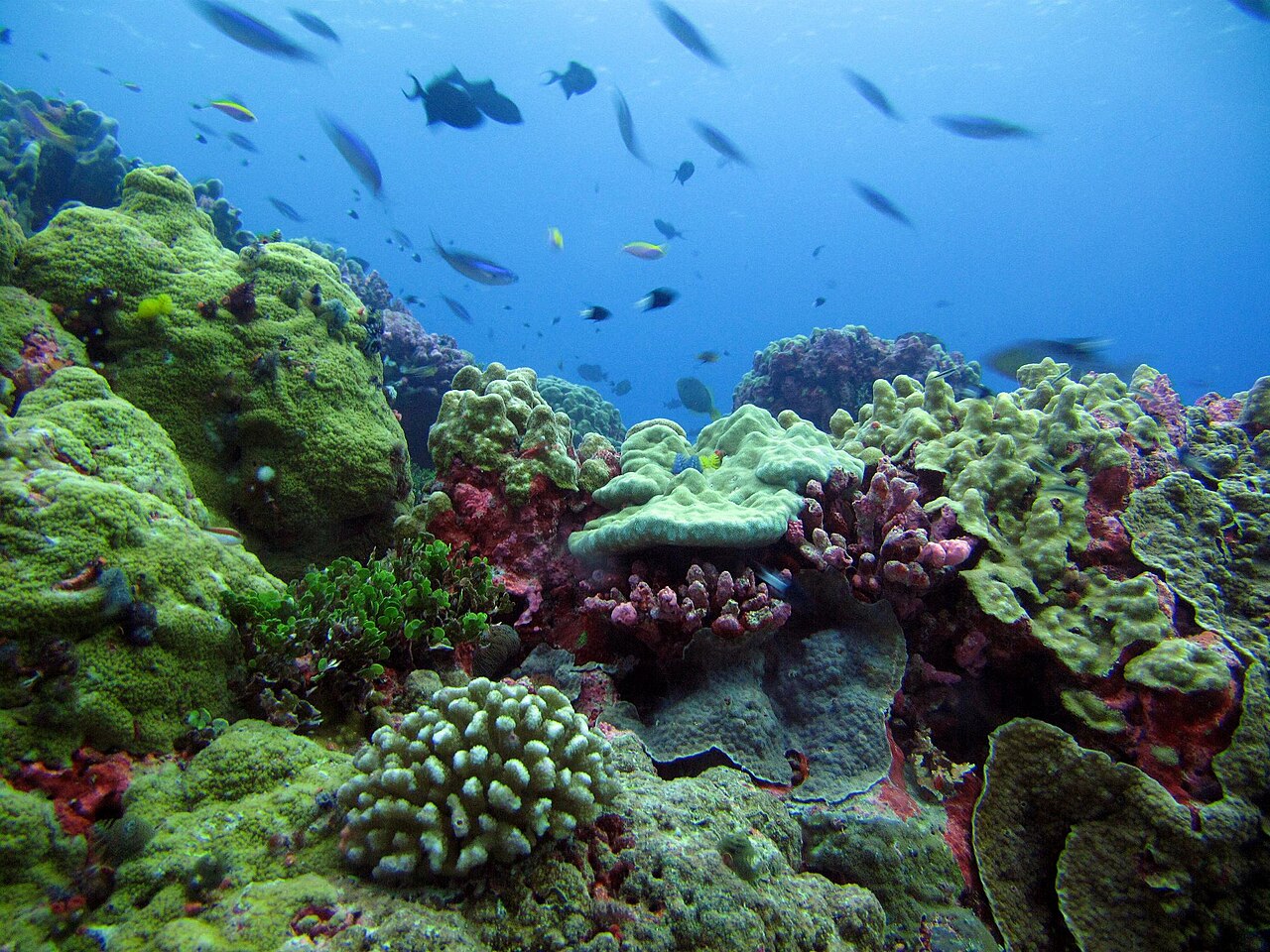
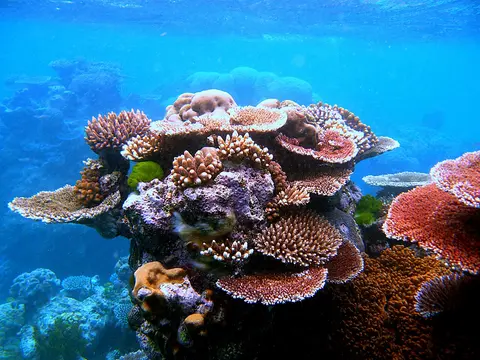
Salt water covers most of our planet, and it is far from one single . Marine habitats include estuaries, where rivers meet the sea, as well as bays, the open ocean, the seabed and deep and shallow water. Closer to the shore are rock pools, mudflats, sandbanks, beaches, seagrass meadows and mangrove swamps. Offshore, we find coral reefs and kelp forests, which are underwater woods of giant seaweed.
Within the water, living things sort themselves by lifestyle. The benthic zone is the seabed. Some creatures there stay fixed in place, like sea anemones, while others crawl across the surface or dig in. The demersal zone is the water close above the seabed. Swimmers move through the open sea at many depths. Floating on the top, some animals ride on drifting objects. Countless tiny drifters, called plankton, are carried wherever the currents go.
Light changes everything. The sunlit upper layer is the photic zone, where algae and plants can grow by photosynthesis, and that is why reefs and kelp forests live near the surface. Below it lies the aphotic zone, where no sunlight reaches.
Coral reefs are among the richest habitats of all. The corals build hard skeletons and form a maze of ledges and crevices. Fish, crabs, worms and sea stars hide, feed and breed in it, all packed into a small space.
What lives in forests, grasslands and frozen lands?
On land, the main types are forests, grasslands, deserts, wetlands, mountains and polar regions. Each one has its own mix of climate, soil, height above sea level and plants, and these decide which animals can live there. Many types fade gradually into each other, so there is rarely a sharp line.
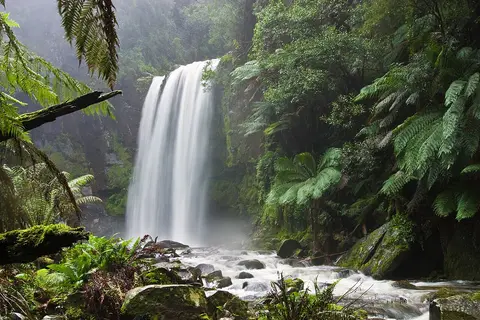
Forests come in many forms. Boreal forest of cold-tolerant conifers stretches across the far north. Temperate deciduous forests lose their leaves every autumn. Tropical rain forests are warm, wet and crowded with life. Cloud forests are draped in mist on mountainsides, and thorn forests and tropical dry forests cope with long dry seasons. Grasslands such as steppe and savanna are open places where grasses dominate and grazing animals gather in herds.
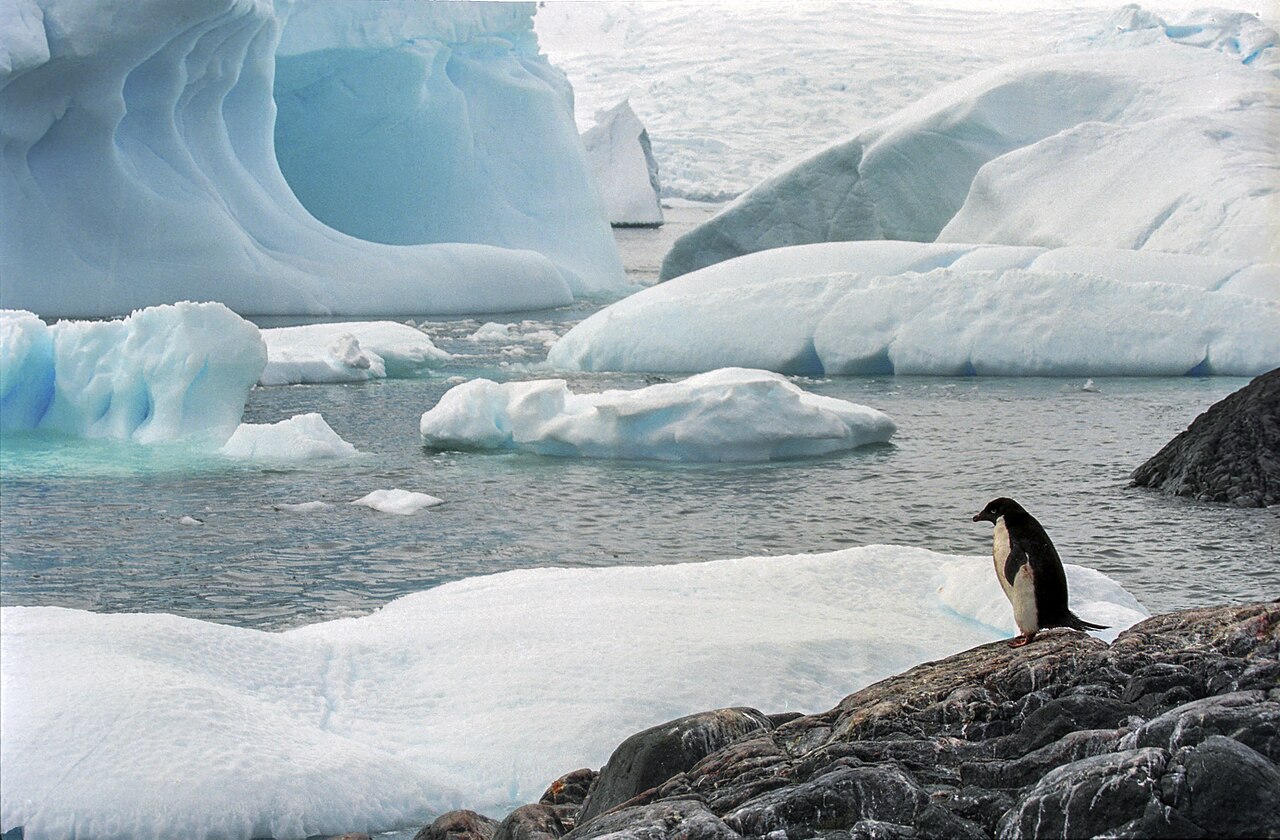
The polar regions are the cold extreme. Around the South Pole, Antarctica is a continent of ice, and penguins nest on its rocky coasts and feed in the surrounding ocean. Plants are scarce there, and the food web rests on life in the sea.
Whether a species lives in a particular habitat type depends partly on chance. A suitable forest or meadow may exist, but the species has to reach it first. That depends on how well it can travel and settle, which is why the same habitat type on different continents often holds quite different animals.
How can a tree trunk or a city be a habitat?
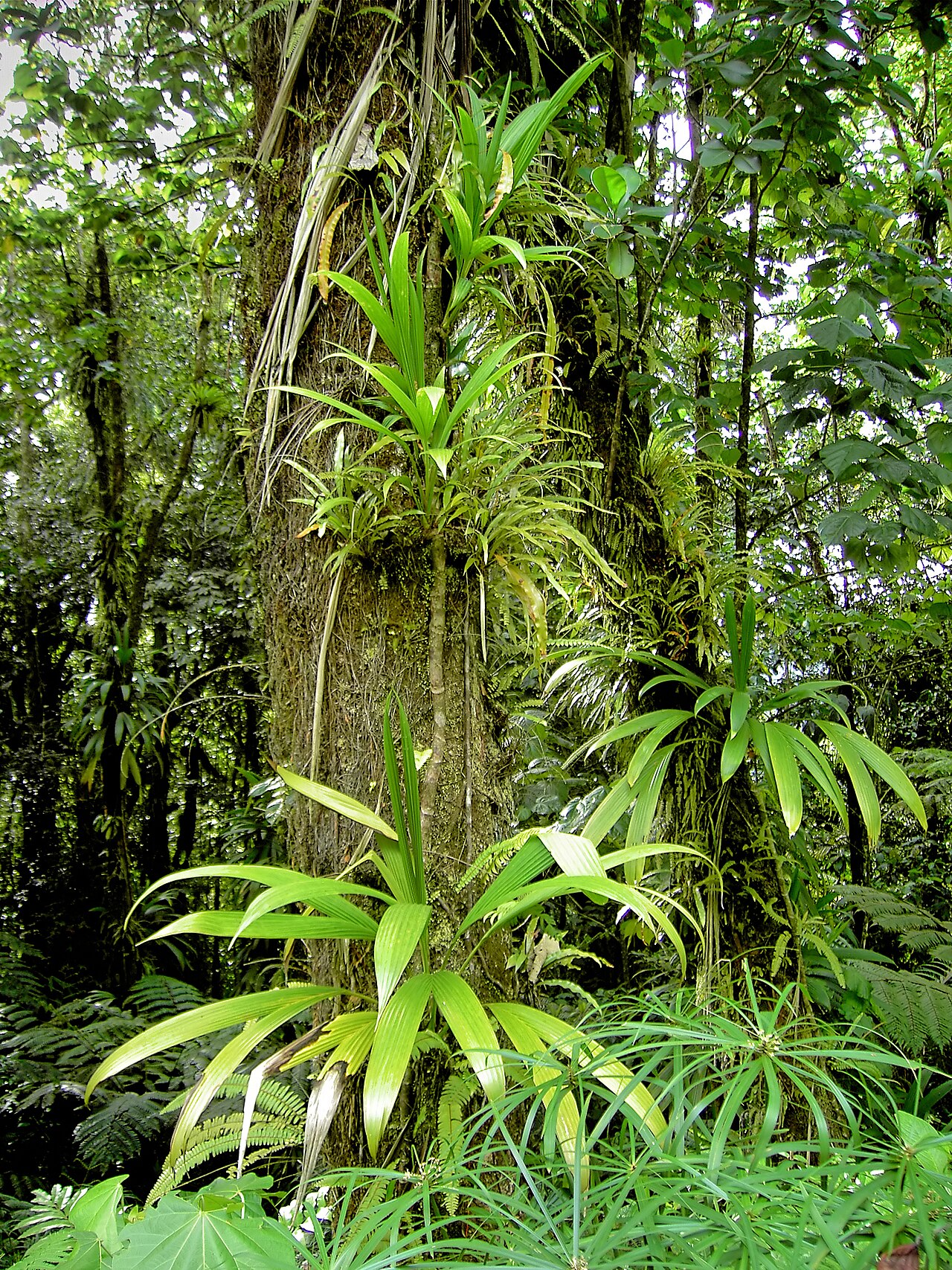
Every large is made of many small ones. A is a small space with its own light, damp, temperature and airflow. Lichens show this well. The lichens on the north side of a boulder differ from those on the sunny south side, from those on top and from those growing along a vein of quartz. Tiny invertebrates live among these miniature forests, each with its own needs.
A wood is packed with microhabitats. There are tree trunks, branches, buds, leaves and fruit, rough and smooth bark, hollows, fallen logs, stumps, ferns and moss. Plants that grow on other plants without harming them, called , take advantage of the branches. The more varied the wood, the more species it holds. In Britain, scientists have estimated that rotting wood alone is home to over 1,700 species of invertebrate.
Cities are habitats too. Animals that are adaptable do well there. Pigeons, peregrine falcons, sparrows and house martins nest on buildings, bats roost in roofs and foxes visit the bins. About 2,000 coyotes are thought to live in and around Chicago. A survey of homes in northern Europe found about 175 species of invertebrate living inside them, including beetles, flies, moths, mites, spiders and ants. In warm countries, termites are a serious pest, and 83 species do serious damage to buildings.
Can life survive in the deep sea and other extreme places?

Most life lives in moderate conditions, but some of it, mostly microbes, has moved into places that would kill us. Bacteria live in Lake Whillans, under about 800 metres of Antarctic ice. They also thrive in the Mariana Trench, the deepest place in the ocean, where food drifts down from above as marine snow. Microbes live in rock about 3 kilometres deep in mines, feeding on traces of hydrogen made inside the rock. They also live in hot springs and vents above 100 °C, in salt pans and on snowfields.
The deep sea is the biggest extreme . Human divers can reach only about 50 m. Sunlight is too weak for photosynthesis below about 100 to 200 m. Deeper still are darkness, crushing pressure, cold and little food. About 79% of the living space on Earth lies deeper than 1,000 m. Animals there eat food that sinks from above or eat each other. Many grow slowly, have huge eyes or no eyes, and make their own light, which is called bioluminescence.
In 1977, scientists found hydrothermal vents, where seawater seeps through cracks, is heated by hot rock below and gushes out at over 340 °C. There is no sunlight, so microbes make food from chemicals such as hydrogen sulfide in a process called . Worms, molluscs and crustaceans feed on them. About 350 species had been found around vents by the end of the 1900s, and most were new to science.
Why are habitats disappearing, and can we protect them?
are always changing. Volcanoes, earthquakes, floods and wildfires can transform a place in hours. Ice sheets advancing and retreating, or shifting rainfall, can change it over thousands of years. Humans now cause some of the fastest changes, by cutting down forests, ploughing grassland, damming rivers, draining marshes, dredging the seabed and warming the climate.
Losing habitat is the single greatest threat to any species. An island species that loses its island goes extinct. A forest cut into patches works like a set of islands. If the gaps are wider than an animal can cross, each patch becomes a trap. Small populations lose genetic variety and struggle against disease and bad luck. can help, such as hedgerows, strips of trees, rivers or even underpasses beneath roads.
make things worse. In the United States, cheatgrass from Europe burns easily, and it has made wildfires more frequent. The native plants cannot cope but the cheatgrass recovers. In the sea, a boom in sea urchins can eat all the kelp and leave an urchin barren that lasts for years.
Many countries protect habitat through national parks and reserves. In 1973, the United States began protecting the critical habitat of endangered species. International treaties cover migratory animals and marine reserves. But laws only work if they are enforced and if local people, who also need food and fuel, can share in the benefits.
Explore Next
Your audio story keeps playing while you look around.
Words to Know
- arid
- Very dry, with little available water.
- biodiversity
- The variety of living things in a place.
- chemosynthesis
- Making food from chemicals, not sunlight, as microbes do at deep-sea vents.
- epiphyte
- A plant that grows on another plant without harming it.
- generalist
- A species that can live in many different kinds of place.
- habitat
- The natural home of a living thing, with the food, water and shelter it needs.
- habitat fragmentation
- Splitting a large habitat into small separated patches.
- invasive species
- A species moved to a new place where it spreads and harms the native life.
- microhabitat
- A very small space inside a larger habitat, such as the underside of a stone.
- specialist
- A species that can live only in a narrow set of conditions.
- wildlife corridor
- A strip of habitat that links separated patches so animals can travel.