Coral Reef
Whole underwater cities, built by tiny animals.
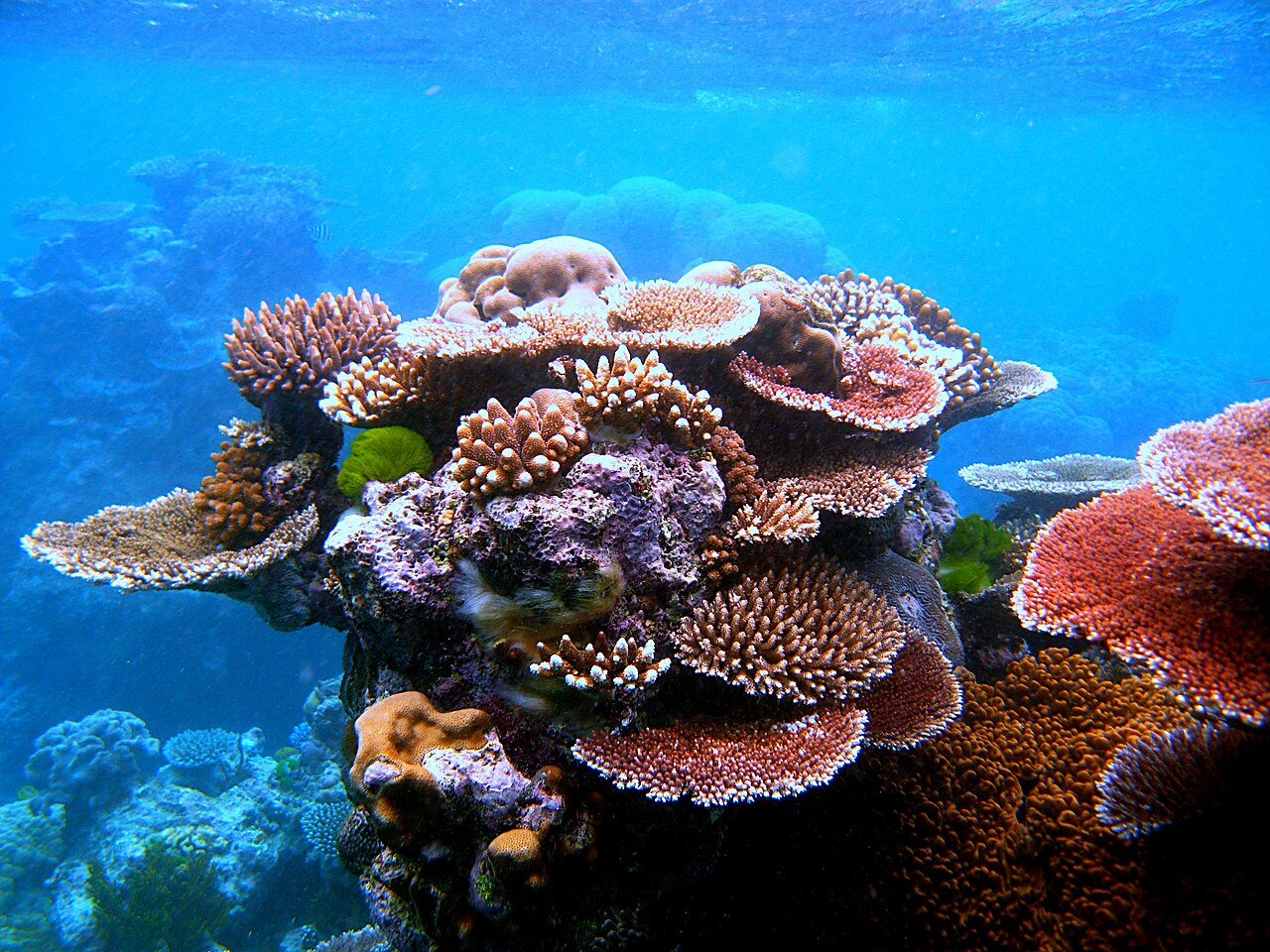
A coral reef is an underwater ecosystem built by tiny animals called coral polyps. They hold themselves together with a stony material, calcium carbonate, and over many years they raise whole landscapes of ridges, caves and lagoons. Coral reefs cover less than 0.1% of the ocean, yet at least 25% of all marine species live on or near them. That is why people call them the rainforests of the sea. Reefs grow in clear, warm, shallow water that holds very few nutrients, and nobody found it easy to explain how so much life could flourish there. Today reefs also face serious danger from a warming ocean.
What is a coral reef?
A coral reef is a living structure made by animals. Coral is not a plant, although it can look like one. It belongs to the group called Anthozoa, in the animal group called Cnidaria, which also includes sea anemones and jellyfish. Each coral animal is a . A polyp is a soft, tube-shaped body with a ring of tentacles around a mouth. Unlike anemones, most reef-building corals also make a hard skeleton of that supports and protects them. Millions of polyps live together in colonies, joined to their neighbours, and the colonies build up the reef.
Reefs can be very old. The first coral reefs appeared about 485 million years ago, at the start of the Ordovician Period. Before that, reefs were built by microbes and sponges. Not every reef has been made by coral. Over Earth's history, reefs have also been built by algae, sponges and shellfish.
Today's reefs cover less than 0.1% of the ocean, an area about half the size of France. Yet they are home to at least 25% of all marine species. These include fish, shellfish, worms, crabs, starfish, sponges and many more. Most reefs grow best in warm, shallow, clear, sunny and rough water. Most of the reefs that we see today are less than 10,000 years old.
How does a tiny animal build a giant reef?
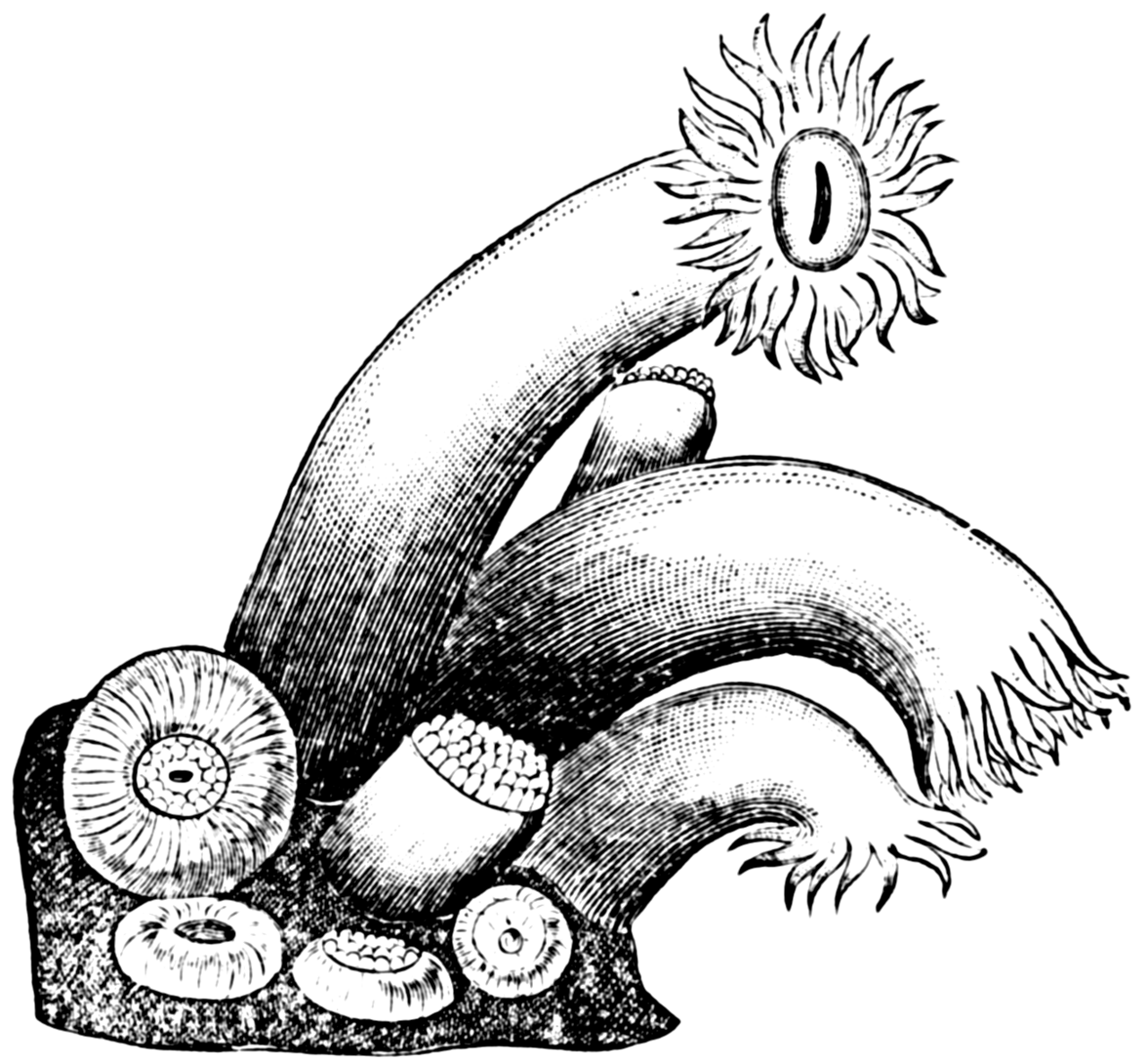
A builds its stony home by taking minerals from seawater and laying down beneath and around its body. Layer by layer the skeleton grows, pushing the living top upwards and outwards. When polyps die, their skeletons stay behind, and new polyps settle on top. Over thousands of years this slow building makes a reef. Healthy tropical reefs grow outwards by 1 to 3 centimetres a year and upwards by anything from 1 to 25 centimetres a year. They cannot grow above sea level, and they rarely grow deeper than about 150 metres, because the corals need light.
Coral colonies take many shapes, which people name after things they resemble, such as brains, cabbages, tables, antlers and pillars. The shape depends on light, waves and accidents such as breakages.
Corals make new polyps in two ways. They can bud and divide. They can also make young from eggs and sperm. On some reefs, many polyps release eggs and sperm into the water at the same moment, often at night and a few days after a full moon. This is called synchronised spawning. The young that grow from the eggs are tiny larvae called planulae. They drift for days or weeks and then settle on a hard surface. Very few survive.
Why do corals need tiny algae?

Coral cannot make food from sunlight. But living inside their tissues are billions of microscopic algae called . In every cubic centimetre of coral there can be about one million of them. The algae use sunlight to make sugars and other nutrients, and the coral uses these as food. Corals get up to 90% of their nutrients this way. In return, the coral gives the algae a safe home and a steady supply of carbon dioxide. Scientists call such a partnership , because both sides gain.
This is why coral reefs need clear, sunny water, and why they grow much faster there. Without their algae, corals would grow too slowly to build a reef.
The algae also give corals most of their colour. Their pigments make a coral look brown or golden-brown. Other colours, such as red, blue and green, come from coloured proteins that the coral animals make themselves.
Trouble starts when the water gets too warm or too bright. A stressed coral can lose a large share of its algae. Without them it turns white, a condition called . A bleached coral is not yet dead, but unless the algae come back, the coral can die. Different algae types cope with heat differently. One group, now called Durusdinium and once known as clade D, has survived modern bleaching events better than other types.
Where in the world do coral reefs grow?
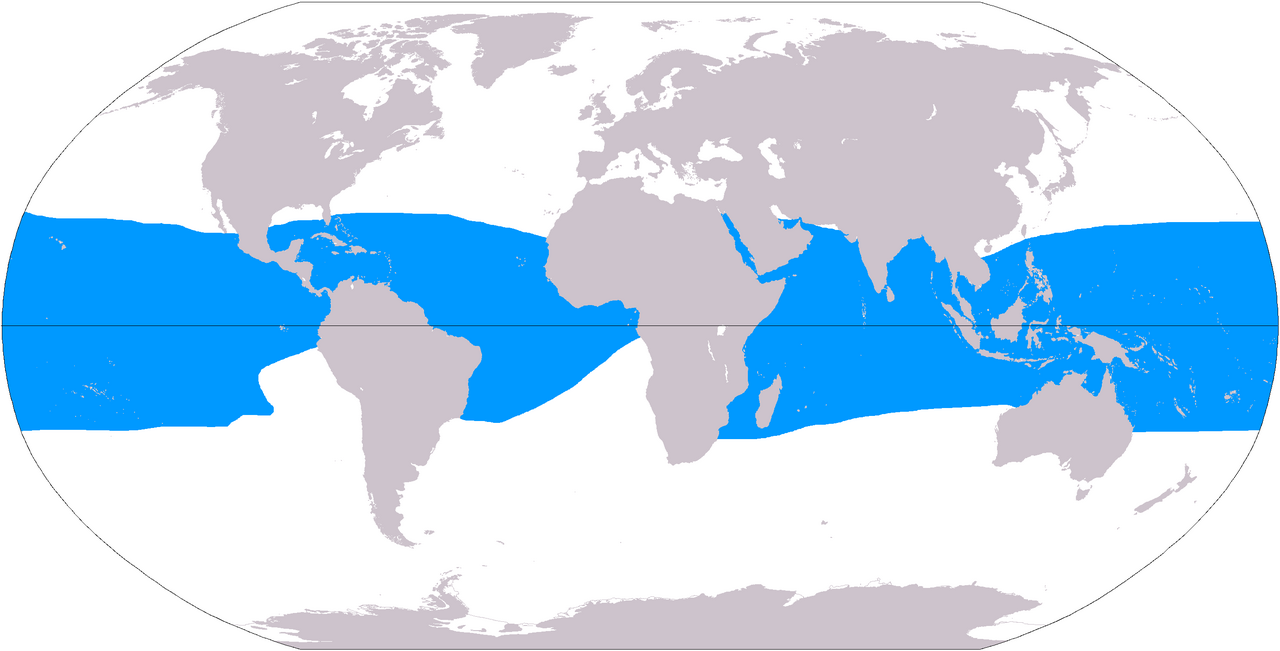
Shallow-water reefs form in a belt around the middle of the Earth, from about 30 degrees north to 30 degrees south of the equator. The water needs to be warm. The best temperature for most reefs is 26 to 27 degrees Celsius, and few reefs live below 18 degrees. Most reef-building corals live in the top 50 metres, although in very clear water some reefs reach about 150 metres deep. Reefs cover about 284,300 square kilometres in total. The Indo-Pacific region, which includes the Red Sea, the Indian Ocean, South-East Asia and the Pacific, holds about 92% of them.
Some famous reefs are huge. The Great Barrier Reef, off Queensland in Australia, has more than 2,900 individual reefs and 900 islands. The Mesoamerican Barrier Reef System stretches about 1,000 kilometres along the coast of Central America. The Raja Ampat Islands in Indonesia have the highest known marine diversity. The Maldives are made up of 26 .
There are exceptions to the warm-water rule. Reefs in the Persian Gulf cope with winters near 13 degrees and summers near 38 degrees. Cold-water corals grow at great depths, as far north as Norway, though they are much less known.
Reefs are rare on the west coasts of the Americas and Africa, where cold currents cool the sea. They are also rare near the mouths of huge rivers such as the Amazon and the Ganges, because fresh water pours into the sea.
How did Darwin explain atolls?
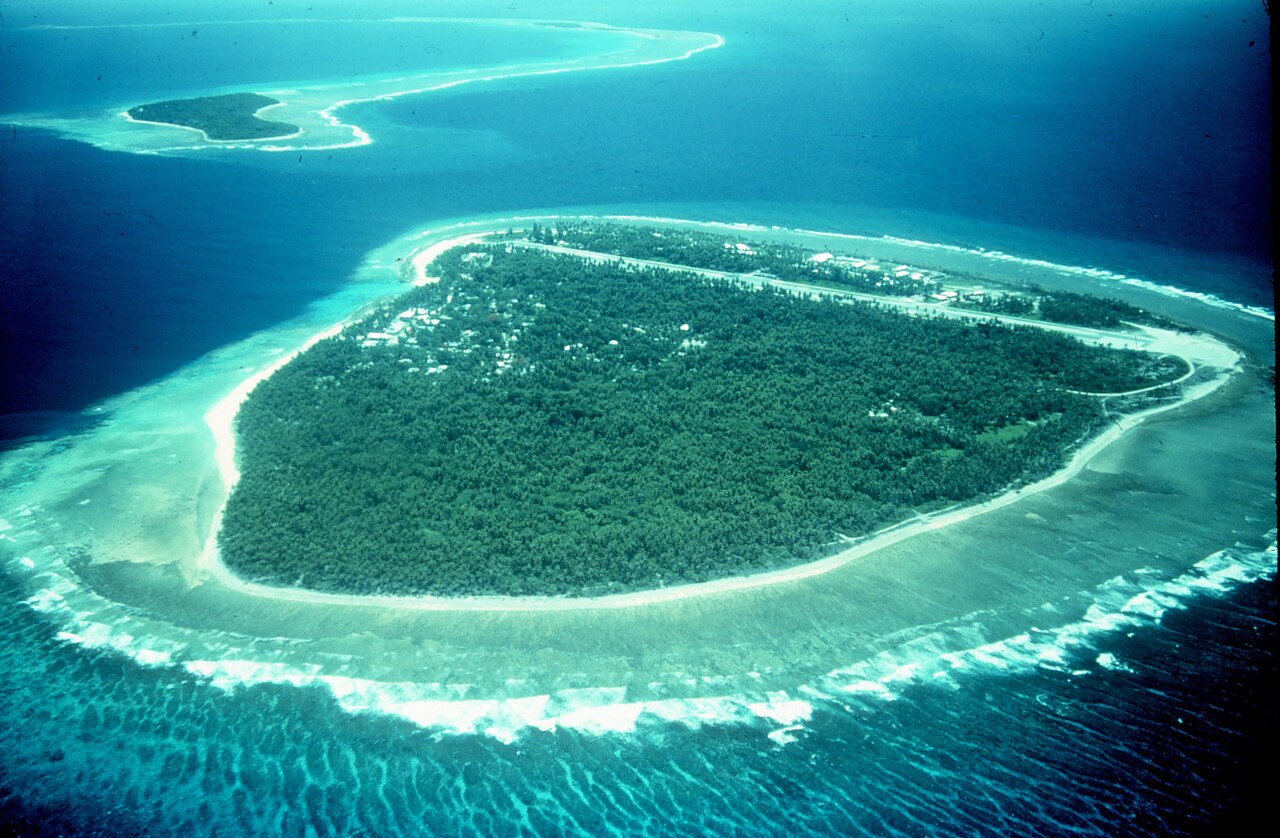
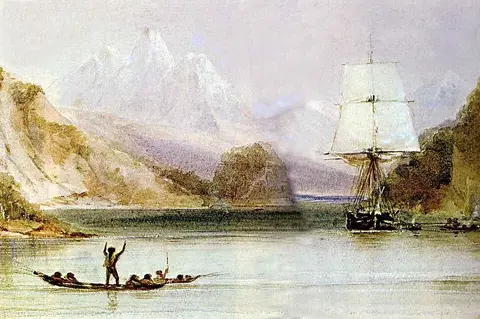
An is a ring of coral with a calm in the middle and no land at its centre. Where did such rings come from? In 1842 Charles Darwin, who had sailed around the world on the Beagle, published a theory in a book on coral reefs. He thought the rings formed in three stages.
First, a grows along the shore of a volcanic island. Corals live only in shallow, bright water, so they start just below low tide. Then the island slowly sinks, because the crust beneath it subsides. The corals keep growing upwards to stay near the surface. The reef becomes a barrier reef, with a lagoon between it and the island. In the end the island sinks below the waves. The coral ring carries on growing, and what is left is an atoll.
Darwin predicted that beneath every lagoon there would be the rock of an old volcano. In 1952 scientists drilled into Enewetak Atoll in the Pacific. Beneath about 1,300 metres of reef limestone they struck volcanic rock, just as Darwin had predicted. Not every reef follows this path. The Great Barrier Reef formed along a continental shelf. About 20,000 years ago the sea there was 120 metres lower than today. As ice melted and the sea rose, corals grew over the drowned hills. The living reef is thought to be 6,000 to 8,000 years old. Darwin's main idea still applies. Reefs grow upwards to keep up with rising water.
What kinds of reef are there?
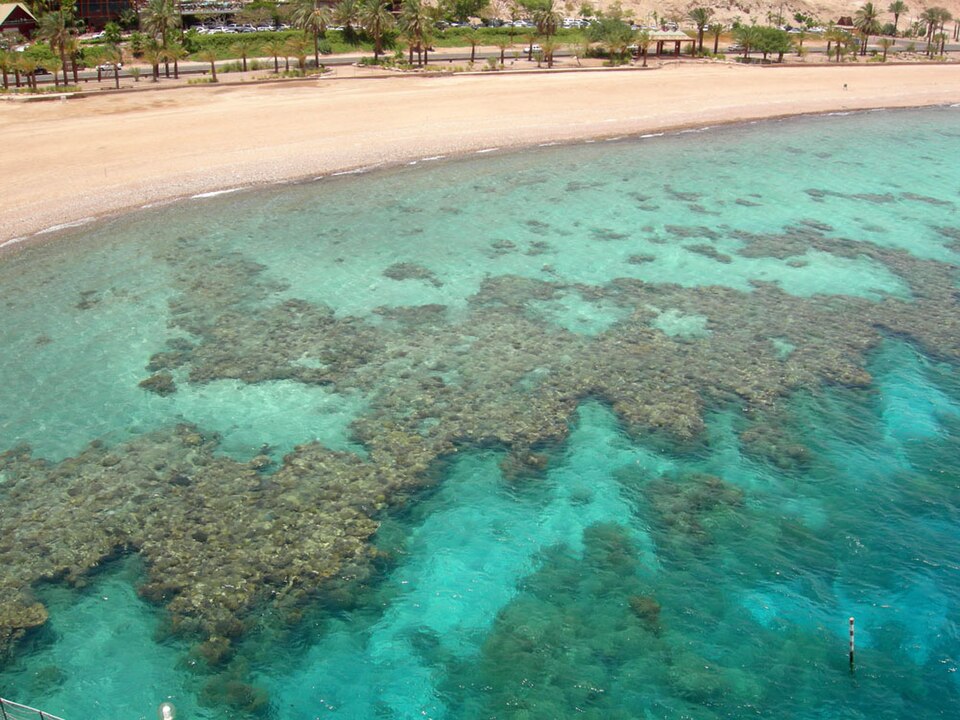
Scientists describe four main kinds of reef. A grows right next to a shore, or just beyond a narrow, shallow channel. It is the most common type. Fringing reefs follow the coast for many kilometres and are usually less than 100 metres wide. The Red Sea has some of the best fringing reefs in the world.
A barrier reef lies farther out, separated from the land by a deeper and wider , which can be several kilometres wide and 30 to 70 metres deep. Barrier reefs are much rarer, because they take far longer to form. The Great Barrier Reef is the biggest example.
An is a ring of reef around a lagoon, with no central island. A platform reef, also called a bank or table reef, grows anywhere that the sea floor rises close enough to the surface. It grows in all directions. Small platform reefs inside lagoons are called patch reefs. Reefs can also build , which are low sandy islands made from eroded coral that piles up above the waves. Plants can stabilise them, and people live on some.
A reef also has zones. The fore reef faces open water and is often the most varied part, with many cracks and crevices to hide in. The reef crest is where waves break. Behind it lies the calmer back reef, or lagoon. Sandy flats and seagrass meadows near reefs are important feeding grounds for fish.
How can so much life live in clear, empty water?
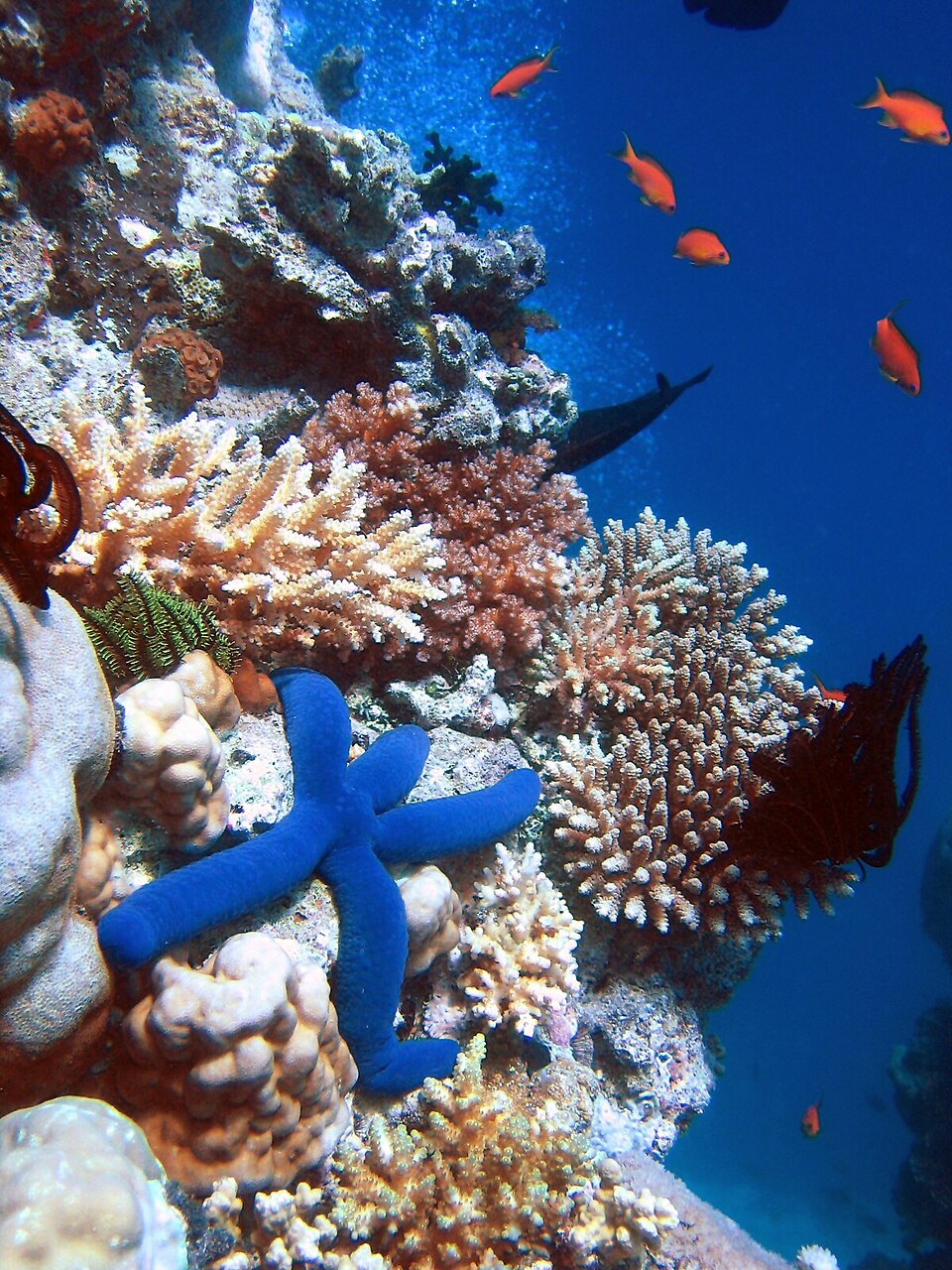
Tropical seawater is clear because it holds very few nutrients and little . Warm water floats on top of cooler water below and the two seldom mix. When living things die, they sink and rot in the deep, so nutrients are not brought back up. Yet a reef teems with life. Darwin noticed this puzzle, and it is now called Darwin's paradox. How can such rich life flourish where there is so little food? Scientists often call a reef an oasis in a desert.
The answer is recycling. On a reef, almost nothing is wasted. Algae, including the small turf algae, pass nutrients to corals. Corals also catch tiny animals called zooplankton at night with their tentacles. Sponges live in the crevices and filter the water. In the Red Sea, they eat about 60% of the plankton that drifts past. Waves breaking on rough coral surfaces stir the water and bring in new food. Seagrass and mangrove forests next door add more.
Hiding places are also crucial. The great number of cracks and crevices is the main reason so many species can live on a reef. Different animals use the same hiding places at different times of day. Cardinalfish and squirrelfish hunt at night. Parrotfish and surgeonfish feed by day and tuck away at night to avoid eels and sharks. Everything from tiny shrimps to turtles and sea snakes joins the food web.
Why do coral reefs matter to people?
About 500 million people benefit from coral reefs. Reefs feed people. Healthy reefs can produce up to 35 tonnes of fish for every square kilometre each year, and fish from reefs are an important food in many tropical countries. Reefs draw millions of tourists who come to dive, snorkel and fish, so hotels, boats and guides depend on them.
Reefs also protect coasts. Waves lose much of their force as they cross a reef, so the shore behind it is gentler. fill with sand and become sheltered havens for sea life. Seagrass meadows and mangroves grow behind the reef, and the reef protects them from waves and gives them sediment to root in. Some people live on , which are islands that reefs have made.
It is hard to put a price on all this. Estimates of the yearly worldwide value of reefs range from tens of billions to trillions of US dollars, depending on what is counted and who does the sums. One study put the value of Bermuda's reefs at about 722 million US dollars a year.
Reefs help science too. The chemistry of the coral skeleton changes with sea temperature, so scientists can read it like a diary of past climate. Old reef rock holds clues about how the seas have changed.
Are coral reefs in danger?
Yes. Shallow tropical coral reefs have declined by about half since 1950. Reefs are sensitive, and many things threaten them at once. The ocean is getting warmer, and heat stress causes mass . The ocean also becomes more acidic as it absorbs carbon dioxide, which makes it harder for corals to build skeletons. Extra nutrients from sewage and fertiliser run off the land and let algae smother corals. Overfishing removes fish that graze on algae. Some people fish with explosives or cyanide, which wrecks reefs. Sunscreen, coastal building and badly managed land also play a part.
Bleaching has become more frequent. The Great Barrier Reef bleached in 2016, 2017, 2020, 2022, 2024 and 2025. A fourth global bleaching event began in 2023, and by 2025 it had hit about 84% of the world's reef area, the largest on record. Scientists link these events to rising sea temperatures caused by climate change.
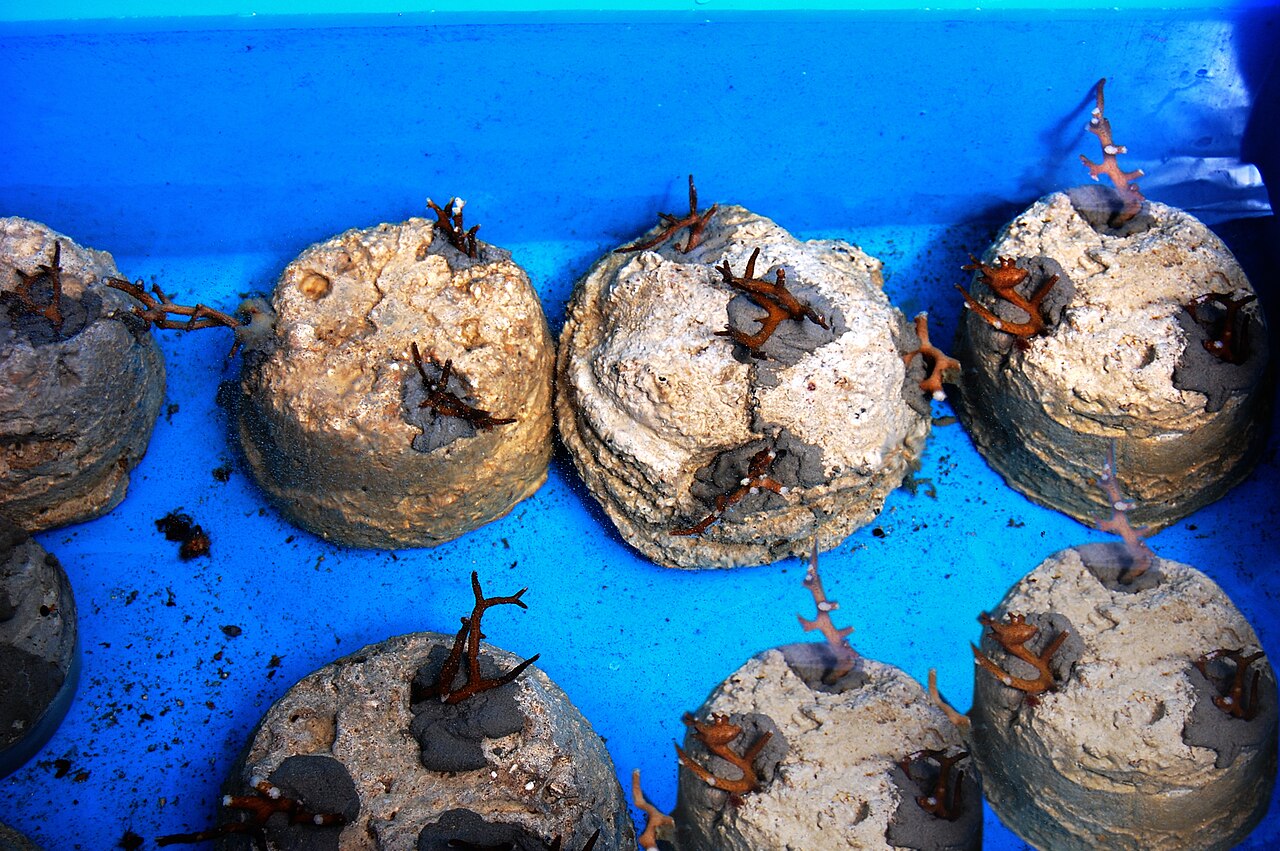
People are trying to help. Many reefs lie in protected areas where fishing and building are limited. Cleaner farming and better sewage treatment reduce runoff. Some groups grow coral fragments on frames and plant them back on damaged reefs. Scientists are also looking for corals and algae that tolerate heat better. Yet restoration works best when the main causes, above all warming seas, are tackled. Protecting reefs is a long-term job, but the reward is a living wonder that took thousands of years to build.
Explore Next
Your audio story keeps playing while you look around.
Words to Know
- atoll
- A ring-shaped reef around a lagoon with no island in the middle.
- bleaching
- When a stressed coral loses its algae and turns white.
- calcium carbonate
- The hard, stony mineral that corals make for their skeletons.
- cay
- A small, low island made of sand and coral pieces on top of a reef.
- fringing reef
- A reef that grows along a shore.
- lagoon
- A shallow stretch of calm water sheltered by a reef or an atoll.
- mutualism
- A partnership in which both partners gain.
- plankton
- Tiny living things that drift in water.
- polyp
- A tiny soft-bodied coral animal with tentacles around its mouth.
- zooxanthellae
- Microscopic algae that live inside corals and make food from sunlight.