Charles Darwin
The beetle-collecting naturalist who explained how life branches into new species.
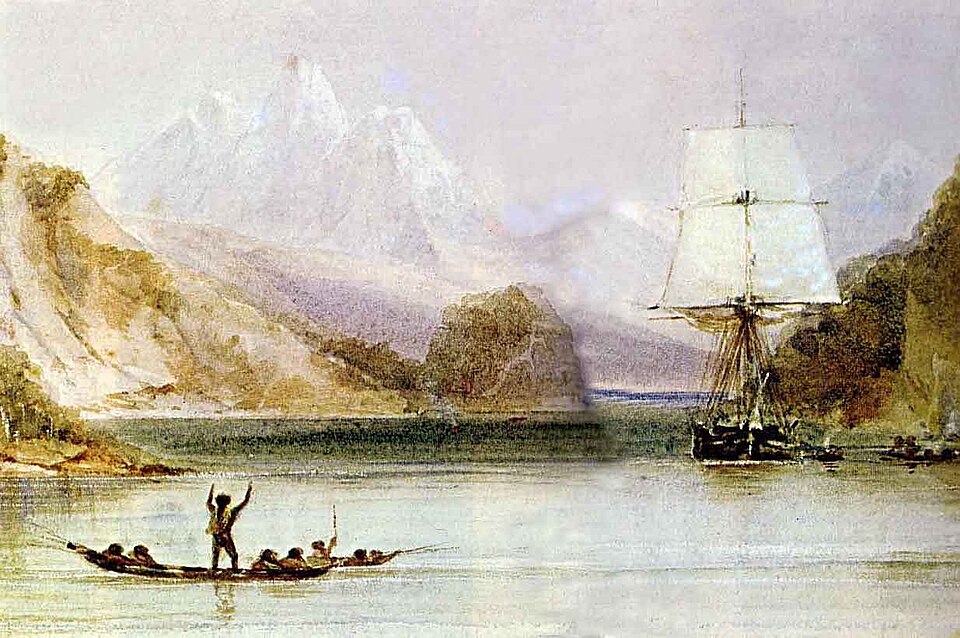
Charles Darwin was an English naturalist who changed how we understand life. As a young man, he sailed around the world on HMS Beagle and collected plants, animals and fossils. Back in England, he spent years working out why living things are so varied and so well fitted to where they live. His answer was natural selection, and his book On the Origin of Species, published in 1859, laid out the evidence. He showed that all living things share common ancestors and have branched apart over vast spans of time. Darwin's ideas became the foundation of modern biology. They explain everything from finch beaks to the bacteria that survive medicines.
Who was the boy who loved collecting?
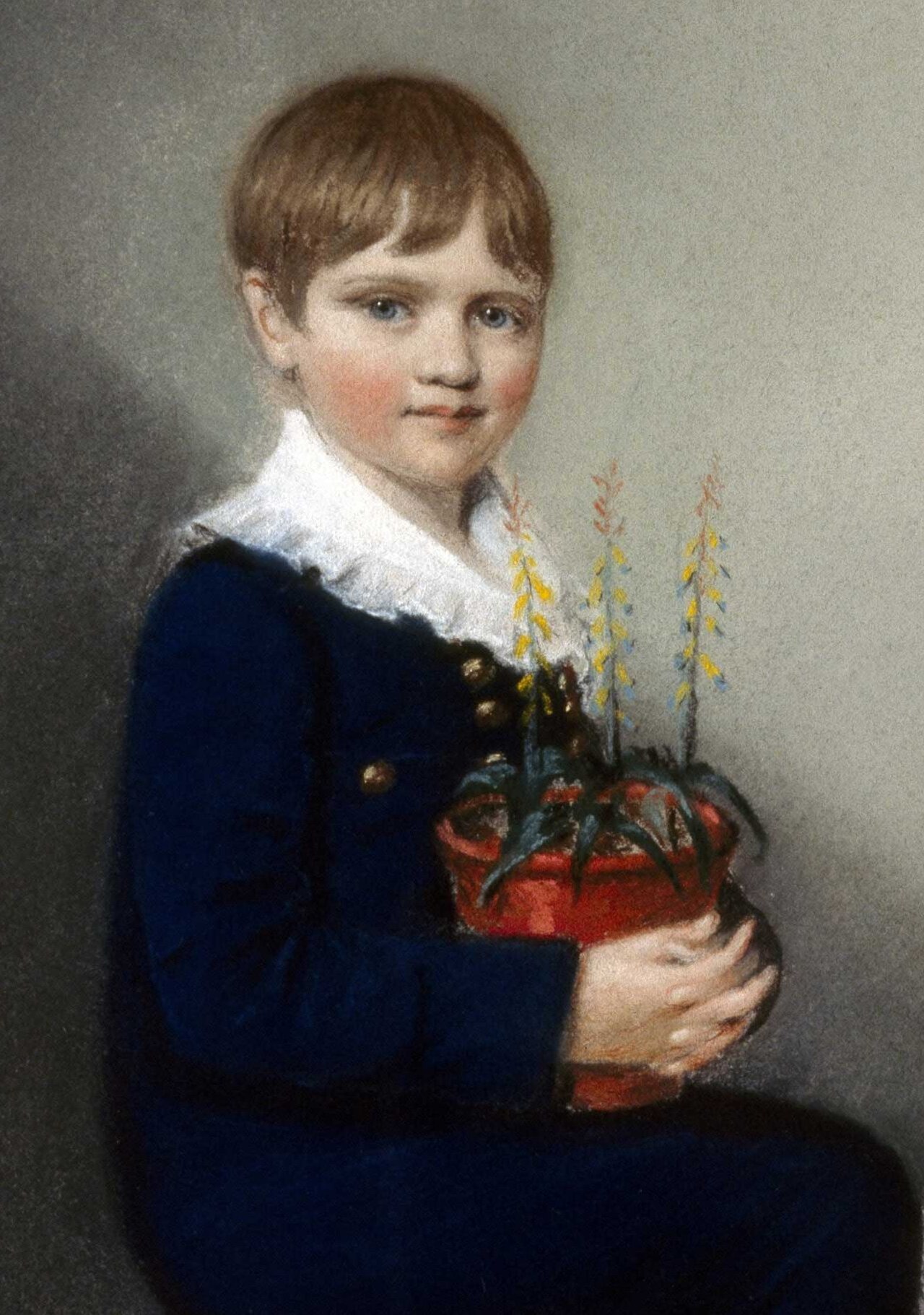
Charles Robert Darwin was born on 12 February 1809 in Shrewsbury, a town in Shropshire, England. His father, Robert, was a rich doctor. His mother, Susannah, came from the Wedgwood family, who were famous for making pottery. Charles was the fifth of six children. His mother died when he was eight.
Even as a small boy, he loved natural history and collecting. His grandfather Erasmus Darwin had written about the idea that living things change over time. So the idea was not new to the family, though nobody had a good explanation of how it might work.
In 1825, aged 16, Charles went to study medicine at the University of Edinburgh. He did badly. He found the lectures dull and the surgery upsetting. But he learned a lot of useful skills outside the classroom. He learned to stuff and preserve birds from John Edmonstone, a freed slave from South America. He also joined a student group for natural history and helped a scientist study sea creatures in the Firth of Forth.
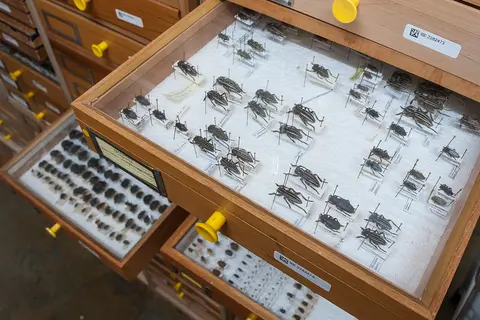
His father then sent him to Cambridge to train as a country clergyman. There he spent more time collecting beetles than reading. He became close to the botany professor John Stevens Henslow. In 1831, Henslow recommended him for a job that would change science.
Why did he sail around the world on HMS Beagle?
In 1831, the Royal Navy ship HMS Beagle was about to set off to map the coast of South America. Its captain, Robert FitzRoy, wanted an educated gentleman to join him as a and to keep him company. Henslow suggested the 22-year-old Darwin. His father at first said no, but was persuaded by Darwin's uncle, Josiah Wedgwood II.
The Beagle left on 27 December 1831. The voyage was meant to last two years, but it took almost five. Darwin was often very seasick. Even so, he wrote copious notes. While the ship's crew surveyed coasts, Darwin spent most of his time on land. He collected rocks, plants, animals and , and sent boxes of specimens back to England.
He took the first volume of Charles Lyell's Principles of Geology on board. Lyell argued that Earth's landscape changes slowly over immense periods. Darwin saw evidence for this at his first landing, in the Cape Verde islands. A white band of seashells lay high in a cliff of volcanic rock, so the land must have risen.
Darwin was trained in very little, but he was a keen observer who asked questions about everything he saw. The voyage ended on 2 October 1836. By then he was famous in scientific circles, and his published diary, the Journal of Researches, which came out in 1839, soon made him well known to ordinary readers.
What did Darwin find on the voyage?
The voyage gave Darwin puzzles that stayed with him for the rest of his life.
In Argentina, near Bahía Blanca, he dug up the bones of giant extinct mammals next to modern seashells. This suggested they had died out quite recently, without any sudden disaster. He found armour plates like a giant armadillo shell. Later experts in London named the huge creatures Megatherium, a giant ground sloth, Toxodon and Glyptodon. These extinct animals were clearly related to living South American , such as sloths and armadillos. Why would that be?
He also noticed two kinds of rhea, a large flightless bird. They lived in overlapping areas but were separate species.
In Chile in 1835, he felt an earthquake and saw that the land nearby had been lifted, with mussel beds stranded above the tide line. High in the Andes, he found seashells. Mountains, he realised, were being raised over a very long time. He also worked out how coral form. As an island sinks, the coral around it keeps growing upwards and leaves a ring.
On the Galápagos Islands, which the Beagle visited in September and October 1835, he saw mockingbirds that differed from one island to the next. He had also been told that the shells of the giant tortoises differ by island. At the time, he did not fully understand what these clues meant. They became clear only after he got home.
When did Darwin first think species change?
Back in England, Darwin took his collections to experts. The results shook him. The bird expert John Gould told him something new. The Galápagos birds, which Darwin had thought a mix of blackbirds and finches, were in fact twelve separate of finch. The mockingbirds from different islands were also separate species and not just varieties.
There was a problem. Darwin had not labelled his finches by island. He had to piece together where each one came from using notes kept by FitzRoy and others on the ship.
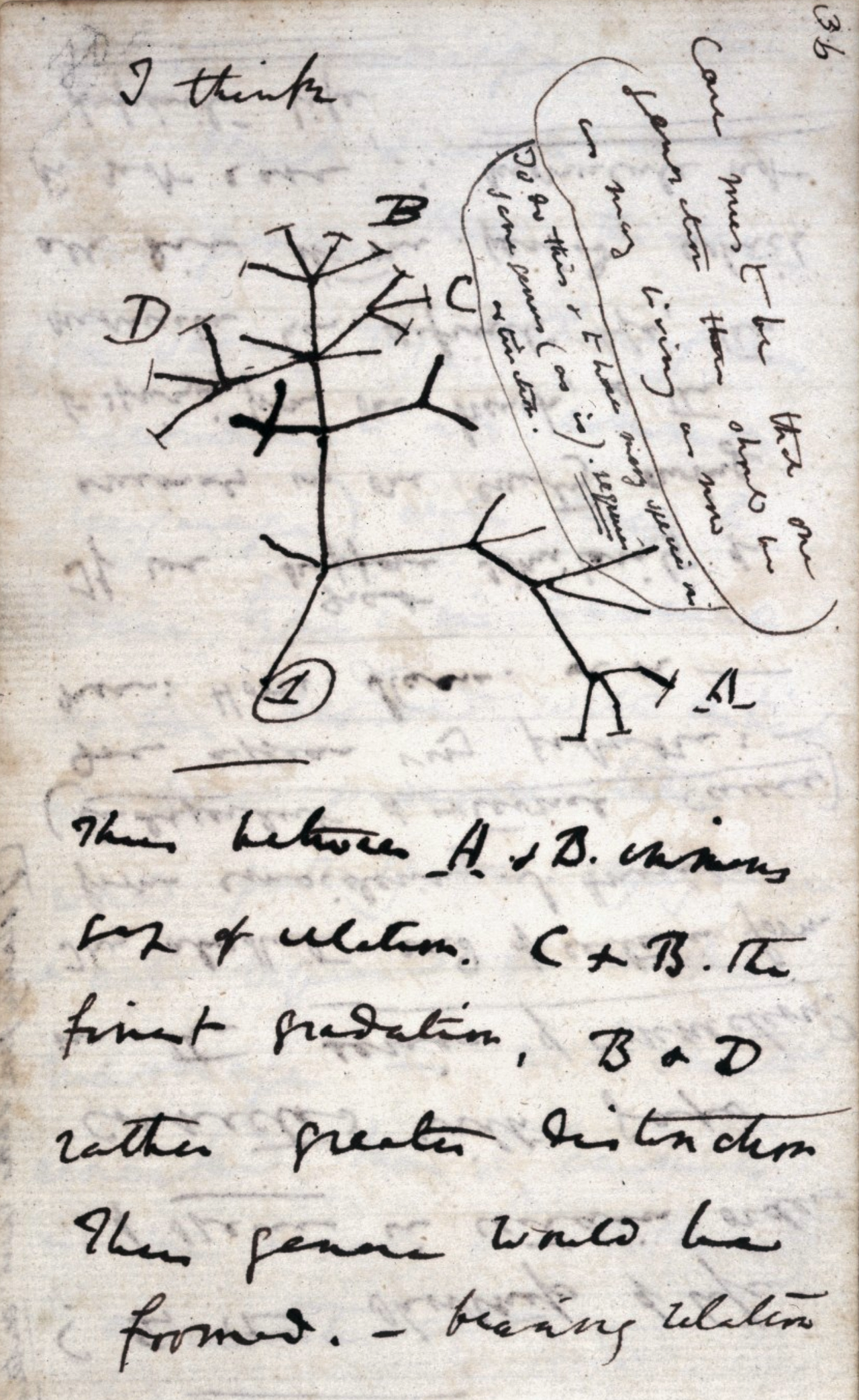
By March 1837, only six months after getting home, he was writing in his Red Notebook about the possibility that one species changes into another. In his next notebook, around July 1837, he sketched a branching tree. It showed one ancestor splitting into many descendants over time. Above the tree he wrote the words "I think".
This small drawing was a huge step. Older ideas had pictured life as a ladder, where simple creatures climbed up towards better ones. Darwin wrote that it is absurd to say one animal is higher than another. Instead, he saw a branching tree, where every living species is a tip of a twig.
He was cautious. Saying that species can change was a risky idea in 1837. So he kept it in his private notebooks while he gathered evidence.
How did he explain why species change?
Darwin needed a cause. What could make living things change in a way that fits them to their surroundings?
He found clues in two places. The first was . Farmers and pigeon fanciers pick the animals with the features they want and breed only from those. Over generations, the animals change a lot. Darwin asked many breeders for information and bred pigeons himself.
The second clue came in September 1838, when he read An Essay on the Principle of Population by Thomas Malthus. Malthus argued that human numbers can grow much faster than the food supply. Darwin saw that this is true for all living things. Almost every produces more young than can possibly survive.
So there is a struggle to survive. Individuals in a species differ a little from one another. Some differences help an animal to find food, avoid enemies or have more young. Those individuals are more likely to survive and pass the helpful features on. Over many generations, helpful features become common.
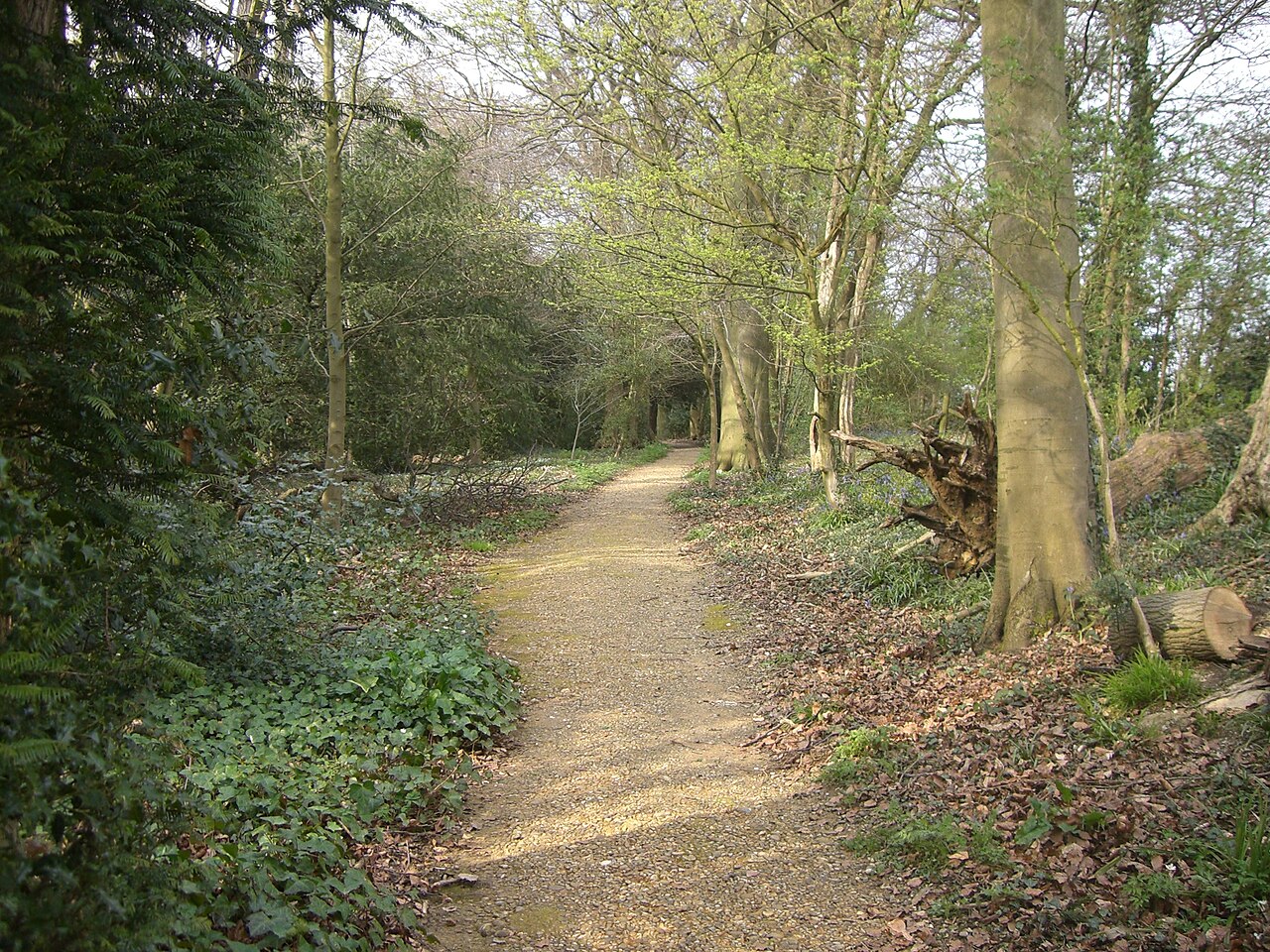
Darwin called this , because nature does the choosing in the same way that a breeder does. It works slowly and has no plan. In time, it can build new species. Darwin did much of his thinking while walking a gravel path at his home, Down House, which he called his thinking path.
Why did he wait 20 years to publish?
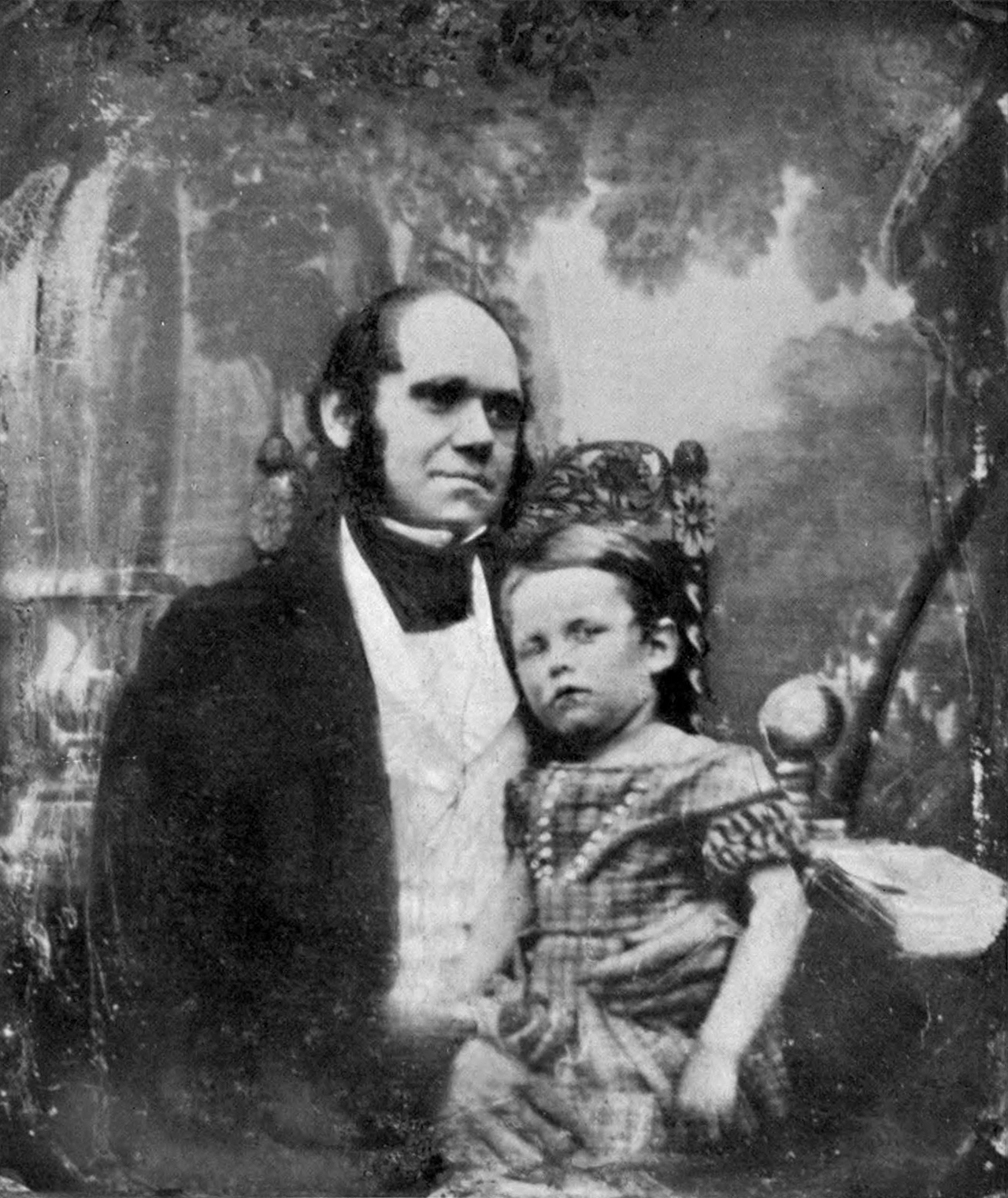
Darwin had the key idea by the end of 1838. Yet he did not publish it until 1859. Several things held him back.
First, he knew the idea would be controversial. He told a friend that telling people was "like confessing a murder". Second, he wanted overwhelming evidence. Third, he had plenty of other work, including books on geology and on the Beagle's collections. And fourth, he was often ill. For the rest of his life he suffered stomach pains, vomiting, headaches and heart trouble, and doctors never found the cause.
He married his cousin Emma Wedgwood on 29 January 1839. They had ten children and seven lived to adulthood. In 1842 the family moved to Down House in the Kent countryside, where Darwin could work in peace. His daughter Annie died in 1851, which hit him hard.
From 1846, he spent eight years studying barnacles. It was slow, close work. He later joked, "I hate a barnacle as no man ever did before." But it taught him how small body parts change to do different jobs. It also earned him a Royal Medal and a name as a serious biologist.
In 1844 he wrote a 230-page essay on his theory. He asked his family to publish it if he died. Meanwhile, he asked breeders, gardeners and around the world for facts.
How did Wallace push Darwin to publish?
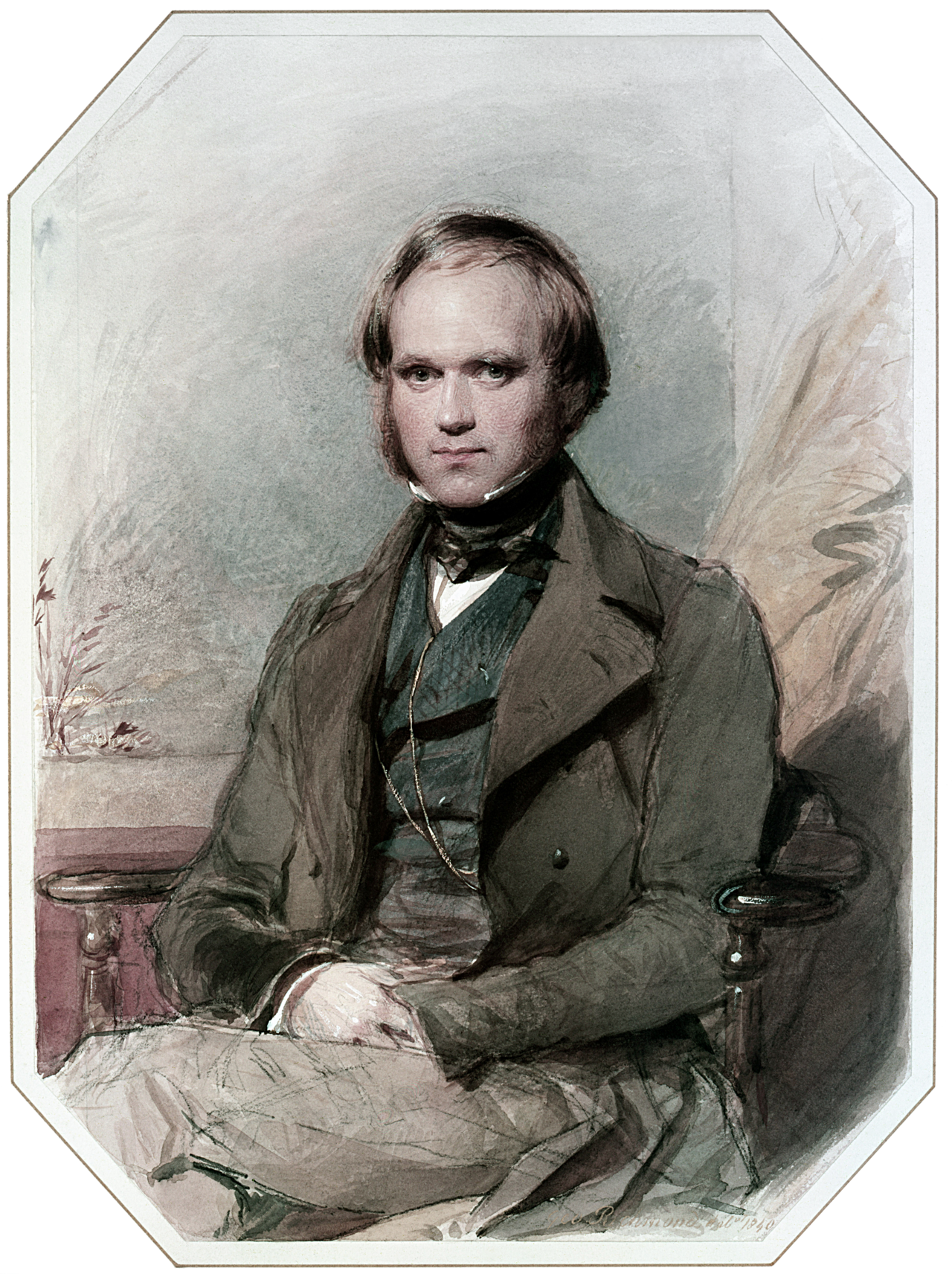
In 1856, Darwin's friend Charles Lyell warned him that someone else might reach the same idea first. Darwin began a huge book called , but it grew very long and was slow to write.
The warning proved right. On 18 June 1858, Darwin received a short essay from Alfred Russel Wallace, a working in Southeast Asia. It described natural selection in almost the same terms. Darwin was stunned. He sent it on to Lyell, as Wallace had asked.
Lyell and the botanist Joseph Hooker found a fair solution. On 1 July 1858 they presented papers by both men at a meeting of the Linnean Society of London. Darwin did not go, because his baby son had just died of scarlet fever. At first, there was little reaction.
Darwin then wrote a shorter version of his big book, which took him thirteen months. On the Origin of was published on 24 November 1859. Two days earlier, booksellers had already ordered every one of the 1,250 copies.
The book is "one long argument". Darwin set out many observations on breeding, , living animals and plants. He explained , and he answered objections he expected. The word evolved is the very last in the book. Darwin avoided talking about human origins but wrote that light would be thrown on the origin of man.
How did the world react?
The book caused great interest around the world. Darwin was too ill to join the public arguments, but he read every review and wrote to scientists in many countries.
The responses were mixed. Many scientists accepted that change but doubted that was the main cause. Some church leaders objected. Others, including the clergyman Charles Kingsley, thought natural selection was a grand way for God to work.
The most famous clash was at Oxford in 1860. Samuel Wilberforce, the Bishop of Oxford, argued against Darwin's ideas. Joseph Hooker spoke strongly for them. Thomas Huxley, who became known as Darwin's bulldog, said he would rather be descended from an ape than from a man who misused his gifts. Many people took this as a victory for science, though accounts of the day differ.
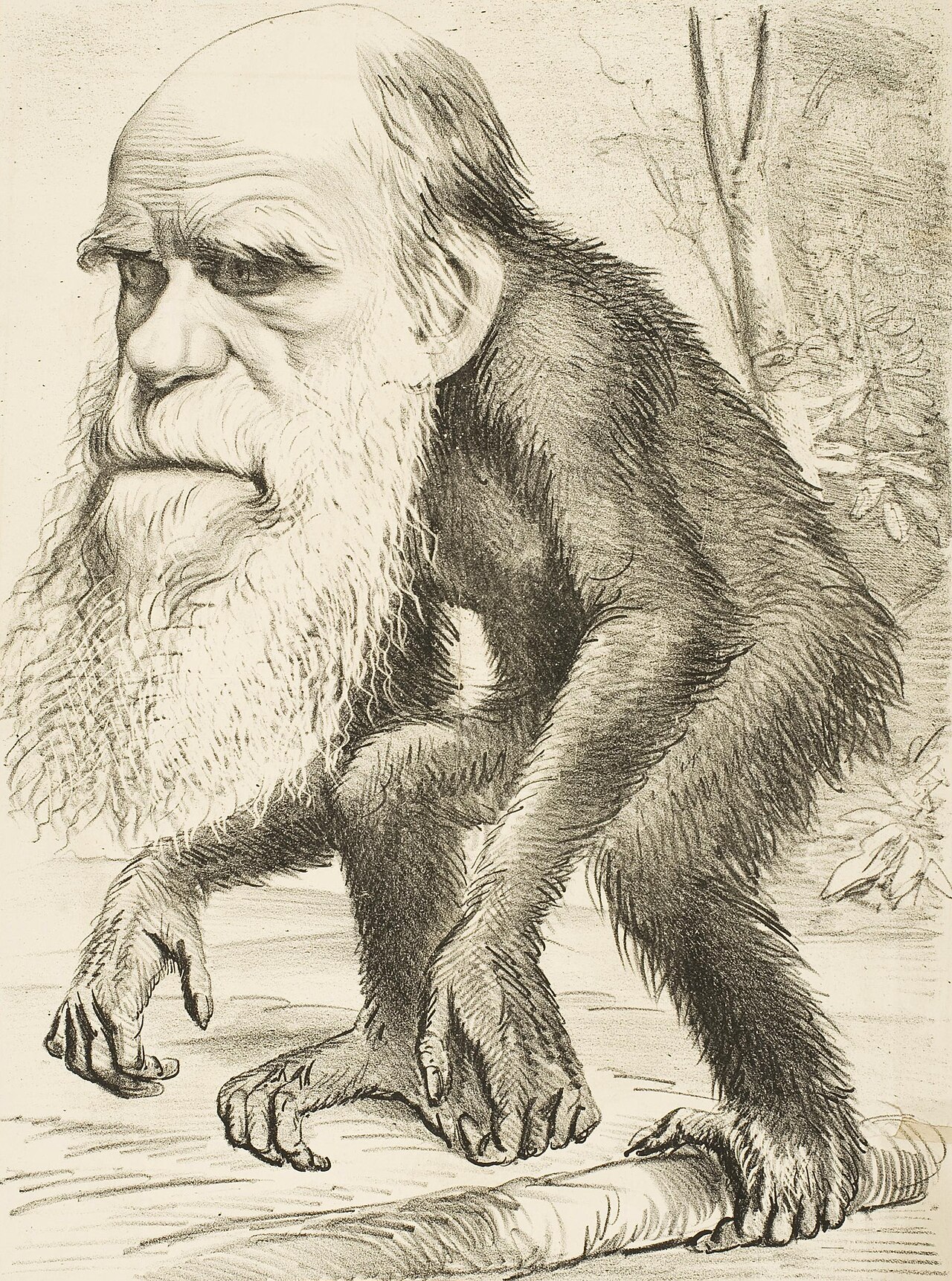
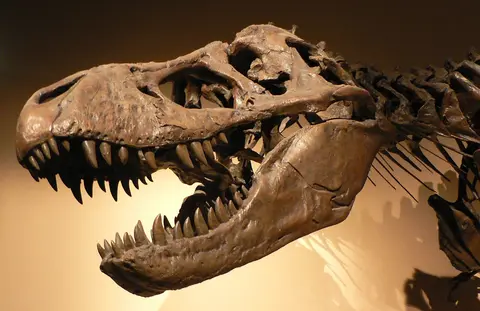
By the 1870s, most educated people accepted that happens. Evidence mounted. Othniel Marsh dug up that showed how the horse evolved. Cartoonists loved the idea of ape ancestors. Darwin grew a beard in 1862, and soon cartoons of him with an ape's body were common.
Full agreement on natural selection came much later. Between the 1910s and the 1940s, scientists joined Darwin's ideas with genetics. This was called the modern evolutionary synthesis. It made natural selection the basic mechanism of evolution.
What did Darwin do next, and what is his legacy?
Darwin kept working for the rest of his life. In 1862 he published a book about orchids and showed how each flower is shaped to attract a particular moth. One Madagascan orchid hides its nectar at the bottom of a tube about 30 centimetres long, so Darwin predicted that a moth with an equally long tongue must exist. Such a moth was found in 1903, long after he died. This gave a clear test of . He studied climbing plants and insect-eating plants, and he was the first person to recognise the importance of carnivorous plants.
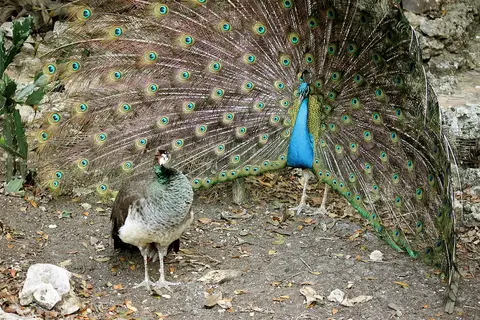
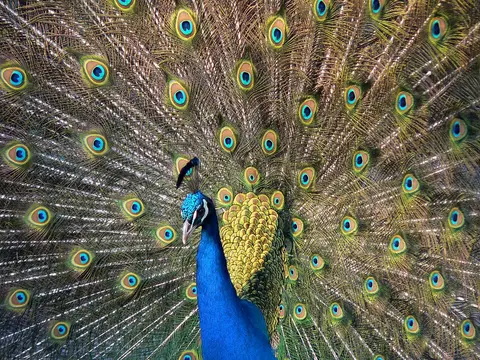
In 1871 he published The Descent of Man, which set out evidence that humans are animals and share ancestors with other apes. He also proposed sexual selection, to explain features such as the peacock's tail. In 1872 came The Expression of the Emotions in Man and Animals, one of the first books to use printed photographs. His final book, in 1881, was about earthworms. He showed that they slowly turn over the soil.
Darwin spoke out against slavery. Like many people of his time, he also held views about race that we now know are wrong, and The Descent of Man contains them. Modern genetics shows that all people belong to one .
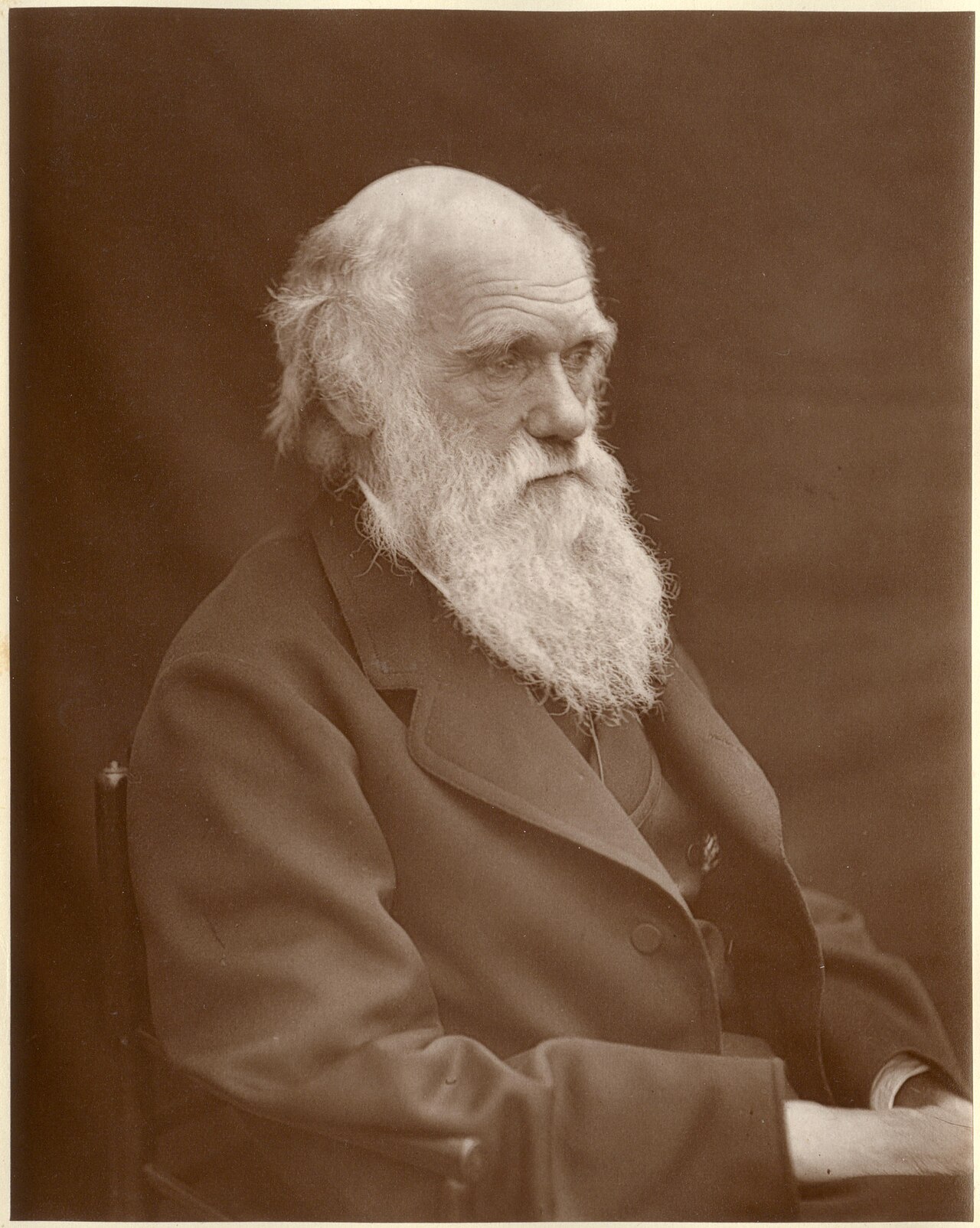
He died at Down House on 19 April 1882, aged 73. He was buried in Westminster Abbey in London, a great honour. Today, his idea of by natural selection is the unifying theory of the life sciences. It explains the diversity of life on Earth.
Explore Next
Your audio story keeps playing while you look around.
Words to Know
- atoll
- A ring-shaped coral island around a lagoon.
- common descent
- The idea that different species share a common ancestor.
- evolution
- Change in living things over many generations, as new species descend from older ones.
- fossil
- The remains or traces of a living thing from long ago, preserved in rock.
- natural selection
- The process in which helpful features become more common because the animals with them survive and breed more.
- naturalist
- A person who studies plants, animals and the natural world.
- selective breeding
- Choosing which animals or plants will have young, to bring out chosen features.
- species
- One kind of living thing.
- variation
- The small differences between individuals of the same species.