Grassland
Wide, open lands where grass rules and great herds roam.
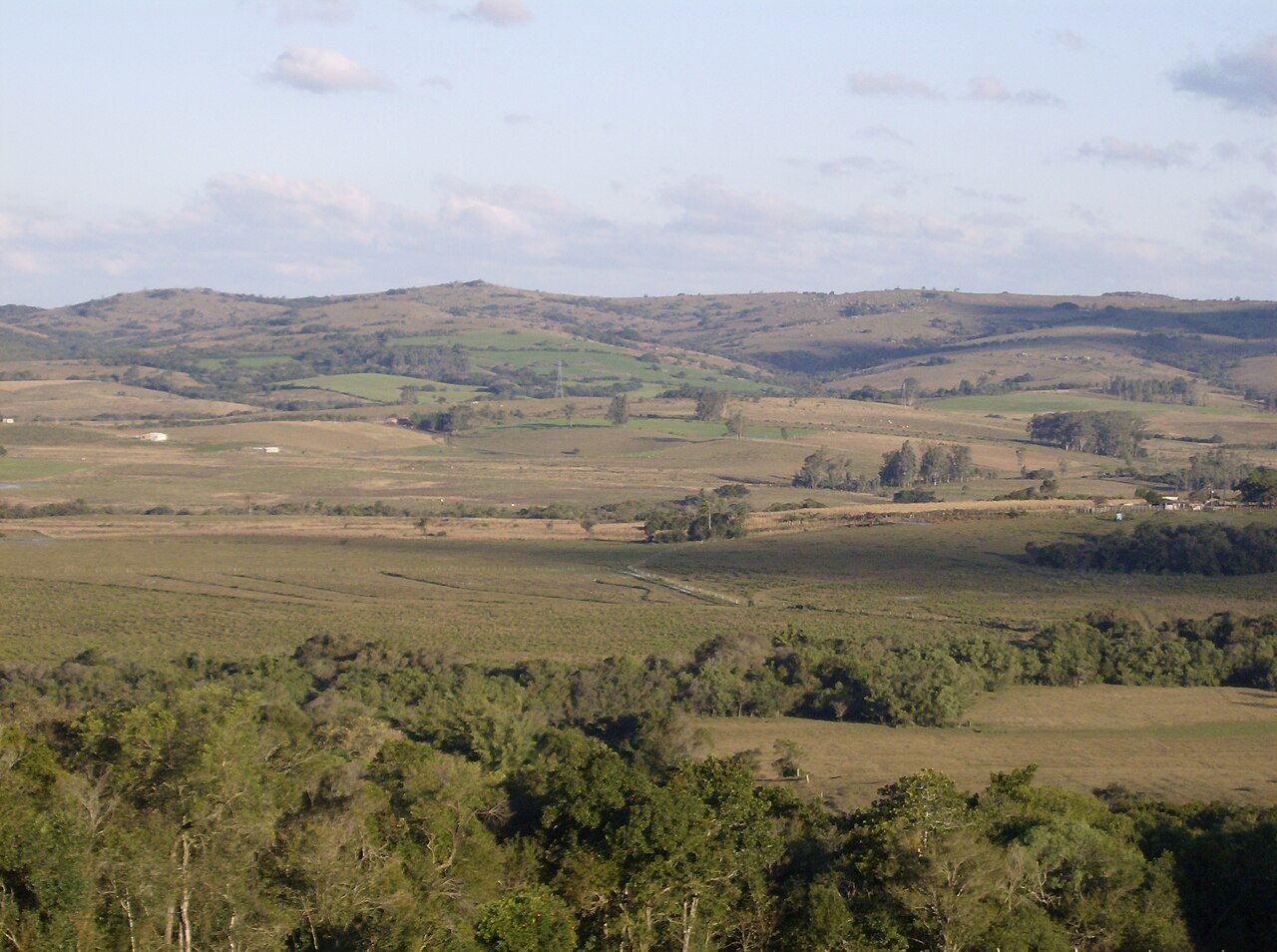
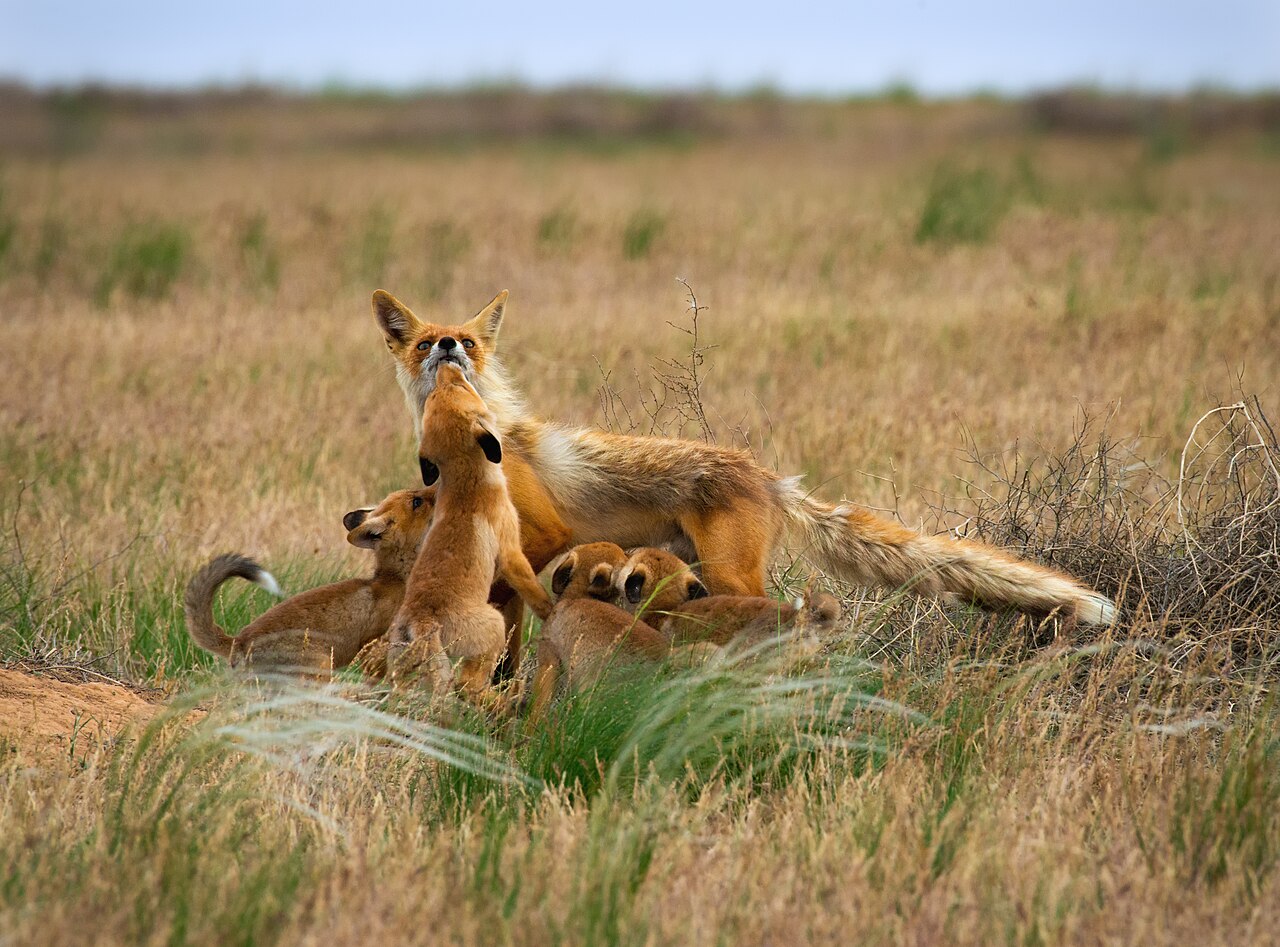
A grassland is a place where grasses are the main plants and trees are few. These open lands grow on every continent except Antarctica. Depending on how scientists count them, they cover anywhere from about a third to more than two thirds of Earth's land. Grasslands feed the biggest herds of large animals on the planet, from wildebeest on the African savanna to bison on the American prairie. They also hold huge stores of carbon in their roots and soil, and they feed people, because most of our farmland was once grassland. Yet they are among the most threatened places on Earth. Why do grasses win here, and what is happening to them now?
What makes a place a grassland?
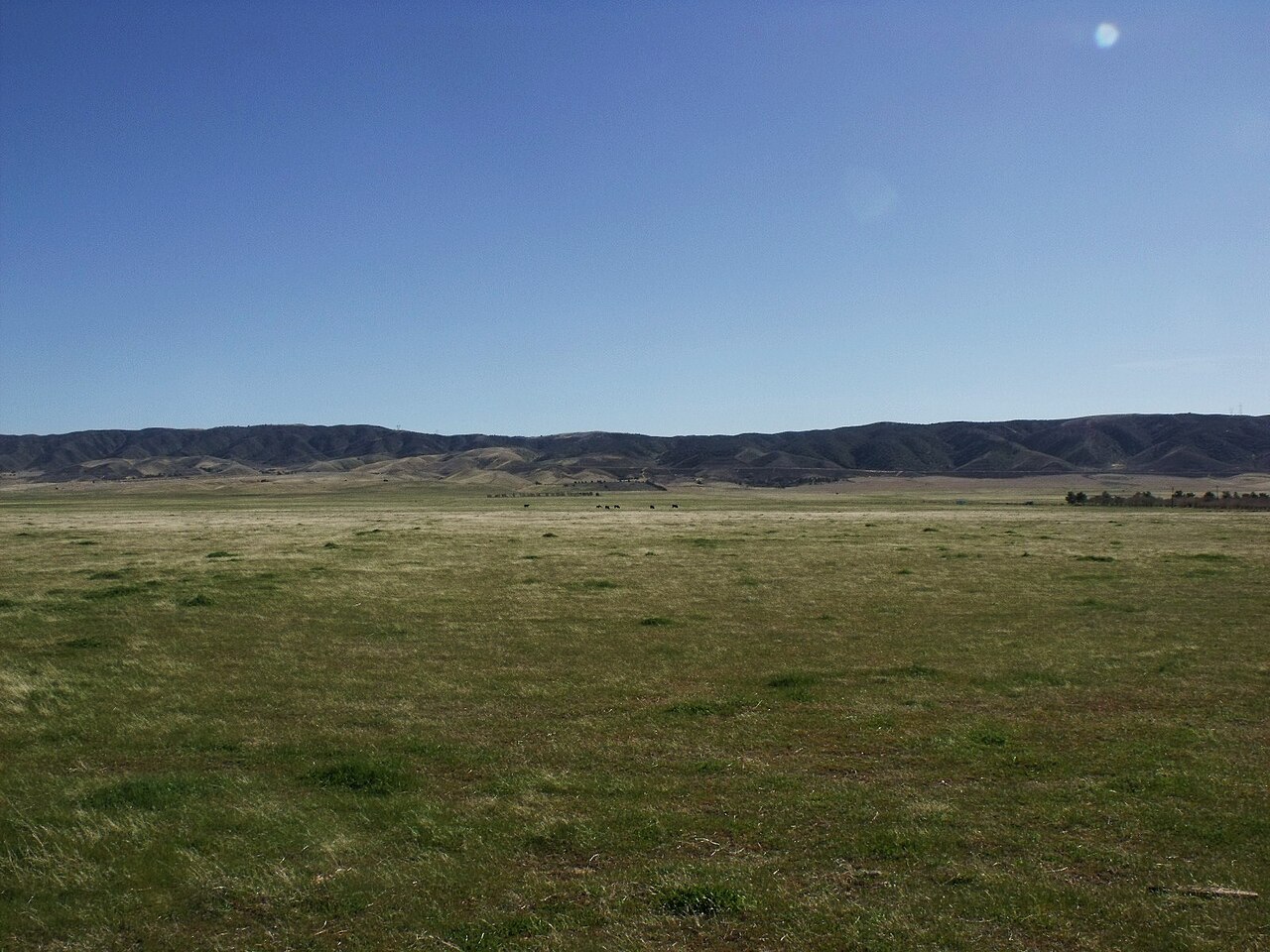
A grassland is a place where grasses are the main plants. Sedges, rushes and clover grow there too, along with many wildflowers and other soft-stemmed plants. Trees are few, and sometimes there are none at all.
Why do grasses win here instead of forest? Part of the answer is rain. Grasses grow best where about 500 to 900 millimetres of rain falls each year. That is plenty for grass, but it is often too little, or too unreliable, for a thick forest.
The other part is disturbance. Fire, grazing animals, drought and cold all keep trees out. A hungry animal can bite a young tree down to a stump, and a grass fire can burn it. Grass copes much better, because its growing point sits low, close to the ground. It can grow back quickly after being eaten, burned or mown.
Scientists sort grasslands into three groups. Natural grasslands exist without help from people. , such as hay meadows, exist because people mow them or let farm animals graze them over many years. Agricultural grasslands are sown with chosen grasses and clover to feed livestock.
Grasslands are one of the largest on Earth. A biome is a huge region where the climate, plants and animals share the same broad pattern. About one billion people depend on grasslands for food, grazing and income.
When did grass take over the world?
Grasses are among the most successful plants ever. They were already growing near the end of the age of the dinosaurs. We know this from fossilised dinosaur droppings. Some contain tiny glassy particles called phytoliths, made by grasses. A few belong to relatives of today's rice and bamboo. So some dinosaurs may have eaten grass.
Wide-open grasslands came much later. In the western United States, mountains rose over about 25 million years. They changed the weather of the continent's middle, giving it hot summers and cold winters with less rain. That climate suited grasses better than trees. Between about 20 and 5 million years ago, open grasslands spread across many continents and forests began to shrink.
The ice ages came next. Over the last 2.6 million years, ice spread and melted again and again. When the ice drew back, the climate in many places turned warmer and drier, and grassland spread across huge areas.
People changed the story again. When farmers began clearing European forests, they opened up land for crops and animals. Cattle and sheep grazed the cleared ground, and farmers cut hay from it. Over centuries this created meadows full of wild flowers. These are the . Hunting peoples in other parts of the world often lit regular fires to keep land open. The tallgrass of the American Midwest may have been pushed eastward into Illinois, Indiana and Ohio in this way.
So many grasslands are partly a gift of nature and partly made by people.
What kinds of grassland are there?
Scientists have drawn up many lists of grassland types. A helpful way is to sort them by climate.
Tropical and subtropical grasslands are warm all year. Rain is often between 900 and 1,500 millimetres a year, but it falls in a wet season and a dry one. Grasses grow among scattered trees, which makes a . The African savanna is the most famous. The Llanos of South America are another.
Temperate grasslands lie in the middle latitudes, where summers are warm and winters cold. They go by many local names. In North America they are . In Argentina, Uruguay and southern Brazil they are the Pampas. Across Europe and Asia they are . In the wetter east of North America the prairie grass grows very tall, so it is called tallgrass prairie. In the drier west it is short. Chalk downland in England is a temperate grassland too, kept short by sheep and rabbits.
Desert grasslands grow where rain is scarce and temperatures swing between extremes. Their plants and animals are very good at saving water.
The words savanna, prairie, steppe and meadow all describe land where grass rules. What differs is the climate, the soil and the place. A grassland in Brazil and one in Mongolia look alike from far away, yet the plants and animals in them are very different.
Can grasslands be flooded, high up or frozen?
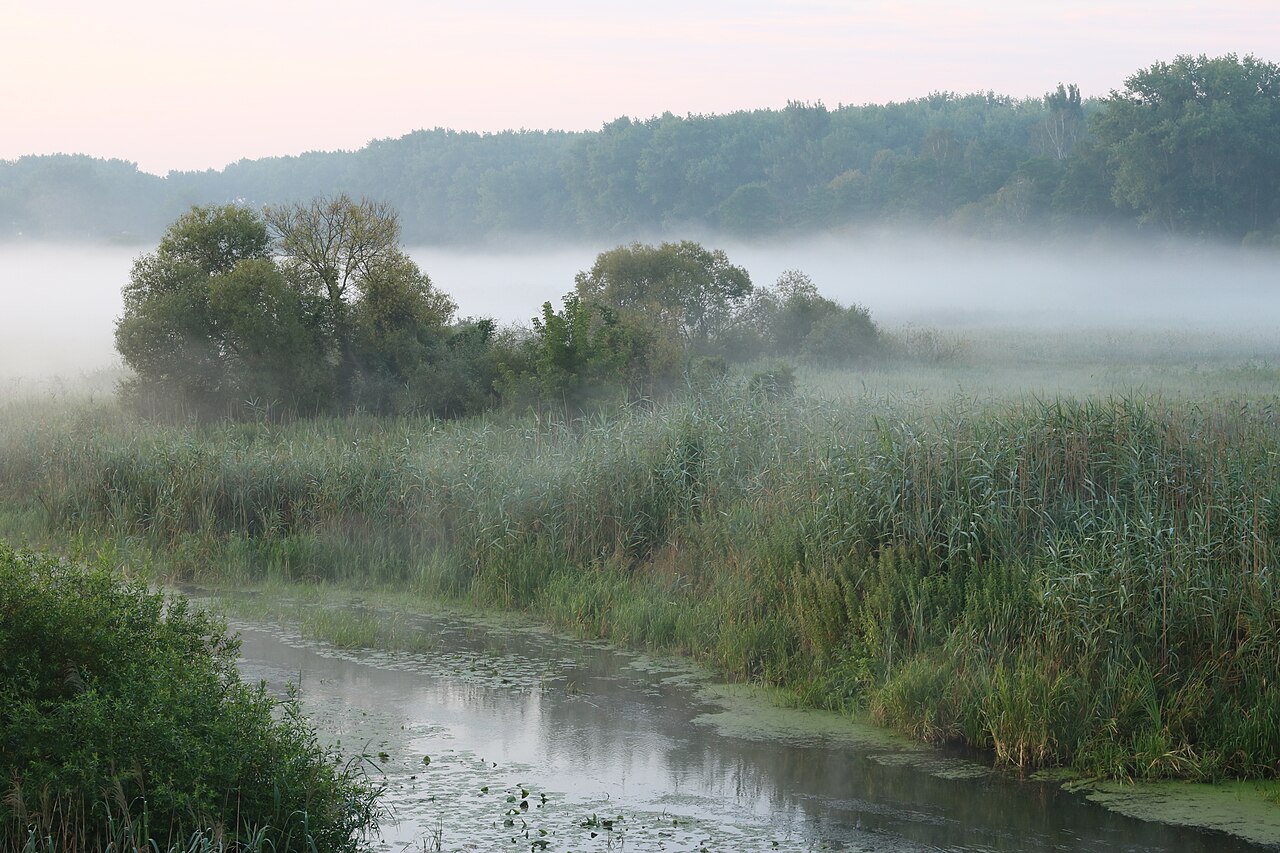
Yes. Grass is flexible, and some of the most surprising grasslands are not dry at all.
Flooded grasslands lie under water for part of the year, or all of it. Famous ones are the Everglades of Florida, the Pantanal of Brazil, Bolivia and Paraguay, and the Esteros del Ibera in Argentina. The plants and animals there are adapted to wet soil and changing water levels. The Everglades is the world's largest rain-fed flooded grassland. Everglades National Park alone has about 750 kinds of native seed-bearing plant, 39 kinds of native orchid and more than 350 kinds of bird, as well as many kinds of fish and reptile. Farmers also make water-meadows on purpose, flooding fields for short periods to help the grass grow.
Montane grasslands grow high on mountains, above the tree line. The Páramo of the Andes is one. Plants there must cope with cool, wet weather and very strong sunshine.
Tundra grassland sounds odd today, because the cold Arctic is mostly too soggy for grass to dominate. But during the ice ages, enormous areas of the Northern Hemisphere were covered by a cold, dry grassland called the mammoth . The ground below was frozen, yet the grass fed a wide variety of animals. When the climate grew warmer and wetter about 11,700 years ago, much of the mammoth steppe turned to forest. The drier parts in central Eurasia stayed grassy. They are today's Eurasian steppe.
Which animals live on grasslands?
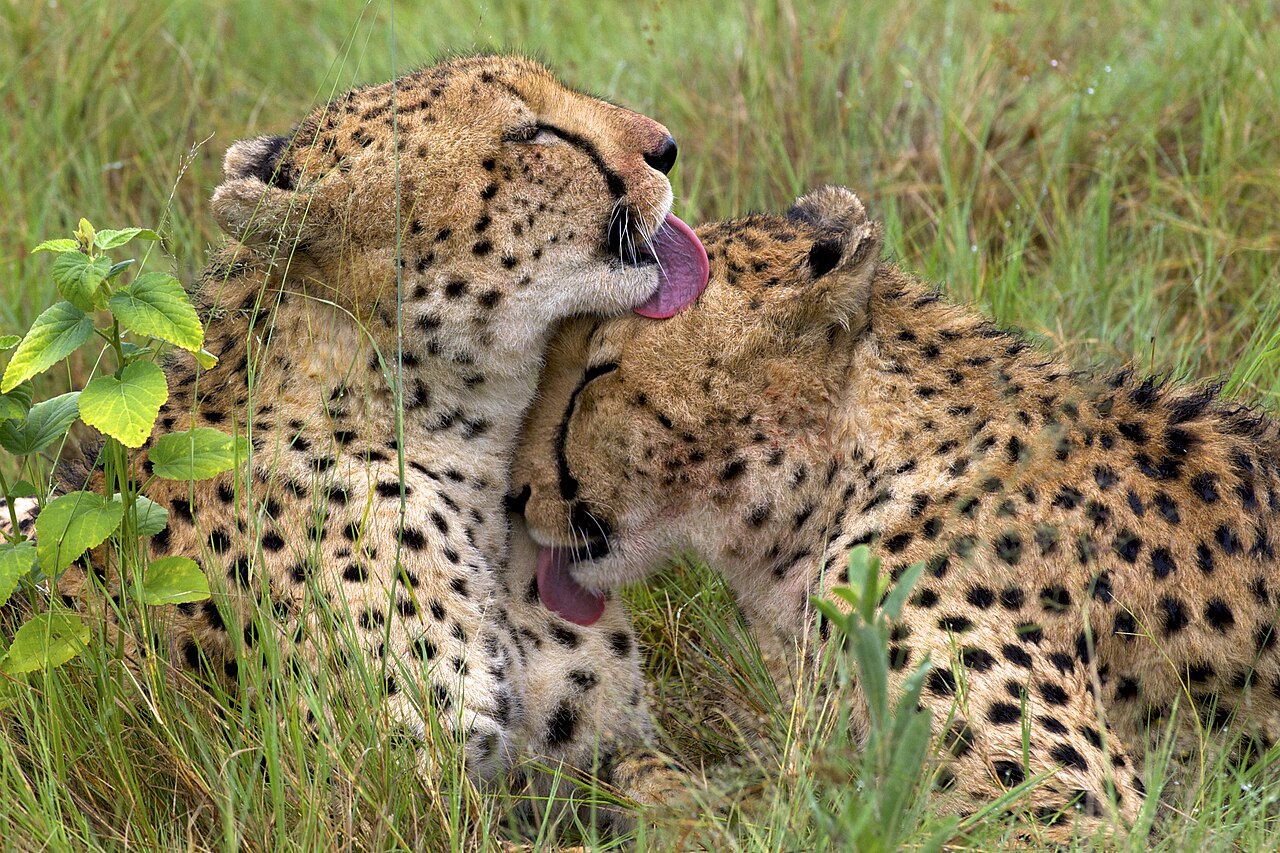
Grasslands support the biggest gatherings of large animals on Earth. The reason is simple to say. Grass is food, and there is a lot of it. Herds of grass-eaters can feed on open ground, and in a herd, many eyes watch for danger. Where there are herds there are hunters.
On the African , blue wildebeest and zebras graze in enormous herds. Lions and cheetahs hunt them, and elephants and rhinoceroses feed there too. In North America the plains bison, the pronghorn, dogs, swift foxes and the rare black-footed ferret live on the prairies. Asia has the Przewalski's horse, and South America has the jaguar and the giant anteater. Many birds nest in the grass. The mountain plover of North America and the snipe and little bustard of Europe are all grassland specialists.
Plants and animals here are tied together by a web of links. Pull out one piece and others suffer. Hunters nearly wiped out the American bison, and prairie dogs were removed from large areas of the American West. Both changes upset the balance of those grasslands and harmed other species. Cane toads, brought to northern Australia by people, are an that has damaged local wildlife.
Hunting that is not controlled, or is against the law, can push species towards extinction. Large grassland animals are easy to see on open ground, which makes them easy targets.
What is hiding under the grass?

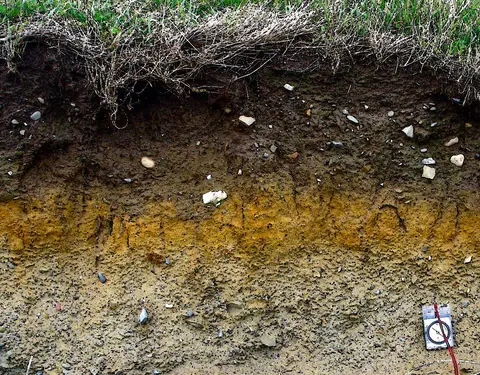
Most of a grassland lives where you cannot see it. Perennial grasses, which live for many years, grow thick mats of fine roots. These mats hold the soil in place. Roots can reach several metres down, and in undisturbed grasslands on the richest soils, animals live as deep as 6 metres.
The soil teems with life. Mites, insect larvae, tiny worms called nematodes and earthworms break up hard ground. They also add natural fertiliser such as urea. Fungi that live with the roots help to spread them, trap minerals and water, and make some plants better at fighting off insects and germs.
This underground world is also a giant store of carbon. Grasslands hold about a fifth of all the carbon in the world's soils. Above ground, grass is eaten, burned or dies back within a year or so, so its carbon does not stay. Below ground it can stay for a long time. About 81 per cent of the carbon in a typical grassland ecosystem is in the soil. Grasses often account for 60 to 80 per cent of the carbon held in living material there, and most of that is in roots.
Years of root growth and decay make deep, dark, fertile soil. That is why farmers have wanted grasslands for crops. Ploughing, fire, erosion and water shortage can release the carbon back into the air. Good management can win some of it back. Scientists still disagree about exactly how much carbon grasslands can hold, because measuring soil carbon is hard.
Why are old meadows so full of life?
A tiny patch of old grassland can hold more kinds of plants than a whole forest. In a meadow in Estonia, scientists counted 76 kinds of plant in a single square metre. That is a European record. Chalk downland in England can hold more than 40 kinds in a square metre.
How does that work? Poor soil helps. On land with few nutrients, no single strong plant can crowd out the rest, and trees and bushes find it hard to move in. Grazing and mowing help too. They cut back the tallest growers, so that small flowers still get light. Over centuries, plants and animals have settled into these managed meadows and adapted to them.
Many flowers bring many insects. such as bees and butterflies feed there, and so do beetles and other small animals. These feed birds such as the snipe. Many threatened species depend on .
Agriculturally improved grassland is very different. Farmers plough it, spray it and sow it with fertiliser. Often they plant only a few kinds of grass and clover, such as perennial ryegrass and white clover. The grass grows well, but wildlife largely disappears.
Old meadows have become rare. Almost 90 per cent of Europe's semi-natural grasslands were lost during the 20th century, for political and economic reasons. In Western and Central Europe, almost all have gone. Original North American and British wildflower meadows are now rare as well. Conservation groups often buy what remains.
Why are grasslands disappearing?
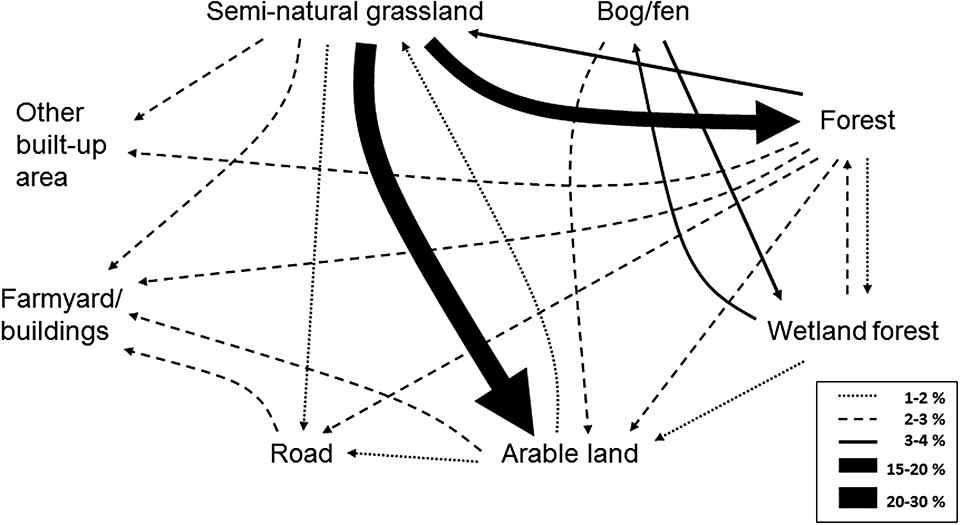
Grasslands are among the most threatened ecosystems on Earth. According to the International Union for Conservation of Nature, the biggest danger is how people use the land, mainly farming and mining. Losses from damaged grassland are thought to cost the world over 7 billion US dollars every year.
Farming is the main cause. To feed a growing population, most of the world's grasslands have been turned into fields of maize, wheat and other crops. Flat, fertile land that is easy to reach, for example near a road, goes first. Dry or steep land is more likely to stay as grassland, but new machines are making it easier to farm slopes. A study of land change from the 1960s to 2015 found that about a quarter of was lost to farming and other uses. Where grassland stays, farmers add more fertiliser, remove field edges and level the ground to suit big machines.
Other threats are less obvious. Without fire or grazing, shrubs and trees move in. This is called . In a study of highland grasslands in Brazil, areas where traditional burning and cattle grazing stopped could vanish within 30 years. Higher carbon dioxide in the air also helps woody plants, and more nitrogen from air pollution lets a few fast growers crowd out other plants.
Even well-meant tree planting can do harm. One map of land suitable for forest restoration covered 2 billion hectares, and about 900 million hectares of that were grasslands. Planting trees on them would damage the very habitats they are meant to help.
Can we bring grasslands back?
Partly, yes. Restoring a grassland is hard, slow work, and scientists are still learning how best to do it. The costs vary a great deal, and good data are scarce.
Several methods are in use. , which are planned and controlled burns, copy the natural fires that once kept trees away. Managers also cut trees and remove shrubs, control , and bring back grazing by livestock or wild in the right amounts. Where the native plants have gone, workers sow native grasses and wildflowers, or transplant them. The seeds are often a problem. Many native plants do not produce enough seed, and that is one of the main challenges.
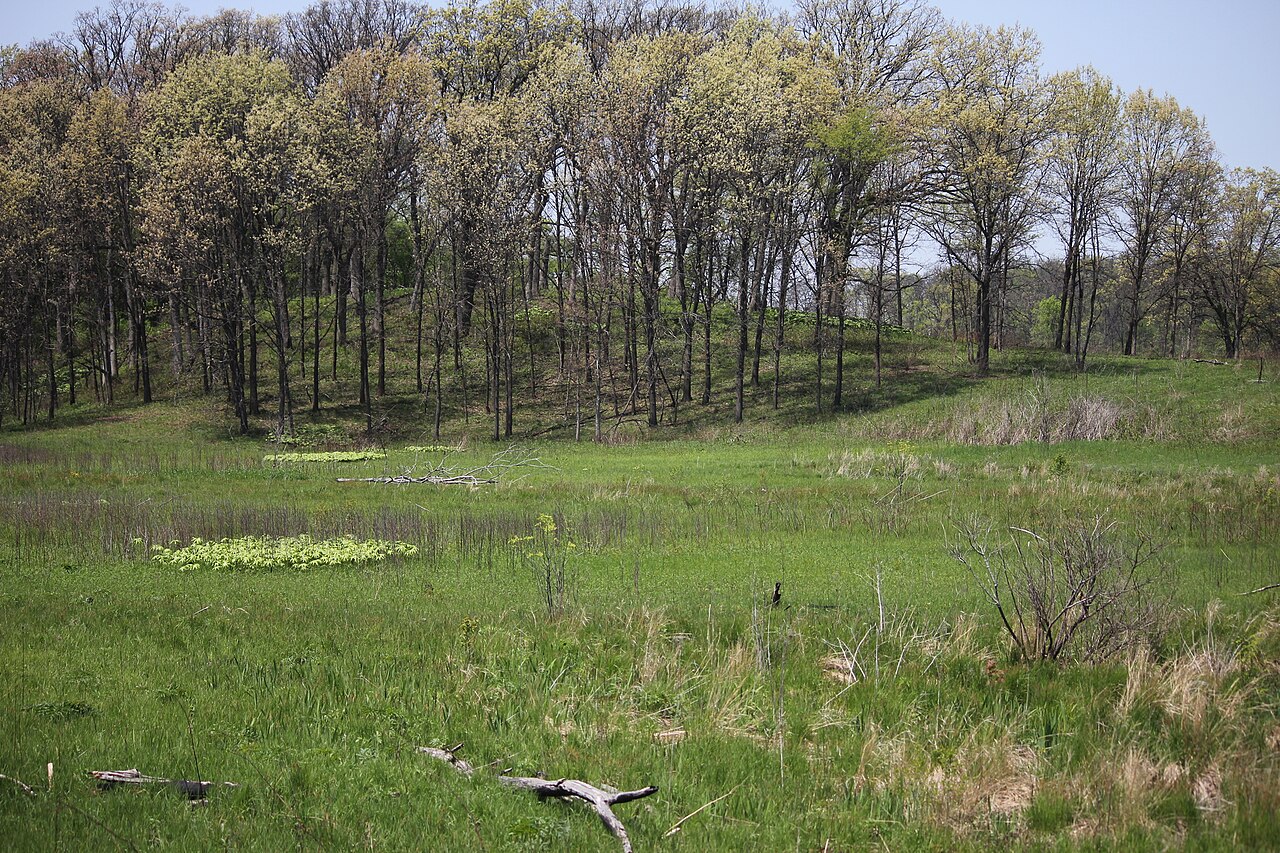
Nachusa Grasslands in Illinois, in the United States, is one example of a restored . Others take place on a much larger scale. The United Nations has declared 2021 to 2030 a Decade on Ecosystem Restoration, backed by a joint call from over 70 countries. It is led by the United Nations Environment Programme and the Food and Agriculture Organization.
Grasslands matter to everyone. They help to protect wildlife, hold carbon and moderate the weather. Millions of people depend on them for food and work. Protecting the grasslands that remain is far cheaper than rebuilding them.
Explore Next
Your audio story keeps playing while you look around.
Words to Know
- biome
- A huge region with a similar climate, plants and animals.
- herbivore
- An animal that eats plants.
- invasive species
- A plant or animal brought to a new place where it harms local wildlife.
- pollinator
- An animal, such as a bee, that carries pollen between flowers.
- prairie
- A temperate grassland of North America.
- prescribed fire
- A planned, controlled burn used to look after land.
- savanna
- A tropical grassland with scattered trees.
- semi-natural grassland
- Grassland kept going by people mowing it or grazing animals on it.
- steppe
- A dry temperate grassland, mostly in Europe and Asia.
- woody encroachment
- Shrubs and trees spreading into open grassland.