Bird
Feathered, warm-blooded and mostly able to fly: the dinosaurs that survived.
Birds are the only living animals with feathers. There are more than 11,000 species. The bee hummingbird is about as long as a thumb, and the ostrich is taller than most adults. Birds live on every continent, and some cross whole oceans without stopping. They sing, build nests, raise chicks and fly. Birds also have an astonishing past. They are living dinosaurs, descended from small feathered hunters that lived over 150 million years ago. Every sparrow in the garden and every eagle in the sky comes from a family that survived the extinction that wiped out the other dinosaurs.
What makes a bird a bird?
A bird is a warm-blooded animal with a backbone, feathers, a beak with no teeth, wings, and hard-shelled eggs. It has a four-chambered heart, a very fast metabolism and a strong but light skeleton. Feathers are the key. No other living animal has them.
Birds have wings, which are changed forelimbs. Most birds can fly, but about 60 living kinds are flightless, including ostriches, kiwis and penguins. Flightlessness often evolved on islands, where there were few hunters on the ground. Among extinct birds, the giant moa of New Zealand had no wing bones at all, and the elephant birds of Madagascar had only tiny wings.
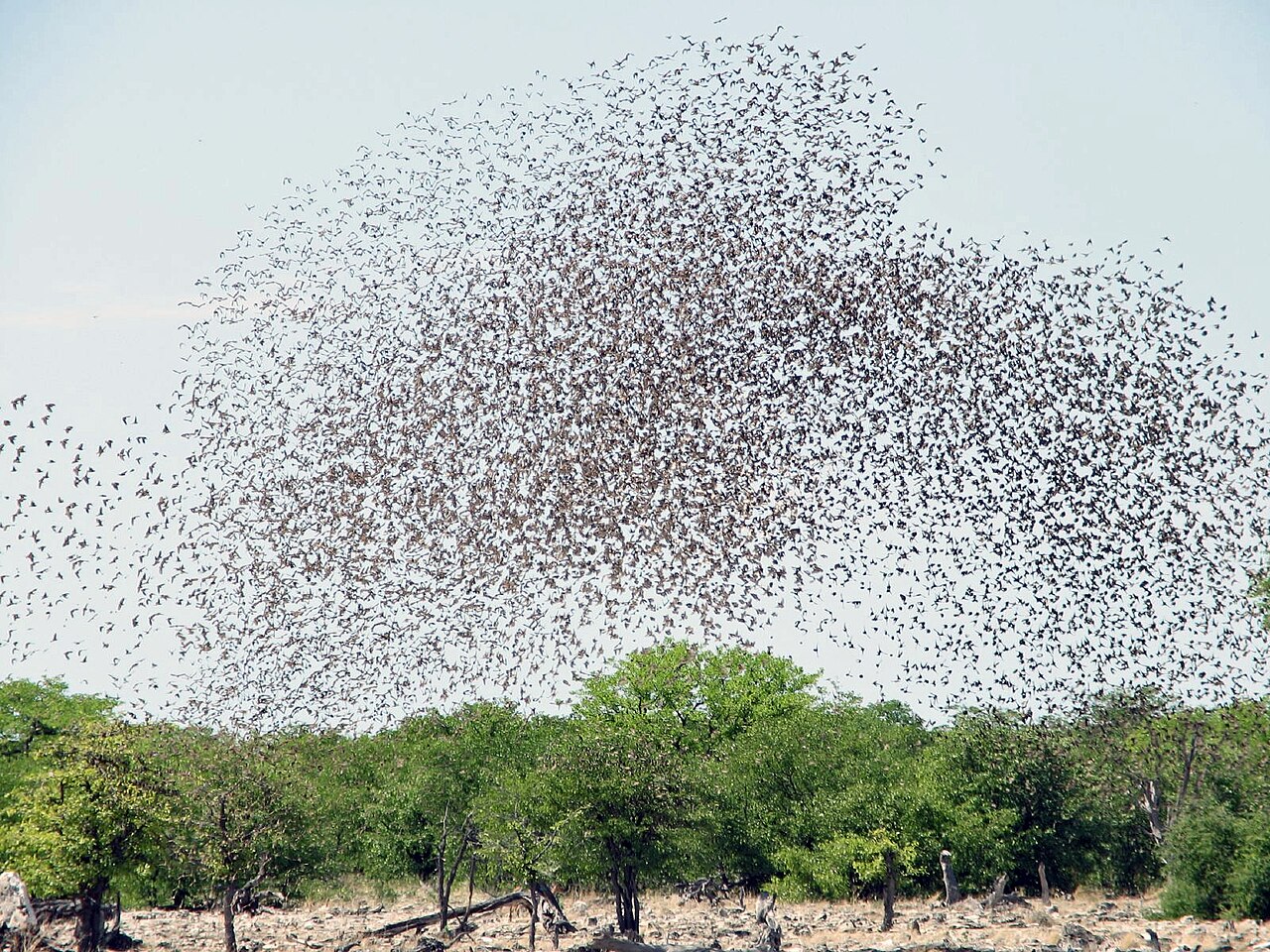
Birds come in many sizes. The bee hummingbird of Cuba is 5.5 cm long, while the common ostrich of Africa can be 2.8 m tall. Scientists have counted over 11,000 species and sorted them into 44 groups called orders. More than half are perching birds, or , such as robins, finches and crows. Some species are astonishingly common. The red-billed quelea of Africa gathers in flocks tens of thousands strong. Its total may reach about 1.5 billion, which could make it the most numerous wild bird.
Birds live almost everywhere and breed on all seven continents. The snow petrel nests as far as 440 km inland in Antarctica. Tropical regions have the most species. Emperor penguins have been recorded diving deeper than 500 m.
The study of birds is called . Watching them for fun, called birdwatching, is a big part of nature tourism.
Are birds really dinosaurs?
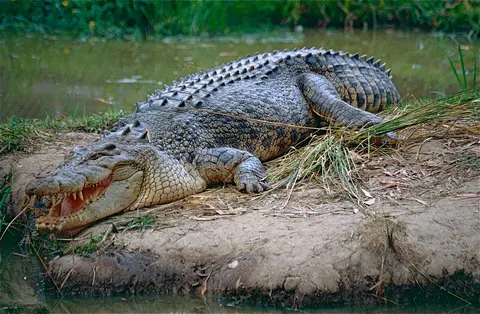
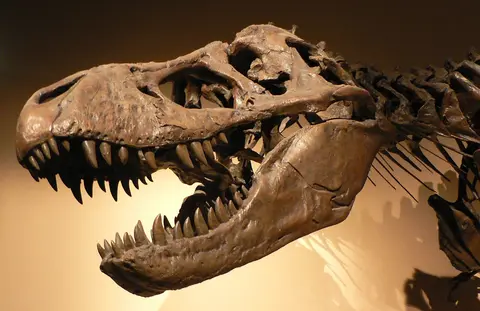
Yes. Most scientists agree that birds are a branch of the . This was the group of two-legged, mostly meat-eating dinosaurs that included Velociraptor and Tyrannosaurus. Birds are not only related to dinosaurs. They are dinosaurs, the only ones alive today. Their closest living relatives are the crocodiles.
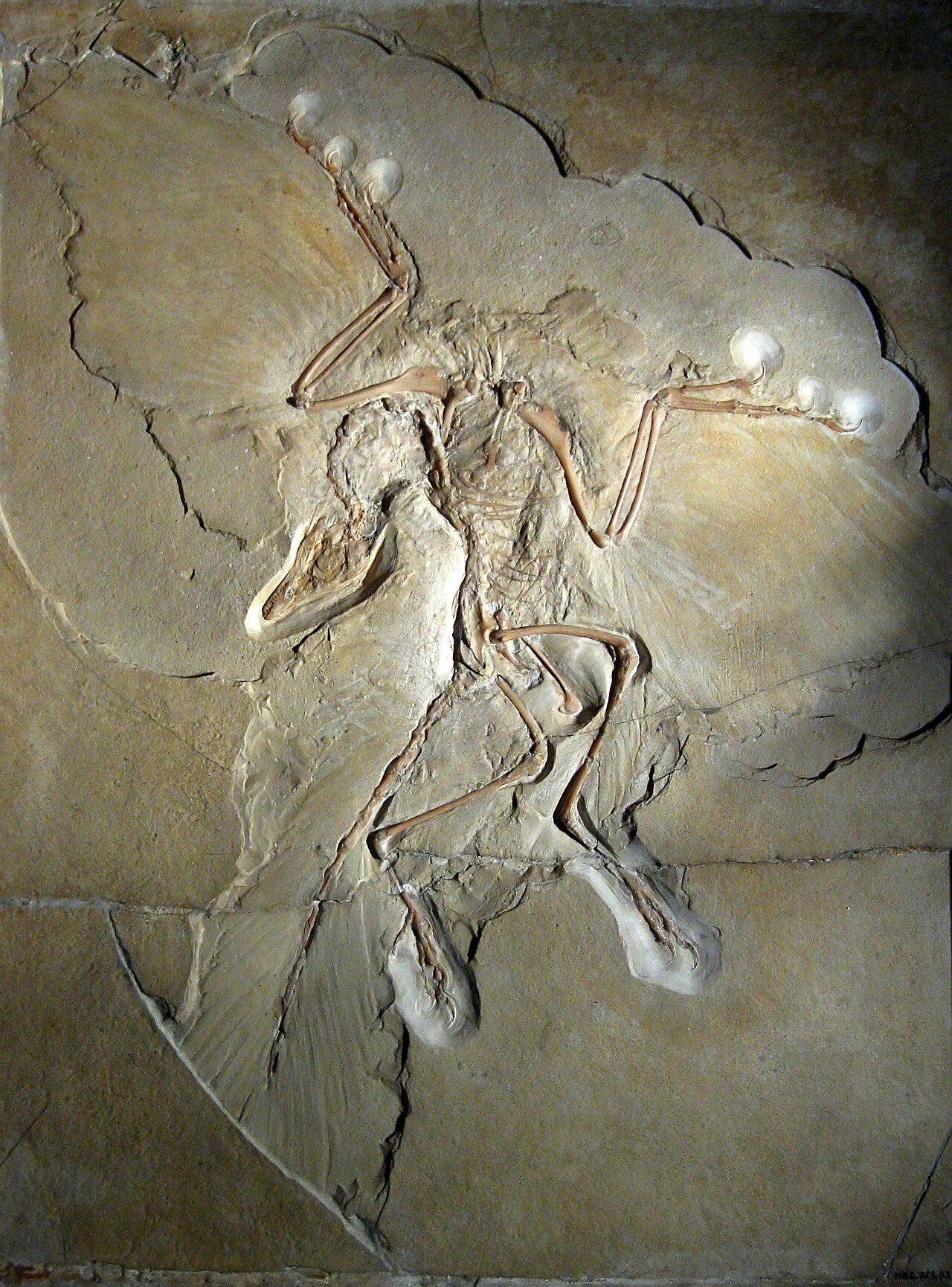
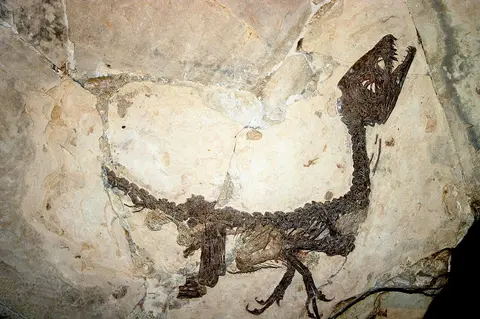
The evidence is in the rocks. In 1861 a fossil from Germany named Archaeopteryx showed teeth, clawed fingers and a long bony tail, like a reptile. It also had wings with real flight feathers. It lived about 150 million years ago, in the Late Jurassic. It was one of the first transitional fossils found, and it supported Charles Darwin's theory of evolution. Scientists now think it was a close cousin of the first birds, not a direct ancestor.
Since the 1990s, fossils from Liaoning in north-east China have shown many small feathered dinosaurs. Some, like Microraptor, had feathers on all four limbs and may have glided. The oldest known bird-like fossils, from China, are about 160 million years old. The line between dinosaurs and birds is now blurred.
Birds evolved in steps. Over tens of millions of years, bird ancestors became smaller, grew longer arms and bigger brains, and gained complex feathers. Later, tails grew shorter and breastbones grew a keel to anchor flight muscles.
Then, 66 million years ago, an extinction killed all other dinosaurs. Modern birds survived and spread.
How do feathers and wings make flight possible?
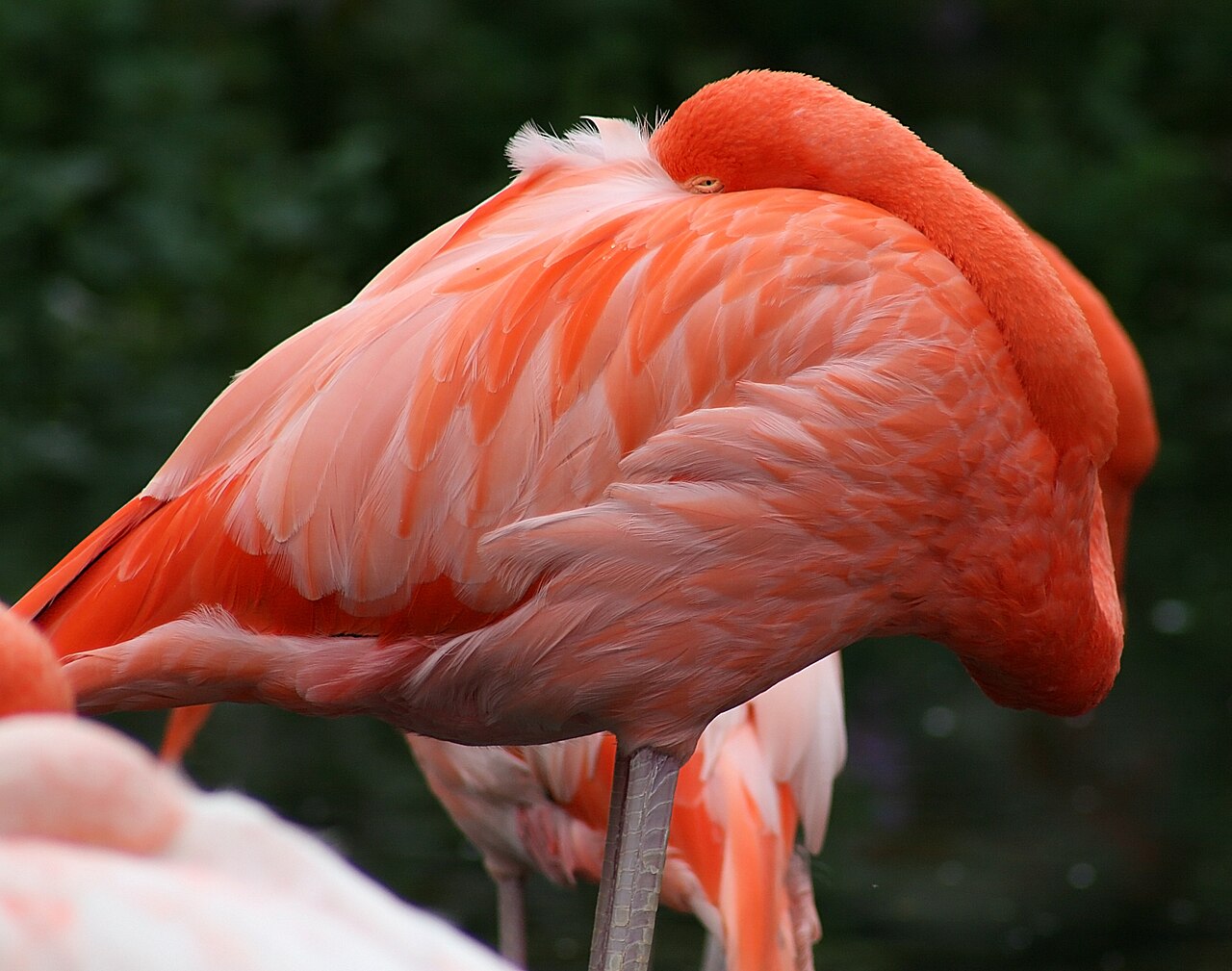
Feathers are made of keratin, the same material as your fingernails, and they do several jobs. Flight feathers on the wings and tail give lift and let a bird steer, while soft downy feathers trap warm air close to the body. Bright feathers are used to show off, and dull ones help a bird hide.
A bird's , or set of feathers, can change with its age, sex and the season. Birds , which means they replace their feathers, usually once a year. Most birds shed a few feathers at a time and can still fly. Ducks and geese lose all their flight feathers at once and are grounded for a while.
Feathers need daily care. Birds preen, which means they comb each feather with the beak and spread oil from a gland near the tail. The oil keeps feathers flexible and fights germs, and birds spend about 9 per cent of their day on the job. Some birds also let ants run through their feathers, which may help to clear parasites.
Flight needs a special body. The bones are light and hollow, with air pockets, and the big breastbone has a keel that anchors the large flight muscles. These muscles can make up 15 per cent of the bird's body weight. Wing shape matters too. Long, broad wings are good for soaring, while short, pointed wings are good for speed. Penguins cannot fly in air, but they use the same muscles to "fly" underwater.
What is going on inside a bird?
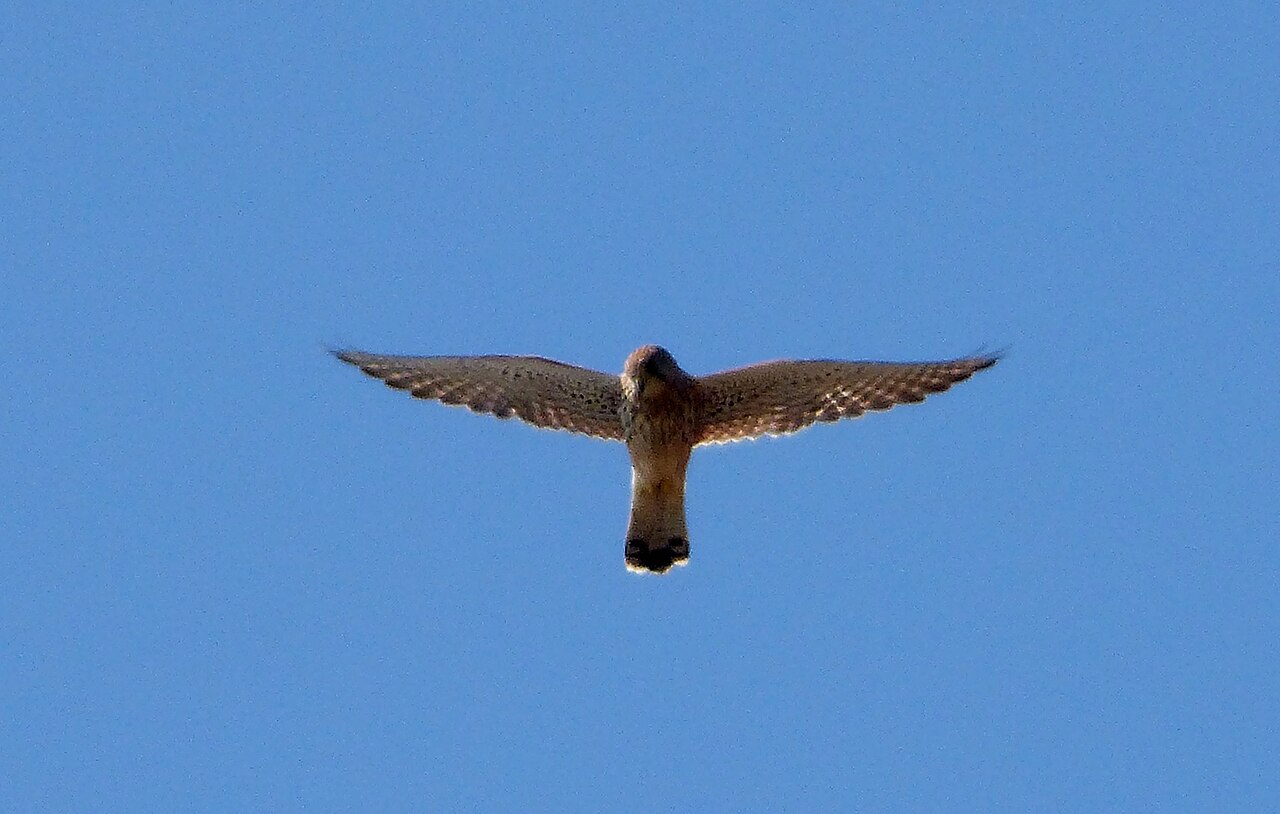
A bird's body is tuned for the high energy that flight needs. Its heart is large for its size and has four chambers. It beats very fast and keeps the body at a high, steady temperature.
Birds also have one of the most efficient breathing systems in the animal world. Air sacs are attached to the lungs, and air flows through in one direction. This means the lungs get fresh air when the bird breathes in and when it breathes out. Because they take oxygen so well from thin air, birds can fly high up where there is little of it.
Birds have no teeth, so they swallow food whole. Many store it in a stretchy pouch called the crop. A muscular stomach called the then grinds it up, often with stones the bird has swallowed. Digestion is fast, which saves weight. Birds also have no bladder. Their waste leaves as a white paste, mostly uric acid, through the cloaca, a single opening that is also used for mating and for laying eggs.
Birds see very well. Their eyes are large and they can see ultraviolet light, which humans cannot. Blue tits have patches on their heads that show up in ultraviolet, and kestrels can spot the urine trails of voles that way. Most birds have a poor sense of smell, but kiwis, vultures and petrels are exceptions. Their ears have no outer flap and are hidden by feathers.
What do birds eat, and how do they catch it?
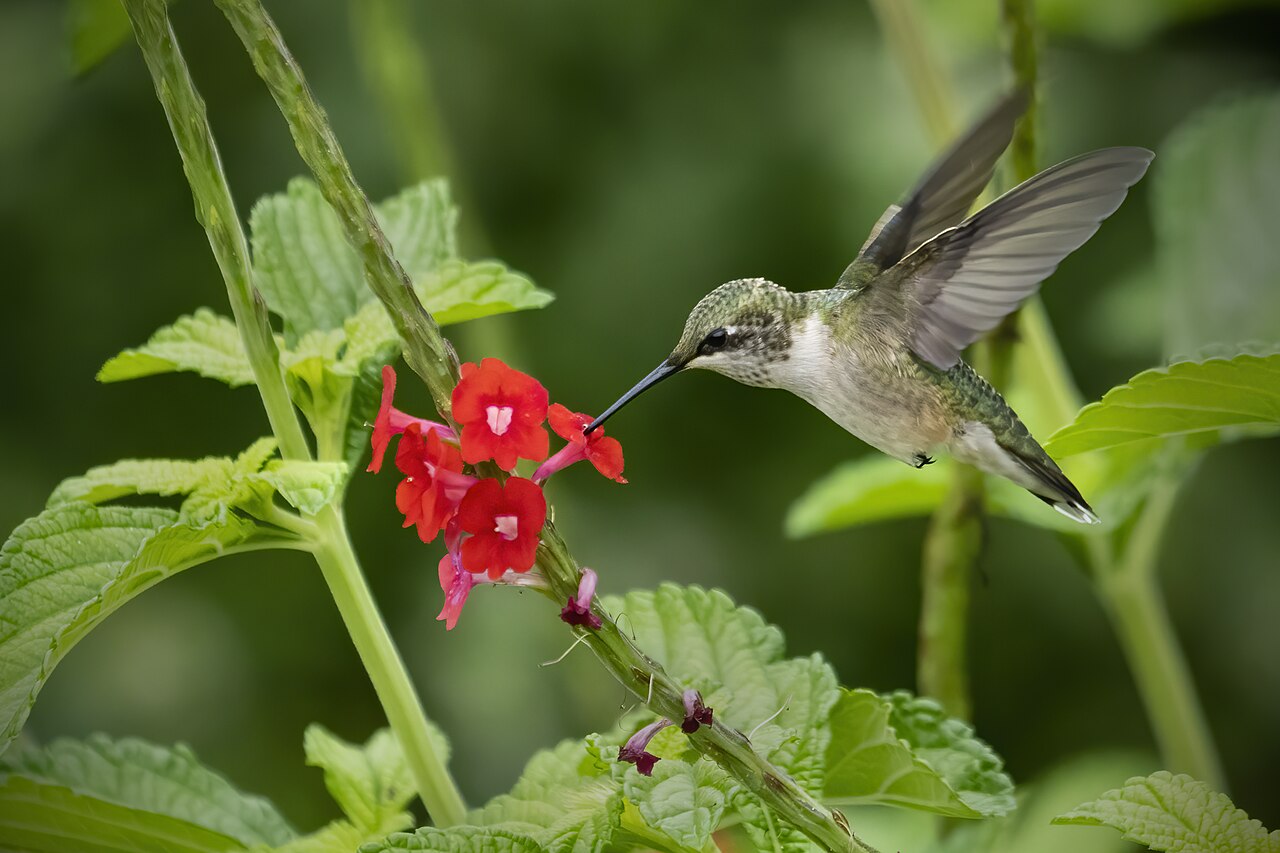
Birds eat almost everything. Diets include nectar, fruit, seeds, leaves, insects, fish, carrion and other birds. A bird's beak is a good clue to its diet.
Hummingbirds and sunbirds sip nectar with long bills and brush-tipped tongues. In many cases their bills fit a particular flower. Kiwis and shorebirds probe mud with long bills for worms and shellfish. Different shorebirds have different bill lengths, so they can feed side by side without competing. Flamingos, some ducks and prions filter tiny food from water. Geese graze on grass.
Some birds hunt. Kingfishers, terns and gannets plunge into the sea after fish. Penguins and auks chase fish underwater, using their wings or feet as paddles. Birds of prey, such as eagles and owls, catch other animals with sharp claws. Vultures eat carrion, which is dead animals.
Birds that eat insects help people. Together they eat an estimated 400 to 500 million tonnes of insects and other arthropods each year, and so they keep many pests in check.
Some birds steal. Frigatebirds, gulls and skuas sometimes rob other birds of food, which is called kleptoparasitism. In one study, great frigatebirds took at most 40 per cent of their food this way, and on average only 5 per cent.
Drinking is easy to overlook. Seabirds can drink seawater because salt glands in the head remove the extra salt through the nostrils.
How do birds travel across the planet?
Many birds migrate, which means they breed in one place and spend the rest of the year in another. They follow the seasons so that there is always food and a place to nest. Often they breed in the cooler north in summer and winter in the warmer tropics.
Some journeys are huge. The Arctic tern flies from the Arctic to Antarctica and back each year. Tracking showed an average of about 70,900 km a year for birds breeding in Greenland and Iceland, and one bird flew 81,600 km. The sooty shearwater, which nests in New Zealand and Chile, flies about 64,000 km in a year. The record for a single flight belongs to a young bar-tailed godwit. In 2022 it flew about 13,560 km from Alaska to Tasmania in 11 days without landing, the longest non-stop flight recorded for any bird.
Before a long journey, birds eat a lot and build up fat. Some even shrink organs they will not need, to save weight. Day length and weather tell them when to go.
How do they find their way? Birds use the Sun, the stars and the Earth's magnetic field, and they also use landmarks and smell. In the 1950s a Manx shearwater was taken from its nest in Wales and released in Boston, and it was back at its burrow in 13 days. The distance was 5,150 km.
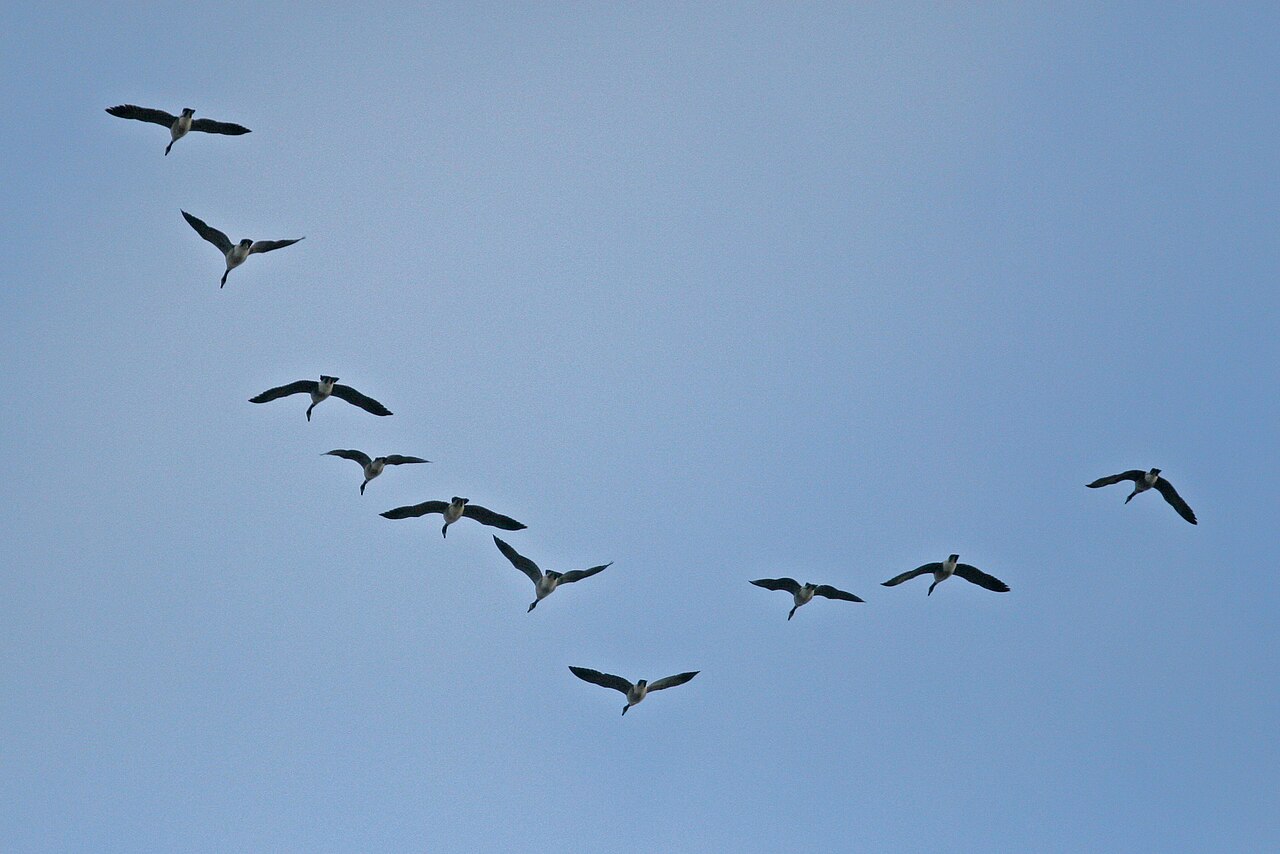
Not all are long. Some birds just move up and down a mountain, and others, like crossbills, wander in search of food. Geese fly in V shapes, which probably saves energy and helps the flock stay together.
Why do birds sing and put on displays?
Birds are social animals. They communicate with sights, calls and songs. They flock together, mob predators, and in some species share care of the young. Some species, including crows and parrots, pass on knowledge, a bit like culture, from one generation to the next.
Birds make sound with the , an organ at the base of the windpipe. It has several vibrating membranes. A songbird can control the two sides separately, which helps explain how some of them sing such complex tunes. Most songs are sung by males. They mark territory and attract mates. Young songbirds learn many songs by listening to adults.
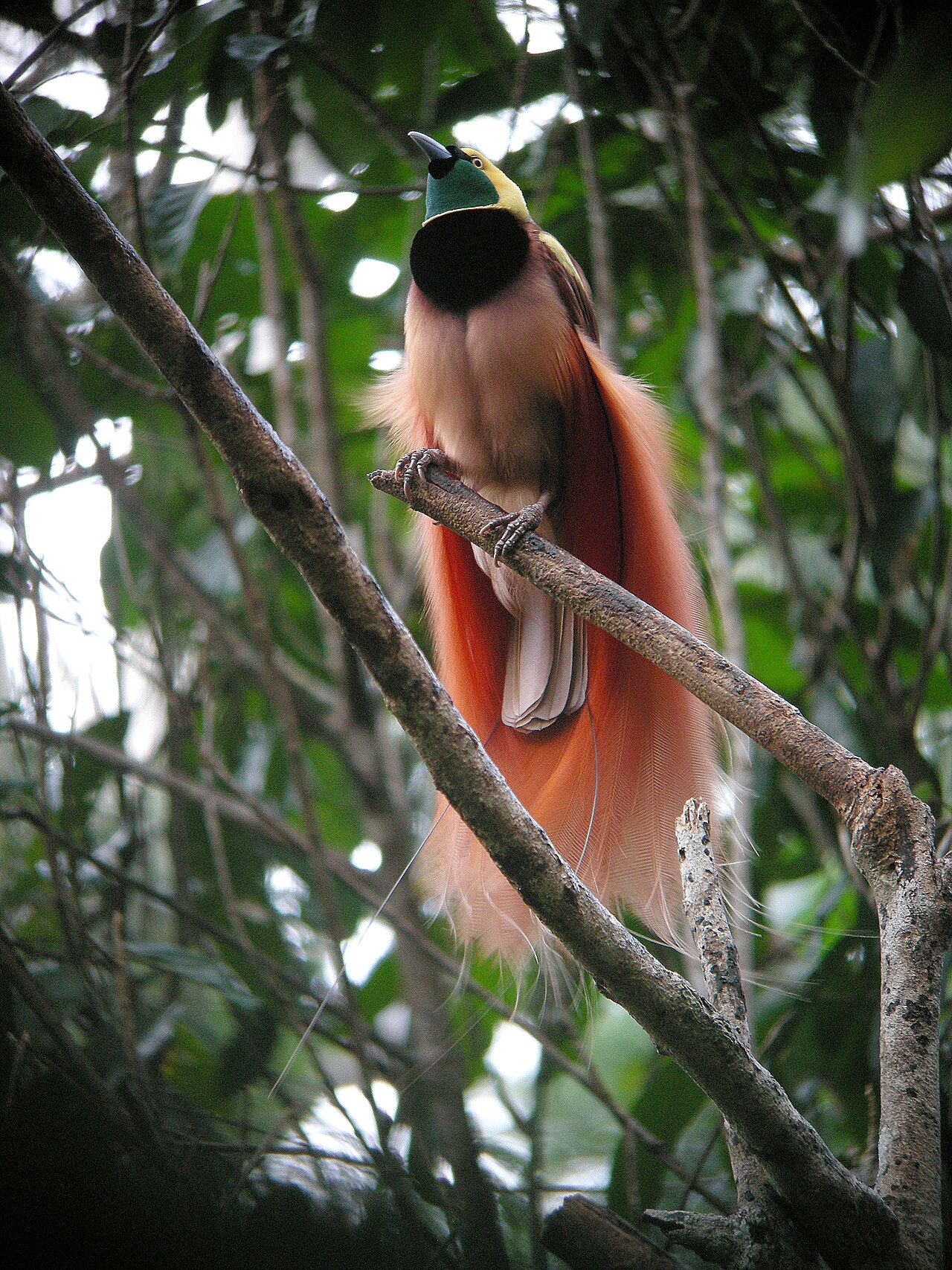
Displays are used in courtship. Male birds-of-paradise in New Guinea have long, colourful plumes and dance to show them off. Female birds tend to pick the males with the best display. In many species the male is brighter than the female, because bright feathers signal health.
Most birds are monogamous for at least a breeding season. Each male and female pair up. A few pair for life. Other species are polygynous, with one male mating with several females, and a few are polyandrous, with one female mating with several males.
Birds also have mating tricks that are hidden. A female bird can store sperm for weeks, and in some species up to about 100 days, so sperm from different males may compete.
How do birds build nests and raise chicks?
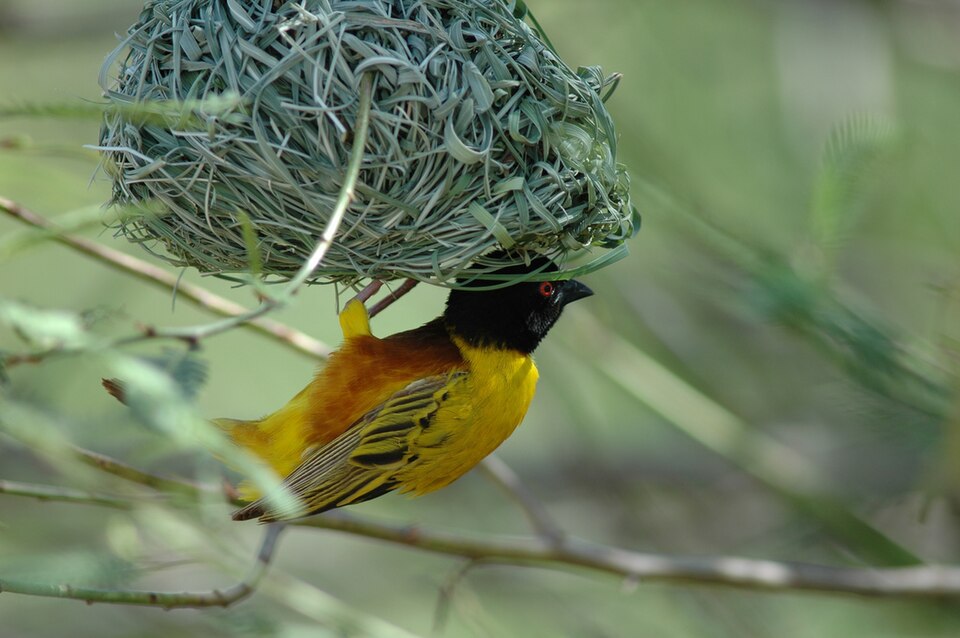
All birds lay eggs, and most build a nest to keep them safe. A nest can be a scrape in the ground, a cup of grass in a bush or a hole in a tree. It can also be a hanging basket woven from grass. Weaver birds knot their nests with their beaks and feet, and the male weaver builds the nest to impress a female. Sea birds may nest in huge colonies, and some make no nest at all.
An egg has a hard shell that protects the baby and still lets in air. Parents usually sit on the eggs to keep them warm, a job called , and the eggs hatch after days or weeks, depending on the species. About 100 million years ago the ancestors of modern birds evolved a more open pelvis, which let them lay bigger eggs for their body size.
Some chicks are helpless when they hatch and have no feathers. They are called altricial and must be fed in the nest. Songbird chicks are like this, and their parents may carry away their waste in a neat sac to keep the nest clean. Other chicks, such as ducklings, are covered with down and can leave the nest soon after hatching. Most birds care for their young for a long time after they hatch.
Some birds cheat. Cuckoos and cowbirds lay eggs in other birds' nests, and the unlucky host raises the intruder's chick as its own. This is called brood parasitism.
How do people use birds, and are they safe?
People have used birds for thousands of years. Chickens, ducks, geese and turkeys are farmed for eggs, meat and feathers. Feathers fill pillows and coats. Some birds are kept as pets, such as parrots, canaries and budgerigars. In some places the droppings of seabirds, called guano, are dug up and used as fertiliser. Birds also feature in myths, art and stories all over the world.
Birds are in trouble in many places. About 120 to 130 species have been wiped out by human activity since the 1600s, and hundreds more disappeared before then. The dodo of Mauritius is the most famous. In 2024 scientists concluded that the slender-billed curlew, last seen in 1995, had gone extinct too. The IUCN, which keeps the world's list of threatened species, confirmed it in 2025. Today about 1,250 of the 11,185 bird species assessed, roughly one in nine, face extinction. The IUCN also reported in 2025 that 61 per cent of bird species have shrinking populations.
The causes include habitat loss, as forests and wetlands are cleared. Hunting has wiped out many island birds. Cats, rats and other animals brought by people eat eggs and chicks, and island birds that never learned to fear them are easy prey. Pollution and modern intensive farming have also hit farmland birds hard. Climate change is adding new pressure.
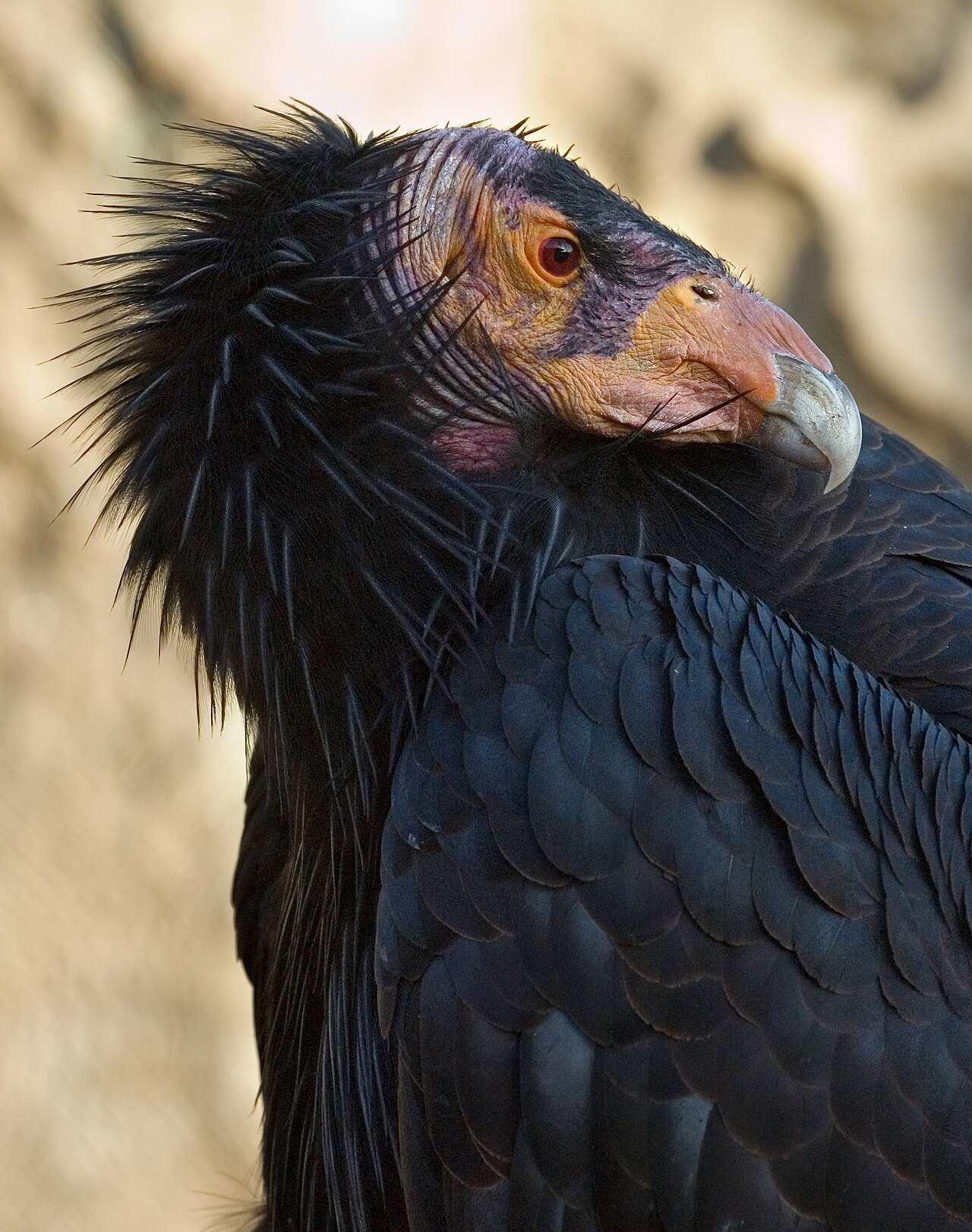
Some conservation work has paid off. The California condor, a huge vulture, fell to just 22 birds in 1982. They were taken into captivity to breed, and today hundreds fly in the wild again. Reserves, laws against hunting and removing invasive predators from islands have helped many species. Birdwatchers also give valuable data, counting birds every year.
Explore Next
Your audio story keeps playing while you look around.

Words to Know
- brood parasite
- A bird that lays its eggs in another bird's nest.
- gizzard
- A muscular part of a bird's stomach that grinds up food.
- incubation
- Keeping eggs warm so that the chicks inside can grow.
- migration
- A regular journey made each year, often between breeding and feeding places.
- moult
- To shed old feathers and grow new ones.
- ornithology
- The scientific study of birds.
- passerine
- A perching bird, such as a sparrow or a crow.
- plumage
- The full set of feathers on a bird.
- preening
- A bird's daily cleaning and arranging of its feathers.
- syrinx
- The organ at the base of a bird's windpipe that makes its song.
- theropod
- A group of mostly meat-eating two-legged dinosaurs that includes the ancestors of birds.