Vertebrate
Animals with a backbone, from tiny frogs to the biggest whales.
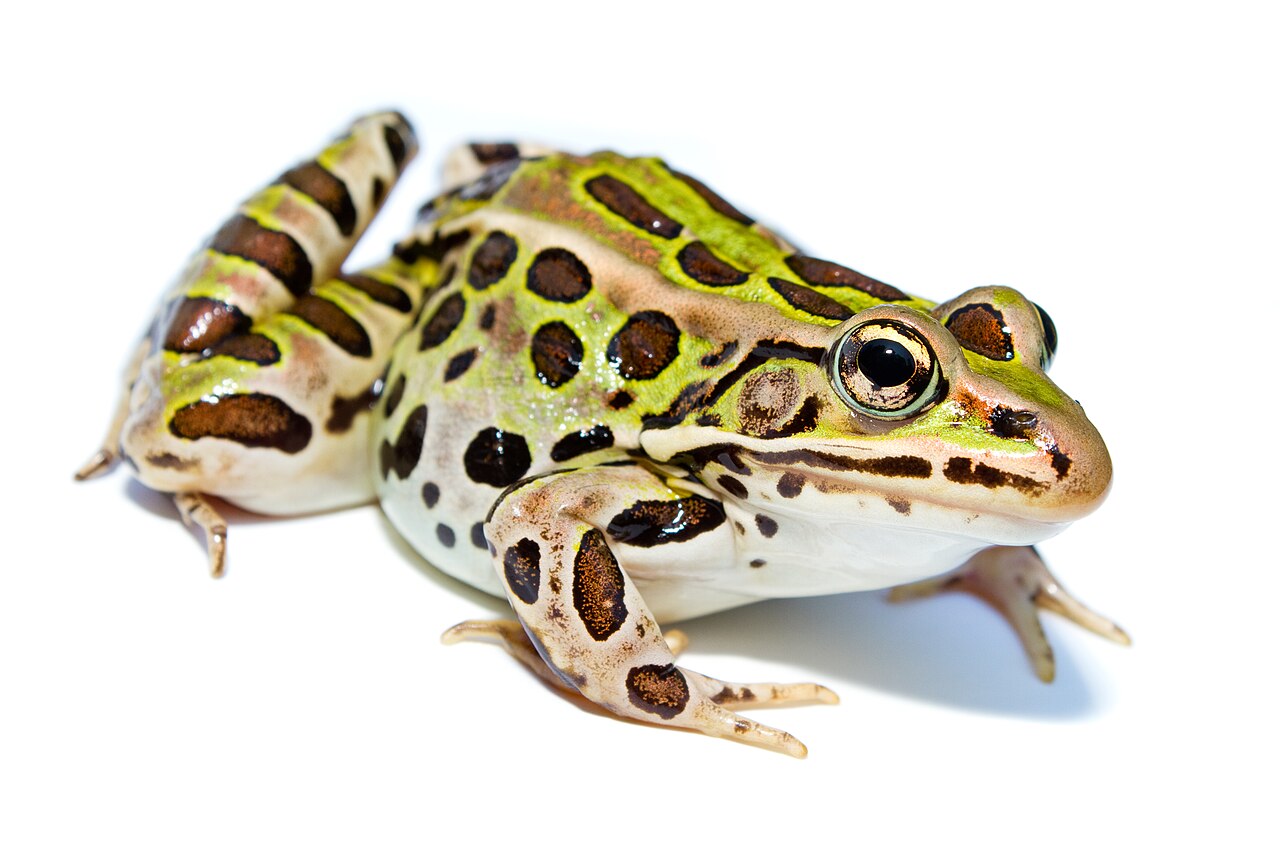
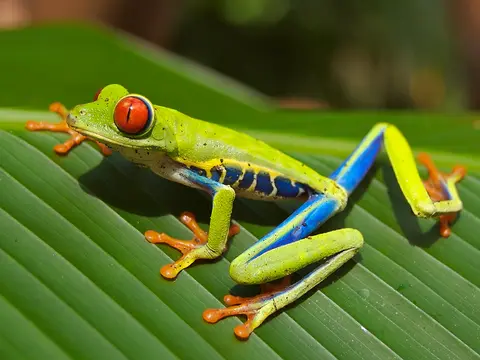
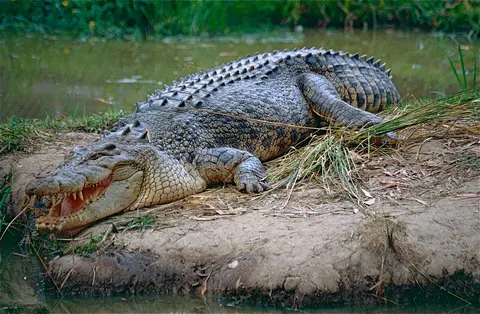
If you have a spine running down your back, you are a vertebrate. So is a goldfish, a frog, a crocodile, an eagle and a blue whale. Vertebrates are animals with a backbone, a skull and a large brain. They are only a small share of all animal species, yet they include almost every large animal we meet. Their story began in the sea more than 500 million years ago. Over time, vertebrates grew jaws, left the water, took to the air and developed some of the most complex bodies and brains on Earth.
What makes an animal a vertebrate?
A has a vertebral column, or backbone. It is made of a row of bones or of , the firm but bendy material in your ears and nose. The backbone wraps around the spinal cord, which carries messages between the brain and the body. The brain sits inside a skull, called the cranium, which protects it. The name comes from the Latin word vertebra, meaning a joint, because the spine can bend and turn.
Vertebrates belong to a bigger group called the chordates. All chordates share five features at some point in life. They have a stiff rod called a and a hollow nerve cord along the back. They have a tail behind the gut, a gland called the endostyle, and slits in the throat. A human embryo still has a notochord and throat arches. In most vertebrates the notochord is replaced by the backbone before birth.
Vertebrates also have a large brain with at least three main parts. They have a muscular heart with several chambers. Tubes in the inner ear help the animal balance. They have well-developed eyes, ears and a nose, and a gut with a stomach, liver and pancreas.
Their bodies are mirror-symmetrical, with a left side that matches the right. Because they usually move forwards, the front of the body meets new things first. That favoured the evolution of a head full of sense organs, a process called .
There are more than 70,000 species, yet they make up less than 5 per cent of all the animal species we have described.
How are vertebrate bodies built?
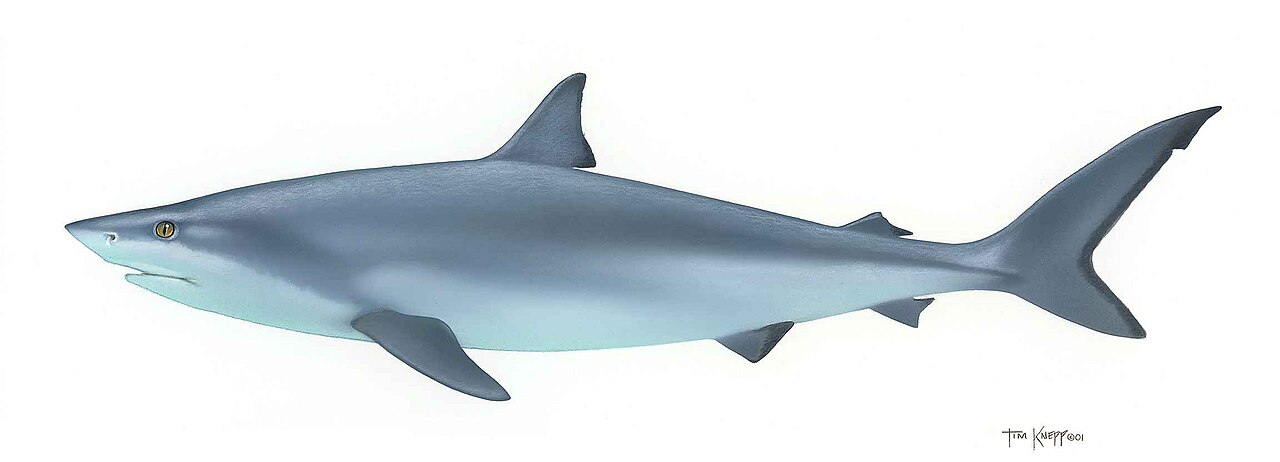
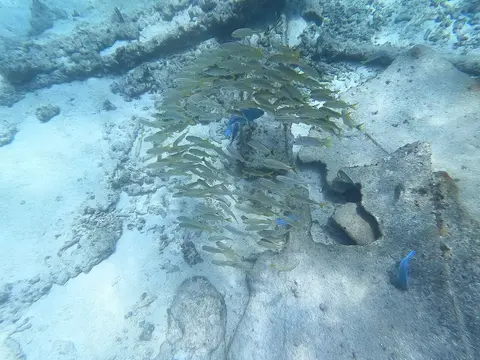
Most swim, and the body plan is built for it. Muscles run along the back and pull against a strong but bendy spine. About half of all vertebrates, and the ancestors of all of them, live in water and breathe with . Gills are fine, feathery structures that bring blood close to the water so that oxygen can pass in and carbon dioxide can pass out. A closed system of blood vessels, driven by a chambered heart, carries gases around the body.
The gills are held up by curved bars called gill arches. In jawed vertebrates, the first pair of arches changed into the jaws. So your own jaw began as part of a fish's gill support. In adult fish the other arches still hold the gills. In land animals they became parts of the ear, throat and neck.
Land vertebrates, called , lost their gills. They kept the simple lungs of their fish ancestors and made them bigger. In most ray-finned fish, the same organ became the swim bladder, which they use to float. The bony fins of their fish ancestors became two pairs of legs, joined to the backbone by the shoulder and hip girdles.
Vertebrates come in very different sizes. The smallest known is the Brazilian flea toad, only about 7 mm long. The blue whale can be up to about 30 m long and weigh about 150 tonnes, more than any other animal known to have lived. Both have a backbone, a skull and a heart.
When did the first vertebrates appear?
The oldest known lived about 518 million years ago, during the , when animal life suddenly became very varied. Their fossils come from Chengjiang in China. Animals such as Haikouichthys were small, fish-like swimmers with a , early vertebrae, and a clear head and tail. They had no jaws. Some experts think they are early cousins rather than true vertebrates, and the debate is not settled.
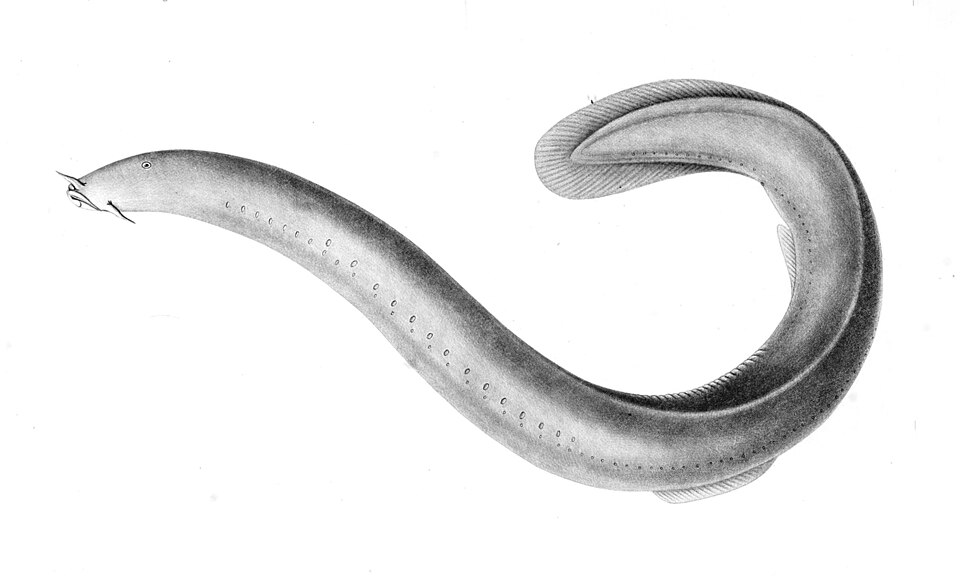
Another strange group, the conodonts, were eel-like animals. Their tooth-like parts turn up as tiny fossils from the late Cambrian to the end of the Triassic, a span of about 300 million years.
Jaws came later. The first jawed vertebrates may have appeared in the late Ordovician, around 445 million years ago. Jaws were a huge step forward, because an animal with biting jaws can hunt large prey and eat many more kinds of food. By the Devonian period, from about 419 to 359 million years ago, jawed fish ruled the seas. This is sometimes called the "Age of Fishes". Armoured fish with plates on their heads and bodies, spiny fish, sharks and bony fish all swam together.
Jawless fish did not die out. Lampreys and hagfish are still alive today. Hagfish have a skull but almost no backbone. For a long time scientists were unsure if they were vertebrates at all. In 2011 Japanese scientists found tiny vertebra-like pieces of in a hagfish's tail. They think hagfish once had vertebrae and lost most of them. Studies of DNA now show that they are the closest living relatives of lampreys, and the two together form a group called the cyclostomes.
How did vertebrates walk out of the water?
Two big groups of bony fish evolved in the Devonian. The ray-finned fish have fins held up by thin rays, and they are the most common fish today. The lobe-finned fish have fleshy fins with bones and joints inside.
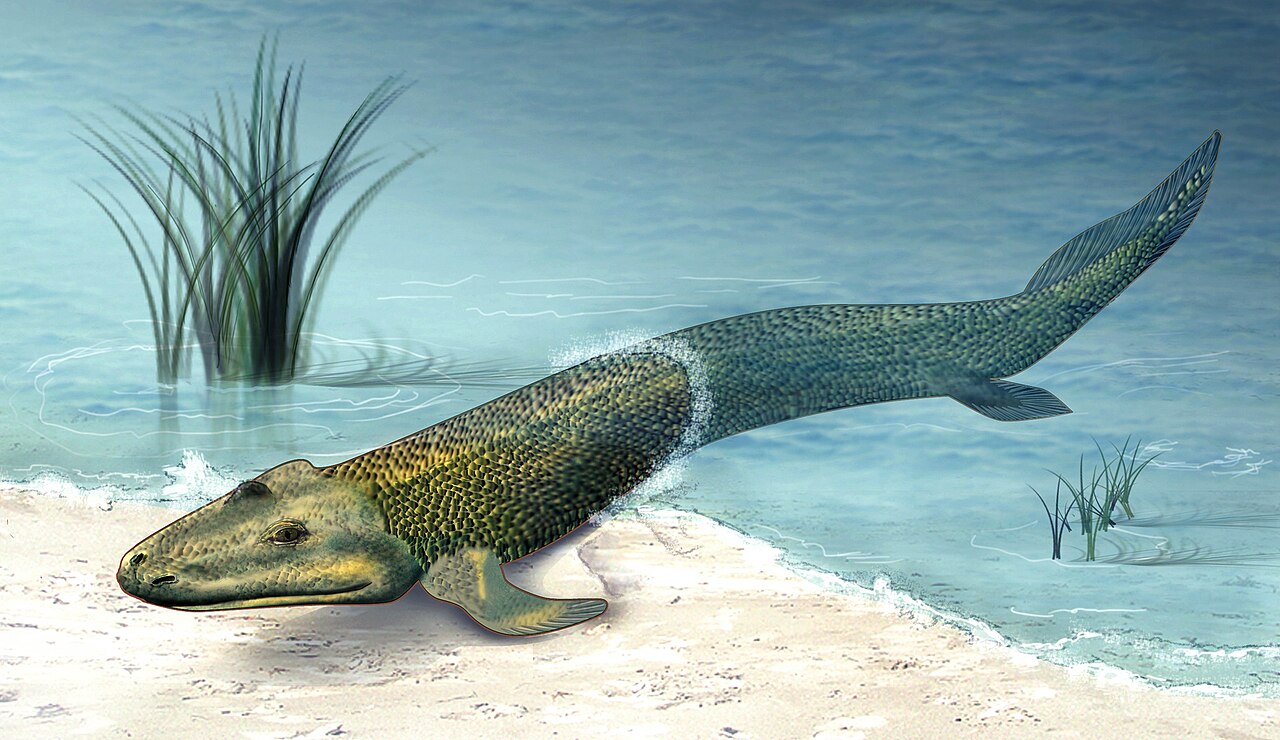
Some lobe-finned fish lived in swampy pools that were low in oxygen. They had both and lungs, and they could use their muscular fins to push through shallow water and over mud. Over millions of years their fins turned into legs. Tiktaalik, found in Arctic Canada in 2004 by Neil Shubin's team, lived about 375 million years ago. It had a flat head, a neck and sturdy fins with wrist-like bones. Acanthostega, a Greenland animal from the late Devonian roughly 365 million years ago, had four limbs with digits and still had a fish-like tail.
Four-limbed animals may be older still. In 2010 scientists described tracks with toe prints from Zachełmie in Poland. They suggest that walked in shallow water about 395 million years ago, some 20 million years before Tiktaalik.
The first four-limbed animals, called tetrapods, spread through the Carboniferous period, which ended about 300 million years ago. Early forms were amphibians, which lay soft eggs and must stay near water. Their young live in water with gills, and the adults breathe air.
In the Carboniferous a group called the evolved eggs or embryos wrapped in protective membranes. The membranes stop the embryo from drying out, so amniotes could breed far from any pond. Amniotes include reptiles, birds and mammals.
This journey from water to land is one of the great stories of evolution. Every land today, including you, is a descendant of those pioneers.
What happened after the biggest extinction?
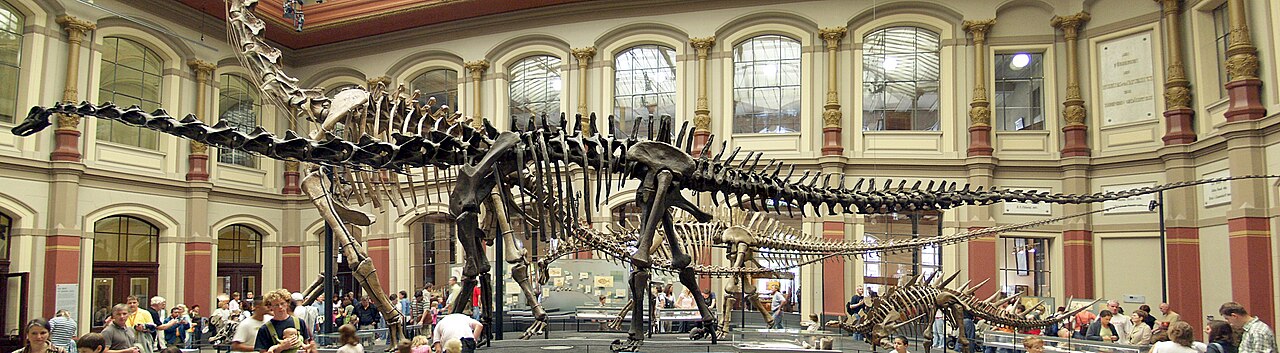
About 252 million years ago, at the end of the Permian period, the largest in Earth's history wiped out most living things. Nearly all big groups were hit hard.
The recovery that followed gave rise to modern ecosystems. During the Triassic and Jurassic periods, many groups that still live today appeared. These include the ancestors of modern amphibians, turtles, crocodiles, lizards and mammals. Dinosaurs appeared too. In the seas, groups of marine reptiles evolved, such as the dolphin-like ichthyosaurs, and new kinds of fish arose.
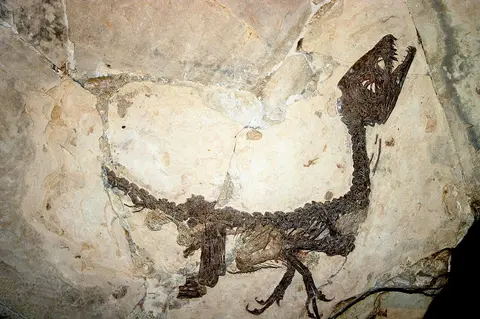
The dinosaurs became the dominant land animals. Some, like the plant-eating Diplodocus, grew to enormous lengths. Others were small and swift, and many had feathers. During the Jurassic, a group of small feathered dinosaurs gave rise to birds.
The age of the dinosaurs lasted until about 66 million years ago. Then another mass extinction struck. A huge asteroid hit what is now Mexico. Every dinosaur except the birds died out, along with many other vertebrate groups. Birds are living dinosaurs, so dinosaurs never wholly vanished.
That mass extinction opened the way for the next group to flourish.
How did mammals and birds take over?
Mammals first appeared in the Triassic, about the same time as the first dinosaurs. For most of the age of the dinosaurs they were small. Many were shrew-sized animals that hid from large predators and hunted at night.
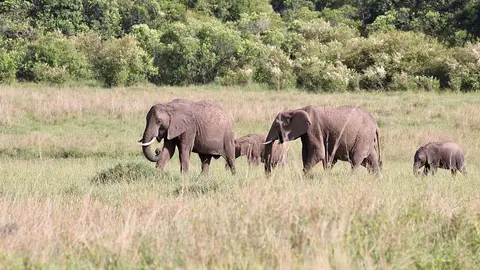
When the big dinosaurs disappeared, mammals spread into the empty homes. The Cenozoic era, which began 66 million years ago and is still going, is often called the "Age of Mammals". Mammals grew larger and took to the sea, the air and every kind of land. Two big groups became common. Placental mammals, whose young grow inside the mother, spread mostly across the Northern Hemisphere. Marsupials, whose young are born tiny and finish growing in a pouch, ended up mostly in the Southern Hemisphere.
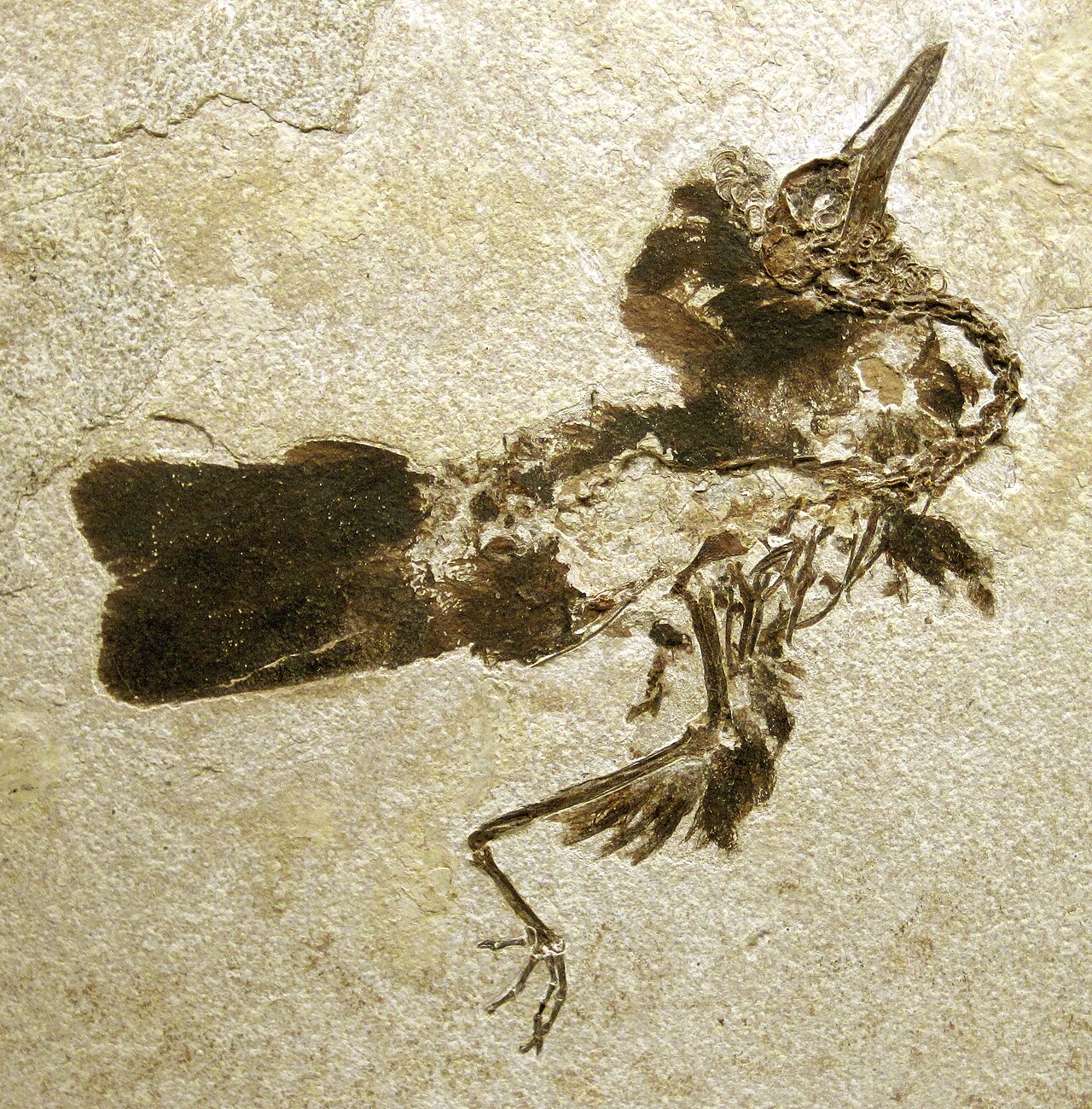
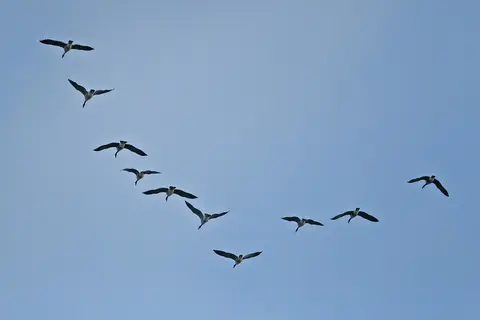
Birds also thrived. They had feathers and light, hollow bones, and many could fly. After the extinction they split into thousands of species. Fossils such as the Eocene bird Nahmavis from Wyoming, found in fine-grained rock called marlstone, show that modern-looking birds were around about 50 million years ago.
Today birds and mammals are known as warm-blooded animals. They keep their body temperature steady, which lets them stay active in cold places and at night. Fish, amphibians and most reptiles depend more on the temperature of their surroundings.
So the family tree is a story of repeated rebuilding. Each closed some doors and opened others.
How do scientists sort the vertebrates?
In 1811 the French naturalist Jean-Baptiste Lamarck first set the apart from the invertebrates as a group of their own. He listed four classes, which were fish, reptiles, birds and mammals.
The traditional list that came later has seven classes. These are the jawless fishes, the cartilaginous fishes such as sharks, the bony fishes, the amphibians, the reptiles, the birds and the mammals. This list is easy to learn, but it has a problem. It does not match the real family tree.
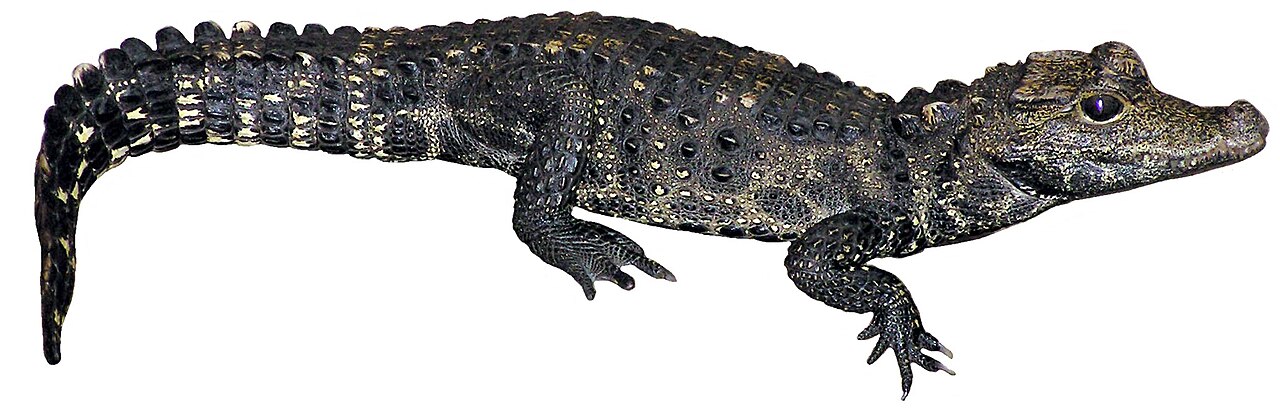
The reason is that birds descend from reptiles. If you leave birds out of the reptiles, what is left is not a true family. Biologists call such a group . In the same way, "fish" is not one family. Lobe-finned fish gave rise to all four-limbed animals, so are in fact a branch of the fish family tree. And crocodiles are closer cousins of birds than they are of lizards.
Most scientists now sort vertebrates by evolutionary history. They draw a tree of descent and name each branch. DNA has helped redraw it. For example, studies of DNA suggest that tunicates, small sea animals, are the closest living relatives of the vertebrates, closer than the lancelets.
The two ways of sorting can both be useful. The seven classes work well for everyday talk, but the tree shows how animals are really related.
How many vertebrates are there, and are they safe?
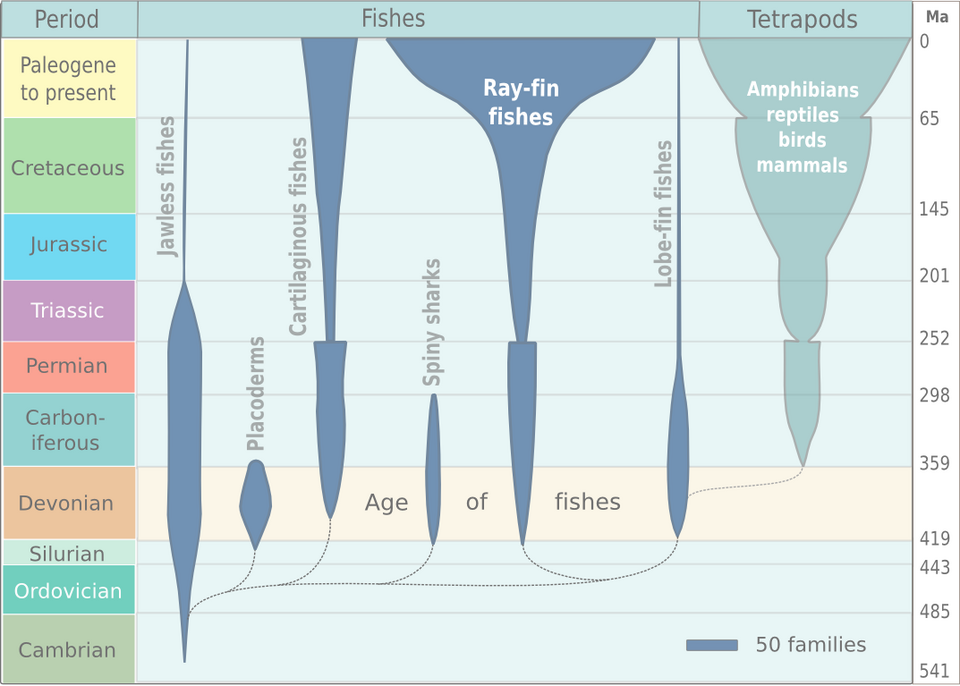
Scientists have described more than 70,000 living species of . About half are fish of all kinds and the other half are land vertebrates. There are around 36,000 species of fish, more than 11,000 birds, more than 12,000 reptiles, nearly 9,000 amphibians and about 6,800 mammals. Even so, vertebrates make up less than 5 per cent of the more than a million known animal species. Insects and other invertebrates are far more numerous.
Many vertebrates are in trouble. The Living Planet Index follows thousands of wild vertebrate populations. WWF's 2024 Living Planet Report said that, on average, the size of the monitored populations fell by 73 per cent between 1970 and 2020. Freshwater populations fell by 85 per cent, and those in Latin America and the Caribbean by 95 per cent.
This does not mean that 73 per cent of animals are gone. The number is an average of how much each population changed, so it is not a count of animals lost. Even so, it is a serious warning.
Scientists name five main causes. They are changes in land use, such as clearing forest for farms, overuse of wild animals and plants, climate change, pollution and invasive species. WWF warns that a sixth major extinction could follow if the trend continues.
Vertebrates are also the animals we know best. Understanding them is a first step in keeping them.
Explore Next
Your audio story keeps playing while you look around.
Words to Know
- amniote
- A vertebrate whose embryo grows inside protective membranes, such as a reptile, bird or mammal.
- Cambrian explosion
- A time about 540 million years ago when animal life became much more varied.
- cartilage
- A firm, bendy material that forms part of the skeleton.
- cephalisation
- The evolution of a head with sense organs and a brain.
- gill
- A body part that takes oxygen from water.
- mass extinction
- A short time in which many kinds of life die out.
- notochord
- A stiff rod along the back of a chordate embryo.
- paraphyletic
- A group that leaves out some of its own descendants.
- tetrapod
- A four-limbed vertebrate, or a descendant of one.
- vertebrate
- An animal with a backbone and a skull.