Flowering plant
Plants that build flowers, fruits and seeds, and now rule the green world.
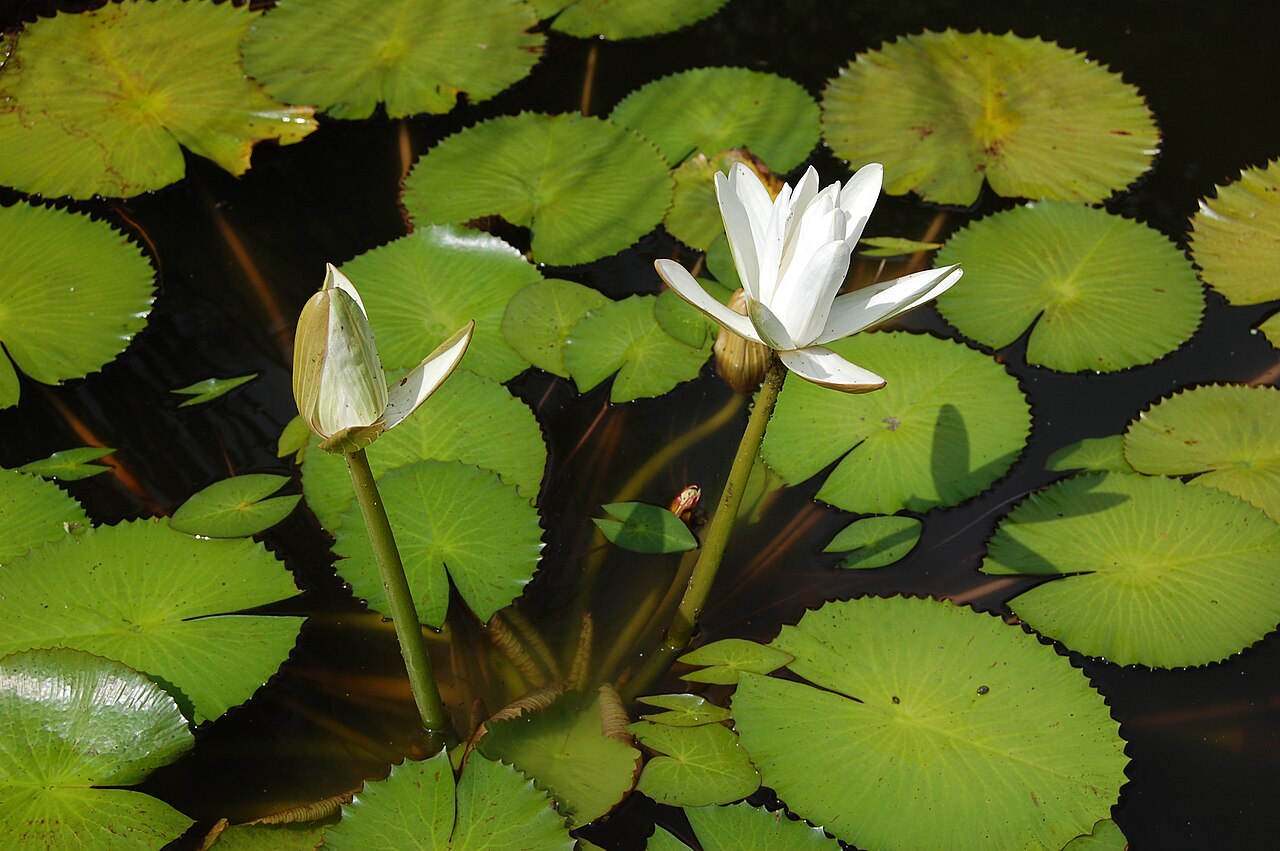
Look at a meadow, a vegetable patch, a rainforest or a bowl of porridge, and you are mostly looking at flowering plants. Scientists call them angiosperms, from Greek words meaning "seed in a container". Their seeds grow inside a fruit, and the fruit grows from a flower. With around 300,000 known species, they are by far the biggest group of land plants. Grasses, oak trees, roses, cacti and orchids all belong to it. Flowering plants feed us, clothe us, house us and decorate our lives, and they have done so for over 100 million years.
What makes a plant a flowering plant?
Most plants you know have roots, stems and leaves. Flowering plants have those too, but they have extra tricks that set them apart from their closest relatives, the . Gymnosperms include pine and fir trees, and they grow their seeds on open scales, often inside cones.
Flowering plants have four main differences. They make flowers and wrap their seeds inside fruits. Their seeds come with a built-in food store called . And their water pipes, called , are made of wide tubes called vessel elements, while conifers use narrower cells called tracheids. Wide tubes can carry water quickly, which helps a plant grow fast.
The name joins two Greek words, angeion meaning "container" and sperma meaning "seed". A German botanist, Paul Hermann, first used the name Angiospermae in 1690. Its meaning shifted over the next 160 years, and by 1851 it covered all the flowering plants we know today.
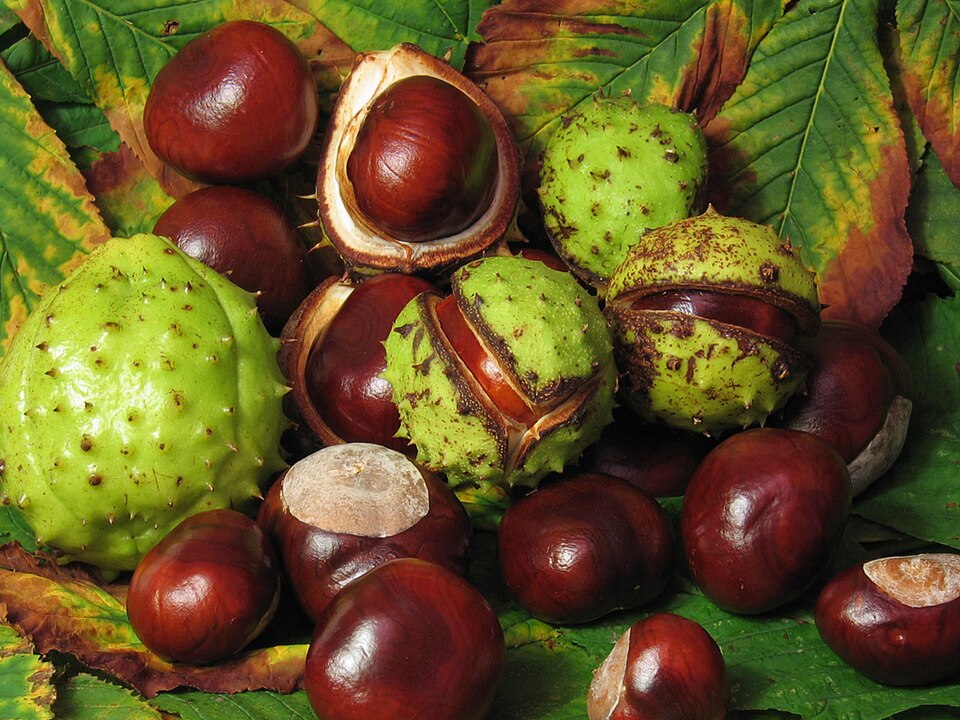
A fruit is not only the sweet kind you eat. A pea pod, a sycamore "helicopter", a conker case and a tomato are all fruits. Each one is a ripened flower part wrapped around seeds, and its shape often helps the seeds travel.
What is a flower for?
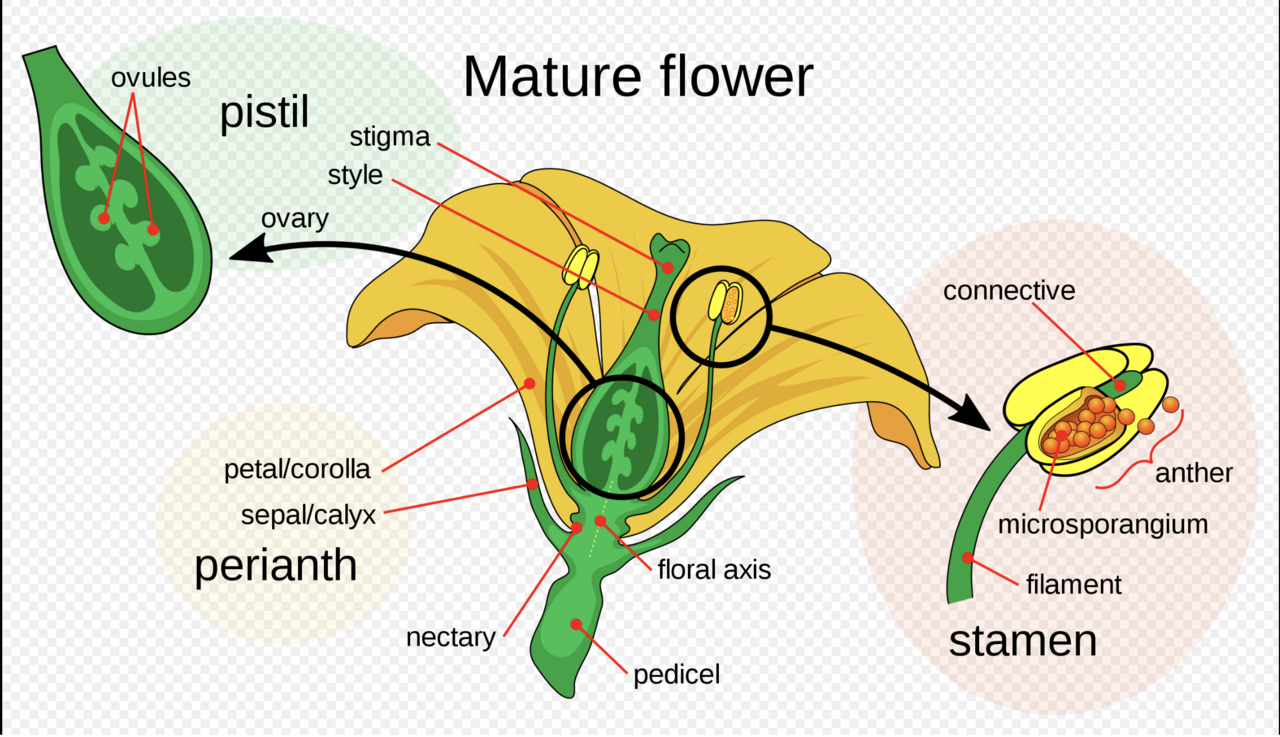
A flower is a reproductive machine, and its job is to bring male and female cells together so that seeds can form.
The male parts are the . Each one makes pollen, and every grain of pollen carries male cells. The female parts are the , which hold tiny structures called . Each ovule contains an egg cell and can turn into a seed. One or more carpels together form the pistil. Most flowers have both male and female parts, but some, such as holly, keep them on separate plants.
Many flowers also have petals and sepals. The sepals are usually green and protect the flower while it is still a bud. The petals are often bright, scented and full of sugary nectar. They advertise a meal to bees, butterflies, birds and bats, which carry pollen from flower to flower as they feed.
Not every flower uses animals. Willows and grasses rely on the wind, so their flowers are small and plain and they shed huge amounts of pollen. A bright petal would only waste energy.
Moving pollen between different plants matters. Charles Darwin spent years testing this and decided that cross-fertilisation usually produces healthier offspring than self-fertilisation. Many flowers have tricks to avoid pollinating themselves, such as stamens and carpels of different lengths.
How does a flower become a fruit?
When a grain of pollen lands on the sticky top of a pistil, called the stigma, it starts to grow a thin tube. The tube pushes down through the style, the stalk of the pistil, towards the ovary at the bottom. Two male sperm cells travel along it.
Here flowering plants do something unusual, called . One sperm cell joins with the egg cell and makes the embryo, the tiny beginning of a new plant. The other sperm cell joins with a second cell in the and makes the , a food store for the growing seedling. This is why wheat and rice grains are so full of starch, because that starch is mostly endosperm.
After fertilisation, the ovule becomes a seed and the ovary wall becomes the fruit. In some plants other parts join in. The flesh of an apple comes from the base of the flower around the ovary, and the tough core around the pips is the ovary itself.
Fruits are built for travel. Berries are eaten by animals, which drop the seeds far away. Burrs hook onto fur, dandelion fruits carry tiny parachutes, and coconuts float across oceans. A few plants, including many citrus fruits, can even make seeds without fertilisation at all.
When did flowers first appear?
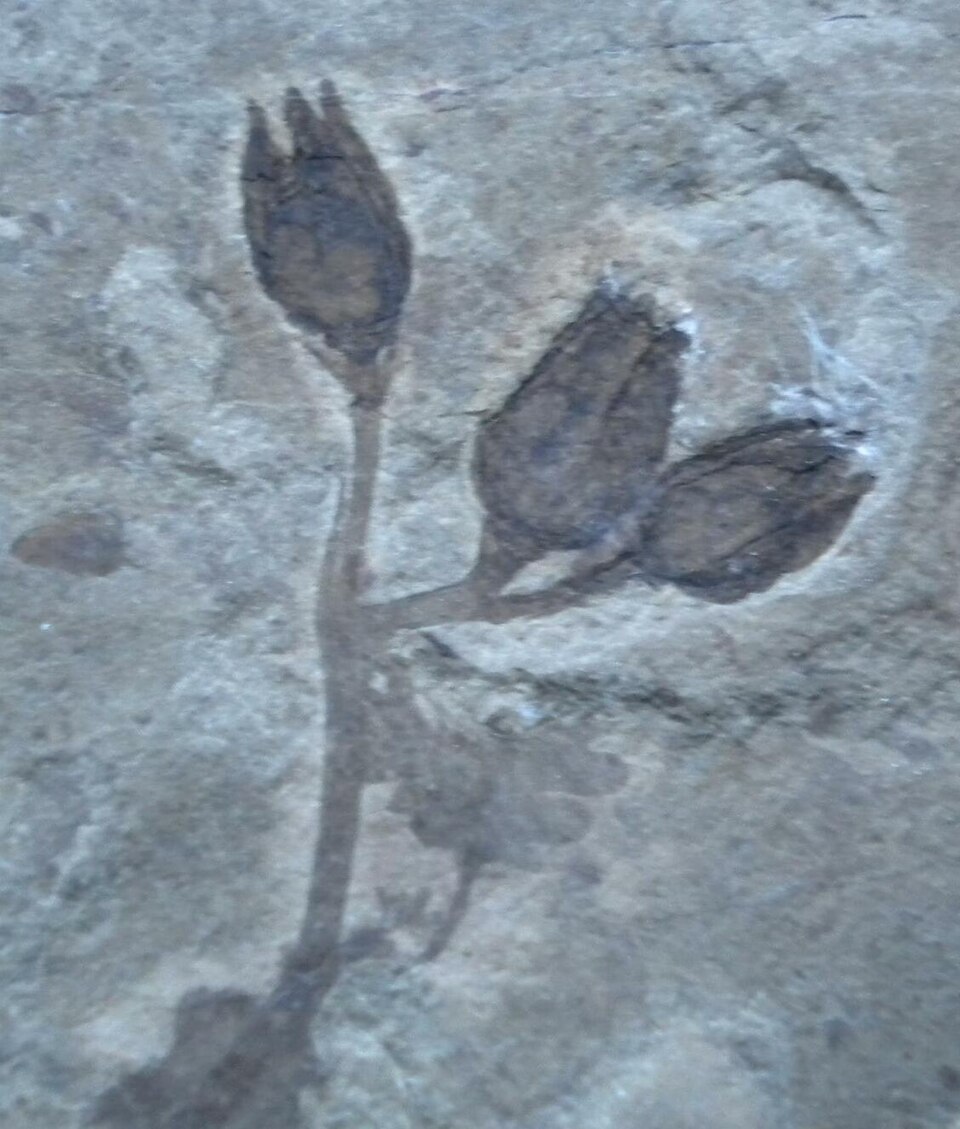
Land plants are very old, with fossil spores showing that they have lived on Earth for about 470 million years. Flowering plants arrived much later, but their ancestors split from the ancestors of conifers and their relatives hundreds of millions of years ago. Studies of DNA suggest this happened around 365 million years ago, though scientists still argue about exact dates.
The clear fossil record tells a different story. Flowers appear quite suddenly and in great variety in rocks about 130 million years old, from the Early Cretaceous. Some scientists have claimed older flowers, but most experts think those fossils are other kinds of seed plant.
Charles Darwin called this sudden appearance an "abominable mystery" in a letter in 1879, because it seemed to fit badly with slow evolution. Scientists are still piecing the story together.
Whatever the start, flowers spread fast. By the Late Cretaceous, flowering plants had taken over many places once ruled by ferns and conifers. Large flowering trees became the main trees in forests around 66 million years ago, close to the time when the dinosaurs, except birds, died out. Of the five great mass extinctions in Earth's history, that was the only one to happen while flowering plants already dominated.
One living species, Amborella of New Caledonia, is the only member of the oldest branch of the flowering plant family tree.
How big and how many?
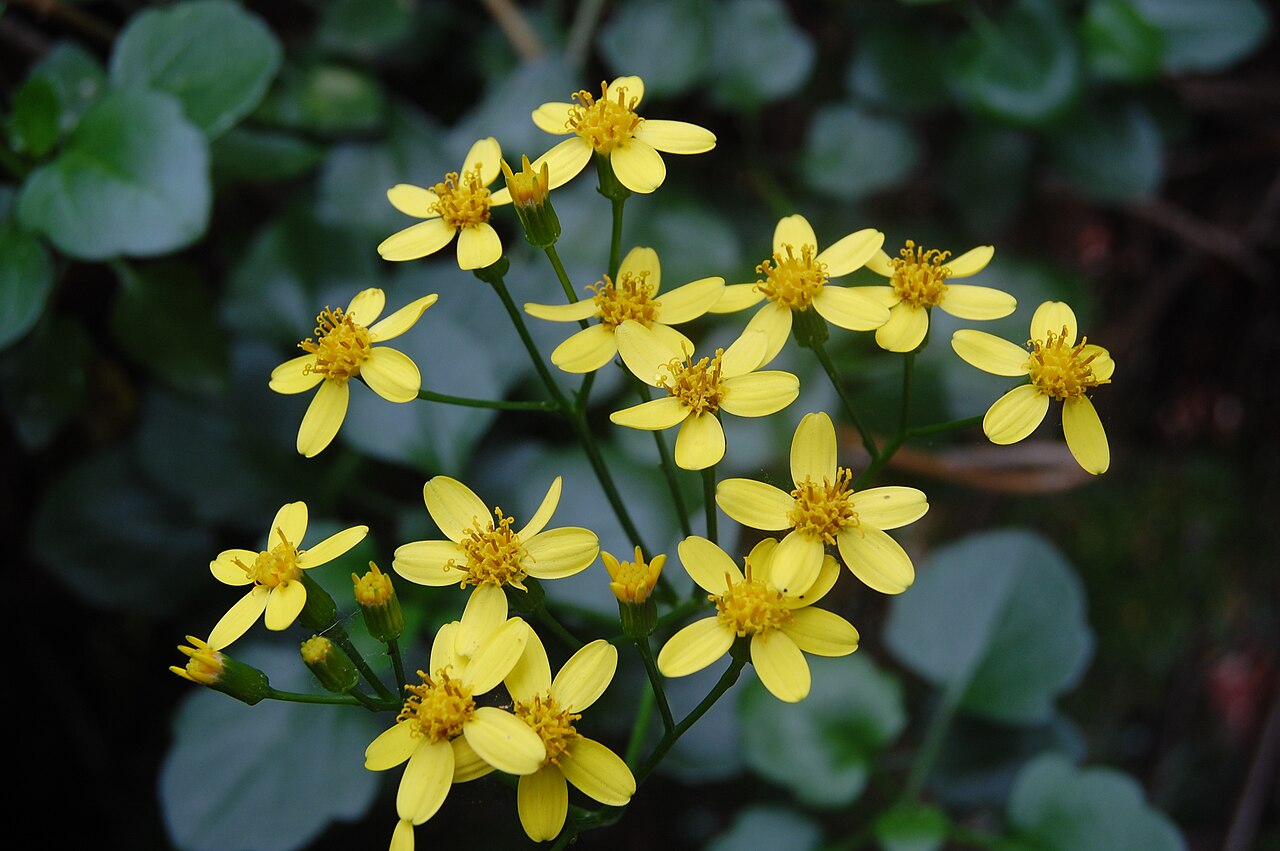
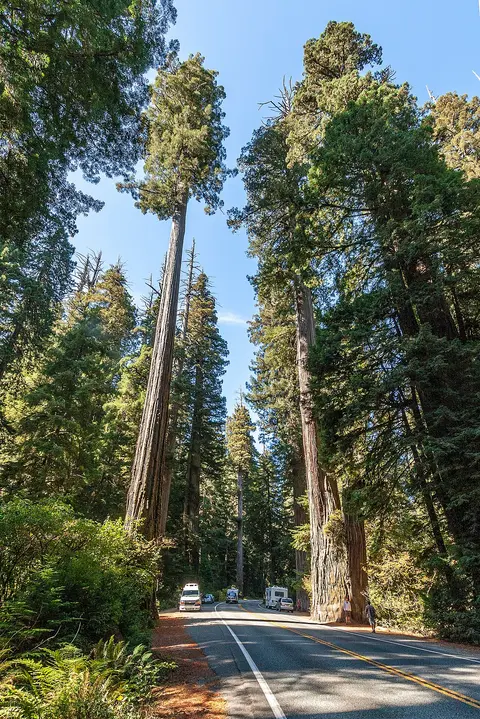
Flowering plants come in astonishing sizes. The tallest are Shorea faguetiana, a rainforest tree of Southeast Asia, and the Australian gum trees called Eucalyptus. A Shorea named Menara in Borneo measured 100.8 m in 2019, taller than a 30-storey building. The smallest are duckweeds of the genus Wolffia. They float on fresh water, and each plant is under 2 mm across.
The group is also the most varied of all land plants. Scientists have counted around 300,000 species, sorted into about 13,000 genera, 416 families and 64 orders. That is far more than the roughly 12,000 species of moss or the 11,000 ferns and their relatives.
But the species are not spread evenly. Three big clades, or branches of the family tree, hold nearly all of them. About 75 per cent are , which include roses, daisies and oak trees. About 23 per cent are , which include grasses, lilies and orchids. Magnoliids, such as magnolias and avocados, make up about 2 per cent. All the other branches together have only around 250 species.
The tree is still being redrawn. In 2024 a team led by Alexandre Zuntini studied 353 genes from almost 8,000 genera, around 60 per cent of all of them. It confirmed much of the old picture and changed parts of the rose branch.
Where do flowering plants live, and which ones are strange?
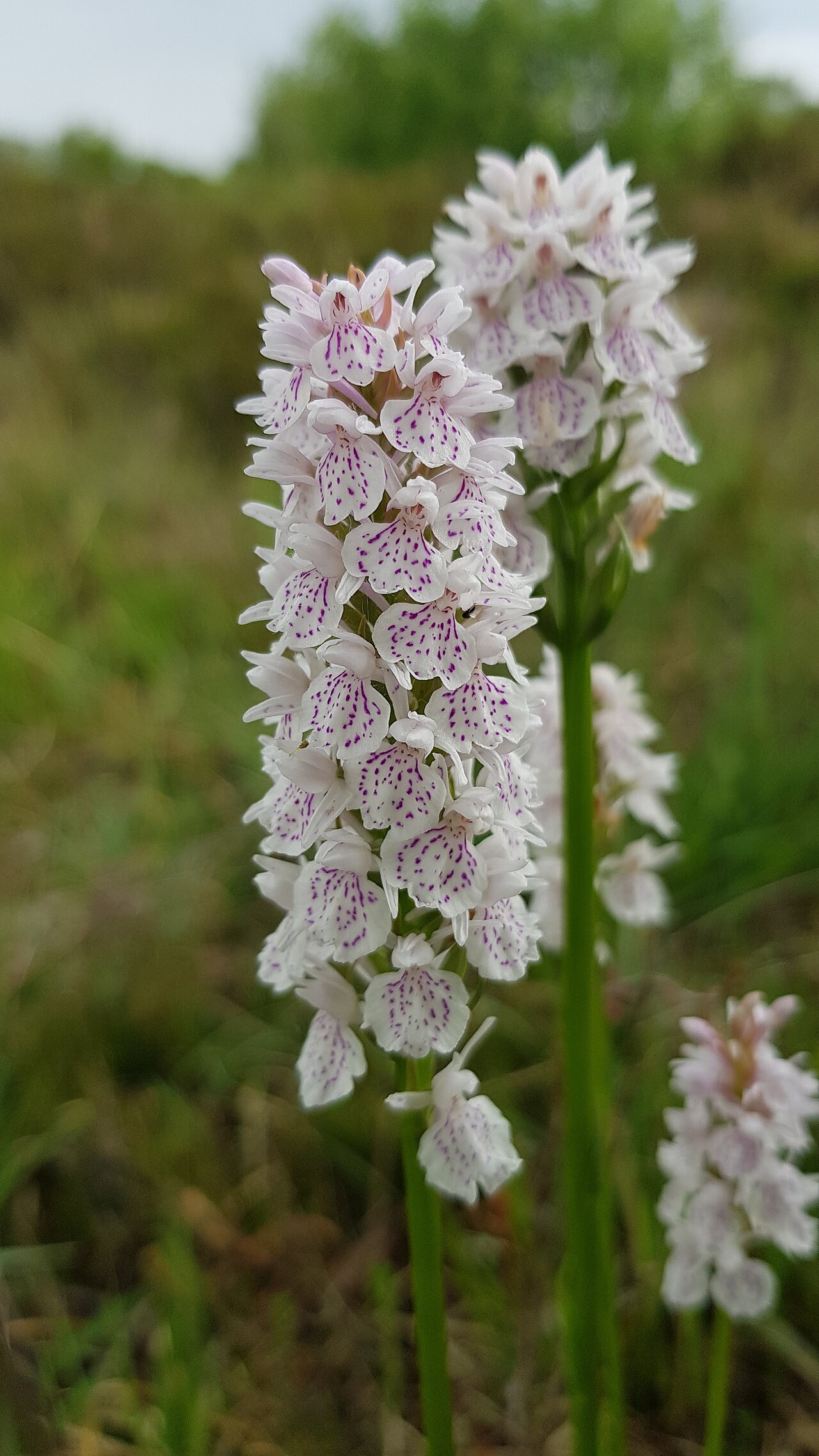
Flowering plants live almost everywhere. On land they are the main plant group in every habitat except icy moss and lichen tundra, and the dark conifer forests of the far north. They also grow in fresh water, like water lilies, and even in the sea. Seagrasses spread through the mud of sheltered coasts and are real flowering plants, not seaweeds.
They can handle extreme soils too. Spring gentians flourish on dry, chalky limestone. Sundews live in acid bogs where the soil has few nutrients, so they trap insects on sticky hairs and digest them. That gives them nitrogen that the bog cannot.
About 99 per cent of flowering plants make their own food from sunlight by photosynthesis. The rest are parasites. Broomrapes and witchweeds take food from the roots of other plants. Many orchids rely on fungi in the soil for part or all of their lives.
Growth styles vary just as much. Some plants are soft herbs that grow, flower, seed and die in one or two seasons. Others are woody trees that live for centuries. Vines and lianas climb up other plants to reach light without building a heavy trunk of their own.
How do flowering plants feed and shape our world?
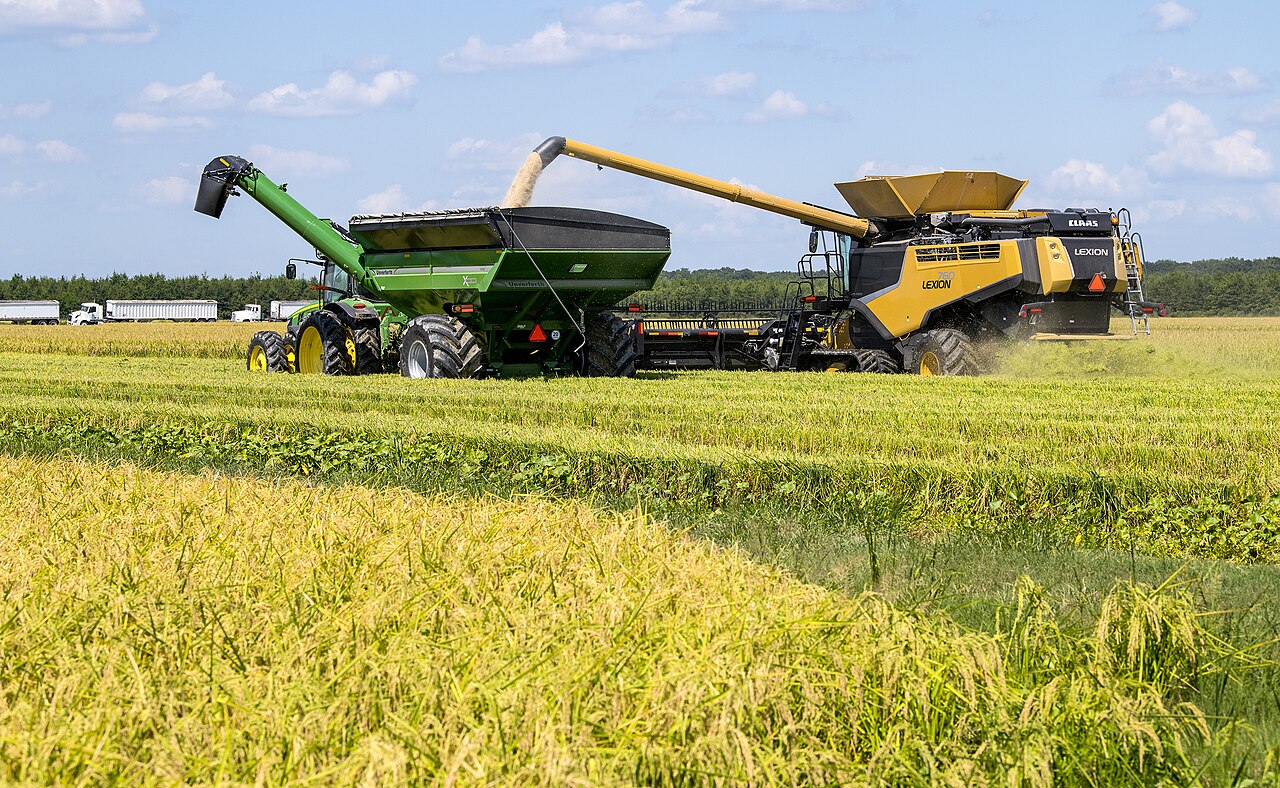
Farming depends almost completely on flowering plants. They give nearly all the plant food we eat, and the feed for farm animals too. A tiny number of plant families do most of the work. Rice, maize and wheat are all grasses, and together they supply about half of the world's staple calories.
Pulses such as lentils, peas and beans are seeds of flowering plants. They are rich in protein and are a key part of meals from India to Mexico. Coffee comes from the seeds of a plant in the madder family, and chocolate comes from the seeds of the cacao tree.
Beyond food, flowering plants supply wood, paper, and fibres such as cotton, flax and hemp. Many medicines began as plant chemicals, including digoxin, a heart medicine from foxglove, and the opioids from poppies.
Flowers matter in culture too. Poets from William Blake to Rabindranath Tagore wrote about them. Chinese painters made a whole style of bird-and-flower art. Japanese ikebana and bonsai turn plants into art. In the 1630s, prices of tulip bulbs in the Netherlands rose wildly in a craze called tulipomania, before crashing.
Countries often choose a flower as an emblem. In one survey of 70 national and regional emblems, orchids were the most popular family.
Are flowering plants in danger?
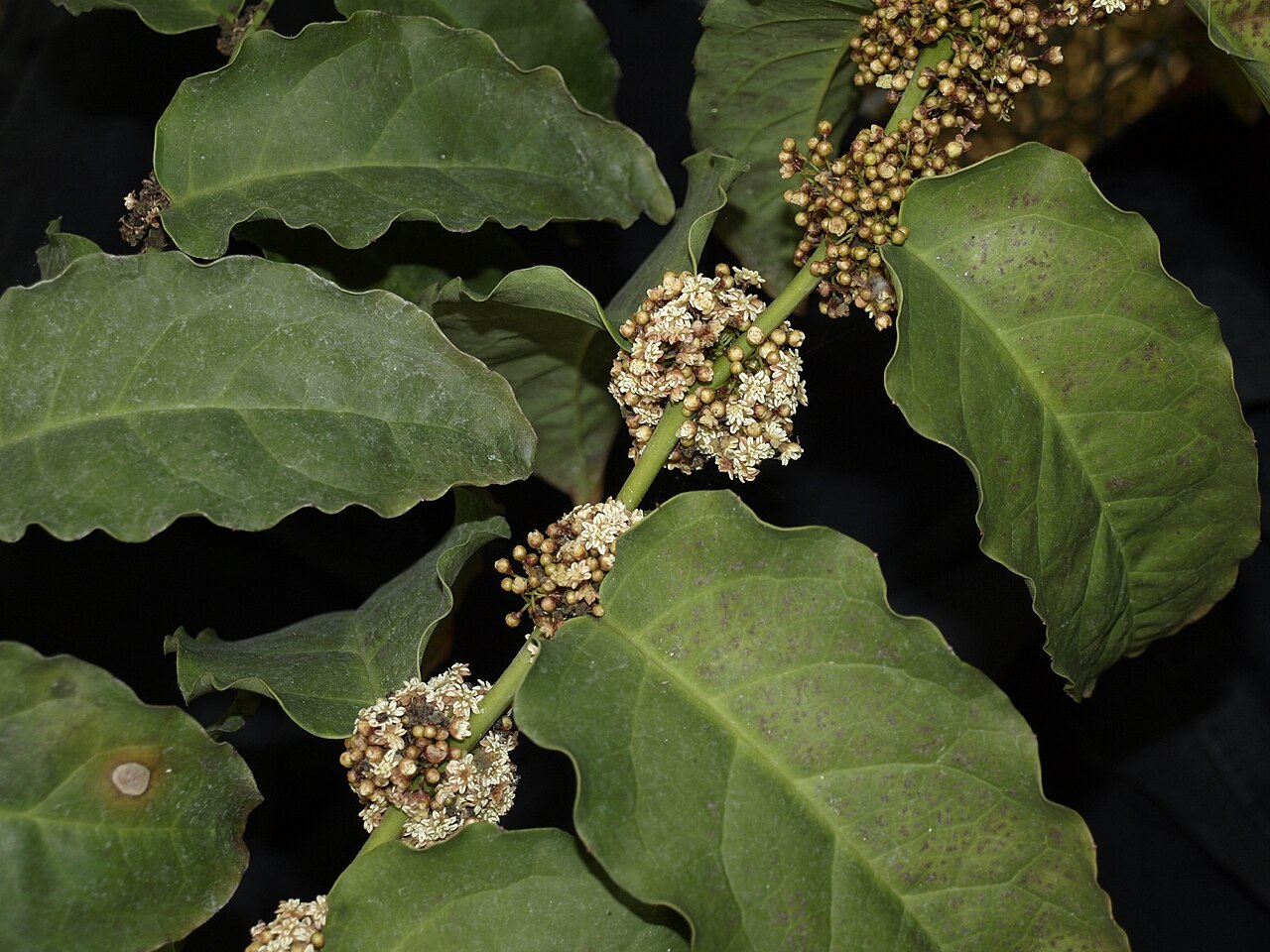
Yes. Experts at the IUCN and the Royal , Kew, estimate that around 40 per cent of plant species are threatened with extinction. We are living through what scientists call the Holocene extinction, when human actions are wiping out many species of animals, plants and fungi.
The biggest cause is habitat loss, as forests and grasslands are cleared for farms and cities. Other causes include logging of wild trees, over-collecting of medicinal and ornamental plants, and invasive species that arrive from other continents and crowd out local ones.
Climate change is adding to the pressure. Few plant surveys have counted its effects yet. One study suggests that about 3 per cent of flowering plants could be lost within a century at 2 degrees of warming. At 3.2 degrees the figure is about 10 per cent. In the worst cases, up to half of all tree species could disappear.
Conservation takes two forms. In situ means protecting plants and their homes in the wild. Ex situ means keeping them elsewhere, as seeds in seed banks or as living plants. Around 3,000 botanic gardens worldwide look after living plants, including more than 40 per cent of the known threatened species. The United Nations' Global Strategy for Plant Conservation puts the reason bluntly: without plants, there is no life.
Explore Next
Your audio story keeps playing while you look around.
Words to Know
- angiosperm
- A flowering plant, whose seeds grow inside a fruit.
- botanic garden
- A garden that grows and studies many kinds of plants, often to protect rare ones.
- carpel
- The female part of a flower, which holds the ovules.
- double fertilisation
- The way flowering plants use two sperm cells to make both an embryo and its food store.
- endosperm
- The food store inside a seed that feeds the young plant.
- eudicot
- A flowering plant with two seed leaves, such as a rose or an oak.
- gymnosperm
- A seed plant such as a pine, whose seeds are not enclosed in a fruit.
- monocot
- A flowering plant with one seed leaf, such as a grass or a lily.
- ovule
- A tiny structure in a flower that can become a seed once fertilised.
- pollination
- Moving pollen from the male part of a flower to the female part.
- stamen
- The male part of a flower, which makes pollen.
- xylem
- The tubes that carry water up through a plant.