Plant
Living solar panels that feed the planet and fill the air with oxygen.
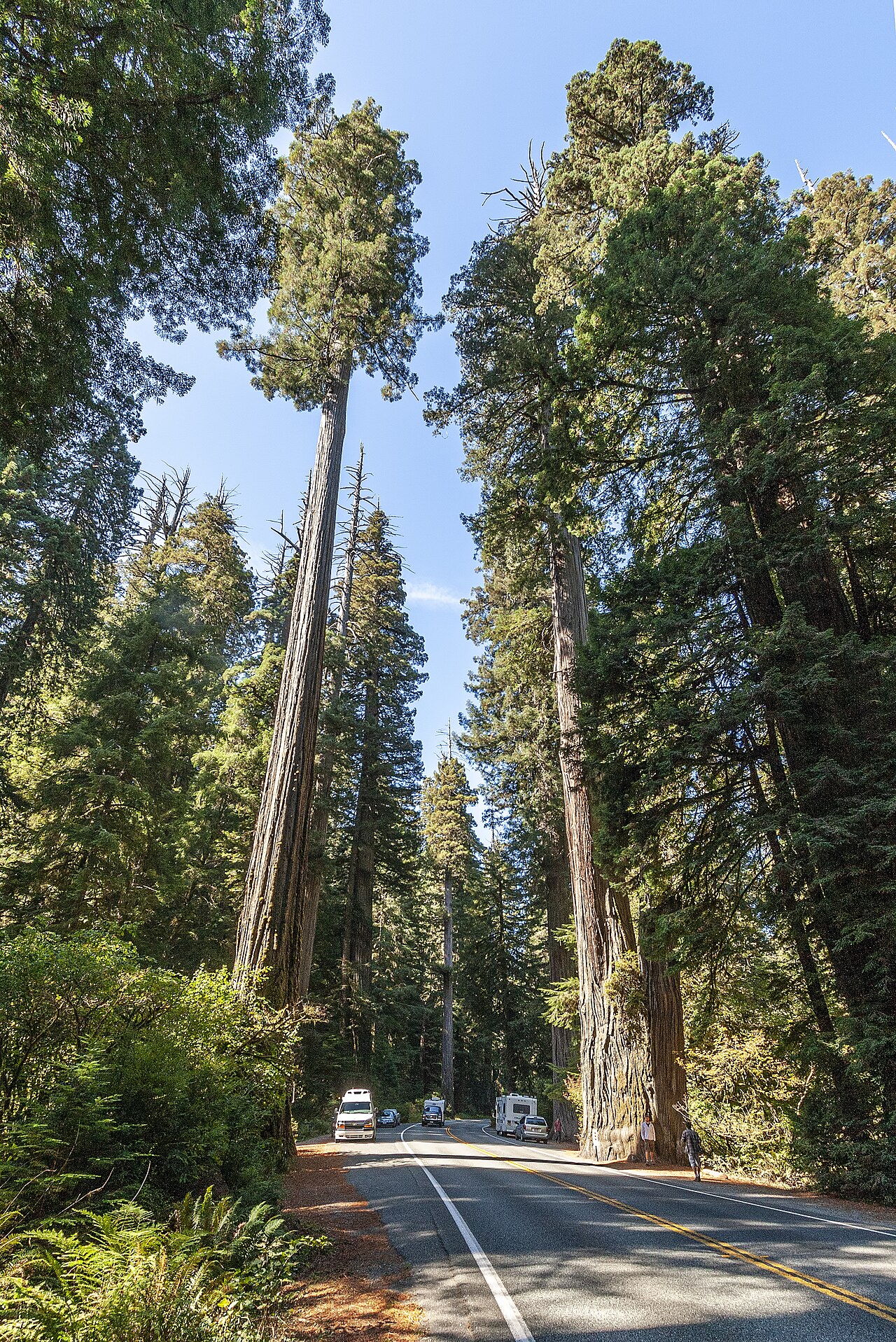
Plants are the green living things that cover most of the land, from tiny mosses to giant redwood trees. They make their own food from sunlight, water and air, and almost everything else on land depends on them. Animals eat plants or eat other animals that did. The air we breathe has oxygen in it largely because of plants and the algae that live in water. Scientists have named about 380,000 kinds of plant. Some grow in deserts, some float in ponds, and some trap and eat insects. People use plants for food, medicine, clothes, buildings and beauty.
What counts as a plant?
Plants are living things with cells that have a nucleus, and most of them make food from sunlight. They do this with the green pigment , which sits in tiny parts of the cell called . This food-making is called photosynthesis. A few plants have lost the ability and live as parasites that steal food from other plants or from fungi.
People have not always agreed on what a plant is. The Greek thinker Aristotle, who lived from 384 to 322 BC, put all living things into two groups, plants and animals. Plants had a "vegetative soul" and animals had a "sensitive soul". Anything that was not an animal counted as a plant, including fungi and algae. In the 1700s Carl Linnaeus built the system of scientific naming we still use, but he kept the two kingdoms.
Today fungi have their own kingdom. Most scientists use the name "green plants", or Viridiplantae, for the green algae and all the land plants. The land plants are the liverworts, hornworts, mosses, club mosses, ferns, conifers and flowering plants.
Plants come in extreme sizes. Some green algae are single cells. The tallest living trees are coast redwoods, which can top 110 m, and a eucalyptus called mountain ash that reaches about 100 m. That is as tall as a 30-storey building.
Plants are also the main way that the energy of the Sun gets into living things on land.
How is a plant built?
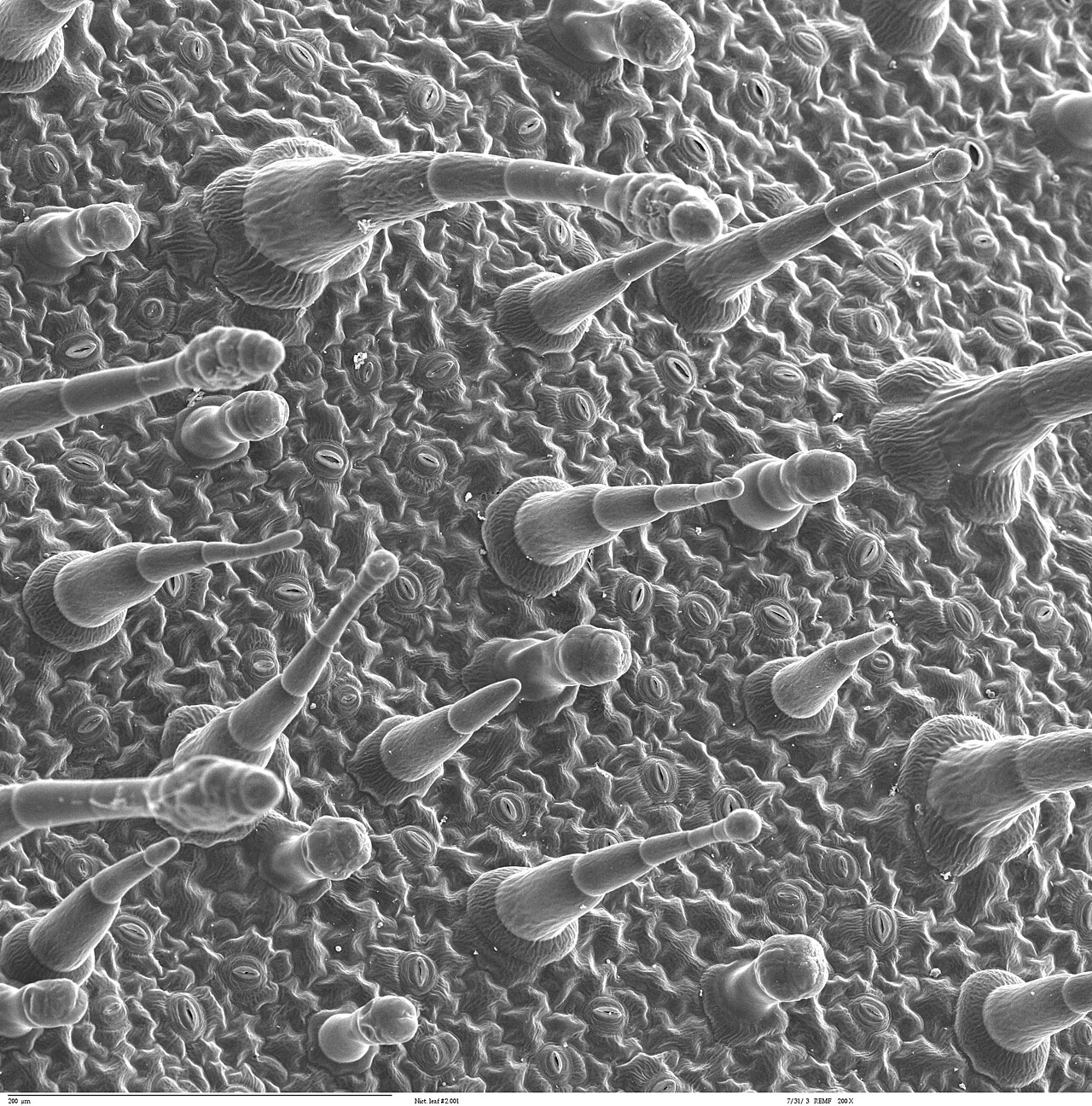
A plant cell has features that animal cells lack. It has a strong wall made mostly of a tough material called cellulose. It has for photosynthesis. And it has a big central bag of water called the vacuole. When the vacuole fills, the cell swells and pushes against its wall, and that is what keeps a young stem upright. A wilting plant is one whose cells have lost water.
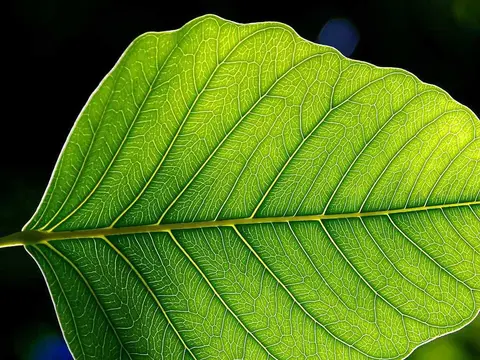
Most plants are made of many cells that work as teams. Roots take in water and minerals from the soil and hold the plant in place, while stems hold it up and carry liquids. Leaves catch light and make sugar, and in many plants flowers make seeds.
Two sets of tubes run through the plant. The carries water and minerals up from the roots. The carries sugar from the leaves to the parts that need it. Together they are called vascular tissue.
Leaves take in carbon dioxide through tiny pores called . Plants also lose water through them, and two guard cells open or close each pore.
Plants can have large sets of genes, and wheat has about 94,000 genes, almost five times as many as a human. The first plant genome ever read was the small weed Arabidopsis, which scientists use as a laboratory model.
How did plants move onto land?
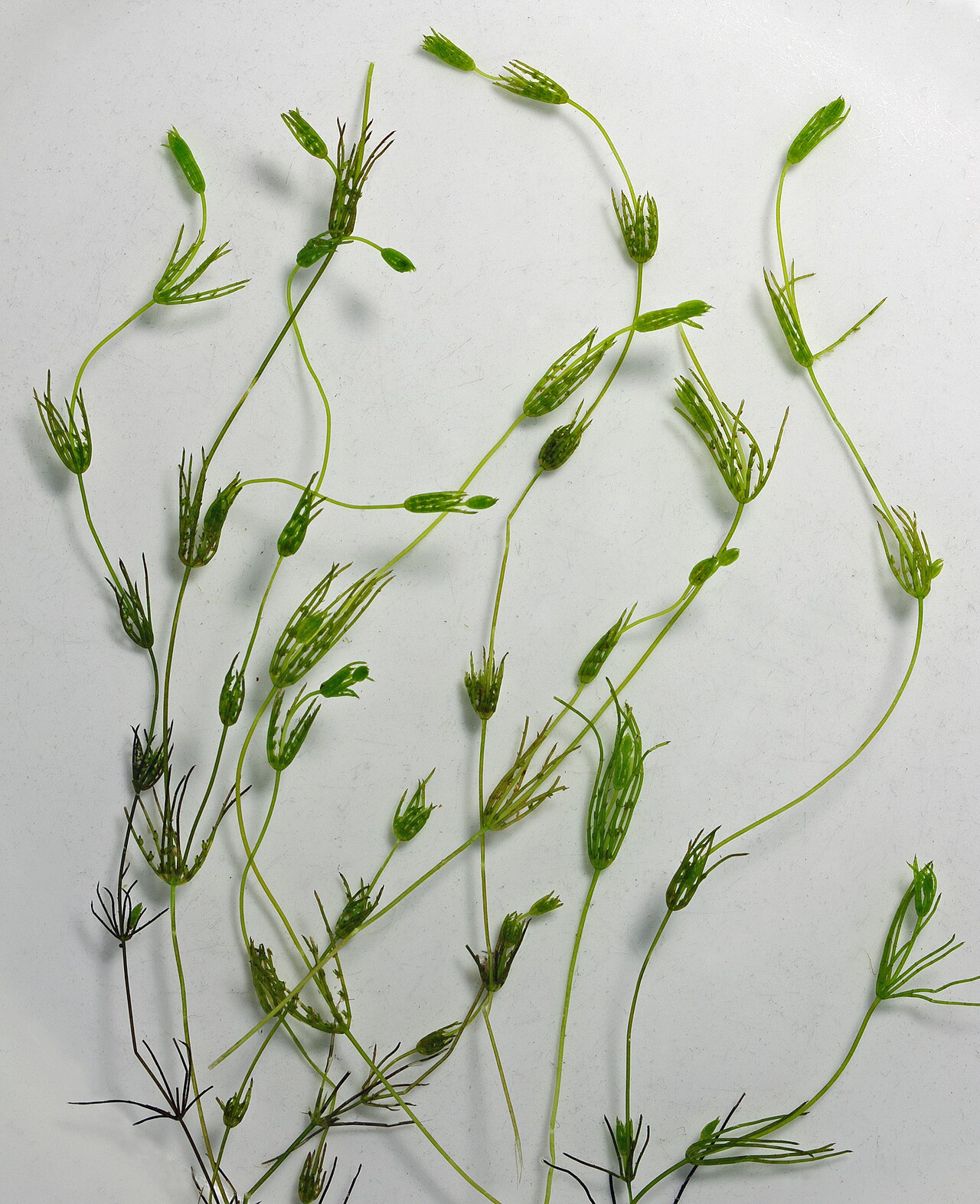
The ancestors of land plants lived in water. They were green algae, relatives of the freshwater alga Chara, which still grows in ponds today. Scientists have found DNA evidence that land plants arose from within one group of these algae.
A green scum of algae may have formed on damp land around 1,200 million years ago. The first true land plants came much later, about 470 million years ago, in the Ordovician period. They were small and low, a little like today's liverworts and mosses. Their problem was drying out, and they lacked tubes to carry water far.
Plants spread out about 420 million years ago, in the Silurian period. In the Devonian period, fossils from a place called the Rhynie chert in Scotland show early plants in cell-by-cell detail. They were turned to stone by silica-rich water from hot springs. By the end of the Devonian, plants had roots, leaves and wood. Archaeopteris was a tree of that time.
The Carboniferous period brought great swamp forests of giant club mosses and horsetails. Early seed plants, the , appeared. Over time they gave rise to the conifers. Flowering plants came later and exploded in variety in the Cretaceous period. Charles Darwin called this fast rise an "abominable mystery".
The coal we burn today mostly began as the plants of those ancient swamps.
How do plants make more plants?
Plants reproduce in two ways. In sexual reproduction, male and female cells join. In asexual reproduction, one parent grows a copy of itself.
Plant life cycles have two phases that take turns, called alternation of generations. One phase has two sets of chromosomes and makes spores. The other has one set and makes egg and sperm cells. In mosses, the egg-and-sperm phase is the green carpet you see. In seed plants such as trees and flowers, it is tiny and hidden inside the flower.
Flowering plants use flowers. The stamens make pollen, which carries the male cells. The pollen reaches the ovule, which holds the egg cell. After fertilisation, the ovary becomes a fruit with seeds. Some fruits are carried whole by wind, water or animals. Others split open and scatter their seeds.
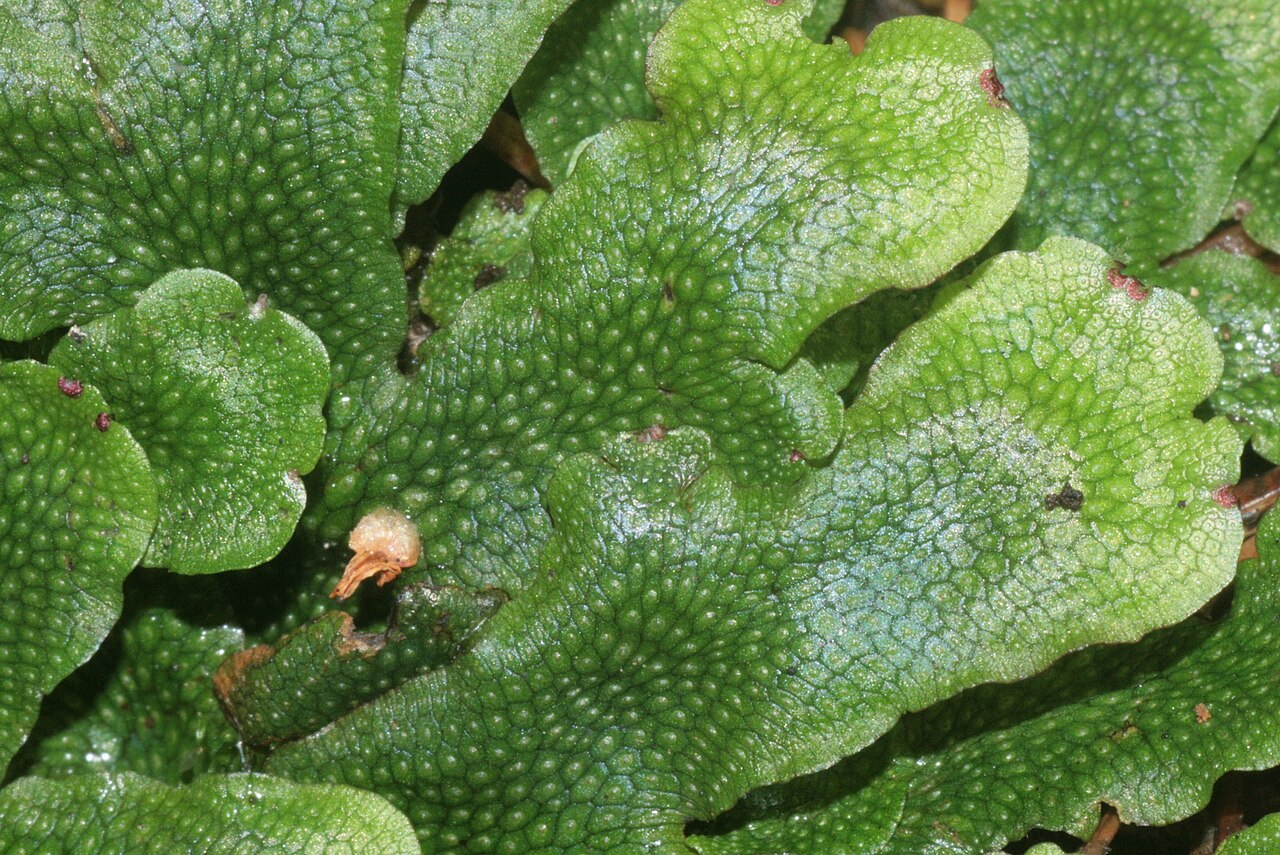
Asexual reproduction is common. A moss or liverwort can break into pieces and each piece regrows. Gardeners copy this when they take cuttings. Strawberry runners spread over the ground and make clones. Potatoes, onions and tulips store food in tubers or bulbs, which grow into new plants. Some liverworts and mosses make tiny clumps of cells called gemmae, which are splashed away by rain and then grow.
Plants can also repair damage to their own DNA, which helps them cope with frost, drought and sunlight.
How do plants team up, compete and cheat?
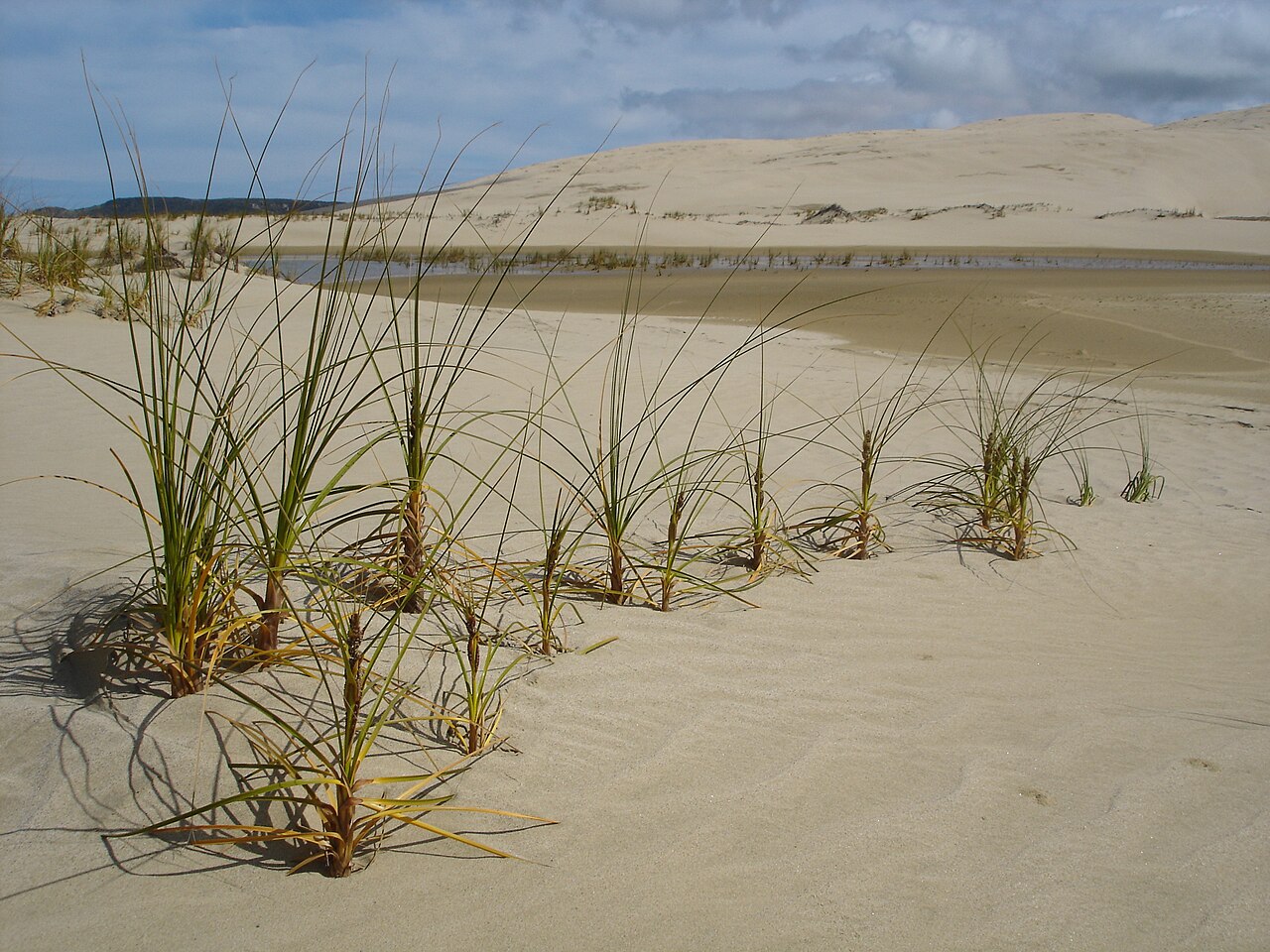
Plants cannot move, so they rely on partners. Many plants swap food for a free service. Flowers pay insects and birds with nectar, and in return the animals carry pollen. Some fruits pay animals with a sweet snack, and the seeds pass through the gut unharmed. Others have hooks that catch in fur.
Underground, most plants have fungi that wrap their roots. This partnership is called . The fungus gathers water and minerals, and the plant gives it sugar. Peas, beans and other legumes house bacteria in lumps on their roots. The bacteria turn nitrogen from the air into a form the plant can use. This is why farmers rotate beans with wheat, to cut down on fertiliser. Some acacias house ants. The ants guard the tree from plant-eaters and the tree gives them a home.
Plants also compete. They race to reach light, and a tall plant shades its neighbours. Their roots fight for water, nitrogen, phosphorus and potassium. Some have deep roots to reach water far underground. Others spread shallow roots to catch rain.
A few plants cheat. Around 1 per cent are parasites. Mistletoe takes water and minerals from its host tree but still makes some of its own food. Broomrape has no at all. More than 800 species are carnivorous, such as the Venus flytrap and sundews. They catch small animals to get nitrogen and phosphorus. , such as many orchids and ferns, simply live on trees for a place in the light.
Why does life on land depend on plants?
Plants and algae are the of most ecosystems. That means they are the first link in food chains. They turn light into sugar, and animals, fungi and many microbes get their energy by eating that sugar, directly or at second hand.
Plants also changed the air. Photosynthesis, first by cyanobacteria and later by algae and plants, changed the early air. It had almost no oxygen. Today it is about 21 per cent oxygen. Most animals use oxygen to release energy from food. Without photosynthesis, they could not live.
Plants make up about 80 per cent of all living matter on Earth, which is around 450 billion tonnes of carbon. Bacteria come next, at about a seventh of the total, and animals are a tiny fraction.
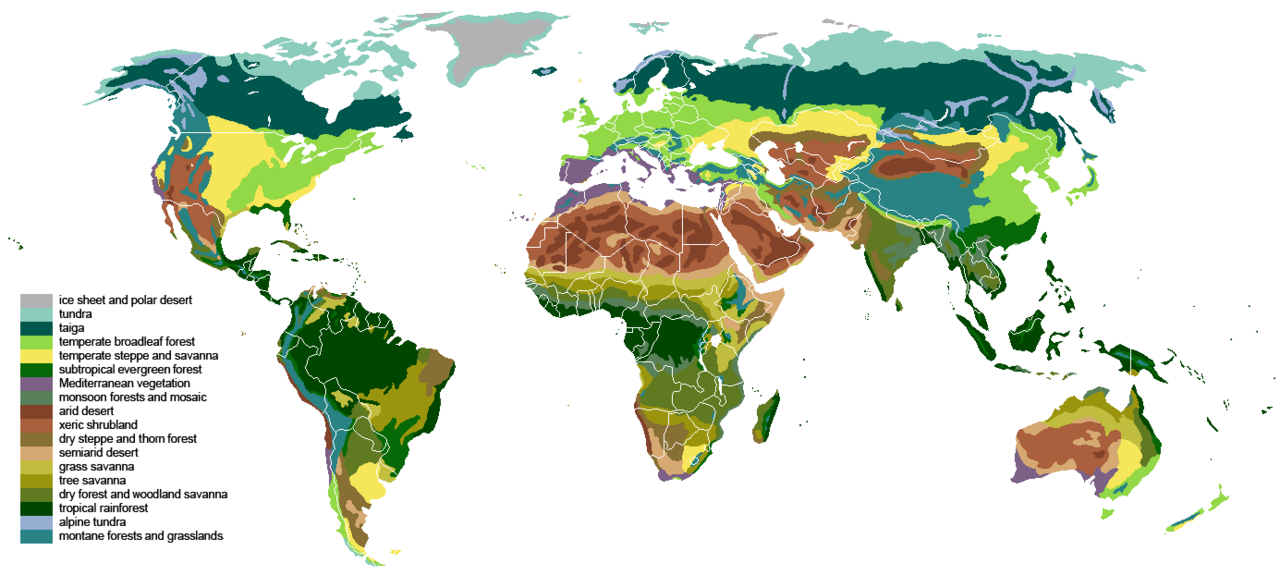
Plants decide what places look like. Many of Earth's biomes are named for the plants that dominate them, such as grassland, savanna and tropical rainforest. Plants live almost everywhere. The only continent where they barely survive is Antarctica, where the flora is mostly mosses, liverworts, algae and lichens, along with two flowering plants.
The plants of ancient times also shaped our energy supply. Coal, oil and gas come from the remains of ancient living things, including plants and plankton. Many coal fields date from the Carboniferous period.
What do people get from plants?
Farming is the growing of plants, and it helped build the first civilisations. People have eaten about 7,000 species of plant, yet only about 30 provide most of our food. The main staples are cereals such as rice and wheat, roots such as cassava and potato, and legumes such as peas and beans. Olive and palm oil give fat. Fruit and vegetables supply vitamins and minerals. Coffee, tea and chocolate are crops that contain mild stimulants.
Many medicines come from plants. Aspirin, morphine, quinine and digitalis were all found in plants, and scientists often make them in laboratories now. A Greek doctor named Dioscorides wrote a book on about 600 medicinal plants between 50 and 70 CE. People used it in Europe and the Middle East for about 1,500 years.
Plant products are everywhere. Wood is used for buildings, boats, furniture and musical instruments, and it is pulped for paper. Cotton and flax are woven into cloth. Rubber, dyes, soaps, perfumes, resins, cork and many plastics all begin with plants. So do firewood and biofuels.
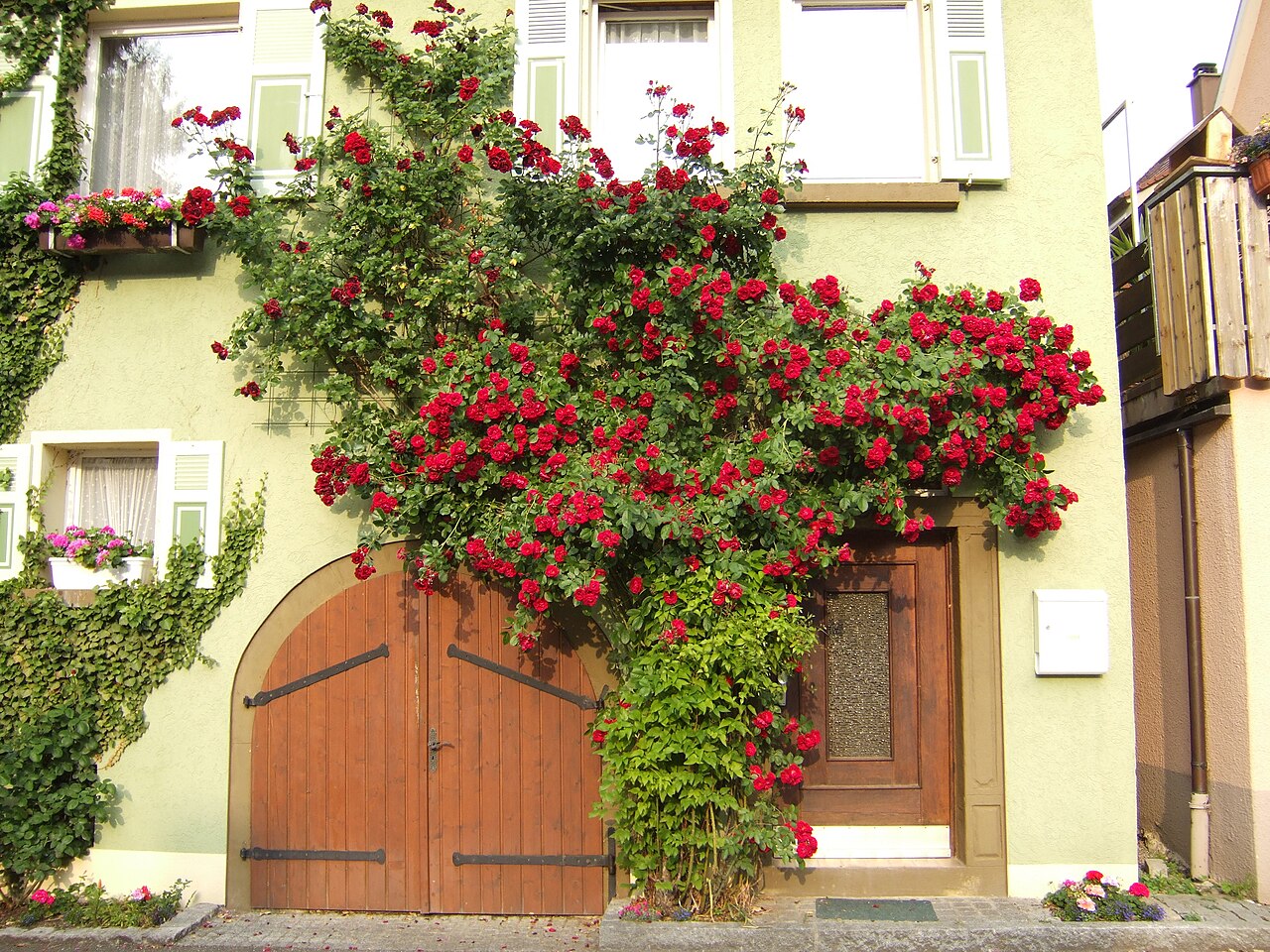
People also grow plants for beauty. Gardens, houseplants, bonsai trees and flower arranging all show this. Tourists travel to see cherry blossom, autumn leaves and rainforests.
Some plants cause trouble. Weeds crowd out crops, and invasive plants carried to new places push out native ones. Grass pollen causes hay fever, and many plants make poisons to keep plant-eaters away.
What have plants taught scientists?
Plants have helped solve some of biology's biggest puzzles. In the 1850s and 1860s the monk Gregor Mendel grew thousands of pea plants and counted their offspring. From this he worked out the basic rules of inheritance, the laws that explain how traits pass from parents to young.
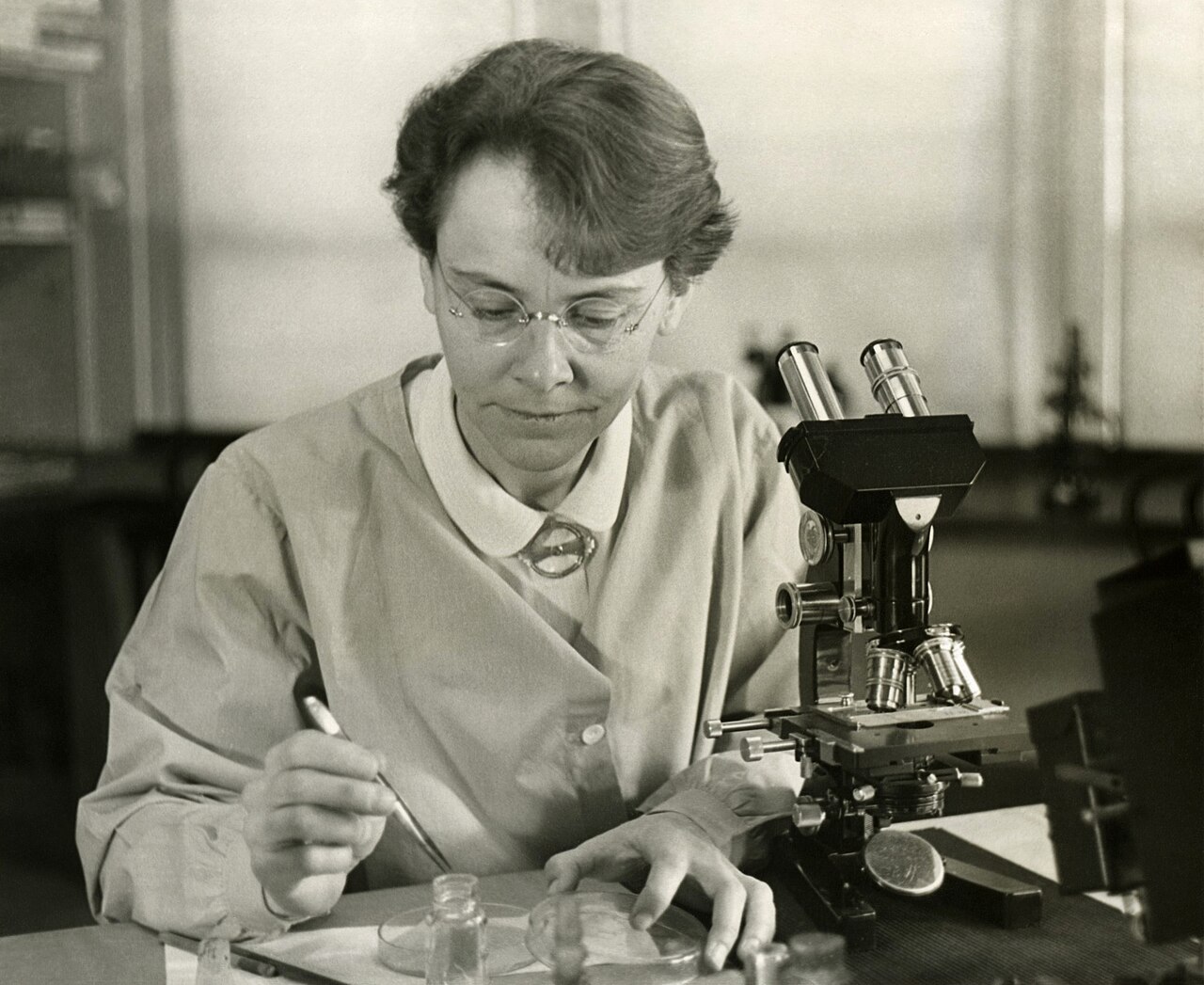
The American scientist Barbara McClintock studied the chromosomes of maize, or sweetcorn, from the 1920s onward. In 1931 she and Harriet Creighton showed that when chromosomes swap pieces, the traits they carry swap with them. Later she found that some genes can move around inside the genome. She won a Nobel Prize in 1983.
Today many labs use a small weed named Arabidopsis thaliana. It grows fast, is small and has a short list of genes, so it is a handy model for finding out how genes control plant growth. Scientists have also found that plants spot disease-causing bacteria with special receptors, which was first shown in rice and Arabidopsis.
Plants keep records. Tree rings can date old wooden buildings and boats. They also record past climates, with wide rings in good years and narrow ones in dry years. Fossil plants help scientists work out how continents moved, how the climate changed, and how old a layer of rock is.
Plants also appear in human stories. In many cultures, a great world tree holds up the sky with roots reaching into the underworld. Flowers mark births, weddings and funerals around the world.
Explore Next
Your audio story keeps playing while you look around.
Words to Know
- biomass
- The total weight of living matter.
- botany
- The scientific study of plants.
- chlorophyll
- The green pigment that captures light for photosynthesis.
- chloroplast
- The part of a plant cell where photosynthesis happens.
- epiphyte
- A plant that grows on another plant without taking food from it.
- gymnosperm
- A seed plant such as a conifer whose seeds are not inside a fruit.
- mycorrhiza
- A partnership between a plant's roots and a fungus.
- phloem
- The tubes that carry sugar around a plant.
- primary producer
- A living thing that makes food from light, forming the base of a food chain.
- stomata
- Tiny pores in leaves that let gases in and out.
- xylem
- The tubes that carry water and minerals up through a plant.