Mammal
Furry, milk-feeding and clever: the animals that inherited the dinosaurs' world.
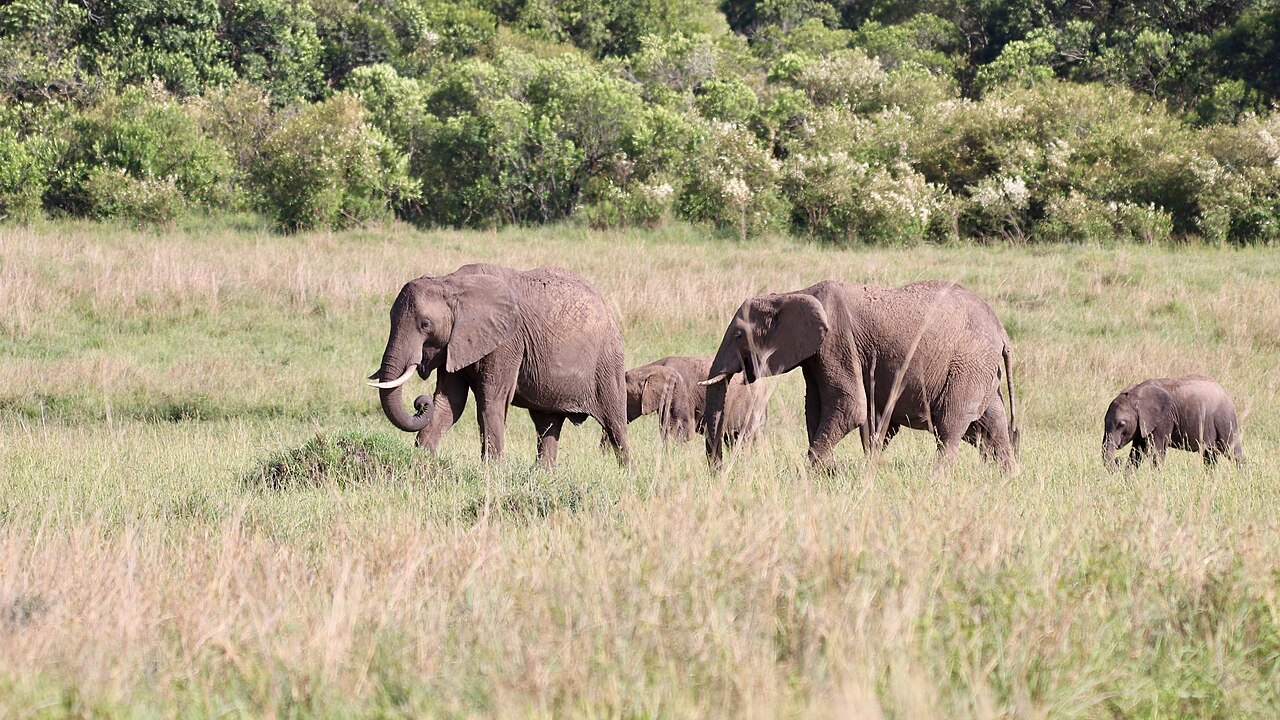
Mammals are the group that includes us. They also include elephants, bats, whales, kangaroos, mice and the platypus. All mammals feed their babies on milk, and almost all have hair or fur. They are warm-blooded, which lets them live in places from polar ice to hot deserts. There are about 6,800 species. They range from a bat the size of a bumblebee to the blue whale, possibly the biggest animal that has ever lived. Mammals began as small, shadowy creatures that lived alongside the dinosaurs. After the dinosaurs died out, they spread across the whole planet.
What makes a mammal a mammal?
Four features set mammals apart. First, mothers make milk in special glands, called , and feed their young with it. The word mammal comes from the Latin mamma, which means breast or teat. Second, mammals have hair or fur, though it may be thin, as in whales. Third, they have three small bones in the middle ear, which help them hear very well. Fourth, they have a large, folded outer brain layer called the , which is used for thinking.
Mammals are also warm-blooded. Their bodies make heat, and they keep a steady temperature. This lets them stay active in cold places and at night. But it costs a lot of energy, so mammals must eat a lot for their size. A shrew eats almost non-stop.
Mammals are amniotes, like reptiles and birds. But mammals belong to a separate branch called the . Their ancestors split from the reptile line over 300 million years ago, in the Carboniferous period.
There are about 6,800 species, sorted into about 27 orders. The three biggest orders are the rodents, the bats and the insect-eating group that includes shrews, moles and hedgehogs. Next come the primates, the even-toed hoofed animals, which also include whales, and the carnivores, such as cats, dogs, bears and seals.
Most mammals are intelligent. Many can solve problems, and some use tools or recognise themselves in a mirror.
Where do mammals come from?
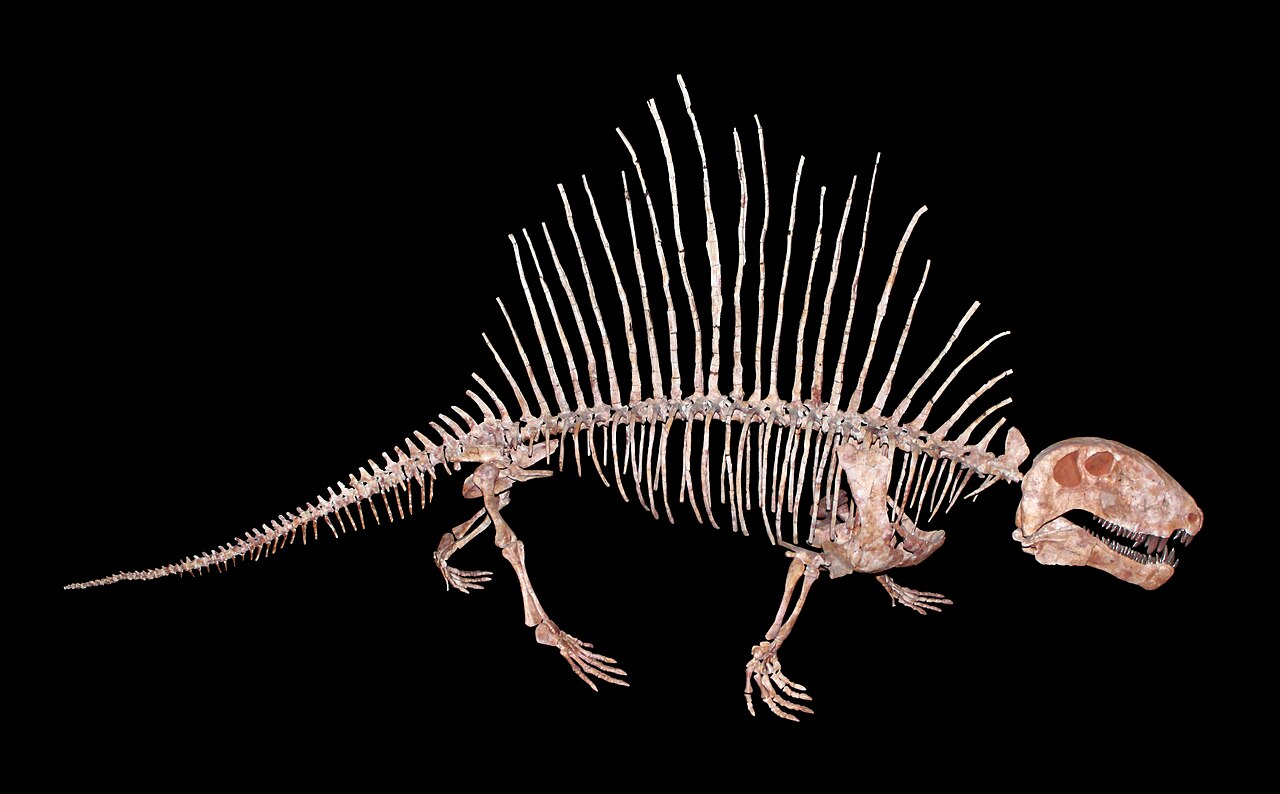
Mammals are the only living members of a group called the . Synapsids have a single opening low on each side of the skull behind the eye. They split from the line that led to reptiles and birds about 320 million years ago, soon after the first amniotes appeared. Amniotes are animals whose eggs or embryos have membranes that keep water in.
Early synapsids were common in the Permian period. Dimetrodon, with a huge sail on its back, was one of the fiercest animals of its time. It is often mistaken for a dinosaur, but it lived before the first dinosaurs. Old books call such animals "mammal-like reptiles". That is wrong, because they were never reptiles.
Around 265 million years ago, a more advanced group called the became the main land animals. Over millions of years, their descendants gained mammal features one by one. They grew a bony roof inside the mouth, so they could breathe while chewing. Some of them may have become warm-blooded about 233 million years ago, well before true mammals arrived. Their legs moved under the body for a more upright walk. And their jaws changed. A single bone, the dentary, became the whole lower jaw. Two of the other jaw bones shrank and moved into the ear, where they became the hammer and the anvil. With the older stirrup, they make our three tiny ear bones.
Then came the worst mass extinction of all, about 252 million years ago. It ended the rule of the big meat-eating therapsids, and the archosaurs, the group that later included dinosaurs, took over.
How did early mammals live alongside dinosaurs?
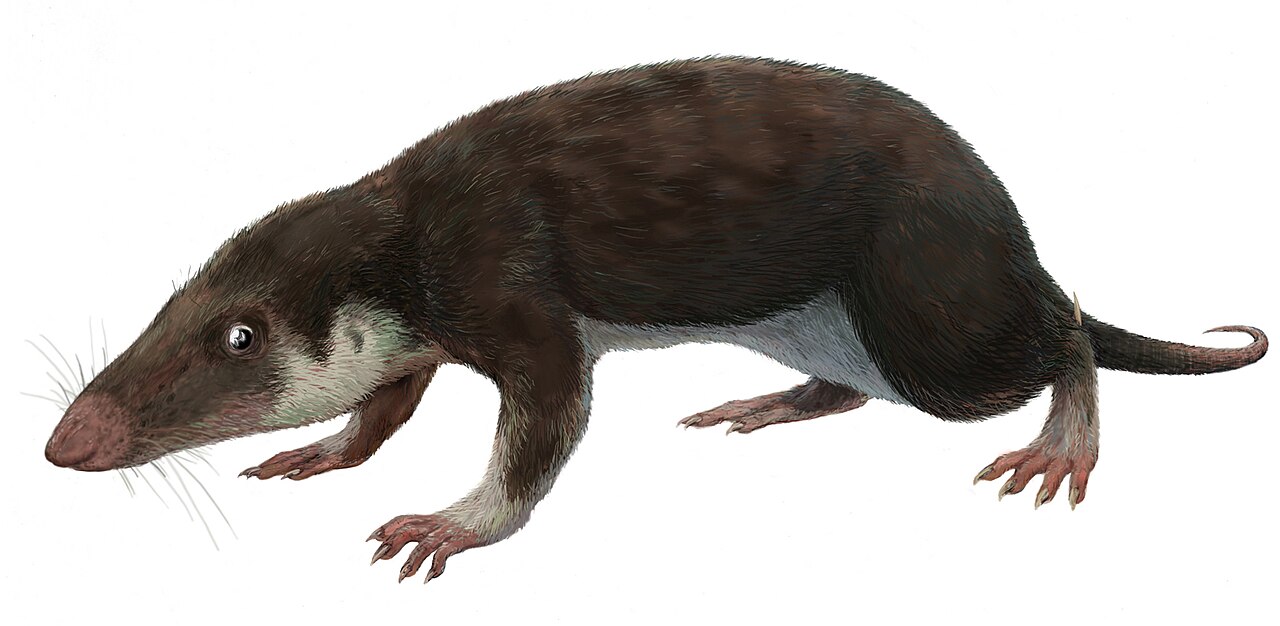
The first mammals appeared about 225 million years ago, in the Late Triassic, around the time the first dinosaurs did. The earliest ones were tiny. Fossils such as Morganucodon show an animal about the size of a shrew with a long tail. Most were probably nocturnal insect-eaters. They hunted at night while the dinosaurs were asleep or kept away. This "night-time bottleneck" may explain why mammals have such good hearing and smell.
During the Jurassic and Cretaceous, mammals spread into many ways of life. Castorocauda lived about 164 million years ago. It looked a bit like a small otter, with a flat tail and webbed feet for swimming and catching fish. It also has the earliest clear evidence of fur. Most Mesozoic mammals belonged to groups that are now extinct. One group, the multituberculates, was rather like rodents.
The three living kinds of mammal split in this era. Juramaia from China, a shrew-like animal about 160 million years old, is the oldest known relative of the placentals. The oldest relative is Sinodelphys, 125 million years old, also from China. It was so well preserved that tufts of fur show in the rock. Teinolophos, about 120 million years old from Australia, is one of the earliest .
Dinosaurs remained the big animals. Mammals stayed small for over 150 million years, waiting for their chance.
What happened after the dinosaurs died out?
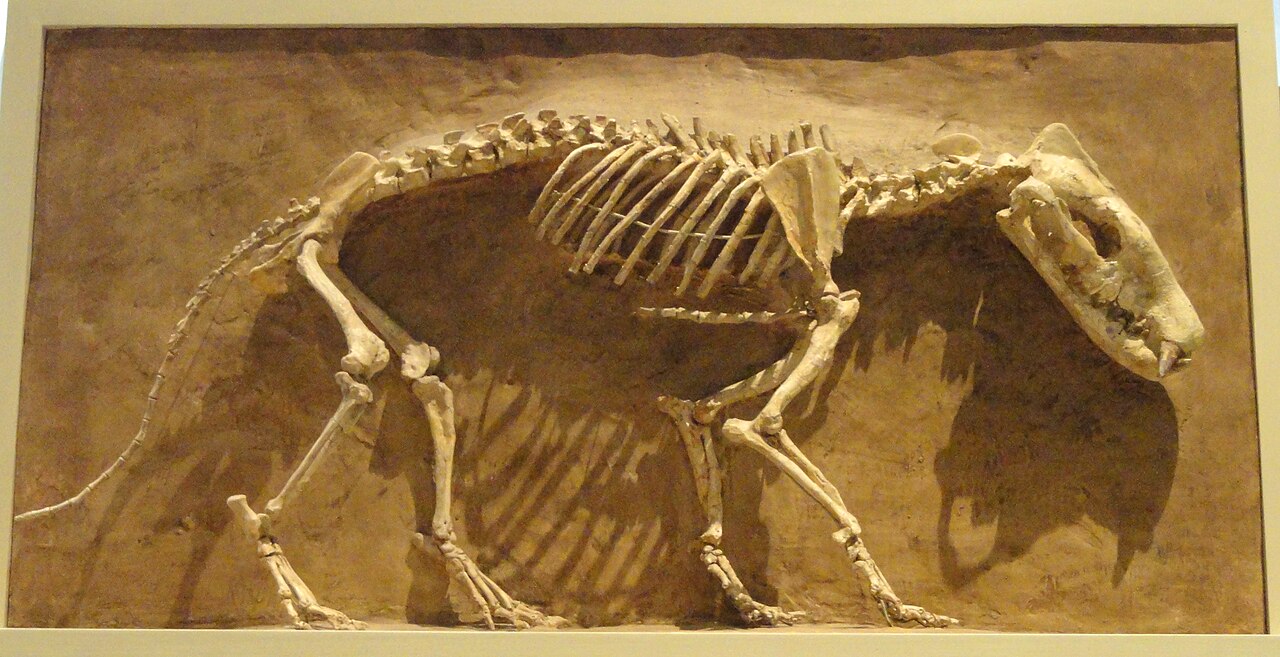
About 66 million years ago an asteroid hit Earth, and a mass extinction followed. All the big dinosaurs, the flying pterosaurs and many sea reptiles died out. This opened up homes and food that had belonged to them for over 150 million years.
Mammals grew fast into the gap. During the Paleocene and Eocene epochs they got bigger and diversified. The oldest known bat skeletons are about 52 million years old, which is just 14 million years after the dinosaurs vanished. Some mammals took to the sea. Whales evolved from land animals with four legs and became the largest animals on Earth.
Scientists still argue about when the main groups of placental mammals started. DNA studies suggest that many split in the Late Cretaceous, about 100 to 85 million years ago. But the first undisputed placental fossils are from the Paleocene. Both could be right. The groups may have lived on, small and rare, until the dinosaurs vanished.
Mammals have been the dominant land animals ever since, and the Cenozoic era is often called the Age of Mammals. Placental mammals spread mainly across the northern continents, while ended up mostly in Australia and South America.
Archicebus, one of the earliest known primates, lived about 55 million years ago. It weighed 20 to 30 grams, and could sit in a human palm.
How do mammals begin life?
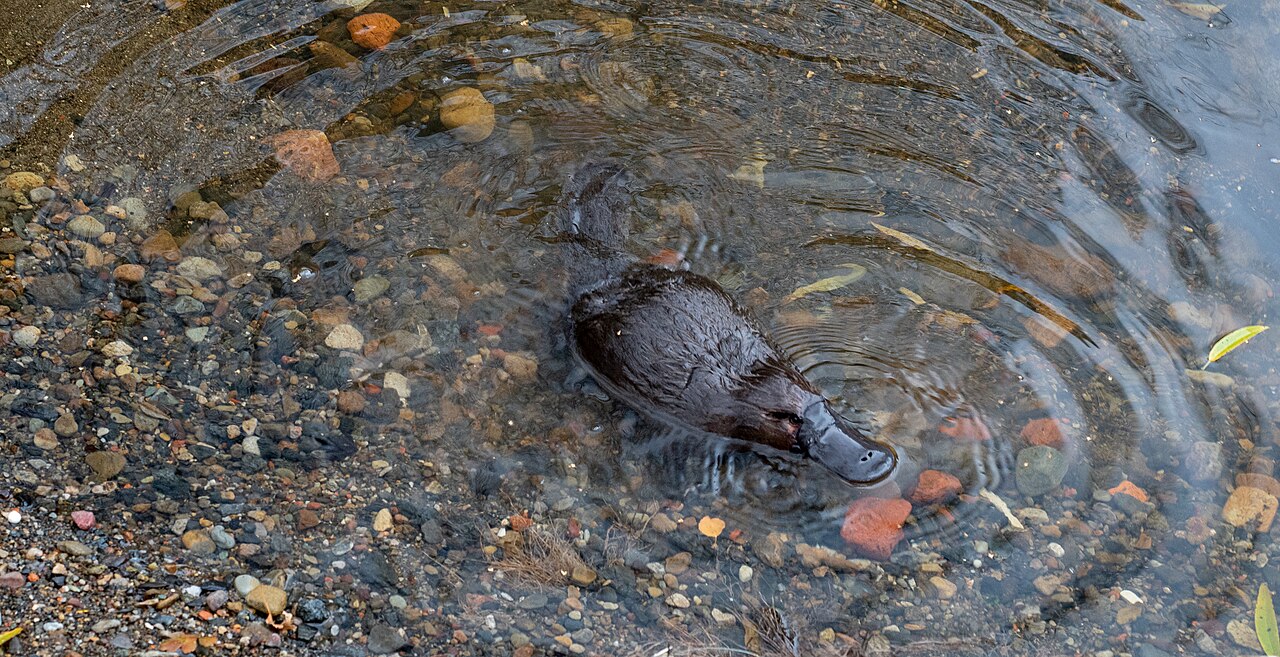
All mammals fertilise eggs inside the mother's body. After that, there are three different ways to start life.
The lay eggs. There are only five living species, the platypus and four kinds of echidna, and they are found in Australia and New Guinea. Their eggs have leathery shells. A monotreme mother has milk glands but no teats. The babies lick milk from patches on her skin. Monotremes keep some old features, such as a single body opening for waste and breeding, like reptiles and birds.
The give birth to very tiny, undeveloped babies after a short pregnancy. The baby crawls to a nipple, often inside a pouch on the mother's belly, and grows there. Kangaroos, koalas and opossums are marsupials. Most live in Australia and the Americas.
The placentals are the largest group. Their babies grow inside the mother, fed through a temporary organ called the . The placenta passes oxygen and food from the mother's blood to the baby. Placental babies are born much more developed. Elephants carry their young for almost two years.
In every case, milk is the first food. Milk is a complete diet, with fat, sugar and protein. Scientists think it may first have kept the eggs of early mammals moist. Mammal mothers usually care for their young for a long time, and this gives the babies time to learn.
How big and varied can mammals be?
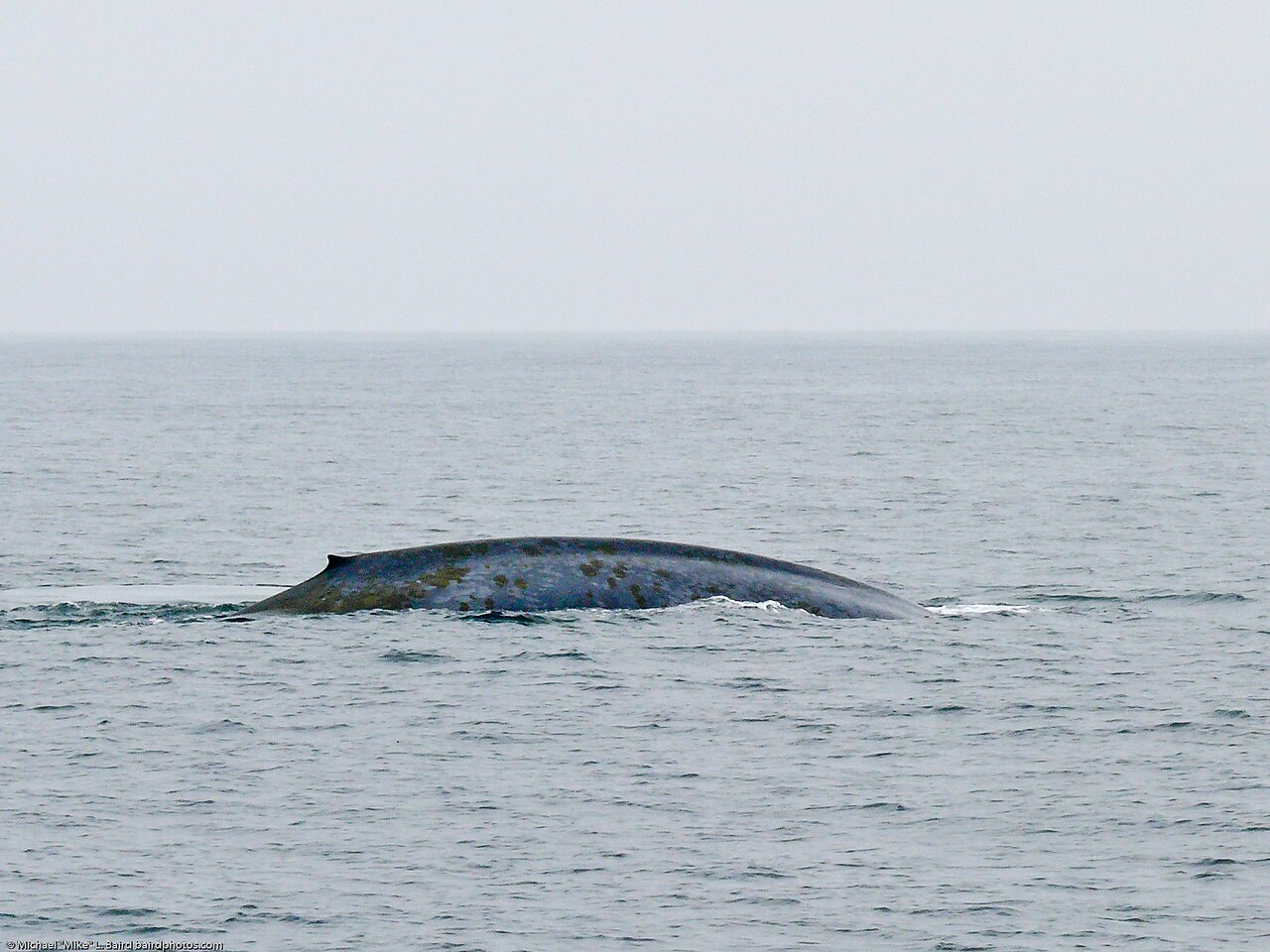
Mammals come in extreme sizes. The smallest is the bumblebee bat, only 30 to 40 mm long. The biggest is the blue whale, which reaches about 30 m and may weigh around 150 tonnes. It is probably the largest animal that has ever lived, bigger than any dinosaur known.
Lifespans vary just as much. Some small mammals live only a year or two, while the bowhead whale can live more than 200 years, and one animal was estimated at 211.
The basic mammal body has four legs, but there are many variations. Whales and sea cows have flippers and almost no hind limbs, and bats have wings made of skin stretched over very long fingers. Moles have strong digging hands, and humans and kangaroos walk or hop on two legs. Some mammals glide. Flying lemurs, or colugos, stretch a flap of skin between their legs and neck to glide between trees.
Mammal coats are just as varied. Fur keeps most mammals warm, but it can also protect, camouflage or send signals. Arctic foxes and snowshoe hares turn white in winter and brown in summer, while skunks and honey badgers wear bold black-and-white fur that warns hunters to keep away. Porcupines have spines, which are stiff hairs, and a lion's mane is a signal.
Teeth reveal diet. Grazers have broad, ridged teeth for grinding grass, and meat-eaters have sharp teeth for slicing. Cows and their relatives have a four-part stomach and chew the cud.
How do mammals move, sense and talk?
Mammals walk in different ways. Many walk on the soles of their feet, as humans and bears do. Cats and dogs walk on their toes, which gives them longer strides and more speed. Horses and deer walk on the tips of their toes, which are covered by hooves. Horses have four natural gaits, from the slow walk through the trot and canter to the fast gallop. Climbing mammals often have long limbs, and some, such as spider monkeys, have tails that can grip branches.
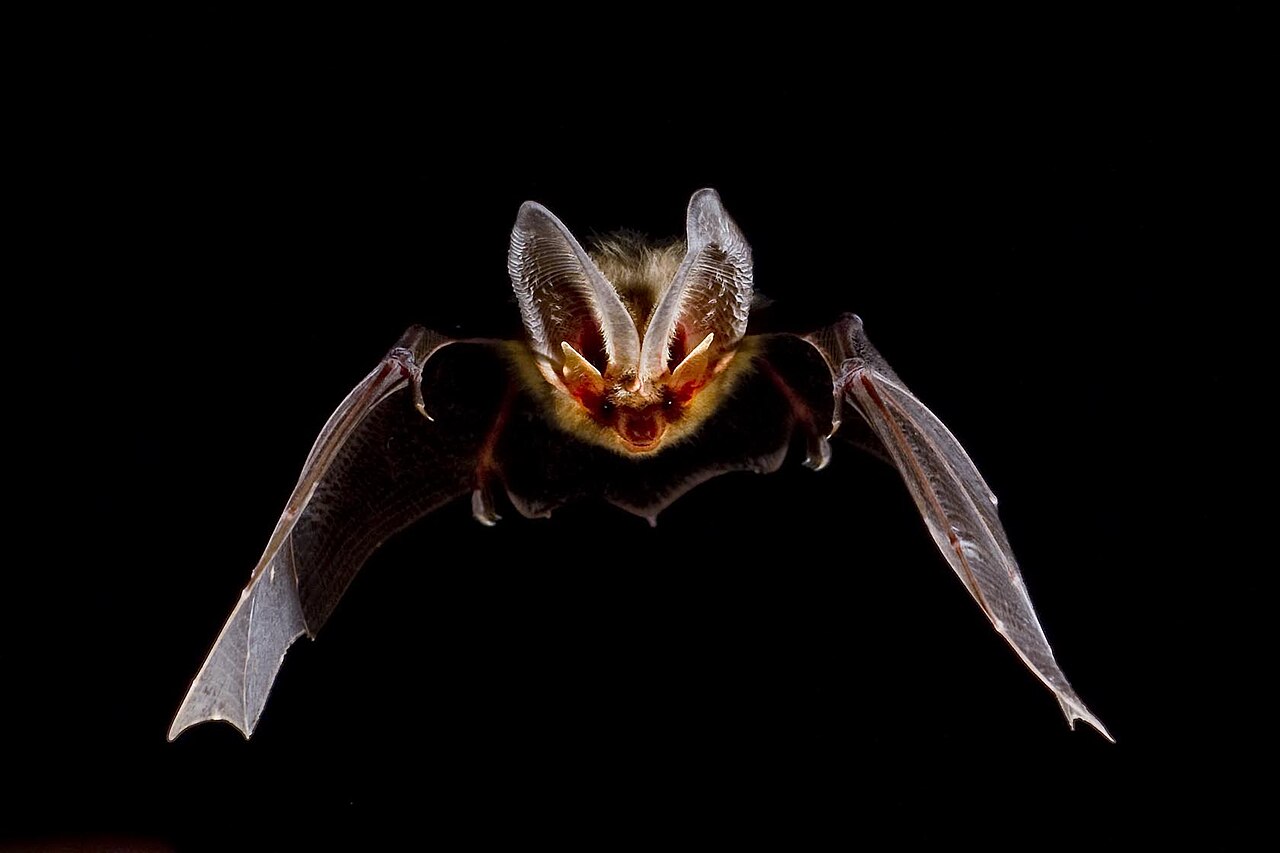
Mammals use many senses. Most have a good sense of smell, and many mark their territory with scent. Whiskers, which are special sensory hairs, help them feel in the dark. Hearing is excellent. Bats and toothed whales make high-pitched clicks and listen to the echoes to find their way and catch prey, which is called . Elephants make deep rumbles, called infrasound, that humans cannot hear and that travel for long distances.
Mammals make sound with the larynx, or voice box. The big cats have thick vocal pads that give them a deep roar, and a hammer-headed bat has a larynx so large that it fills its chest.
Some mammals sing. Humpback whales sing long songs. Humans are the only mammals with full language, and they can use it to share knowledge between generations. Many other mammals teach their young by example.
How have mammals shaped human life, and are they safe?
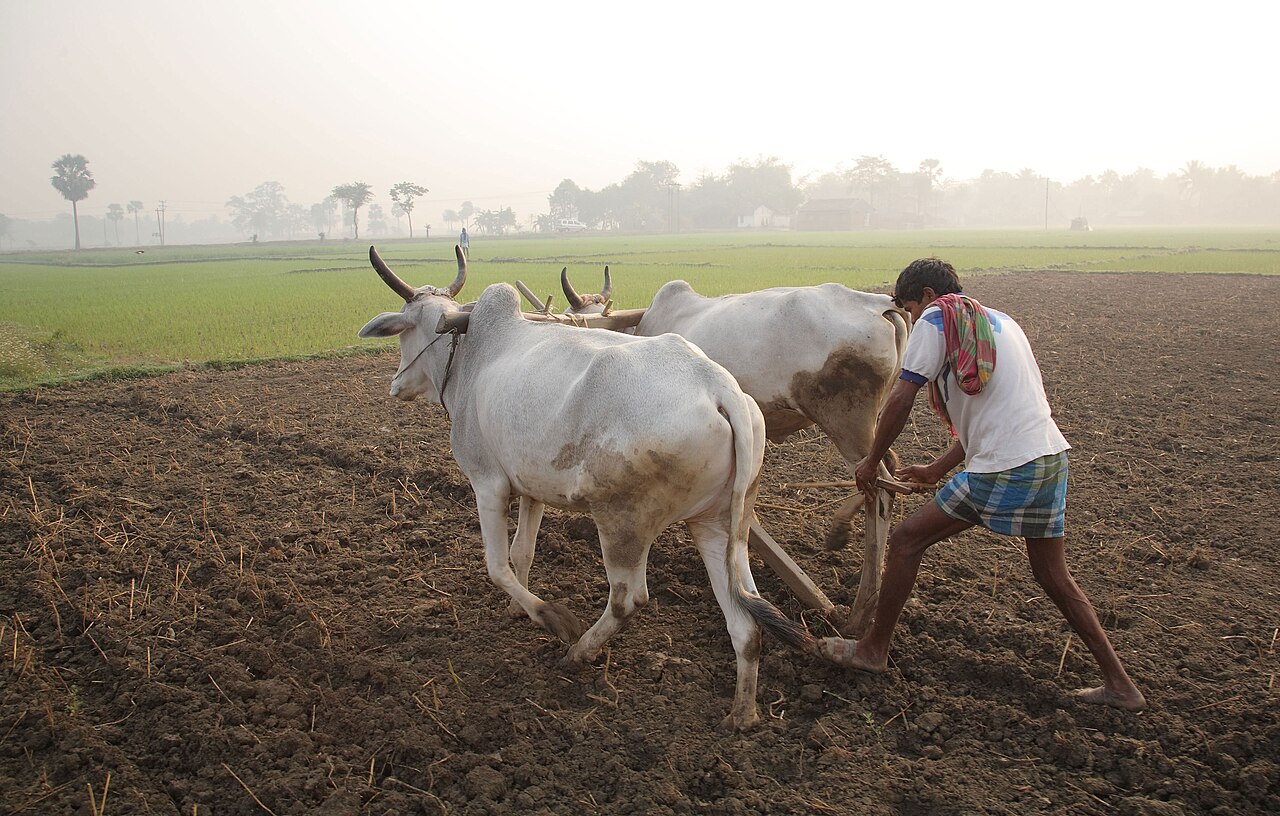
Tame mammals helped make farming towns possible. About 10,000 years ago, in the Neolithic revolution, people began to keep sheep, goats, cattle and pigs. Farming then replaced hunting and gathering as the main way to get food. Families could stay in one place, and villages grew into towns and the first civilisations. Domestic mammals still give us meat, milk, wool, leather and power for pulling ploughs and carts. We also keep them as pets, ride them, race them and use them in laboratories. Mammals appear in cave art from the Palaeolithic, and in stories, films and religion today.
Wild mammals are in trouble. The main causes of their decline are poaching and loss of habitat. Forests are cleared, grassland is ploughed, and hunting for meat, horns and skins has driven many species towards extinction. According to the IUCN, about 26 per cent of mammal species, roughly one in four, are threatened with extinction. Large mammals such as rhinos, elephants and tigers are especially at risk, because they need large areas and breed slowly.
There are some success stories. Protected areas, bans on hunting and breeding programmes have brought back animals such as the European bison and the giant panda. Knowing how mammals live, and how they rose from tiny night creatures, helps people decide how best to look after them.
Explore Next
Your audio story keeps playing while you look around.

Words to Know
- domestication
- Breeding animals over many generations to live with people.
- echolocation
- Finding objects by sending out sounds and listening for the echoes.
- endothermy
- Making your own body heat, often called warm-blooded.
- mammary gland
- A body part that makes milk to feed young.
- marsupial
- A mammal whose tiny young finish growing in a pouch, such as a kangaroo.
- monotreme
- A mammal that lays eggs, such as the platypus.
- neocortex
- The folded outer layer of a mammal's brain used for thinking.
- placenta
- An organ that feeds a baby inside its mother.
- synapsid
- A member of the group that includes mammals and their extinct relatives.
- therapsid
- An advanced synapsid from which the mammals evolved.