Molluscs
Soft-bodied builders of shells, pearls and some of the cleverest minds without a backbone.
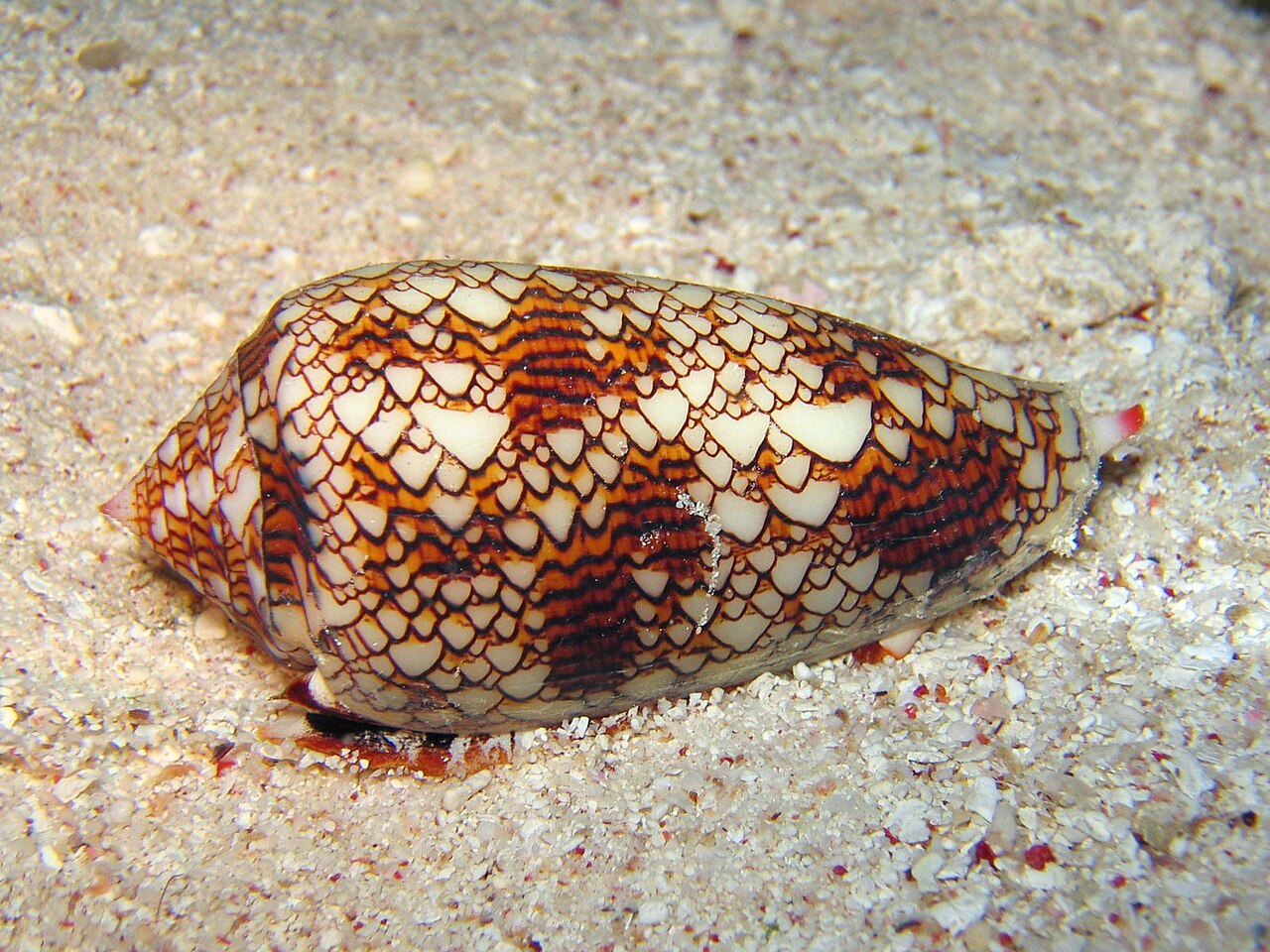
Snails, clams, slugs, squid and octopuses look very different, but they are all molluscs. The word comes from the Latin for "soft", and it fits. A mollusc has a soft body made almost entirely of muscle. Many build a hard shell around it, and others have lost it altogether. Molluscs are the second-largest animal phylum, with around 76,000 known living species, and they are the largest group of animals in the sea. They include the giant squid, an animal with eyes the size of dinner plates. This is the story of how they live, how they began and why people have prized them for thousands of years.
What is a mollusc, and how many kinds are there?
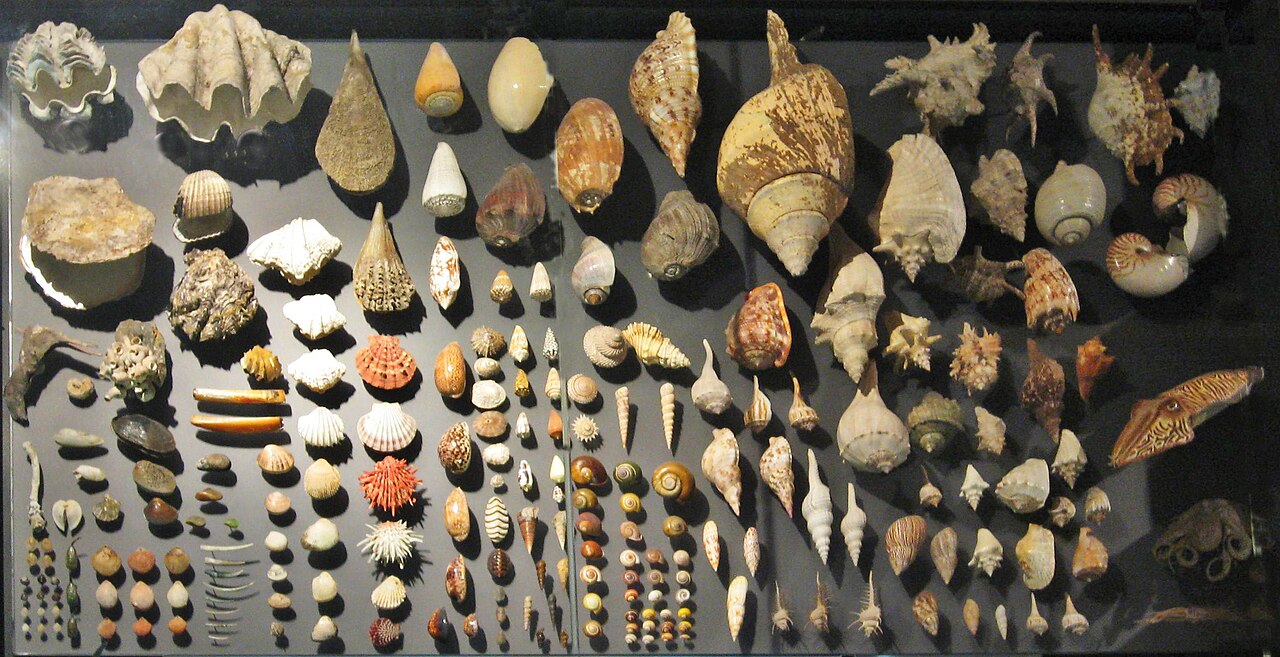
are invertebrates with soft bodies. The phylum includes snails, slugs, clams, mussels, oysters, scallops, squid, cuttlefish and octopuses. Scientists have named around 76,000 living species, though some estimates are higher, and many more are still unstudied. Fossil species add another 60,000 or more.
No other phylum has such a wide range of shapes. A mollusc may be a spiral-shelled garden snail, a clam buried in sand or an octopus that can slip through a gap the size of its eyeball. Most live in the sea, from the seashore to the deep ocean floor. Others live in fresh water, and some live on land.
The molluscs are divided into 7 or 8 classes, and two of those are known only as fossils. The , which include snails, slugs and abalone, are the biggest class by far. They make up about 80 per cent of all mollusc species. , such as clams and mussels, are the next biggest class. The , the squid, cuttlefish and octopuses, are fewer in number but famous for their intelligence.
About 23 per cent of all named marine species are molluscs. The giant squid and the colossal squid are the largest known invertebrates alive today.
What do all molluscs have in common?
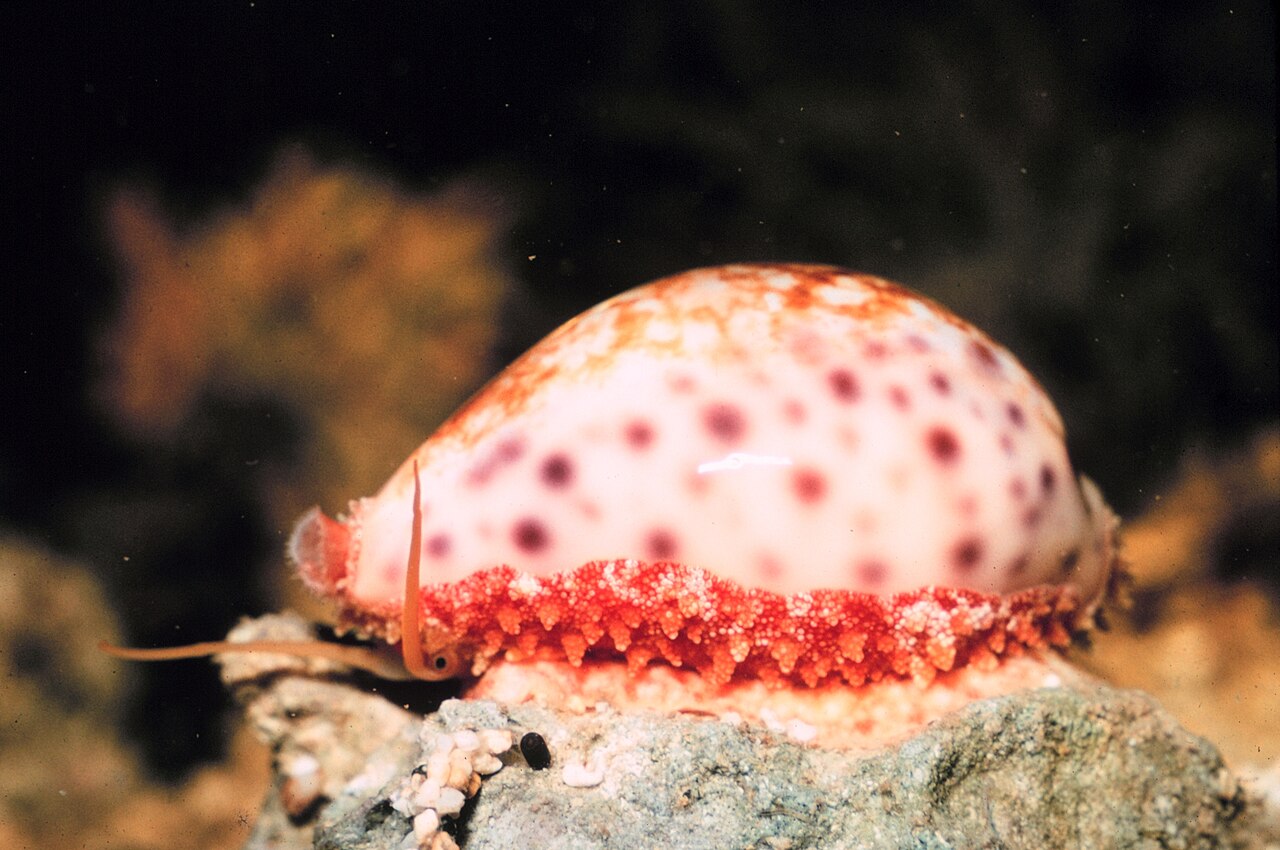
share a body plan with four main features. They have a soft body made almost entirely of muscle. They have a fold of skin called the . They have a nervous system of a particular pattern. And most of them have a rasping tongue called the . are the exception, because they have no radula.
Textbooks often explain molluscs by describing an imaginary ancestor. It had a single shell shaped like a limpet's on top, and a flat, muscular foot underneath. Its soft organs sat between them. Real molluscs are variations on that design.
The mantle is the key part. It covers the animal and makes the shell by laying down a mix of protein and chitin, hardened with calcium carbonate. Between the mantle and the body is a space called the mantle cavity. It holds the gills, which take oxygen from the water. In many species the shell has three layers. The outer layer is protein, the middle layer is calcite and the inner layer is often shiny mother-of-pearl.
The foot is adapted in every group. Snails creep on a trail of slime. Clams use a foot to dig down into sand. Limpets clamp themselves to rocks with the foot. In octopuses and squid, the foot has turned into arms and tentacles.
Most molluscs have an open circulatory system, in which blood flows through body spaces. Their blood often carries oxygen on a copper-based substance called hemocyanin.
How do molluscs eat?
Most eat with a . This is a ribbon covered in rows of tiny teeth. It works like a rasp or a file. The teeth wear down, but new ones grow in at the back. No other animal group has a radula.
Many snails and chitons use it to scrape algae and bacteria off rocks. Some use it like a rake to comb up fine algae. Others rasp the surface of big seaweeds such as kelp. Sea slugs have special radulae too. Some have a single row of teeth that pierce plant cells so they can suck out the sap. Others feed on sponges.
Clams and mussels feed in a different way. They are . They draw water over their gills and strain tiny food particles out of it. A mucus string carries the food into the stomach, with tiny moving hairs called cilia doing the pushing. Because they filter so much water, are also useful to scientists. They soak up pollution, so researchers can test them to see how clean the water is.
are hunters. They grab prey with their arms and tentacles and bite with a hard beak. The radula only plays a smaller part.
Cone snails hunt fish and worms with .
So molluscs are grazers, filterers and predators. That variety is one reason they play such large roles in sea and freshwater food webs.
Why are octopuses and squid so clever?
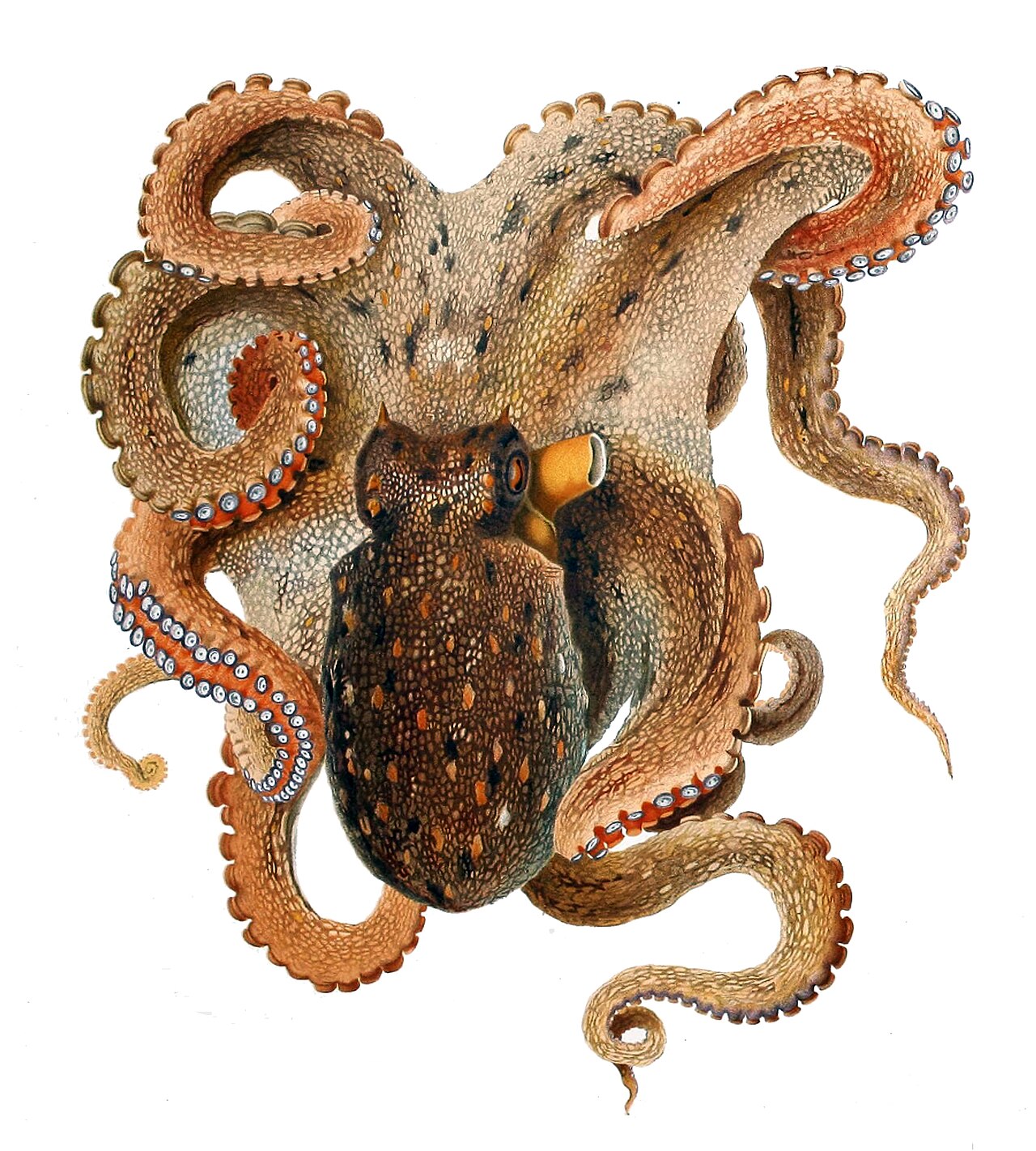
are the brainiest invertebrates. The word means "head-foot", because their arms grow from the head. They include octopuses, squid, cuttlefish and the nautilus.
They have the most advanced nervous systems of any invertebrate. They have large brains, and keen eyes that can form sharp images. Their eyes work like ours, with a lens that focuses light on a retina, even though cephalopods and humans evolved eyes separately. Octopuses can learn, solve puzzles and remember what they have seen.
Cephalopods also differ from other in their bodies. Their circulatory system is closed, so blood stays inside tubes, which suits an active life. Most have lost their outer shell. Their young do not go through a larval stage but hatch looking like tiny adults. Many, like the common octopus, still drift among the plankton at first.
They move by jet propulsion. They suck water into the cavity, then squeeze it out of a tube called the siphon, and shoot off in the opposite direction. Some squid also swim with fins.
The common octopus and the cuttlefish can change colour and pattern within moments. They use this to hide from enemies or to signal to others. That is the work of colour cells in the skin.
Other molluscs have senses too. Scallops have many tiny eyes along the edge of the shell. The eyes can tell light from shade and warn the scallop that a predator is near.
How do molluscs reproduce?
Almost all lay eggs. A few, such as some periwinkles and river snails, give birth to live young. In the simplest system, the male and female release sperm and eggs into the water, and the eggs are fertilised outside the body. Many sea molluscs stay one sex for life and reproduce this way. Others use internal fertilisation, and some are hermaphrodites, which means one animal can act as both male and female.
What comes out of the egg varies. Many marine molluscs hatch as a tiny called a trochophore. It is a floating, microscopic creature with bands of waving hairs around its middle. The hairs sweep food into its mouth and push it along. Later the larva may become a veliger. This stage has a pair of lobes, called the velum or veil, that work like paddles. After a while, the veliger sinks to the seabed and changes into the adult shape. That change is called metamorphosis.
skip these stages. Their hatchlings look like small adults, which is known as direct development. Some freshwater and land snails also hatch as small copies of their parents.
The larval stage is a weak point. Floating larvae are sensitive to changes in the water. Scientists studying ocean acidification, which is the ocean becoming more acidic as it absorbs carbon dioxide, have found that the stress can affect how larvae settle, change and survive.
When did molluscs first appear?
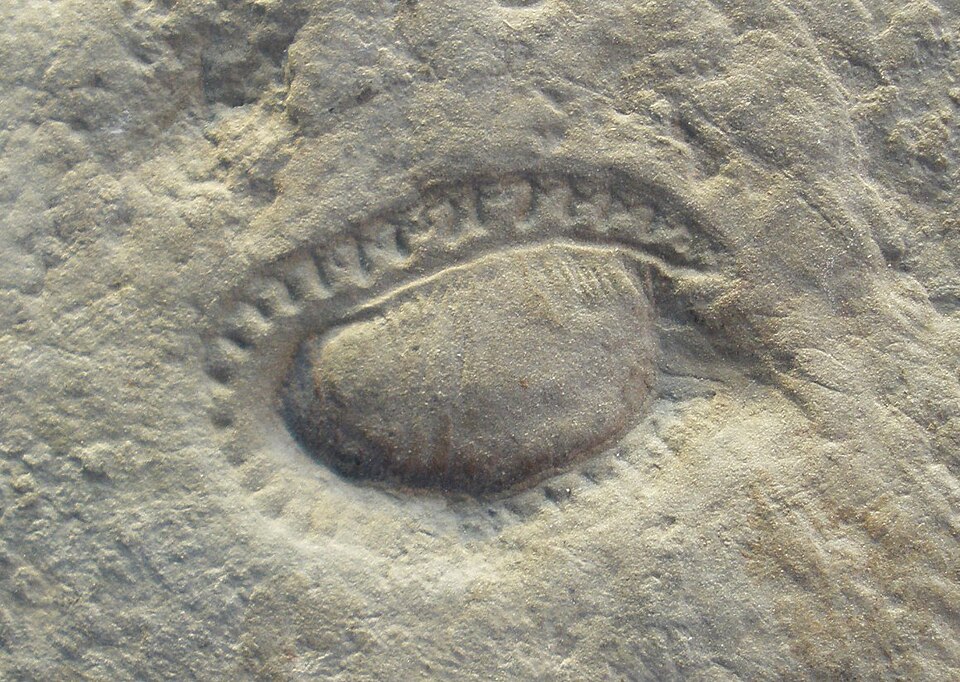
are ancient. Good evidence for , and exists from the Cambrian period, which began about 540 million years ago. By about 500 million years ago, all three groups had appeared, though early forms may belong only to the branches that led to them.
Scientists still argue about earlier fossils. Kimberella, from about 555 million years ago, has been called mollusc-like, but some experts will only say it was an early animal with a left and right side. Wiwaxia, from about 505 million years ago, is a more sharply debated case.
The helcionellids, from Early Cambrian rocks in Siberia and China, are thought to be early molluscs with shells like small limpets or snails. Many were only a few millimetres long. They show that shelled molluscs came before the earliest trilobites.
One famous cephalopod fossil is Plectronoceras, from the Late Cambrian. Its shell had compartments and a tube of tissue called a siphuncle, the same structure modern nautiluses use. Early cephalopods crept along the seafloor instead of swimming.
Modern-looking bivalves appeared about 488 million years ago in the Ordovician. How molluscs split into their classes is still hotly debated. A 2025 study of newly sequenced genomes supports the idea that molluscs divide into two big branches, one with shells and one without.
What happened to the ammonites, and which molluscs are in danger?
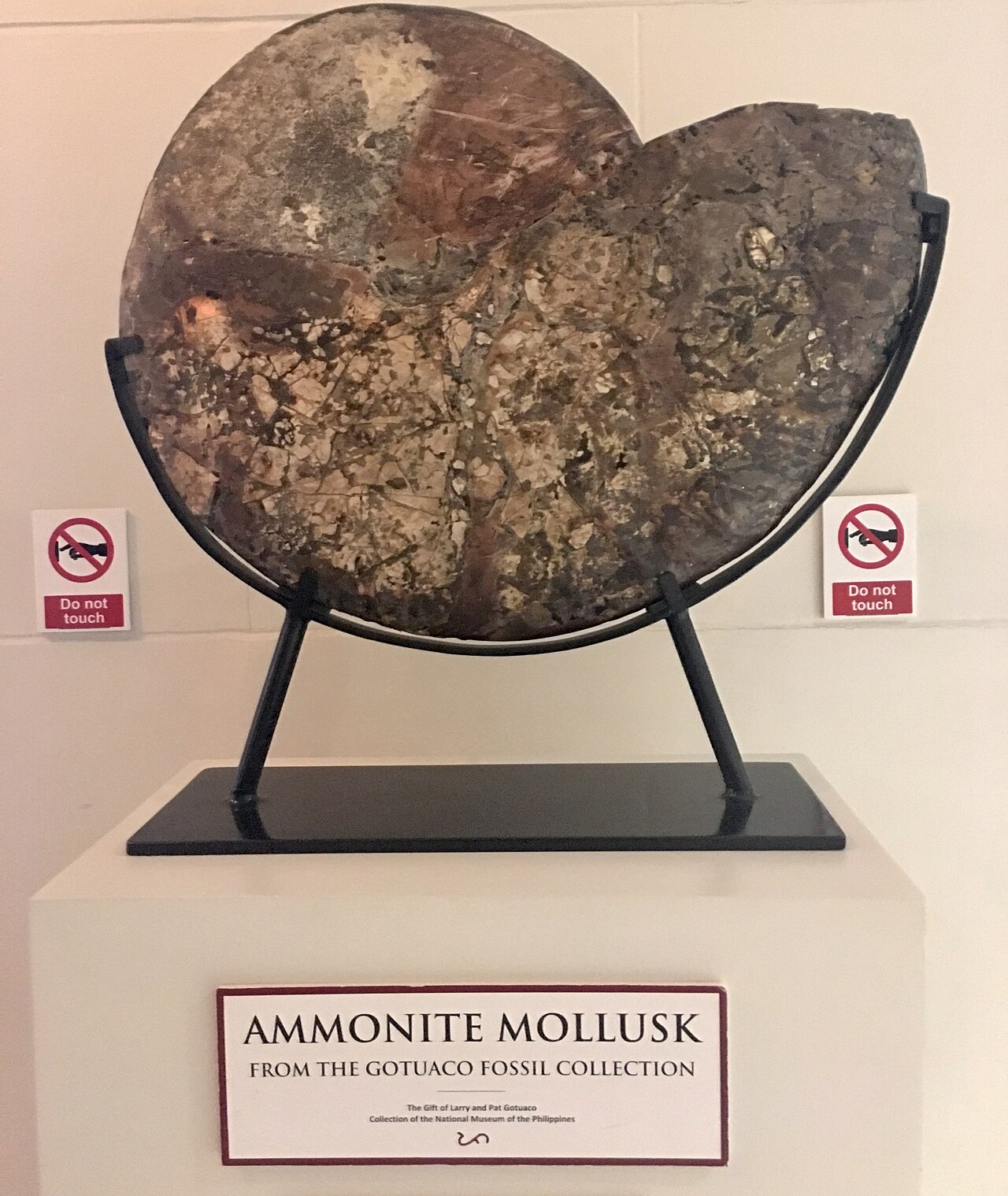
were with coiled shells. They filled the seas for millions of years, and their fossils are common. They died out at the end of the Cretaceous period, about 66 million years ago, when many kinds of life disappeared. So did all shelled cephalopods except the nautiluses. Shell-less cephalopods, the squid, octopuses and cuttlefish, did very well and are common today.
Another group lost at the same time was the rudists. These were that built reefs in the Cretaceous, in the way corals do now. Bivalves as a whole survived and remain abundant.
Today, face their own crisis. Freshwater and land molluscs are especially vulnerable to extinction. Many live in a single river, lake or island. When that place changes, the species has nowhere to go. About 42 per cent of the extinctions recorded since the year 1500 have been molluscs, almost all of them non-marine species. In 2004, the International Union for Conservation of Nature listed nearly 2,000 endangered non-marine molluscs, but only 41 marine ones.
Part of the problem is a shortage of knowledge. Many areas have never been surveyed, and few specialists can identify every species. Some molluscs may vanish before anyone has named them.
How have people used molluscs?
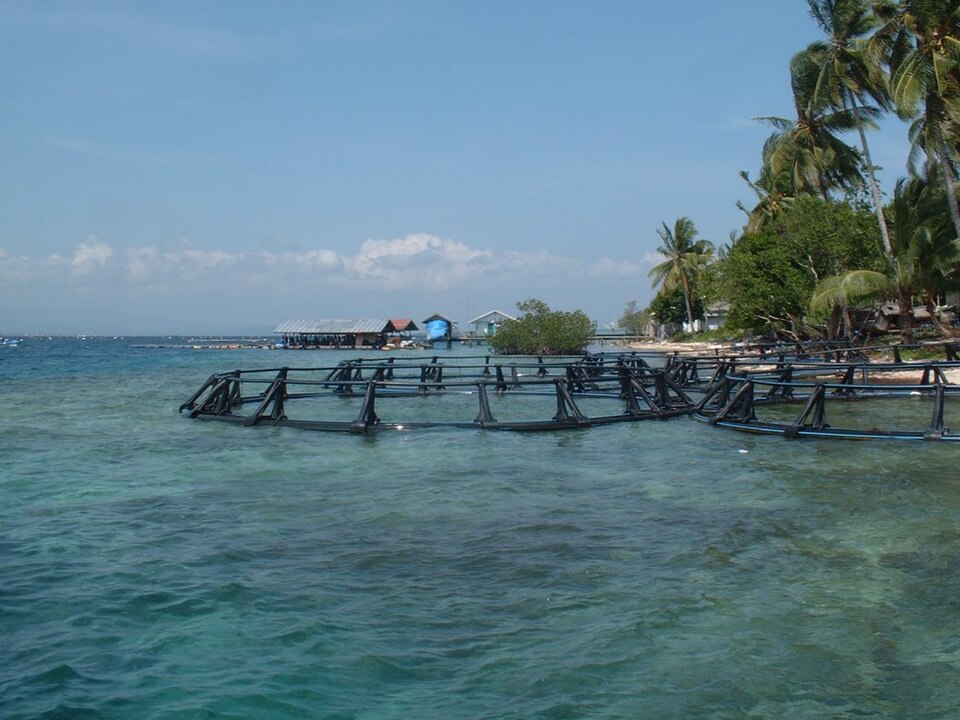
People have eaten since the earliest modern humans. Clams, mussels, oysters, scallops, whelks, squid and octopuses are all food. In some places overfishing has been a problem. Because molluscs can store toxins that cause food poisoning, many countries have rules to keep shellfish safe.
Pearls are another famous product. Most shelled molluscs can make one, but only those with a shiny, pearly lining, called , make valuable ones. A pearl forms when a small object gets stuck between the and the shell. The animal wraps it in layer after layer of nacre. The best natural pearls come from pearl oysters in the warm Pacific Ocean. Today, most pearls are grown on farms where people place a bead or a small piece of shell inside an oyster.
Molluscs also gave the ancient world luxury goods. Tyrian purple was a dye made from the ink glands of murex sea snails. In the fourth century BC, one writer said it was worth its weight in silver. Shells found on Crete suggest the Minoans may have made it even earlier. Sea silk is a fine golden cloth made from threads that the fan mussel uses to anchor itself.
In some societies, cowrie and other shells were used as money. They often marked status at weddings and other events, as well as working for trade.
Can molluscs be dangerous?
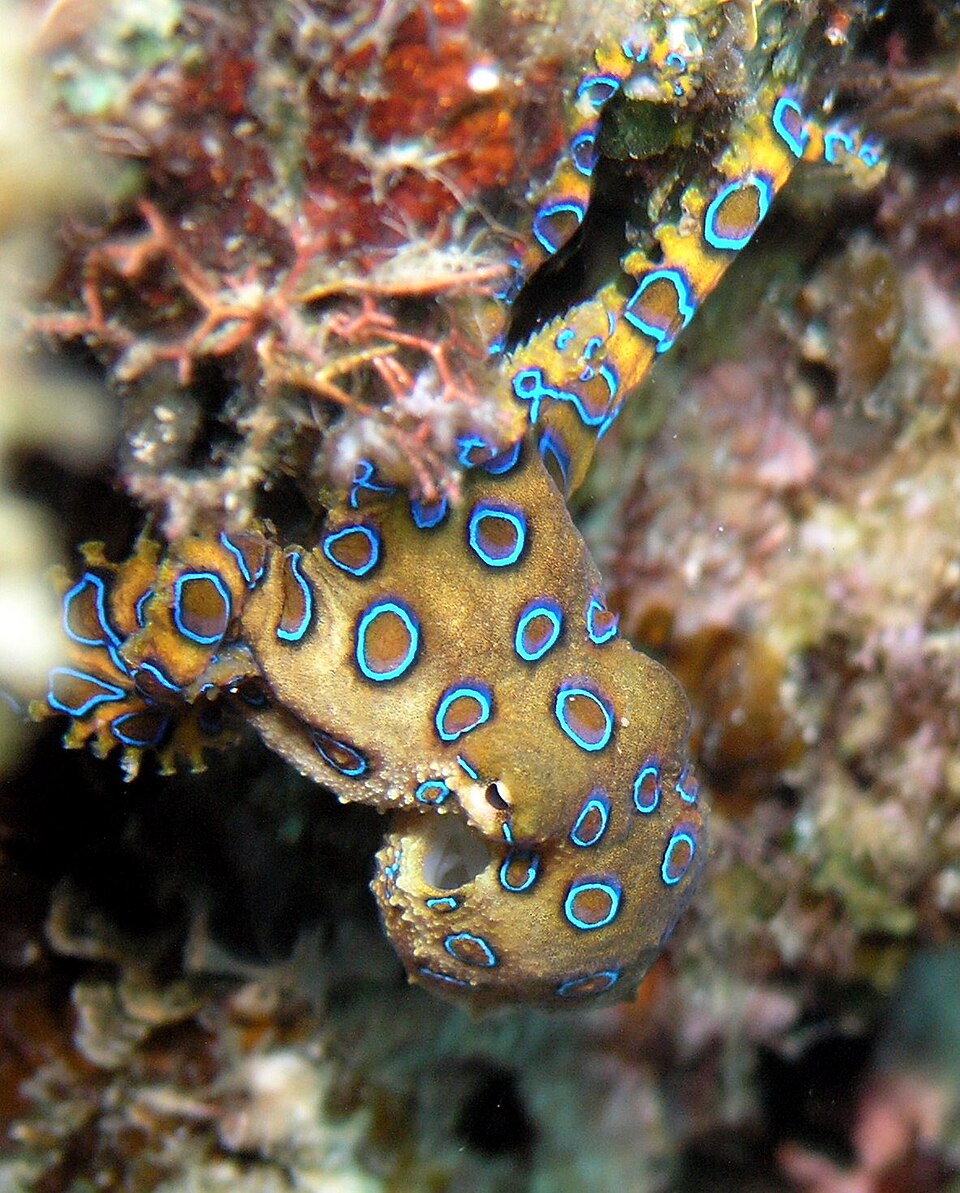
A few can. All octopuses are venomous, but only a few are a danger to people. The blue-ringed octopuses of Australia and New Guinea are small and shy. They bite only when badly provoked, but their can be deadly. Other octopuses cause painful swelling that can last for weeks.
Cone snails also have venom. They hunt with a tiny harpoon-like tooth that injects a mix of toxins into the prey. Only a few of the larger tropical species have killed people. Their venom is so precise that scientists use it as a tool to study how nerves work. Even so, deaths from all venoms add up to less than 10 per cent of those from jellyfish stings.
Snails cause harm in other ways. Freshwater snails host the flukes that cause schistosomiasis, also called snail fever. The parasite is not a mollusc, but it must spend part of its life inside a snail. Schistosomiasis is one of the most damaging parasitic diseases in tropical countries. The World Health Organization estimates that more than 250 million people needed preventive treatment for it in 2024, most of them in Africa.
Some snails and slugs eat crops. The giant African snail has been carried to Asia, Pacific islands and the West Indies. People tried to control it with a hunting snail, Euglandina rosea. That snail ignored its target and wiped out native snails instead. It is a warning about moving species to new places.
Explore Next
Your audio story keeps playing while you look around.
Words to Know
- ammonite
- An extinct coiled-shell cephalopod.
- bivalve
- A mollusc with a two-part hinged shell, such as a clam.
- cephalopod
- A mollusc with arms around its head, such as an octopus or squid.
- filter feeder
- An animal that strains tiny food from water.
- gastropod
- A snail, slug or similar mollusc that moves on a muscular foot.
- larva
- A young animal that looks very different from the adult.
- mantle
- The fold of skin that covers a mollusc and makes its shell.
- mollusc
- A soft-bodied invertebrate, often with a shell, such as a snail, clam or octopus.
- nacre
- The shiny inner layer of some shells, also called mother-of-pearl.
- radula
- A ribbon of tiny teeth that most molluscs use to scrape food.
- venom
- Poison injected by a bite or sting.