Nutrient Cycle
Nature's recycling system, where yesterday's leaf becomes tomorrow's tree.
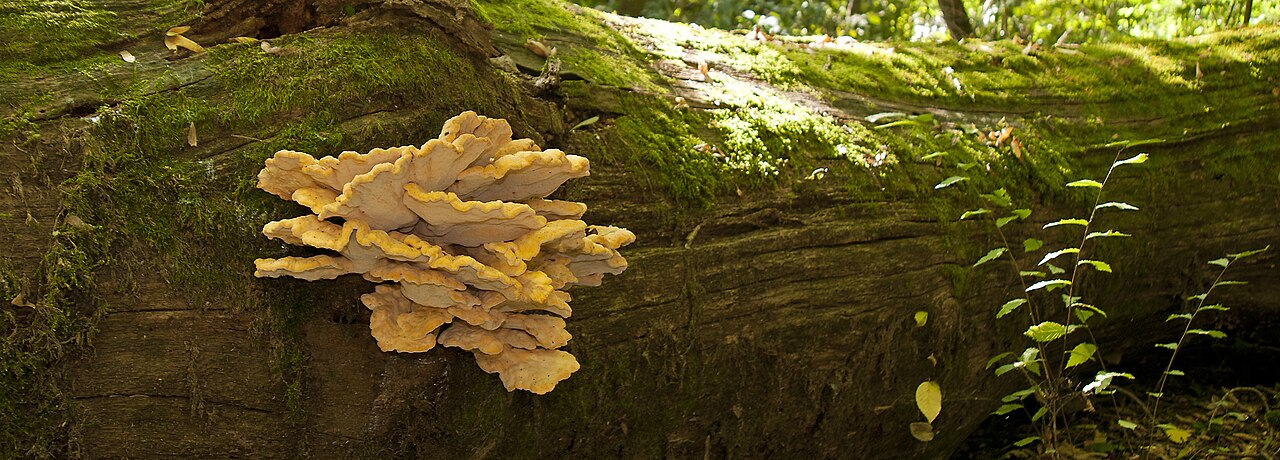
A tree grows for a century, then falls and rots. Where does it go? Not into a rubbish heap. Its carbon, nitrogen, phosphorus and other building blocks return to the soil, the air and the water. New living things then take them up. This round trip is called a nutrient cycle. It is nature's recycling system, and it has run for billions of years. Without it, the nutrients in the soil would be locked up in dead bodies and every habitat would soon run out of food. Fungi, bacteria, worms and many other small helpers keep the loop turning.
What is a nutrient cycle?
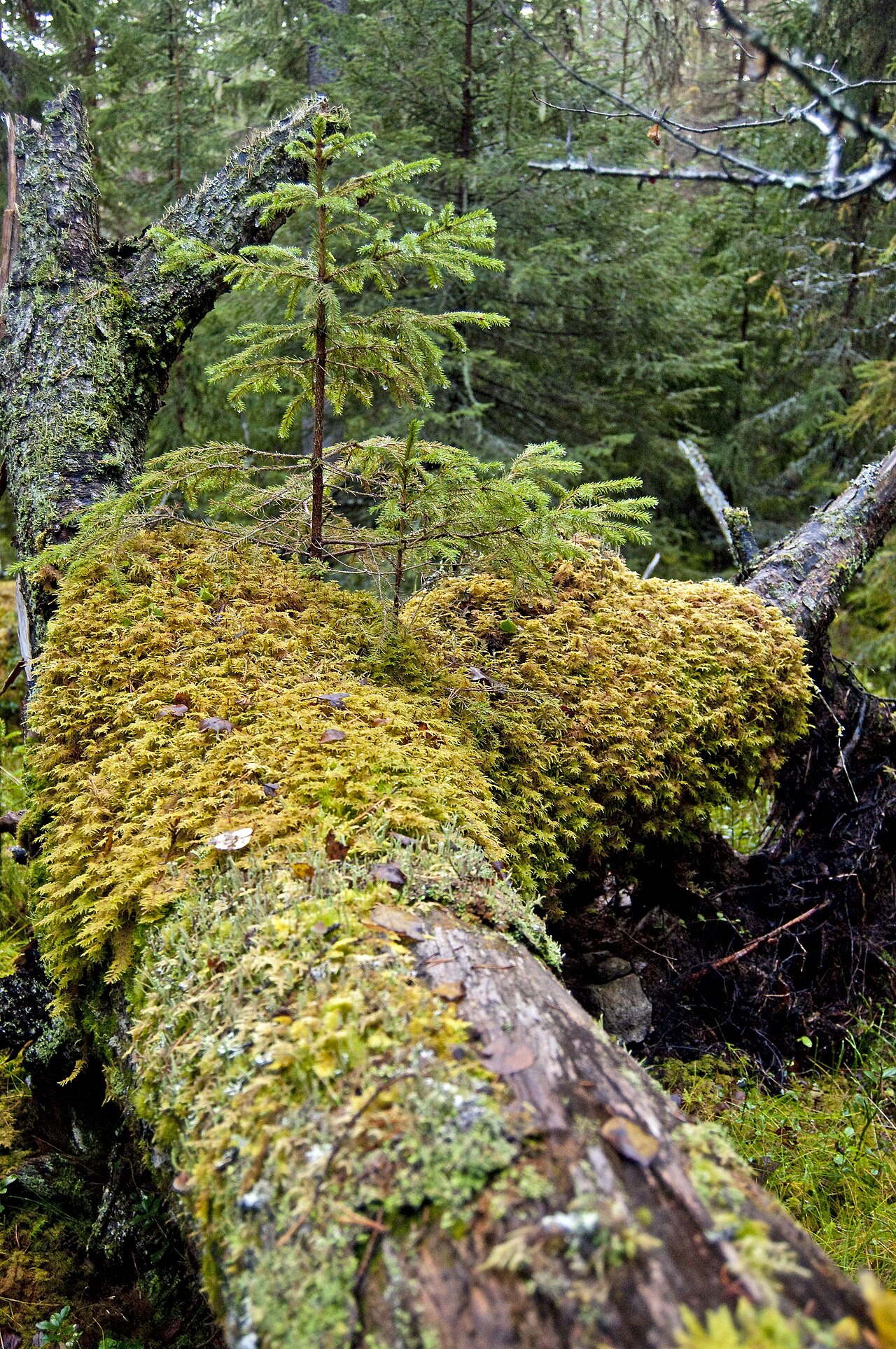
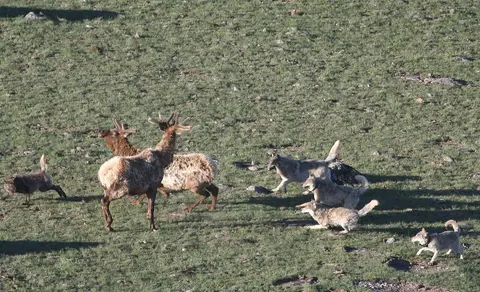
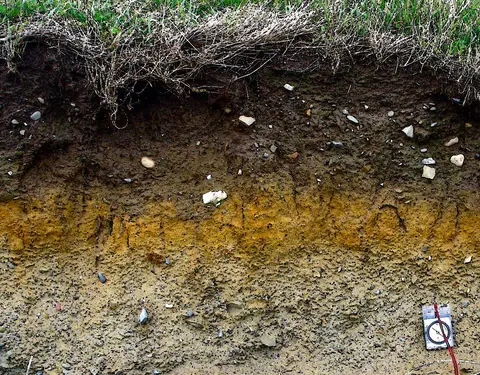
Living things are made of matter that Earth does not make new. A plant takes minerals from soil and water and builds them into leaves and roots. A deer eats the plant and uses the minerals to build bone and muscle. When the deer dies, its body is broken down, and the minerals return to the soil. A new plant takes them up again. This loop is a cycle.
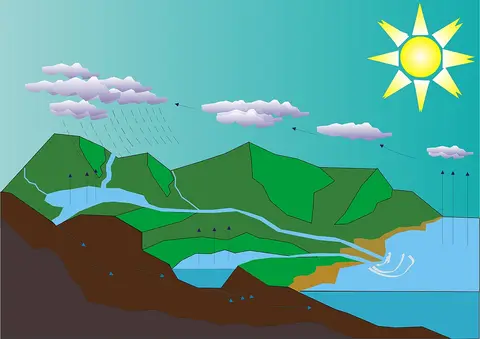
Nutrients include familiar elements such as carbon, nitrogen and phosphorus, and even water counts. Each element has its own named cycle, such as the carbon cycle, the nitrogen cycle, the phosphorus cycle and the water cycle. They all connect, because every living thing uses many of them at once.
The cycles are driven by feeding, growing, dying and, most of all, decomposing. is the slow breakdown of dead matter into simple substances that plants can use. It is the step that turns waste into new food.
Ecologists often study a nutrient cycle inside one ecosystem, such as a forest or a pond. That is a practical choice, because an ecosystem has no sharp edge. No one wants to track every atom up through the sky and down into the deep rocks. Each ecosystem is also linked to the larger cycles of the whole planet, through the matter that enters and leaves it. Scientists call these larger loops .
Why does energy flow but matter go round?
Food webs carry two different things. Energy moves through them in a straight line. Matter moves in circles.
Energy arrives from the Sun and passes from plants to herbivores to carnivores. At each step, some of it leaves as heat. Living things cannot gather heat up again, so new sunlight must keep arriving. This one-way route is called an energy flow.
Matter is different. The carbon atoms in your body have been in other living things before you, and they will be again. Nothing is used up. It is moved around and rearranged. Recycling costs energy, because and plants must do work to take matter apart and build it again. That is why the Sun's energy is needed to keep the loops turning.
How complete is the recycling? The American ecologist Howard T. Odum argued that living and geological systems can gather up chemical elements again and again, as long as an energy source is there. In 1979 the economist Nicholas Georgescu-Roegen said that complete recycling is impossible. Ecologists have rejected his idea, because natural ecosystems have recycled their materials for billions of years. Some writers do think complete recycling is impossible for human technological waste.
Some places are short of and act as sinks. Others have plenty and act as sources. Climate, landscape and the type of rock underneath cause these differences.
Who does the recycling?
The recycling is done mostly by the smallest and least noticed living things. Bacteria and fungi are the main . They feed on dead leaves, wood, droppings and bodies. As they feed, they release simple minerals into the soil.
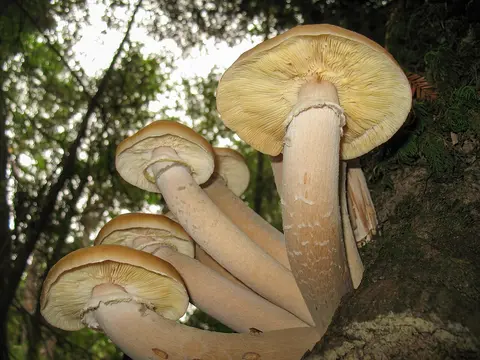
Fungi are especially important in forests. Dead wood is very tough. It is mostly , the stiff material in plant cell walls and one of the most common natural substances on Earth. Few animals can digest it. Many fungi and bacteria make special chemicals called that cut cellulose into small pieces they can absorb. Without these enzymes, fallen trees would pile up for ever.
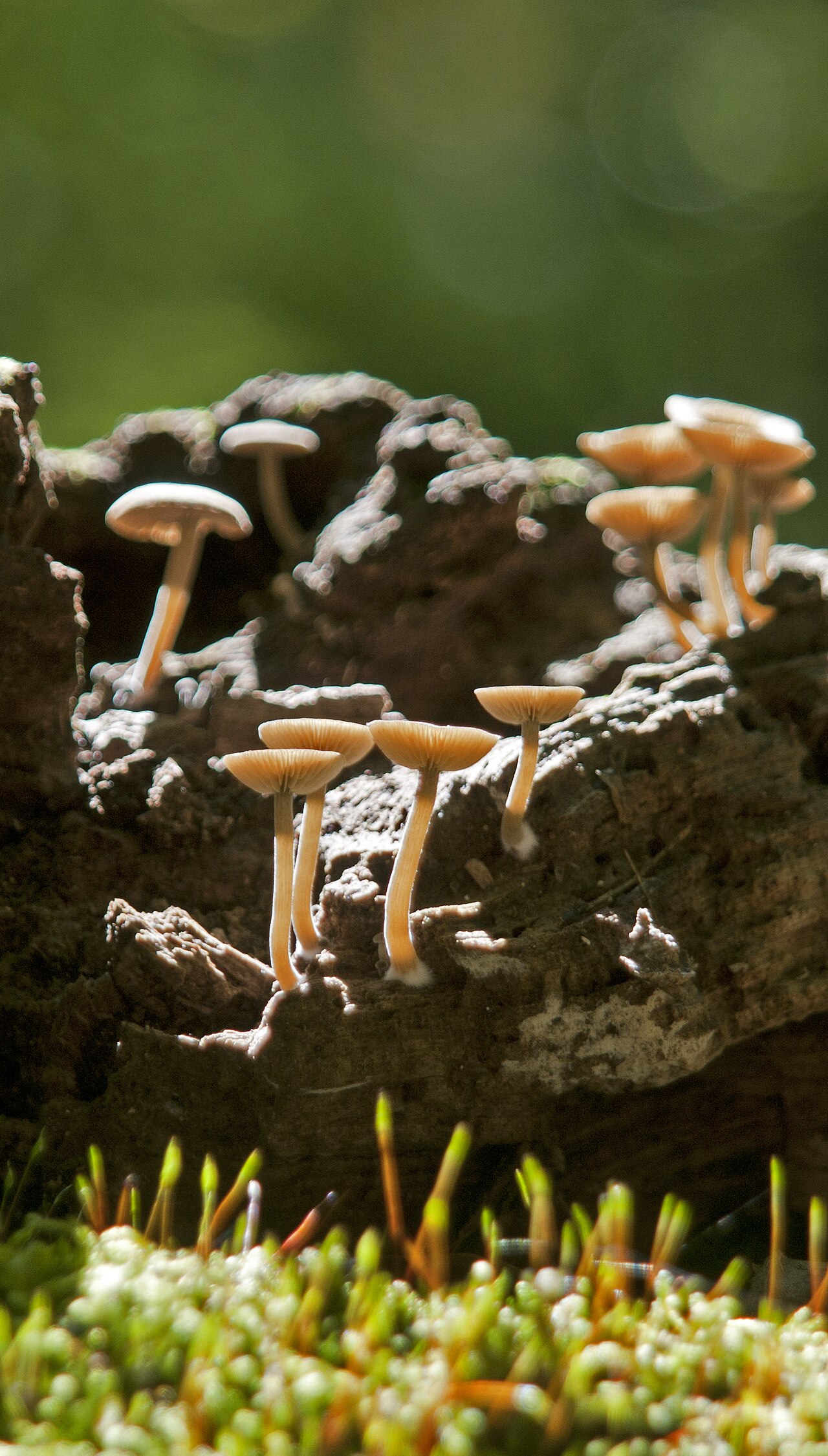
The mushrooms and brackets you see on a log are the fruiting bodies of fungi. The main body of the fungus is a network of fine threads hidden inside the wood. Fungi do more than rot wood. They turn a log into a home for other living things. Beetle grubs and other wood-eating animals, called xylophages, can grow in wood that fungi have already softened. Their feeding breaks the wood up further. This speeds up the return of its to the forest floor.
Different ecosystems rot their leaves at different speeds, so some nutrient loops run faster than others. These differences affect which plants win. In this way, the speed of recycling shapes the future of the whole habitat.
Which animals change the recycling?
Some living things reshape their surroundings so much that they change how move. Ecologists call them . Their effects can last even after they die. Coral skeletons build reefs, and a beaver's dam turns a stream into a wetland. Later species then use the habitat they leave behind.
Earthworms are the best-known engineers of the soil. As they crawl, they mix the soil and drag bits of dead leaf down into it. This is called . They eat decaying matter and leave worm casts, which are droppings full of undigested material. Bacteria and other can then reach the nutrients in the casts. Dead worms also release minerals as they decay. Charles Darwin studied worms for years and wrote about the continued movement of the particles of earth.
Shellfish such as mussels and oysters work in the sea. They filter tiny particles from the water. They help remove extra nutrients from coastal bays by a process called , which turns nitrogen compounds into harmless nitrogen gas. Their reefs also soften waves and shelter young fish.
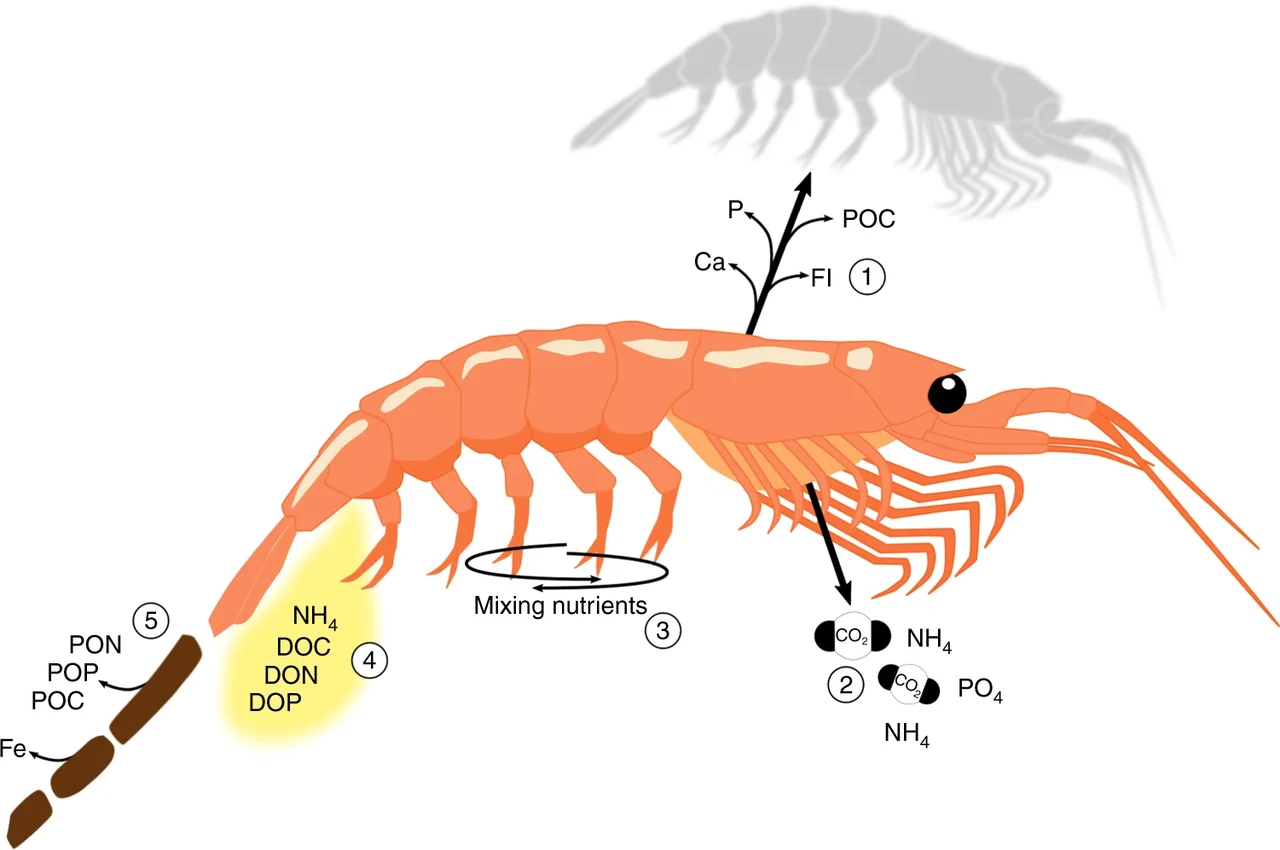
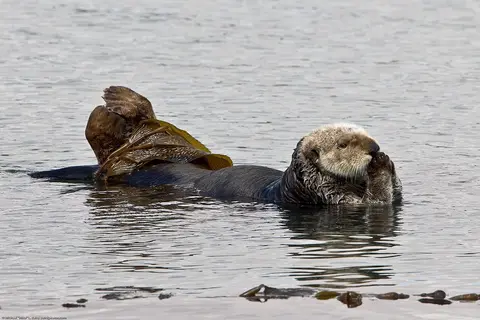
In the ocean, even small animals matter. A krill is a tiny shrimp-like animal. Its waste and its body release ammonium and phosphate into the water. These nutrients feed the tiny algae at the base of the ocean food web.
How does recycling work in the ocean?
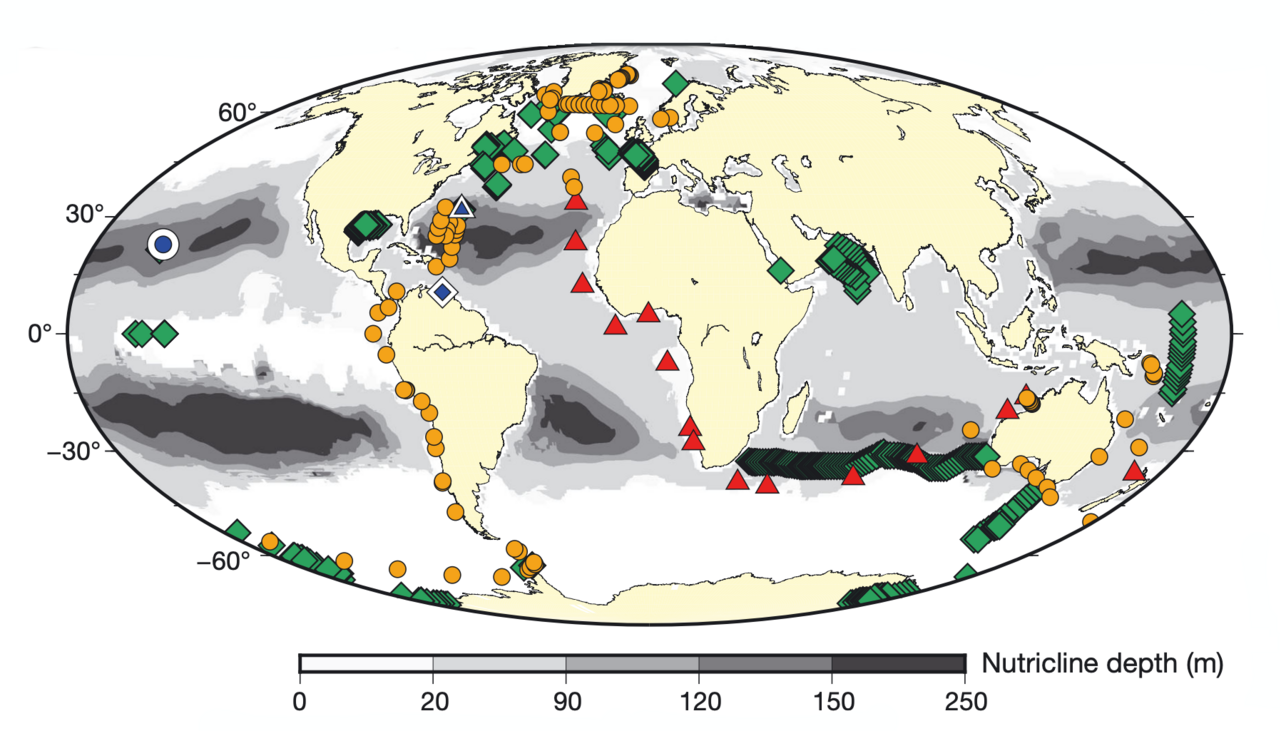
In the sea, are often scarce near the surface, where sunlight allows algae to grow. Dead matter tends to sink into the deep, which takes nutrients away from the algae. Where nutrients rise toward the surface, the water becomes rich in life. A map of the depth of the nutricline, the layer where nutrient levels rise sharply with depth, shows where this happens around the world.
Because nutrients are so precious, the ocean has some very tight loops. One is the microbial food web. Bacteria feed on dissolved matter in the water. Tiny single-celled hunters called flagellates eat the bacteria. Larger single-celled hunters called ciliates then eat the flagellates. All of this feeding releases waste, and the bacteria use the waste. The system works almost like a closed circuit, passing the same materials round and round.
In food-web language, a loop is a chain of feeding links that starts and ends at the same species. Such loops are small and quick, but they hold a great deal of the ocean's recycling.
The sea also shows how fast recycling can be. Fish and other sea life grow quickly, so matter passes from one living thing to the next at a rapid rate.
How does nitrogen get from the air into a plant?
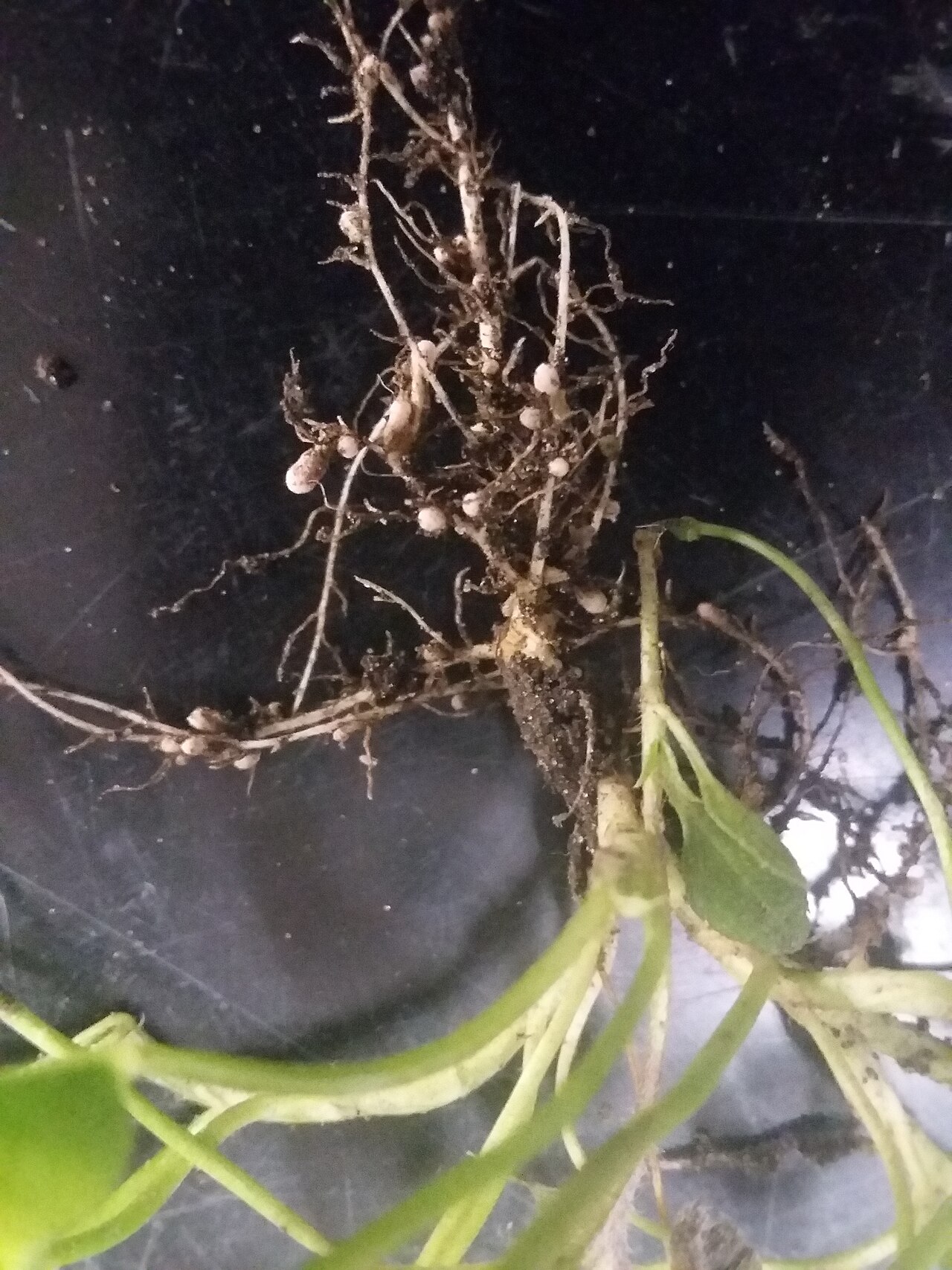
The air is about 78 per cent nitrogen, yet plants cannot use it. Nitrogen gas is made of two atoms held together very tightly. Roots can only take up nitrogen that has been joined to other elements, as ammonium or nitrates. Turning the gas into a usable form is called .
Lightning fixes a little. Its heat makes nitrogen and oxygen combine, and rain carries the products into the soil. Most natural fixing is done by bacteria. Some live in small lumps called root nodules on peas, beans, clover and other legumes. The plant feeds the bacteria sugar, and they turn nitrogen gas into ammonia that the plant can use.
In 1909 the German chemist Fritz Haber showed in a laboratory that nitrogen and hydrogen gas could be forced to make ammonia. Carl Bosch turned this into a factory process by 1913. Today it makes the fertiliser that helps feed billions of people, and about half of the nitrogen in a human body began in a factory.
Phosphorus works differently. It has no large gas stage, so it does not come from the air. It comes from rock. Slow weathering wears phosphate out of rock, and plants take it up. Carbon is the easiest to follow. Plants take carbon dioxide from the air in photosynthesis, and living things return it by breathing and decomposing.
Too much nitrogen causes trouble. Fertiliser that washes off fields into rivers feeds algae in the sea. When the algae die, use up the oxygen in the water as they feed. Most summers this leaves a off the Mississippi river, in the Gulf of Mexico, where fish and other animals cannot live.
Can a farm recycle like a forest?
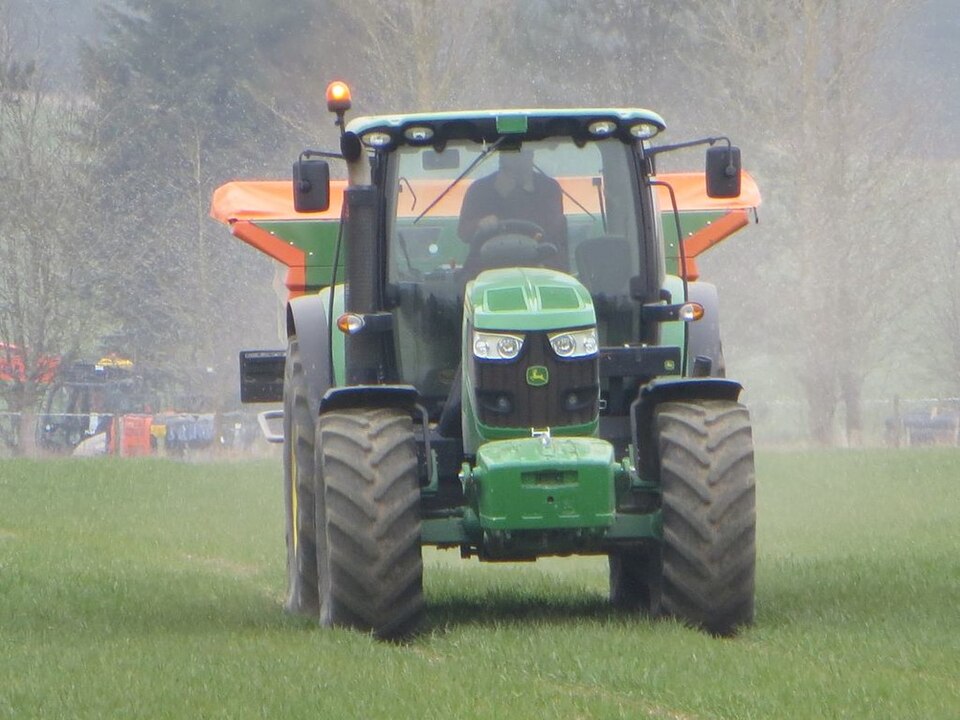
A wild ecosystem keeps its at home. A farm is different, because the crops are carried away to be sold. This turns the closed loop into an open one. Every lorry-load of food takes nutrients off the land, so farmers must put them back.
There are two main ways to do this. Some farmers add synthetic fertiliser, which is made in factories from nitrogen in the air. Others use ecological recycling. Organic farms follow this approach. They return plant waste and animal manure to the soil. They also rely on soil life, such as worms, bacteria and fungi, to release the nutrients.
The model of ecological recycling in farming follows three principles. It protects biodiversity. It uses renewable energy. It recycles plant nutrients. Studies show that organic farms using more ecosystem recycling support more species and have a different food-web structure from farms managed in other ways.
No farm is a perfect loop. When food leaves the farm gate, some nutrients leave with it, and these may need to be replaced from other sources. But many farmers share the basic idea of treating soil as a living recycling system.
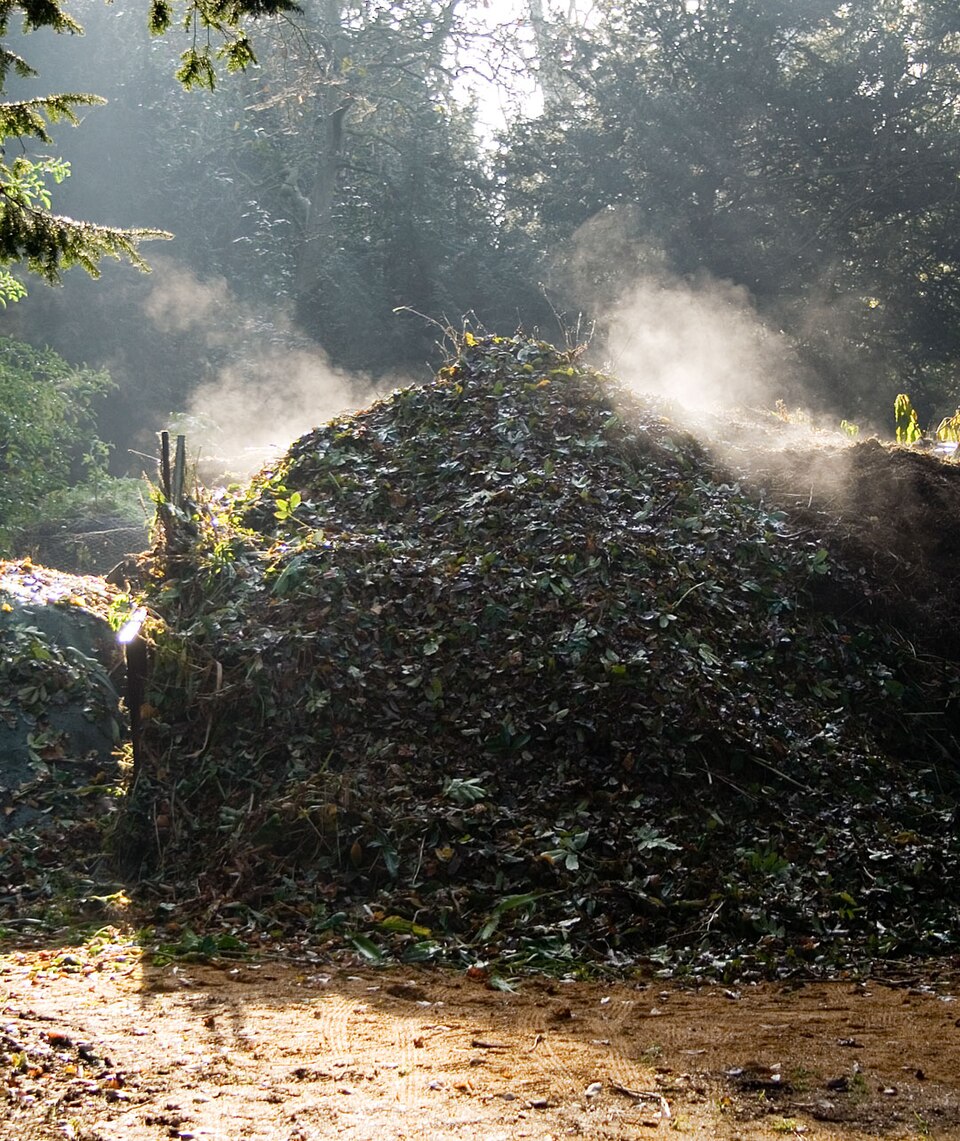
The same idea applies to gardens. A compost heap is a small nutrient cycle that gardeners make on purpose. Kitchen scraps and leaves are broken down by microbes and worms into dark, crumbly compost that feeds new plants.
Who discovered that nature recycles?
Ancient Greek thinkers such as Democritus and Epicurus had the idea that nature stays in balance. So did the Roman writer Lucretius. The first clear account of recycling came much later. In 1749 the Swedish naturalist Carl Linnaeus wrote that the death of one thing should always help the restoration of another. Mould, he said, speeds the decay of dead plants and feeds the soil. The soil then gives plants back what it took from them.
Water was among the first cycles to be measured. In 1687 the astronomer Edmond Halley worked out how water evaporates, falls as rain and runs back to the sea. From 1836 to 1876, the French chemist Jean-Baptiste Boussingault showed that plants need minerals and nitrogen to grow. Many chemists before him thought minerals in the soil did not matter. In 1844 he and Jean-Baptiste Dumas wrote a paper that some people call the true start of biogeochemistry.
The German biologist Ferdinand Cohn wrote in 1872 about the cycle of life. He reasoned that the amount of matter in living things was limited. So there must be an eternal circulation, which turns the same particles from dead bodies into living ones.
Charles Darwin wrote about earthworms. In 1926 Vladimir Vernadsky named the science of biogeochemistry. Today ecologists use many terms for the same big idea, such as mineral cycle, recycling and ecological recycling.
What happens when people make waste nature cannot recycle?
Natural ecosystems have had billions of years to practise recycling. Human technology has not. Plastics, some metals and many synthetic chemicals build up in soils, rivers and oceans, because few organisms have evolved to break them down.
In 1954 the ecologist Paul Sears wrote that nature long ago gave up the nonsense of carrying poisonous wastes and in the same vessels. Rachel Carson's 1962 book Silent Spring showed how harmful chemicals can move unseen through food chains. They can build up in animals at each step. Scientists call this .
Plastic is a good example. Only a small share of the world's plastic waste is recycled by industry. The rest ends up in landfills and the environment. Tiny pieces called microplastics now spread through water, soil and living things. Scientists have found marine microbes that can digest some plastic, so nature may be learning to cope. Discarded technology also soaks into soils and makes new kinds of soil called technosols.
Many experts see the effect of microplastics and nanoparticles on natural recycling as a major concern for this century.
Industry recycles in a different way. Factories use people and machines, not food webs. Some researchers argue that many technological fixes are limited and can even harm natural recycling. They say we should learn from ecosystems.
Explore Next
Your audio story keeps playing while you look around.
Words to Know
- biogeochemical cycle
- The path an element takes between living things, air, water and rock.
- biomagnification
- The build-up of a harmful substance in animals as it passes up a food chain.
- bioturbation
- The mixing of soil or sediment by animals as they move and burrow.
- cellulose
- The tough material in plant cell walls.
- dead zone
- An area of water with so little oxygen that most animals cannot live there.
- decomposer
- A living thing, such as a fungus or bacterium, that breaks down dead matter.
- decomposition
- The breakdown of dead plants and animals into simple substances.
- denitrification
- A process by which microbes turn nitrogen compounds into nitrogen gas.
- ecosystem engineer
- A living thing that changes its habitat so much that it affects other species.
- enzyme
- A chemical made by a living thing that speeds up a reaction, such as digestion.
- nitrogen fixing
- Turning nitrogen gas from the air into compounds that plants can take up.
- nutrient
- A substance that living things need to grow, such as nitrogen or phosphorus.