Force
Every push and pull that starts, stops or bends the world's motion.
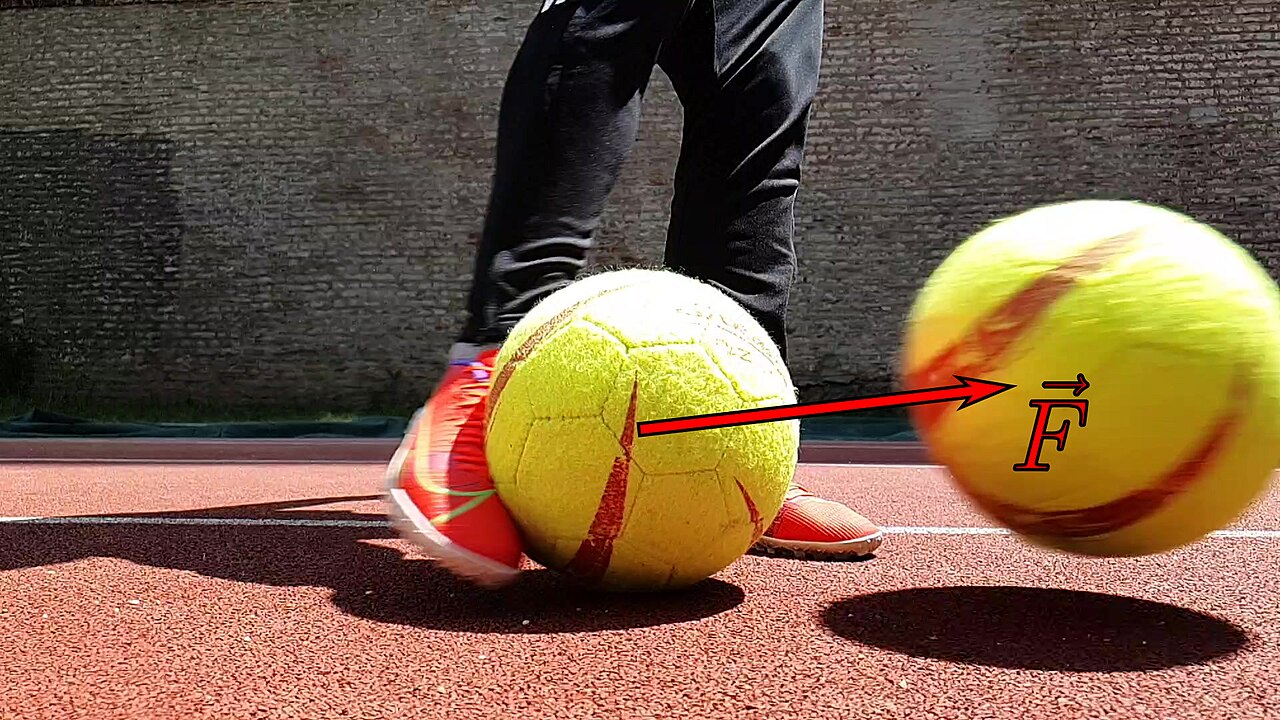
A force is a push or a pull. Every time you kick a ball, open a door or jump off a wall, forces are at work. A force can start an object moving, stop it, speed it up, slow it down, turn it or change its shape. We measure forces in newtons, named after Isaac Newton, who showed in 1687 how forces control motion. His laws were so good that they stayed the basis of physics for more than 200 years. Today we know that forces hold atoms together, keep planets in orbit and lift aeroplanes into the sky. Forces follow a few simple rules, and it took scientists a long time to find them.
What exactly is a force?
A is a push or a pull. When you kick a ball, your foot pushes on it. When you open a drawer, your hand pulls on it. Forces can also act without touching, as gravity does when it pulls an apple from a tree.
A force can do several things to an object. It can make a resting object start to move. It can make a moving object speed up, slow down or change direction. It can also change the object's shape, like squashing a sponge or stretching an elastic band. Physicists put it like this: a force changes an object's velocity, or its shape, unless other forces cancel it out.
Forces have two important features. They have a size, which tells us how strong the push or pull is. They also have a direction. A kick to the left sends a ball somewhere very different from a kick to the right. A quantity that has both size and direction is called a .
We measure force in , written N. One newton is the force that makes a 1 kilogram object speed up by 1 metre per second, every second. A small apple pulls down on your hand with a force of about 1 newton. A spring balance can measure forces by showing how far a spring stretches.
Why did people get motion wrong for so long?
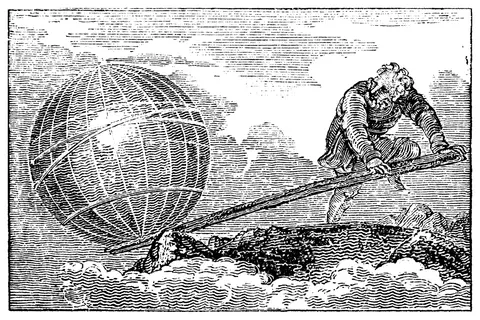
Thinkers in ancient Greece, such as Aristotle and Archimedes, studied and simple machines. Archimedes worked out how things float. But Aristotle made a mistake that lasted nearly 2,000 years. He believed that a force is needed to keep something moving, even at a steady speed.
It is easy to see why. Everyday experience seems to agree with him. A cart stops soon after the horse stops pulling. A ball rolled across the floor slows down and halts. What Aristotle missed was , a hidden force that is always working against moving things. Without it, the cart and the ball would keep going.
Aristotle also had trouble with flying arrows. Once an arrow leaves the bow, nothing seems to push it. He suggested that air rushing in behind the arrow carried it forward. That idea did not work well.
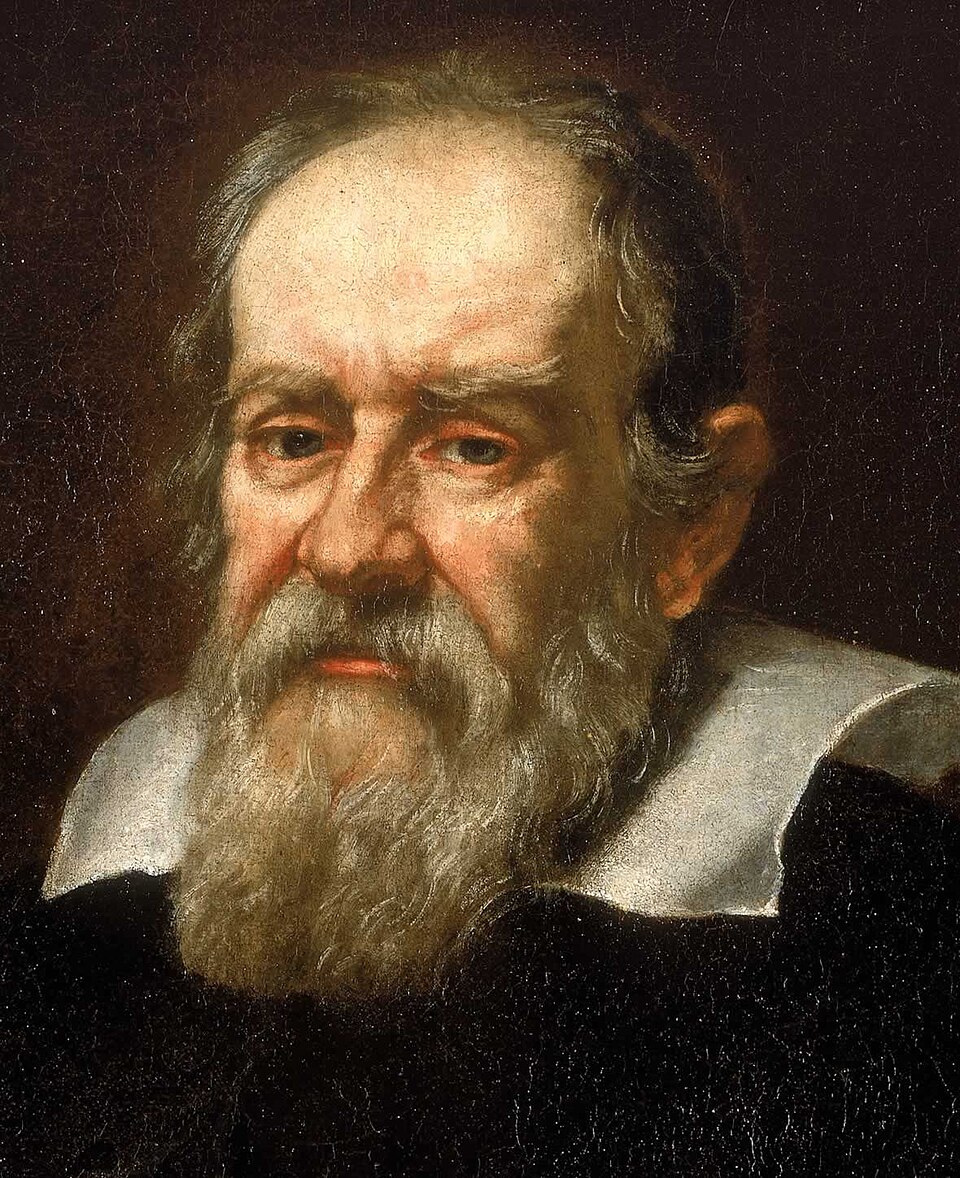
In the early 1600s, the Italian scientist Galileo Galilei took the problem apart. He rolled stones and cannonballs down slopes. He showed that gravity speeds up objects by the same amount whatever their mass. He also argued that a moving object keeps its velocity unless a force, such as friction, acts on it.
Galileo used another thought experiment. If a sailor drops a cannonball from the top of a mast on a ship sailing steadily, the ball lands at the foot of the mast. It keeps moving forward with the ship while it falls. No forward force is needed.
What did Newton work out about pushes?
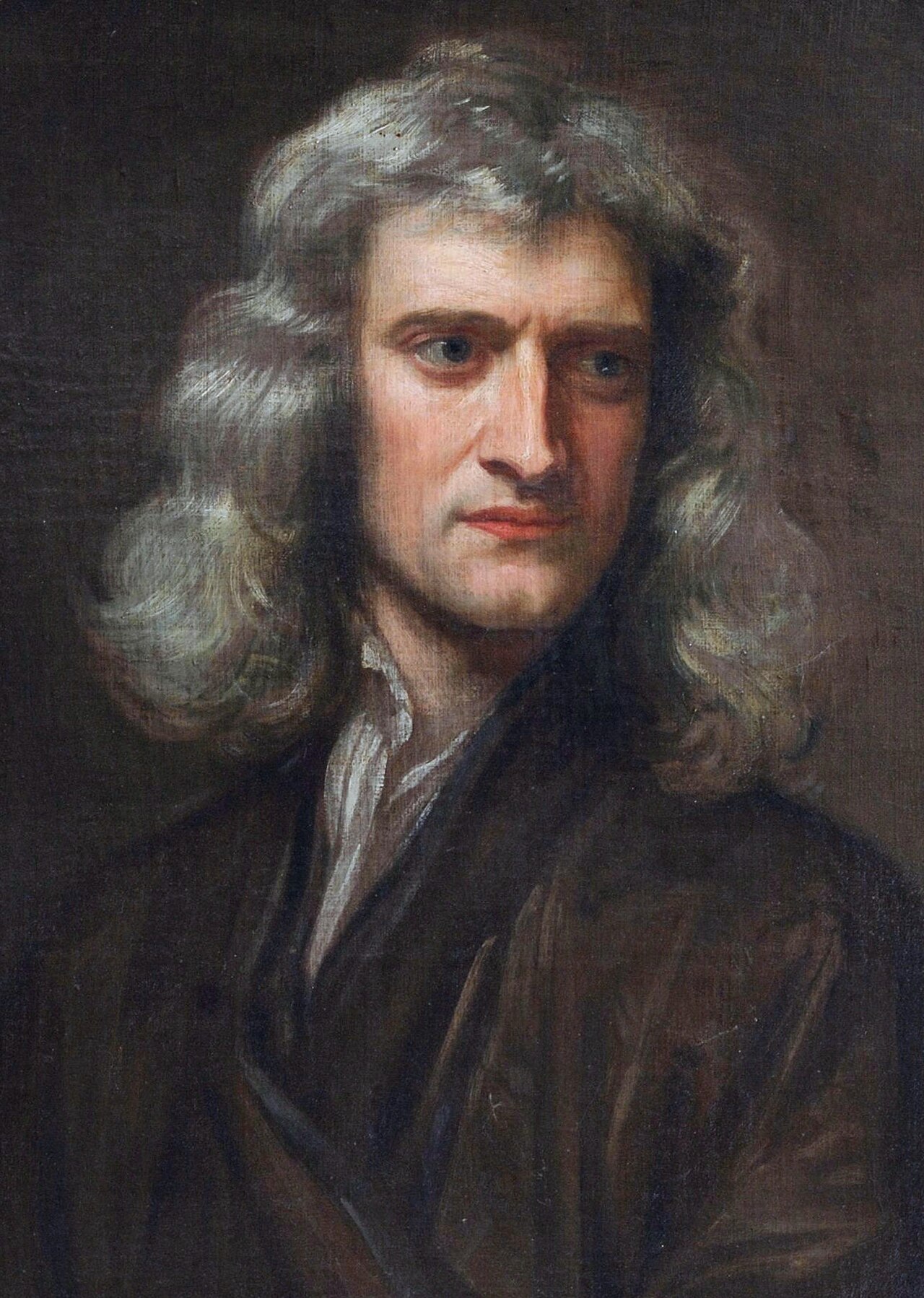
In 1687 Isaac published a famous book called the Principia. In it he set out three laws of motion. They explained how and movement fit together, and they were not improved for over 200 years.
The first law builds on Galileo's idea. An object at rest stays at rest, and an object moving in a straight line at steady speed keeps going, unless a force acts on it. This stubbornness is called . It is why you lurch forward when a bus brakes suddenly. Your body wants to keep moving.
The second law says what happens when a force does act. The object speeds up, slows down or turns, and it does so in the direction of the . The net force is the total of all the forces on the object, taking their directions into account. A bigger net force gives a bigger change in motion. A bigger mass gives a smaller change. That is why it is harder to push a full shopping trolley than an empty one.
In short, the second law says force equals mass times . Acceleration means how quickly velocity changes. This is also how the newton is defined. A force of 1 newton gives a mass of 1 kilogram an acceleration of 1 metre per second, every second.
Why does every push push back?
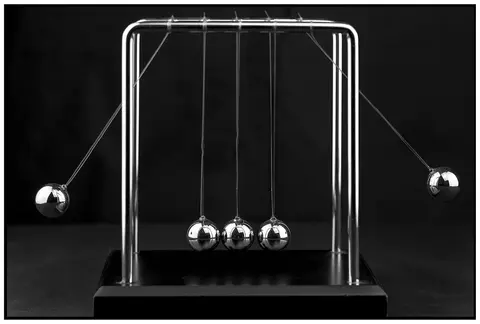
's third law is often called the action and reaction law. When one object pushes on a second object, the second object pushes back on the first with a that is equal in size and opposite in direction.
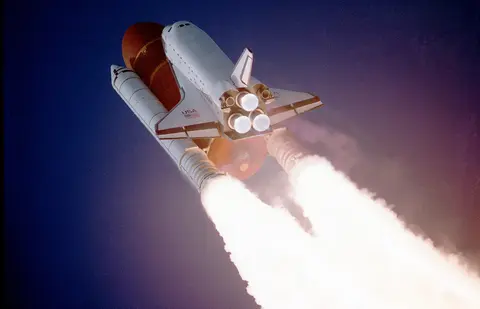
Leaning on a wall shows this. You push on the wall, and the wall pushes back on you with the same force. That is why you do not fall through it. When a swimmer pushes water backwards with their hands, the water pushes the swimmer forwards. A rocket works the same way. It throws hot gas out of its engine, and the gas pushes the rocket the other way.
This law tells us something deep. A force is never a single thing acting alone. It is always an interaction between two objects, and each object feels one half of it. There is no such thing as a force that acts on only one body.
You might ask why the two forces do not cancel out. The reason is that they act on different objects. In the wall example, one force acts on you and the other acts on the wall. Cancelling only happens when forces act on the same object.
Newton's laws also lead to a powerful rule. In a closed system, the total never changes. Momentum is mass multiplied by velocity. When two ice skaters push apart, one glides left and the other glides right, but their total momentum stays the same.
What happens when forces balance?
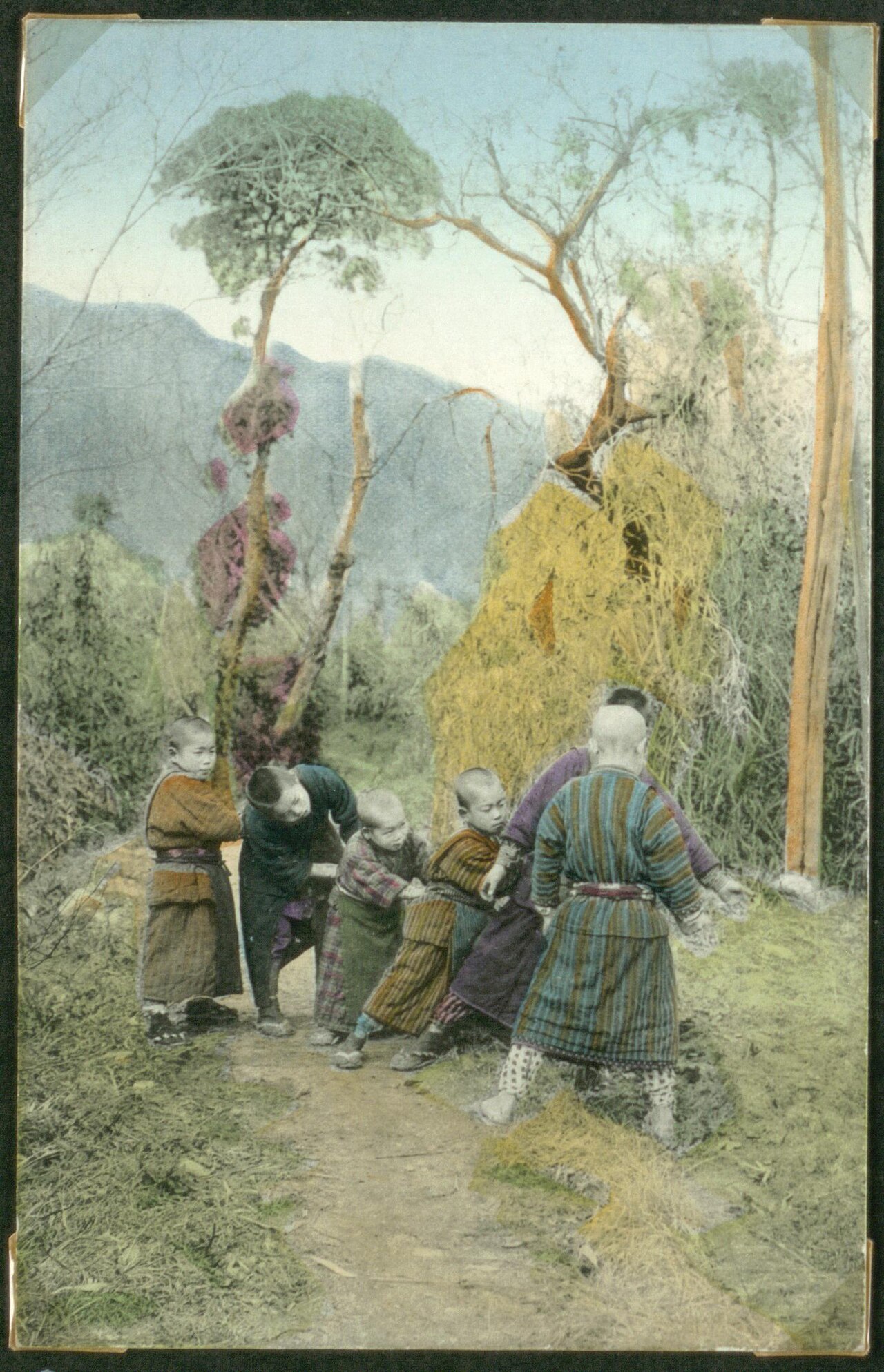
Several often act on one object at the same time. To find the overall effect, we add them up, remembering their directions. The answer is called the resultant force, or the . Forces pointing the same way add together. Forces pointing in opposite directions subtract. Forces at an angle need a little more care, and scientists use drawings called free-body diagrams to keep track of them.
When all the forces on an object balance, the net force is zero. We say the object is in . Nothing changes about its motion. This can look like two different things.
In static equilibrium the object is not moving at all. A book resting on a table is a good example. Gravity pulls it down, and the table pushes it up with an equal force.
In dynamic equilibrium the object is moving at a steady speed in a straight line. A cyclist riding at a constant speed on a flat road is pushing forward, while and air push back with the same strength. The forces balance, so there is no .
A tug of war shows balanced forces well. While both teams pull equally hard, the rope does not move. The moment one team pulls harder, the forces become unbalanced, and the rope accelerates towards the stronger side.
How does gravity pull on everything?
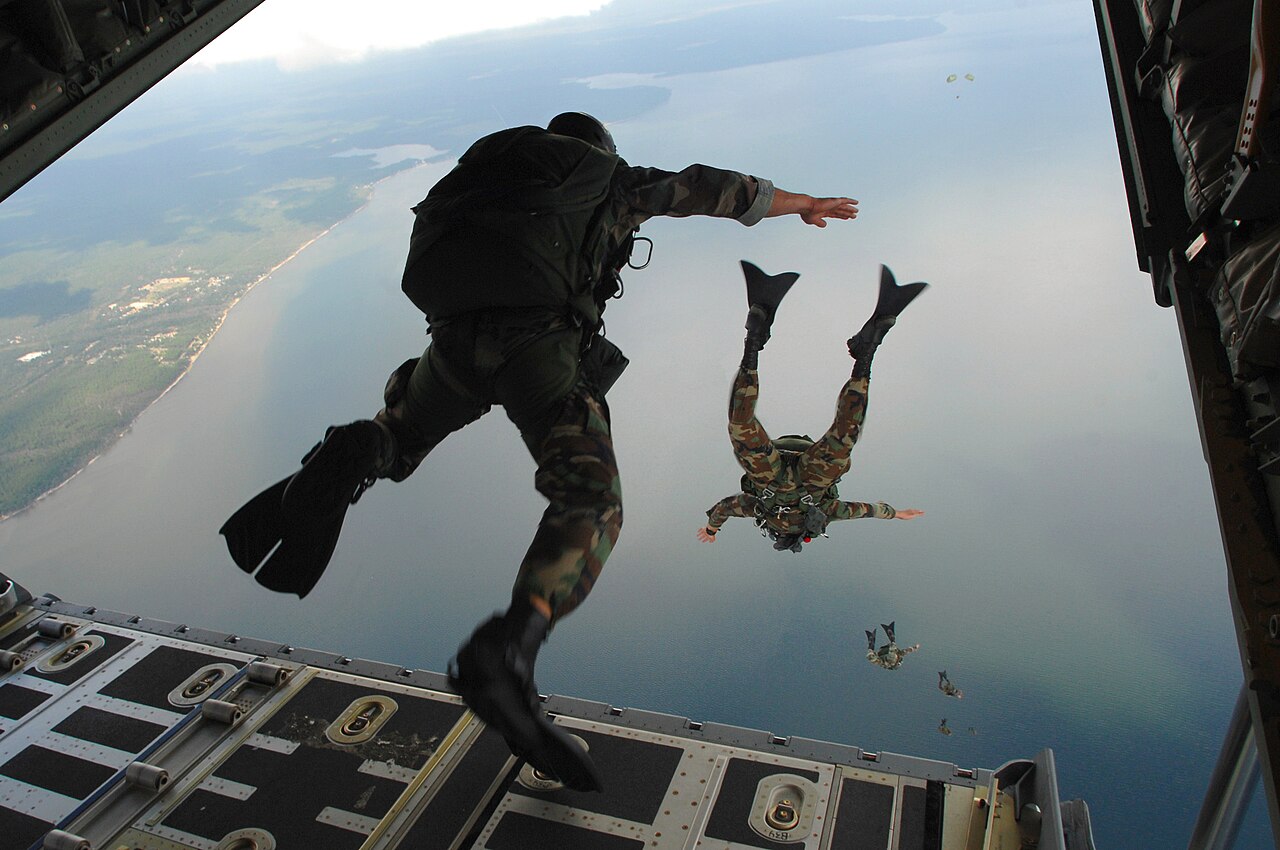
Gravity is the that pulls objects with mass towards each other. On Earth we feel it as a pull towards the ground. Before , people thought falling objects and the planets in the sky followed different rules. Newton saw that they follow the same one.
Galileo had already found that all falling objects speed up at the same rate. Near the Earth's surface that rate is about 9.81 metres per second, every second, a figure measured accurately long after his death. This rate does not depend on mass. A heavier object feels a bigger pull, but it also takes a bigger force to accelerate it, so the two effects cancel. Your weight is the force of gravity on you.
Newton went further. He showed that the force that makes an apple fall is the same one that keeps the Moon circling the Earth. Gravity gets weaker with distance. Double the distance and the pull drops to a quarter. This is the inverse square law. Newton's law of gravitation also says that more massive objects pull harder.
Newton could not measure how strong gravity is in numbers. That was done in 1798 by Henry Cavendish, using a delicate twisting balance. His result let people work out the mass of the Earth, so newspapers described it as weighing the planet.
Newton's law was so exact that mathematicians used it to predict the planet Neptune before anyone had seen it.
What are the pushes we meet every day?
Most we notice are forces between things that touch. Physicists group them into a few families.
The normal force is the push of a surface on an object resting on it. "Normal" here means at right angles to the surface. It is what stops you falling through the floor, and it is a form of 's third law. When you stand still, gravity pulls you down and the floor pushes you up with an equal force.
opposes sliding. It works against the movement of two surfaces that rub together. It is the reason a rolling ball slows down. Friction also lets your shoes grip the pavement, so it is a helpful force as well as a hindering one.
Tension is the pull along a rope, string or chain. A rope pulls equally on both ends. Add pulleys and the same rope can multiply a force, so you can lift a heavy load with a smaller pull. The price is that you must pull the rope over a longer distance.
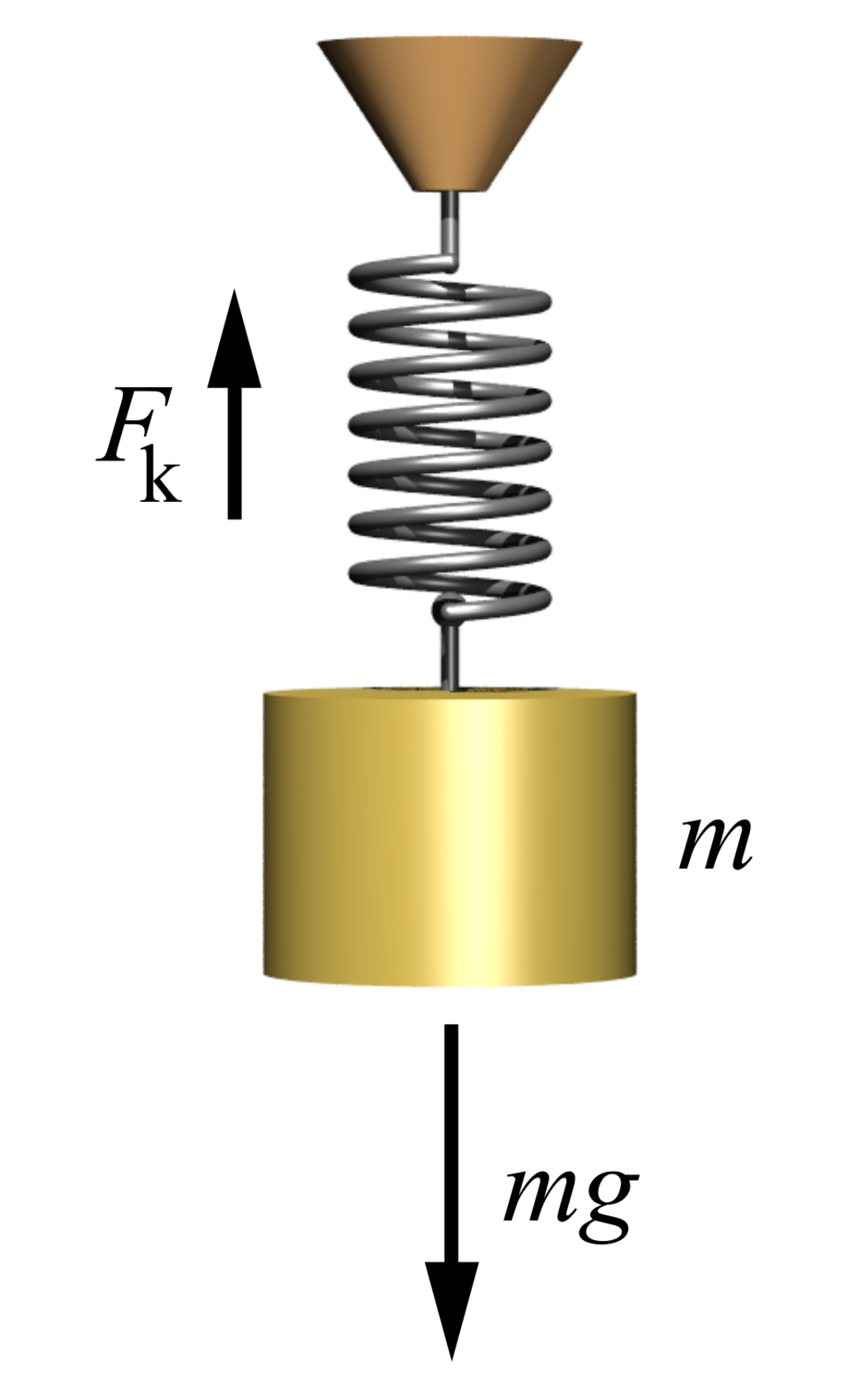
Spring forces try to return a stretched or squashed spring to its natural length. In 1676 Robert Hooke found that the force grows in proportion to the stretch. Pull twice as far and you feel twice the force. This is how spring balances work.
Fluids push too. Differences in pressure create buoyancy, which makes boats float, and drag, which slows anything moving through air or water.
How do forces keep an aircraft in the sky?
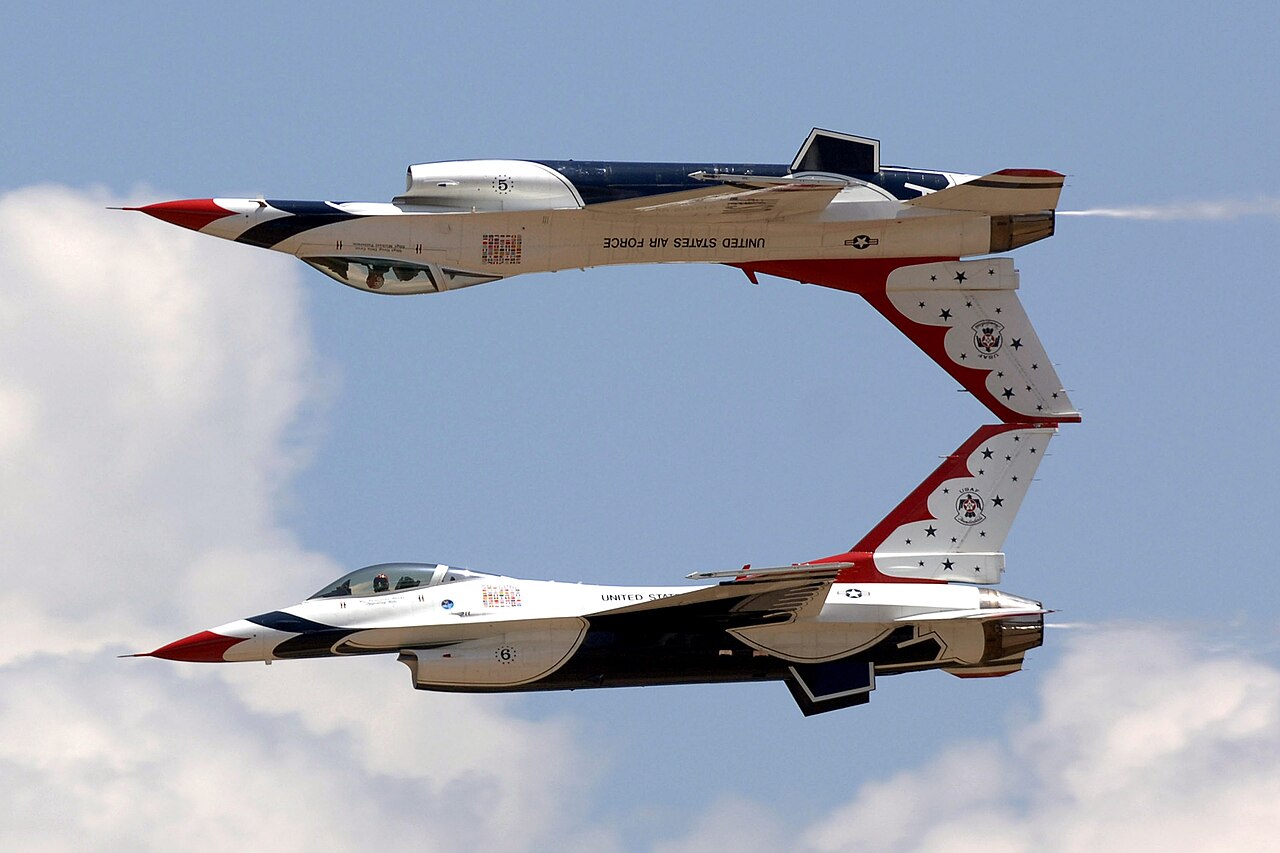
A flying aircraft is a showcase for . Four main forces act on it at once.
Weight is gravity pulling the aircraft down. Lift is the upward force from air moving over the wings. Thrust is the forward push from the engines. Drag is the fluid resistance of the air, which pushes back against the aircraft's motion.
Lift comes from pressure differences. Air moves over and under the wing in different ways, and the pressure on the underside ends up higher than on the top. Pressure differences always make a force, so the wing is pushed upwards. Winds in the weather are made by pressure differences too.
In steady flight, the forces balance. Lift equals weight, and thrust equals drag. The plane is in dynamic , flying straight and level at a constant speed. To climb, speed up or turn, the pilot changes the balance, and 's second law does the rest.
When a jet turns in an air show, it follows a curved path. For any object moving in a circle or curve, there must be a pointing towards the centre of the curve. This is called . It does not change the speed. It only changes the direction. The same thing keeps a car on a bend and the Moon in its orbit.
What are the deepest forces in nature?
's laws are a superb tool, but they are not the last word. In the early 1900s Albert Einstein's theory of relativity showed what happens to at speeds close to the speed of light. The faster something goes, the more force it takes to speed it up further. Nothing with mass can ever reach the speed of light. Relativity also gave a new picture of gravity.
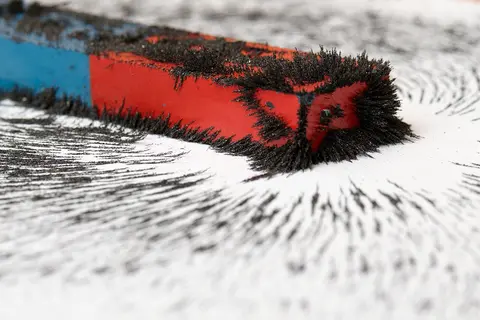
Physicists today say there are only four basic interactions. In order from strongest to weakest, they are the strong force, the electromagnetic force, the weak force and gravity. The strong force holds the centres of atoms together. The weak force is involved in some kinds of radioactivity. Electromagnetism acts between electric charges, and it is behind electricity, magnets and light. James Clerk Maxwell showed in 1864 that light is a wave of electric and magnetic fields. In the 1970s and 1980s, experiments showed that the weak force and electromagnetism are two sides of one force.
Most of the pushes and pulls in daily life, including , tension and the normal force, come from electromagnetism between the atoms in things.
In particle physics, forces are explained as particles passing between each other. Even so, Newton's version of force is still accurate enough to build bridges, plan journeys to the Moon and play football.
Explore Next
Your audio story keeps playing while you look around.

Words to Know
- acceleration
- How quickly an object's velocity changes.
- centripetal force
- A force that pulls an object towards the centre of a curved path.
- equilibrium
- A state in which all the forces on an object balance out.
- force
- A push or a pull that can change an object's motion or shape.
- friction
- A force that resists sliding between two surfaces.
- inertia
- The tendency of an object to keep doing what it is already doing.
- momentum
- An object's mass multiplied by its velocity.
- net force
- The total of all the forces acting on an object, taking direction into account.
- newton
- The unit of force, named after Isaac Newton.
- vector
- A quantity that has both a size and a direction.