Metal
Shiny, strong and born in dying stars, metals built every age of human tools.
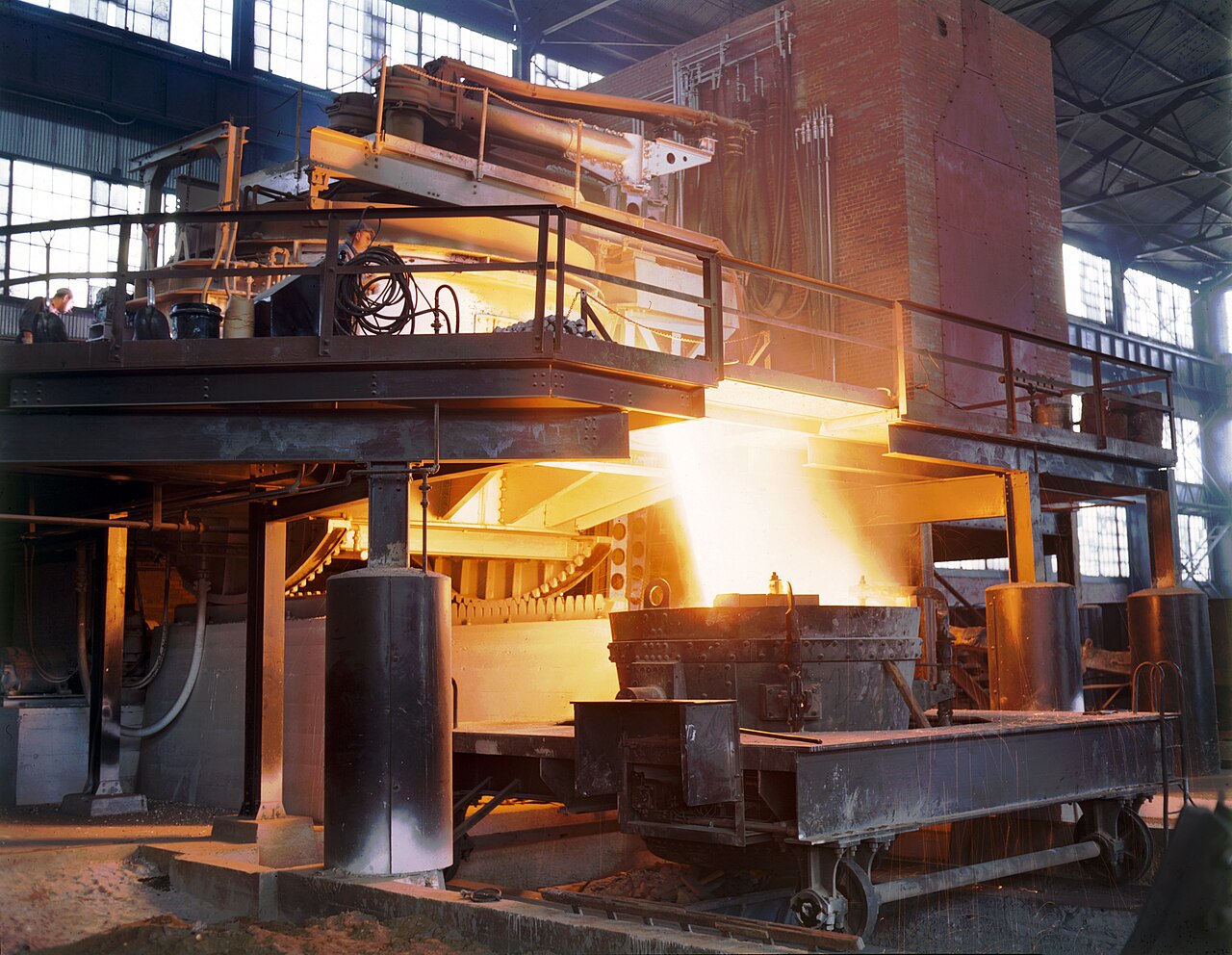
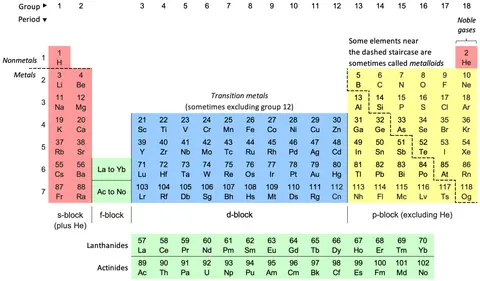
A metal is a material that shines when polished, carries electricity and heat well, and can usually be hammered into shape or drawn into wire. Iron, copper, gold, aluminium and tin are metals. So are alloys such as steel and bronze, which are mixtures. Metals hold up bridges, skyscrapers, trains and aircraft. They run through the wires in your home and sit inside phones and batteries. People have used metal for about 11,000 years, beginning with copper, and the story of metal runs from exploding stars to ancient furnaces and modern laboratories. Understanding it explains why some metals rust, why others stay bright forever, and why steel changed the world.
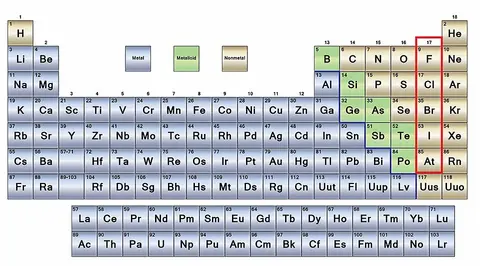
What makes a metal a metal?
Scientists define a metal by how it behaves. A metal shines when it is polished or freshly broken. It carries electricity and heat well. Most metals are also , which means they can be pulled into thin wire, and , which means they can be hammered or pressed into new shapes without cracking.
A metal can be a pure element, such as iron or copper. It can be an , a mixture of metals and other elements, such as stainless . A few unusual compounds count as metals too. In everyday speech, people call steel a metal, and call plastics, wood and ceramics non-metals.
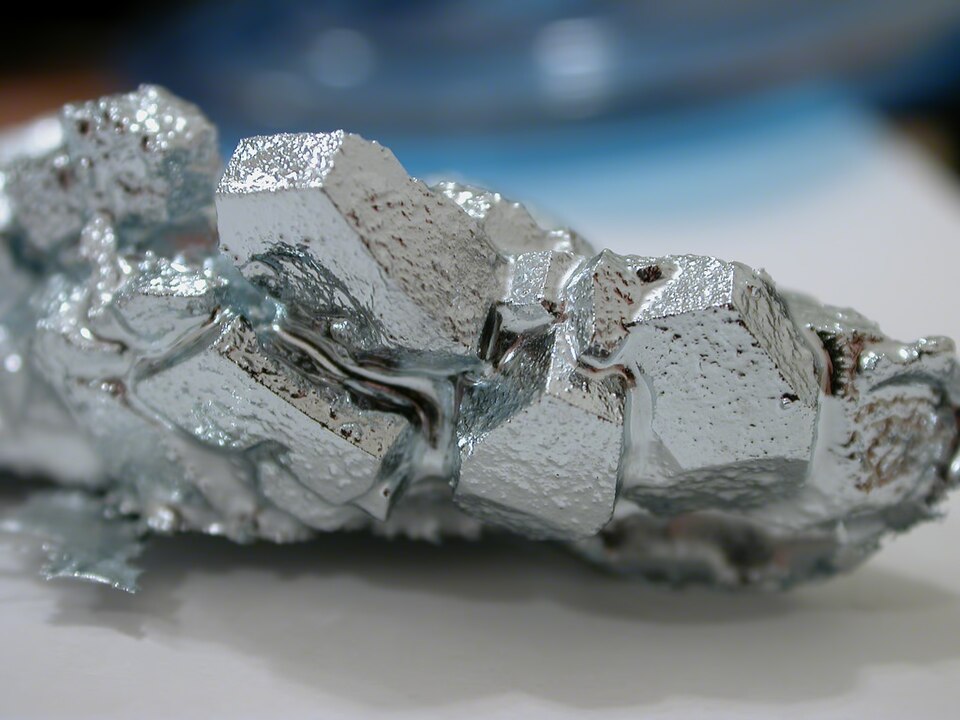
Metals vary a great deal. Lithium is so light that it floats on water. Osmium is the densest element and is more than 40 times heavier than lithium for the same size. Mercury is liquid at room temperature. Gallium melts at only about 30 degrees Celsius, so a crystal of it can begin to melt in your hand.
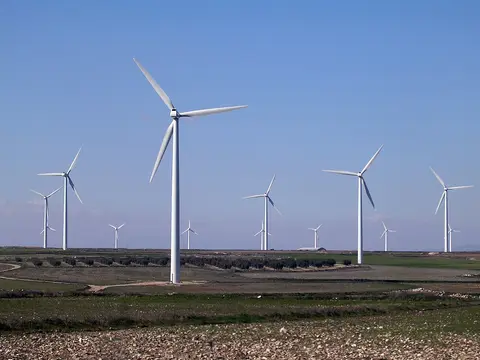
Because metals are strong and tough, we use them everywhere. They hold up tall buildings and bridges. They make most vehicles, tools, pipes, railway tracks and home appliances. Precious metals were once the main material for coins, and today coins are made from at least 23 different chemical elements.
The science of metals is called . It is part of materials science.
Why do metals shine, carry electricity and bend?
The answer lies with electrons, the tiny charged particles in every atom. In a metal, some electrons are not tied to any one atom. They roam freely through the whole piece, like a crowd moving through a hall.
Those free electrons explain the shine. They bounce light back, so polished metal looks like a mirror. Even a very thin sheet of metal is usually opaque. Gold leaf, which is beaten incredibly thin, is an exception, and it lets green light through.
They also explain electricity. When a battery pushes on the electrons, they drift in one direction and make a current. In a material such as glass, no electrons are free to move, so it blocks electricity. Metals carry heat well for the same reason, because the free electrons pass energy along quickly. Silver conducts electricity best of all metals, and copper is nearly as good, which is why copper is the usual choice for electrical wiring.
Heating a metal usually makes it a slightly worse conductor. The atoms vibrate more, and the electrons bump into them more often.
Metals bend because their atoms are packed closely together and held by a flexible kind of bond that has no fixed direction. Layers of atoms can slide over each other without snapping the bond. Salt, by contrast, shatters when hit. A few metals, such as chromium, manganese, gallium and bismuth, are brittle.
Why does iron rust but gold stays shiny?
Most metals react with oxygen in the air and form compounds called . The speed varies a lot. Potassium burns in seconds, while iron rusts over months and years. Some metals protect themselves. Aluminium quickly forms a thin, tough layer of oxide that blocks further attack. Rust on iron, by contrast, is flaky and falls away, which lets the damage go deeper.
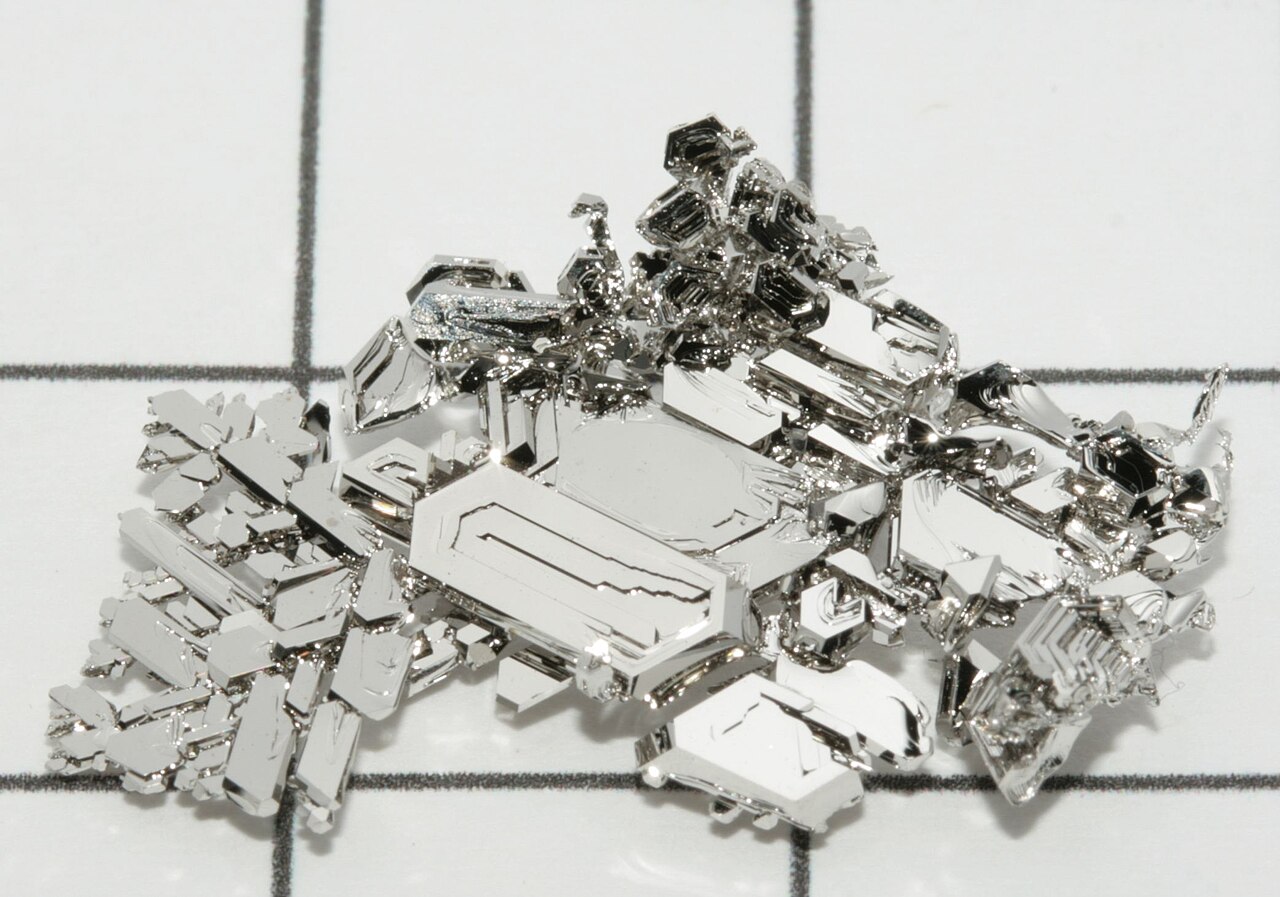
Some metals barely react at all. Gold, platinum and palladium do not react with the air, so they stay bright for thousands of years. These are called . The opposite are base metals, such as iron, nickel, lead and zinc, which are easily oxidised or corroded. Copper counts as a base metal because it does oxidise, though it is less reactive than iron.
The noble metals are often precious metals too, partly because they are rare. Gold, silver, platinum and palladium were used for money in the past. Today they also have industrial uses. Platinum and palladium are used in the catalytic converters that clean car exhaust, and these metals are also used in jewellery and as investments.
Why is gold so rare near the surface? When the young Earth was molten, gold, which likes to mix with iron, sank down towards the core along with much of the planet's iron.
Why do we mix metals?
Most pure metals are too soft, too brittle or too reactive for everyday use. Mixing a metal with other elements gives an , and the right recipe can make it harder, tougher, more resistant to rust, or a better colour. Some alloys have a flexible mixture, such as gold and silver in any proportion. Others have a fixed recipe.
Iron alloys make up the largest share of all alloys by amount and by value. Adding a little carbon to iron gives . More carbon makes steel harder and stronger, but less bendy and less tough. Adding more carbon, usually with some silicon, gives cast iron. Mixing more than 10 per cent chromium, with some nickel and molybdenum, gives stainless steel, which resists rust.
Copper alloys are very old. , which gave the Bronze Age its name, is mostly copper. Brass is copper with zinc. Copper alloys are still important, mainly in electrical wiring.
Aluminium, titanium and magnesium alloys are newer. They are light for their strength, so they are used for aircraft and some cars. Because these metals react so strongly, they can only be extracted with electricity. Jet engines face extreme heat and use alloys with more than ten different elements.
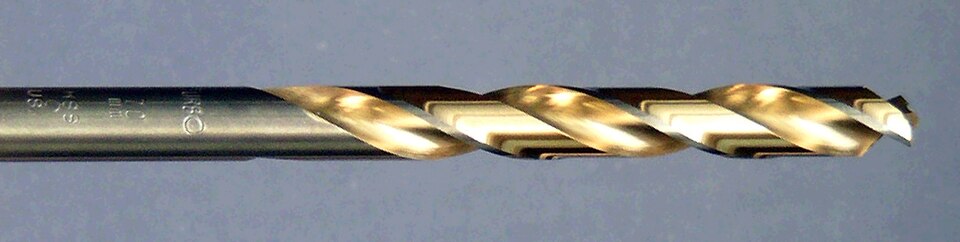
Some useful metal-like materials are compounds, not mixtures. Titanium nitride conducts electricity like a metal but is hard like a ceramic. Its gold-coloured coating protects drill bits and some medical implants.
Where do metals come from?
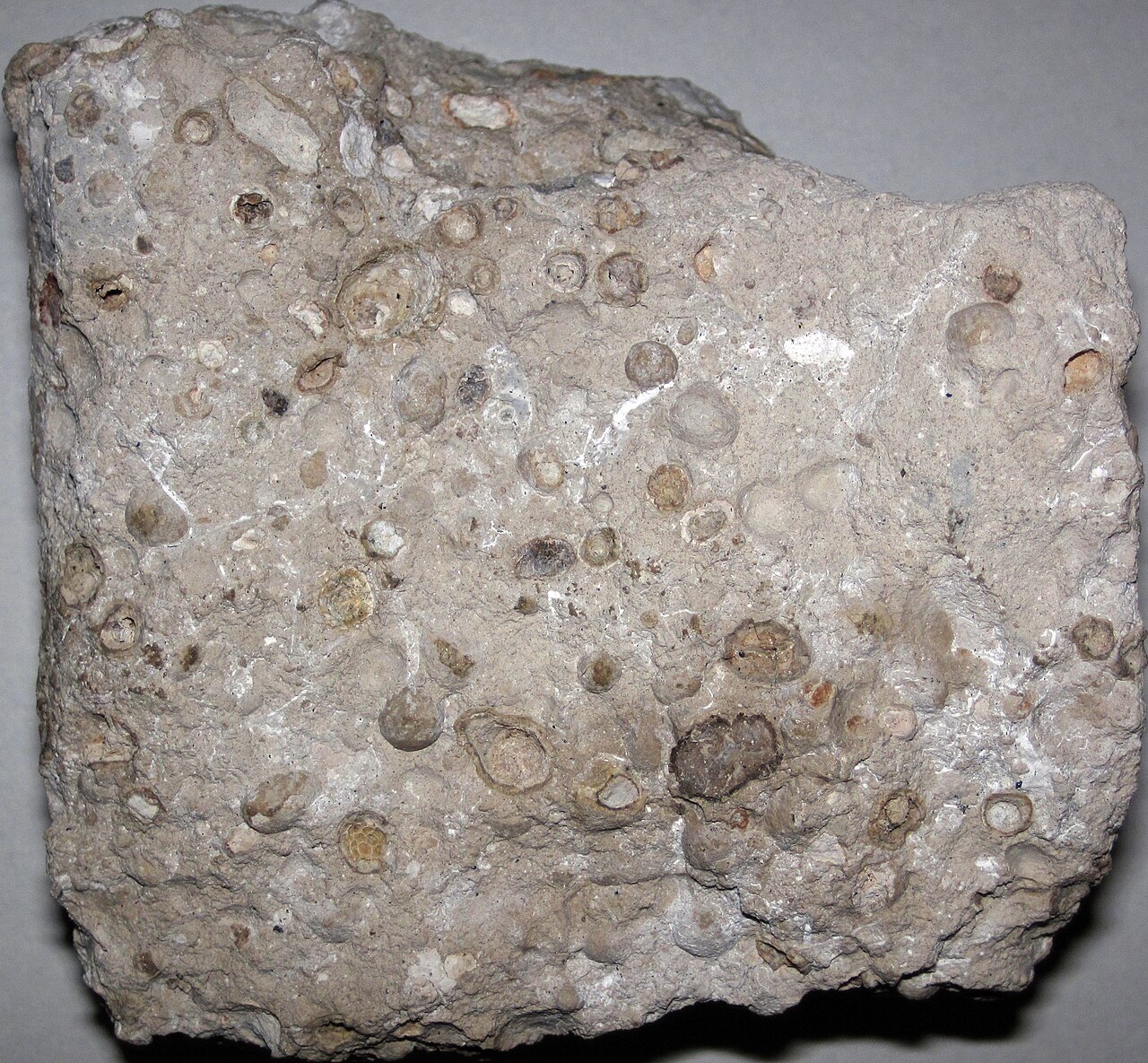
Almost every metal atom was made inside a star. The main exception is lithium, some of which was made in the Big Bang itself. Stars create new elements by fusion, in which small atomic nuclei squeeze together and release light and heat. Over millions of years this builds elements from hydrogen up to silicon, and onwards to the metals around iron. Elements heavier than iron mostly form when atomic nuclei catch free neutrons, in stars and in very violent events. Gold and uranium were made this way.
When stars die they throw much of their material into space. That material later gathers into new stars and planets. So the metals in the Earth, and in you, came from earlier stars.
About a quarter of the Earth's crust by weight is made of metallic elements, and most of that is light metals such as sodium, magnesium and aluminium. Heavier metals are much rarer, but natural processes such as mountain building and erosion can concentrate them into rich deposits called . Aluminium comes mainly from an ore called bauxite.
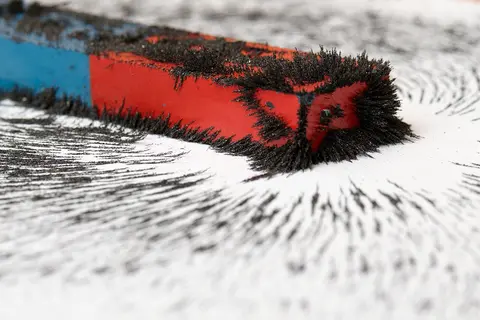
At the centre of the Earth sits a core made mostly of iron. Its outer part is liquid and swirls as the planet turns, and this is thought to create the Earth's magnetic field. That field acts like a shield. It deflects charged particles from the Sun and from deep space, which could otherwise strip away the upper air and the ozone layer that blocks harmful ultraviolet light.
How do we get metal out of rock?
Finding metal starts with prospecting, which means searching for . Surface mines dig ore out with heavy machines. Subsurface mines go deep underground. If a metal is expensive enough, it can be worth mining rock that holds only a little of it.
The ore then has to be turned into metal. Many ores are compounds in which the metal is joined to oxygen or sulphur. To free the metal, workers heat the ore with a substance that grabs the oxygen away. This is called . Iron is usually smelted using carbon. Sulphide ores are first roasted in air to turn them into . Other methods use chemicals in water, or very hot furnaces.
Some metals hold on to their oxygen too tightly for carbon to remove it. Aluminium and sodium are extracted by , which uses an electric current to pull the metal out. Electrolysis needs a lot of power. That is why aluminium was rare and costly until the late 1800s.
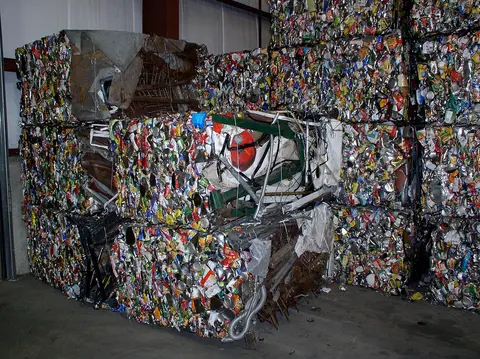
Metals can be used again and again, so recycling saves energy. Making aluminium from recycled scrap uses about 95 per cent less energy than making it from bauxite ore. Yet in 2010 a United Nations report found that recycling rates for many rare metals were low, even though they are needed for mobile phones, hybrid car batteries and fuel cells. The report called the metals already in use a kind of huge mine above the ground.
Which metals did people use first?
Copper was probably the first metal people used. It sometimes lies on the ground in its pure form, and it looks distinctive and heavy and is easy to hammer. People were refining copper about 11,000 years ago. Gold, silver, lead and iron from meteorites were also known long before writing. Meteoric iron often held nickel and in some ways was better than the made until the 1880s.
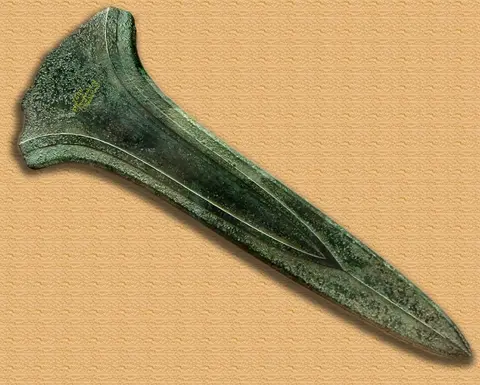
The next great step was , which first appeared in the fifth millennium BCE. The earliest known bronze objects come from the Iranian plateau. Early bronze used arsenic, but tin later became the main added metal, around 2000 BCE. Bronze was harder and lasted longer than stone or copper, so it made better tools, weapons, armour and building decorations.
Iron and steel followed. Iron objects nearly 4,000 years old found at Kaman-Kalehöyük in Anatolia, which is now Turkey, are the earliest known steel, an of iron and carbon. Iron are plentiful, so iron slowly spread and became the main metal for tools and weapons.
In the Americas, metalworkers in Panama and Costa Rica made tumbaga, an alloy of copper and gold, from about 300 to 500 CE. In Ecuador, people shaped masks from gold and platinum grains by repeated heating and hammering.
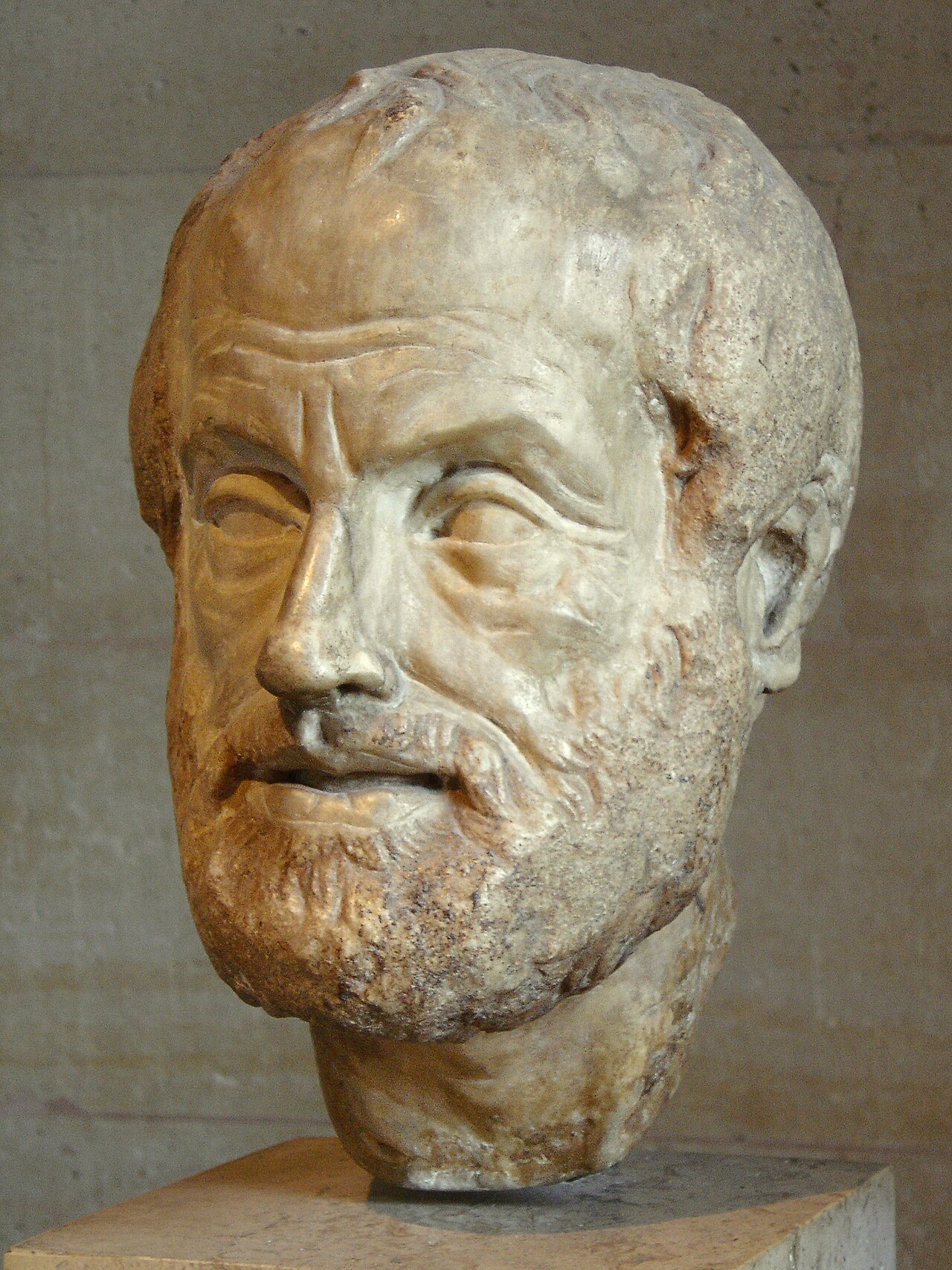
Around 340 BCE the Greek philosopher Aristotle wrote that substances from the Earth could be sorted into metals and minerals. Medieval alchemists later believed that all metals were slowly turning into gold deep underground.
How did science discover so many more metals?
For centuries only about a dozen metals were known. In 1556 the German writer Georgius Agricola published De Re Metallica, a huge book on mining and metalworking. Before that, in 1540, Vannoccio Biringuccio had written the first systematic text on the subject. Then chemists began finding new metals. Platinum became known to Europeans in the 1700s. Cerium, the first of the lanthanide metals, was found in 1803. Lanthanides were mere curiosities for a long time. Today they are used in phone parts, magnets, lasers and batteries.
In 1807 the chemist Humphry Davy isolated sodium, one of the first light metals. Days earlier he had freed potassium the same way, by passing electricity through it. Both floated on water and reacted fiercely, which shocked people who thought all metals were heavy. Aluminium followed in 1824, but a cheap large-scale method was not found until 1886. After that, aluminium became widely used. In the First World War, governments wanted it for light, strong aircraft frames.
changed the world after 1856, when Henry Bessemer made it in large amounts cheaply. Steel soon went into buildings, ships, railways, cars and machines. Stainless steel was industrialised in 1912.
Titanium was first made as a pure metal in 1910, and by the 1950s it was used in fast military jets. Hafnium was found in 1922. Rhenium followed in 1925, and it was the last stable element to be discovered. Every element found since then is radioactive, and the heaviest ones have been made in laboratories.
What new kinds of metal are being invented?
Since the Second World War, engineers have designed metals for harsher and stranger jobs. Superalloys, made mainly from iron, nickel, cobalt and chromium with small amounts of other metals, were developed for jet engines. They keep most of their strength above 650 degrees Celsius for a long time and resist corrosion. They are now used in power station turbines and aircraft.
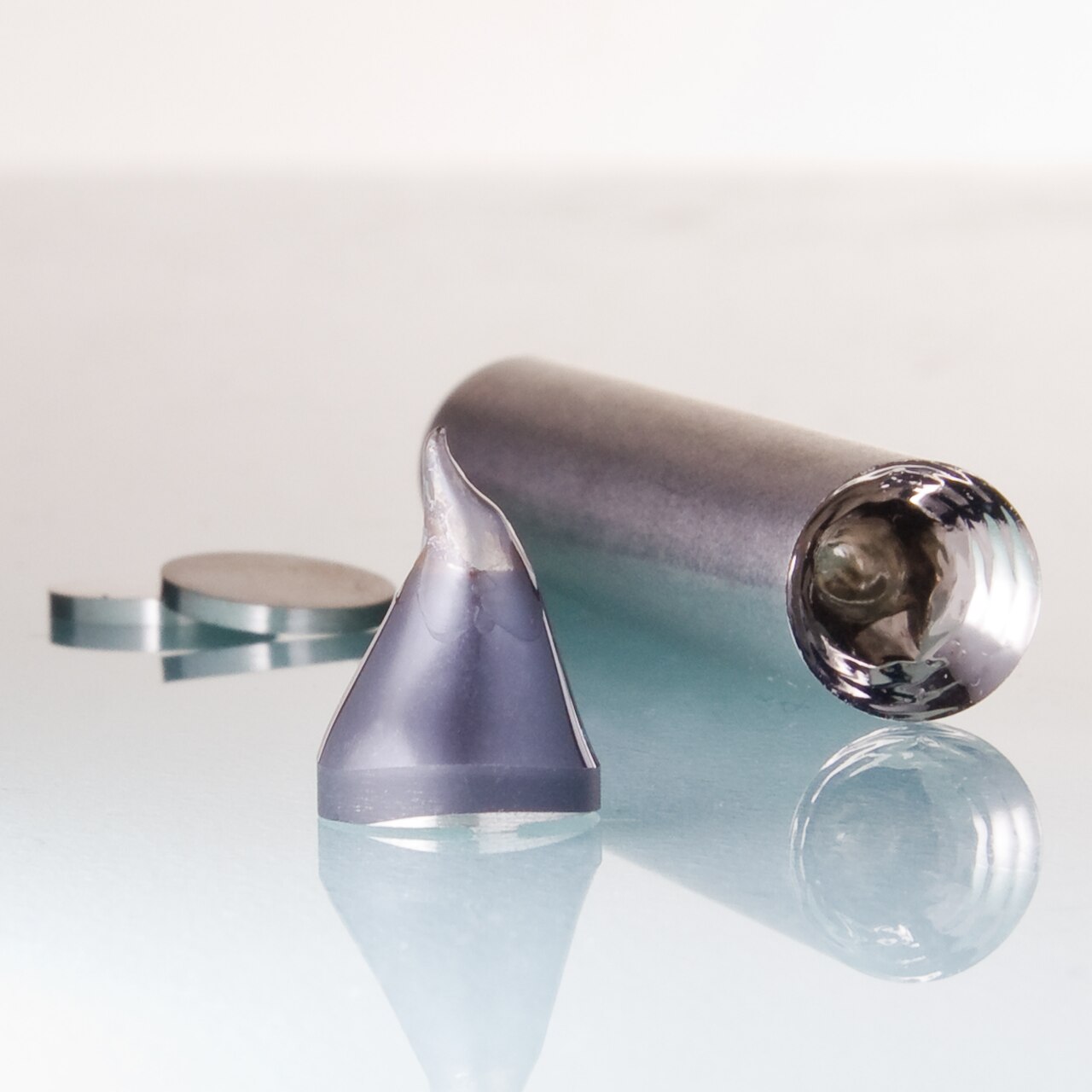
Most metals are crystals. In a metallic glass, the atoms are jumbled up like those in window glass. Metallic glasses are made by cooling melted metal extremely fast. The first was made at Caltech in 1960. Unlike ordinary glass, they conduct electricity. Some have unusual magnetic properties, and they are used in efficient transformers and in anti-theft tags in shops.
A shape-memory remembers its original shape. Bend it, then warm it, and it springs back. An accidental find in 1962 of this effect in a nickel-titanium alloy led to uses in robots, aircraft and medicine.
In 1982 the Israeli scientist Dan Shechtman found an aluminium-manganese alloy whose atoms formed a pattern with five-fold symmetry. Crystallographers had taught that this was impossible, and his result was not published until 1984. These materials are called quasicrystals. Shechtman won the Nobel Prize in Chemistry in 2011, and hundreds of quasicrystals have since been found.
Explore Next
Your audio story keeps playing while you look around.
Words to Know
- alloy
- A mixture of a metal with other elements, made to improve its properties.
- bronze
- An alloy of copper, usually with tin, harder than copper alone.
- ductile
- Able to be pulled into a thin wire without breaking.
- electrolysis
- Using an electric current to split a compound and free a metal.
- malleable
- Able to be hammered or pressed into shape without cracking.
- metallurgy
- The science and craft of extracting, shaping and improving metals.
- noble metal
- A metal, such as gold, that hardly reacts with air or water.
- ore
- A rock that contains enough metal to be worth mining.
- oxide
- A compound formed when an element joins with oxygen, such as rust.
- smelting
- Heating an ore with a substance such as carbon to get the metal out.
- steel
- An alloy of iron with a small amount of carbon.