Mineral
The natural crystals that make up every rock, gem and metal ore.
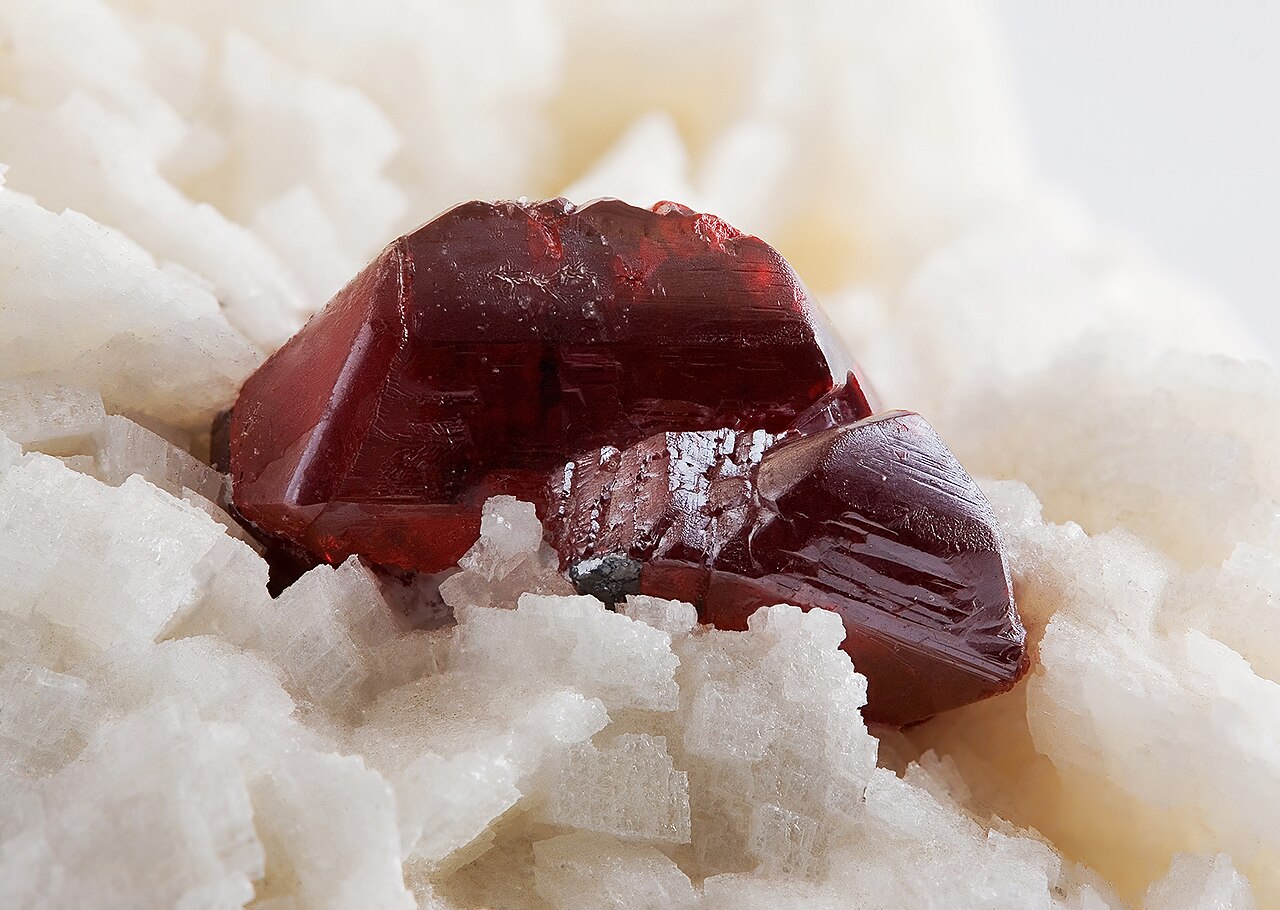
Minerals are the building blocks of rocks. Each one is a natural solid with its own chemical recipe and its own orderly pattern of atoms. Table salt, quartz, gold and diamond are all minerals. Some, such as pyrite, grow into shapes so regular that they look carved. Others are hidden as tiny grains inside ordinary stones. Minerals give us metals, gems, salt and the raw materials for glass and concrete. Geologists identify them by their hardness, shine, colour, the way they break and how heavy they feel. As of 2026, scientists have officially named more than 6,200 mineral species.
What exactly is a mineral?
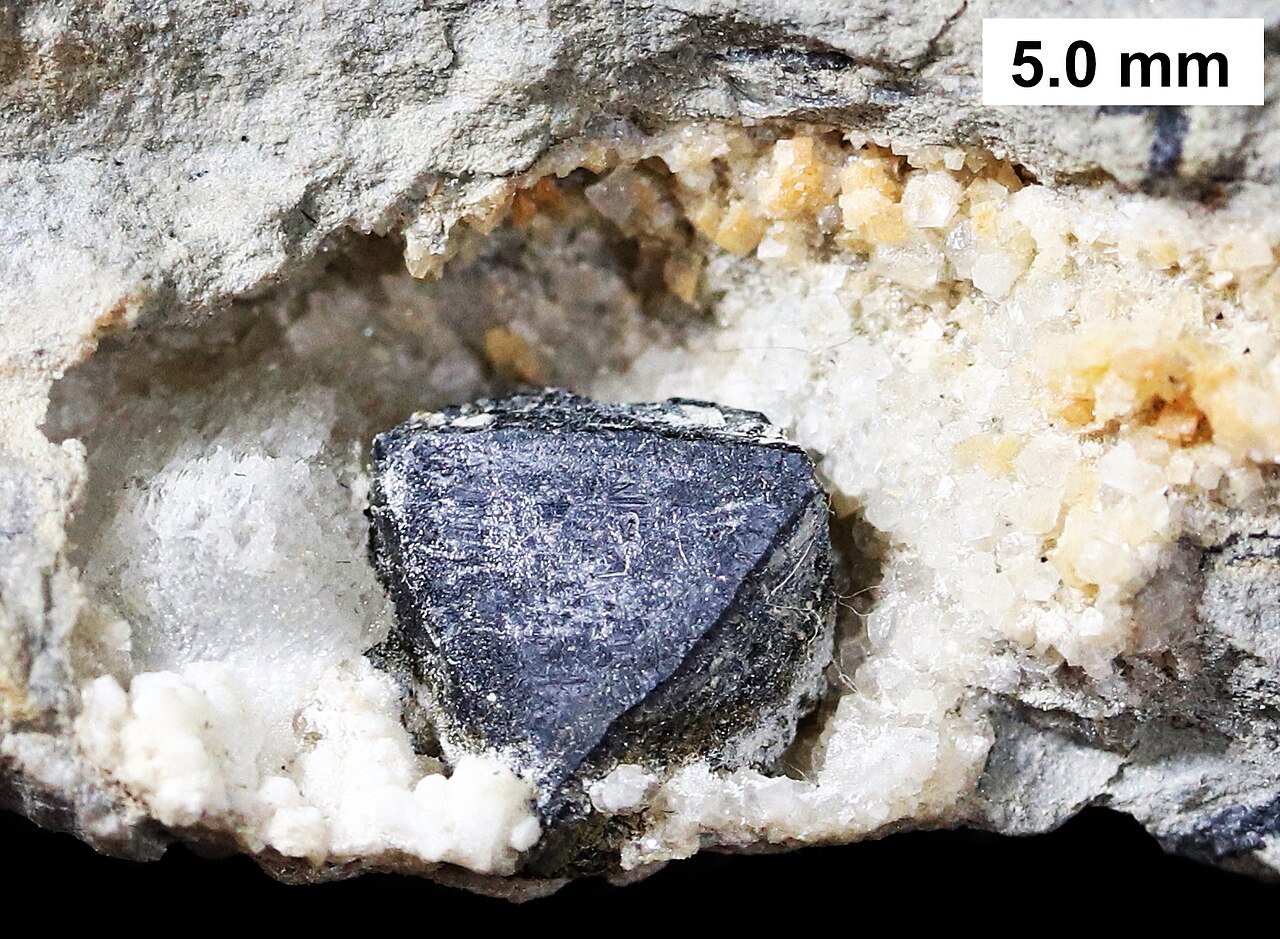
A is a solid that forms naturally in the ground. It has a fairly fixed recipe of chemical ingredients. Its atoms are lined up in an orderly pattern called a structure. Salt, quartz, gold and diamond are all minerals. So is ice, when it is found in nature.
That short definition leaves a lot out. Glass in a window is not a mineral, because people made it. Seashells and bones are not minerals either, because living things made them, although they contain minerals such as calcite and apatite. Water and carbon dioxide are not minerals, because they are not solid in their natural state. Obsidian, a black volcanic glass, and opal have no orderly atom pattern, so scientists call them , which means mineral-like.
One compound can be more than one mineral. Quartz and a rarer mineral called stishovite are both made of silicon dioxide. Their atoms are packed in different patterns, so each counts as its own mineral species.
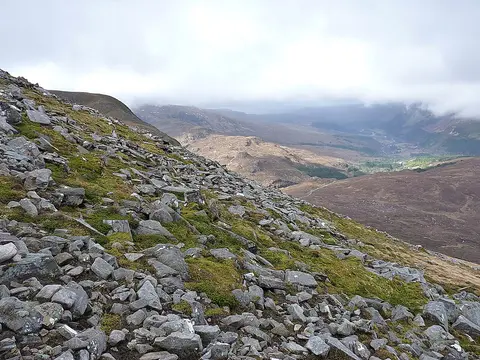
Minerals are not the same thing as rocks. Think of minerals as ingredients and a rock as the cake. A rock is a lump of one or more minerals mixed together. In the rock itself, the minerals are often hard to see.
You can find minerals everywhere. Salt, a mineral called halite, sits in your kitchen. The rocks beneath your feet are packed with them. Even the sand on a beach is mostly grains of quartz.
Who decides what counts as a mineral?
The International Mineralogical Association, or IMA, is the group that decides. A new is only accepted if it passes four tests. It must form naturally by geological processes, either on Earth or on another world. It must be solid. It must have an ordered arrangement of atoms. And it must have a fairly well-defined chemical recipe.
There are a few odd cases. Mercury is liquid at room temperature, yet it is still a mineral. It was listed before the rules were set. Water ice is a mineral, but liquid water is not. Some minerals can only exist in the cold. Meridianiite, a salt that holds water in its , forms and stays stable only below 2 °C.
Some minerals can vary a little in their recipe. In mackinawite, nickel atoms can replace some of the iron atoms. Scientists still call it one species. In the olivine family, the recipe slides smoothly between a magnesium-rich end and an iron-rich end. Because the range is continuous, scientists cut it into named minerals, called forsterite and fayalite.
Not everyone agrees on the rules. Some scientists would like to include substances made by living things. Bacteria and other microbes help to create deposits and dissolve rock. The IMA has not changed its rules.
As of 2026, the IMA recognises more than 6,200 mineral species. Most are named after a person, and many are named after the place where they were found. Most names end in -ite, but old favourites such as galena and diamond keep their names.
How are minerals, rocks, ores and gems different?
A rock is a mix of . Some rocks are made almost entirely of one mineral. Limestone is mostly calcite and quartzite is mostly quartz. Others are mixed. Granite is a blend of quartz and two kinds of feldspar, along with small amounts of other minerals. A few rocks, such as coal, are not made of minerals at all. Coal comes from the remains of plants and is mostly carbon.
About 150 minerals are common or important enough to be well known. Only a few of them make up most of the rocks. These are called the rock-forming minerals, and they include quartz, feldspars, micas, amphiboles, pyroxenes, olivines and calcite. Apart from calcite, they are all .
An is a mineral that holds a lot of one useful element, usually a metal. Cinnabar is an ore of mercury, sphalerite is an ore of zinc, and cassiterite is an ore of tin. Miners dig up ore and heat or treat it to take out the metal.
Gems are minerals that people prize for beauty, hardness and rarity. About 20 mineral species make up around 35 of the most common gemstones. One mineral can give several gems. Ruby and sapphire are both corundum, which is made of aluminium and oxygen. A trace of chromium turns corundum red, and other trace elements turn it blue.
Other minerals are valuable for plain jobs. Muscovite, a clear mica, was once used for windows. Industrial minerals such as this are used as fillers, insulators and building materials.
Why are most minerals made of the same few elements?
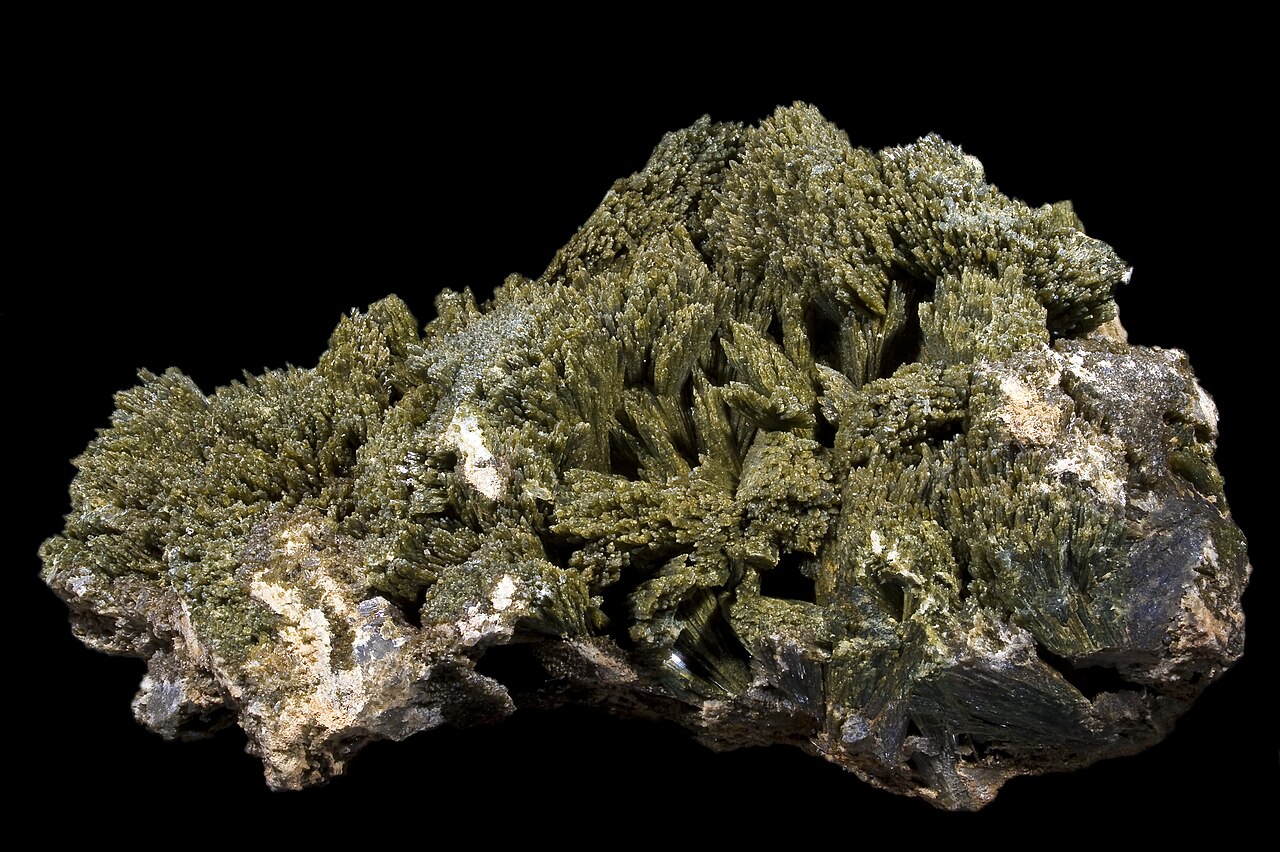
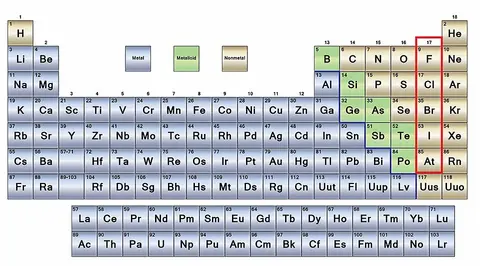
take their ingredients from the crust, so the crust decides which minerals are common. Just eight elements make up over 98% of the crust by weight. In order, they are oxygen, silicon, aluminium, iron, magnesium, calcium, sodium and potassium. Oxygen alone makes up 47% of the crust and silicon 28%.
Those two elements join together as the building block of the . Picture a tiny pyramid with an oxygen atom at each of its four corners and one silicon atom hidden in the middle. This unit is called a silica tetrahedron. Silicate minerals link these pyramids in chains, sheets or frameworks. They add other metals in the gaps between them. Silicates make up around 90% of the crust, and most rocks contain more than 95% silicate minerals.
The other groups are less common. Native elements, such as gold, are a single pure element. Others are sulfides such as galena, oxides, halides such as rock salt, carbonates such as calcite, sulfates such as gypsum and phosphates. Together, the non-silicates make up about 8% of the crust, though many are valuable as .
Which mineral forms depends on temperature, pressure and the ingredients on hand. A mineral is stable only under the right conditions. When conditions change, minerals react and turn into new ones. Orthoclase feldspar in granite is one example. Rain slowly turns it into clay, the mineral kaolinite. If that clay is later heated and squeezed deep underground, it can change again and become kyanite, a blue mineral.
Most elements in the crust are too scarce to form their own minerals. They hide inside the common ones. Rare minerals appear only where hot water or other processes have gathered those elements together.
Why do crystals have flat faces and sharp corners?
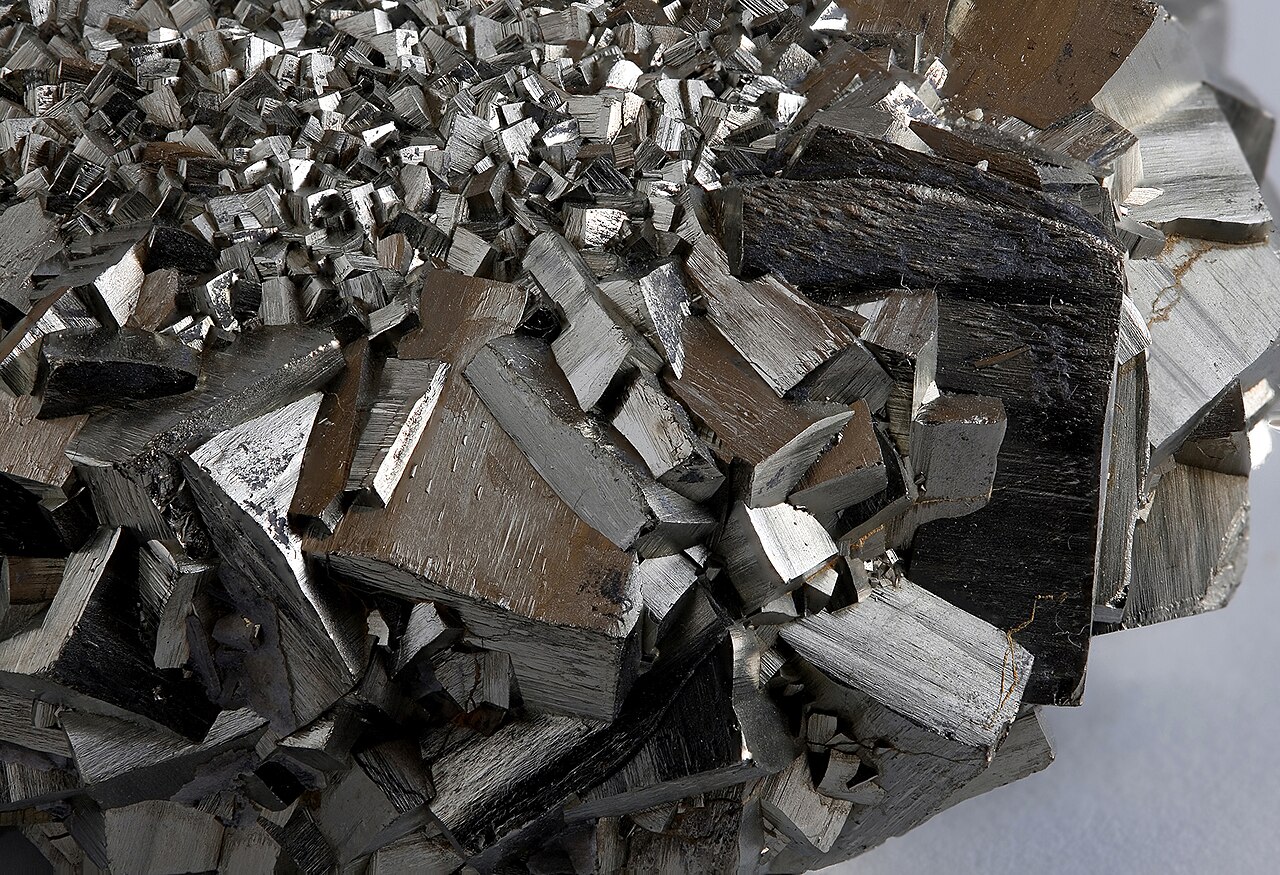
Inside every , atoms sit in a repeating pattern, like bricks in a wall. are the outward sign of that pattern. A salt crystal is a tiny cube because its atoms are stacked in a cubic grid. Even when the grains are too small to see, the pattern is still there. Scientists can find it by firing X-rays at the mineral.
Crystals are sorted into six families by the shapes of their patterns. The overall shape that a mineral usually grows into is called its habit. Natrolite grows as needles. Garnet grows as chunky, rounded crystals. Copper can grow in branching, tree-like shapes. Some minerals have no clear shape and form shapeless masses.
The structure changes a mineral's properties as much as its recipe does. The best example is carbon. Diamond and graphite are both pure carbon. In diamond, every carbon atom is bonded strongly to four neighbours in all directions, which makes diamond the hardest natural material. In graphite, atoms form flat sheets, and each atom is bonded strongly to only three others. The sheets are held together weakly and slide over one another. That is why graphite is soft and slippery and works as pencil lead.
Minerals with the same recipe but different structures are called . Pyrite and marcasite are both iron sulfide. Pyrite forms cubes, but marcasite forms a different pattern. Quartz and stishovite are polymorphs too.
Crystals sometimes grow together in neat patterns. These are called twins. In staurolite, two crystals cross to make a shape like a small cross.
How do geologists tell minerals apart?
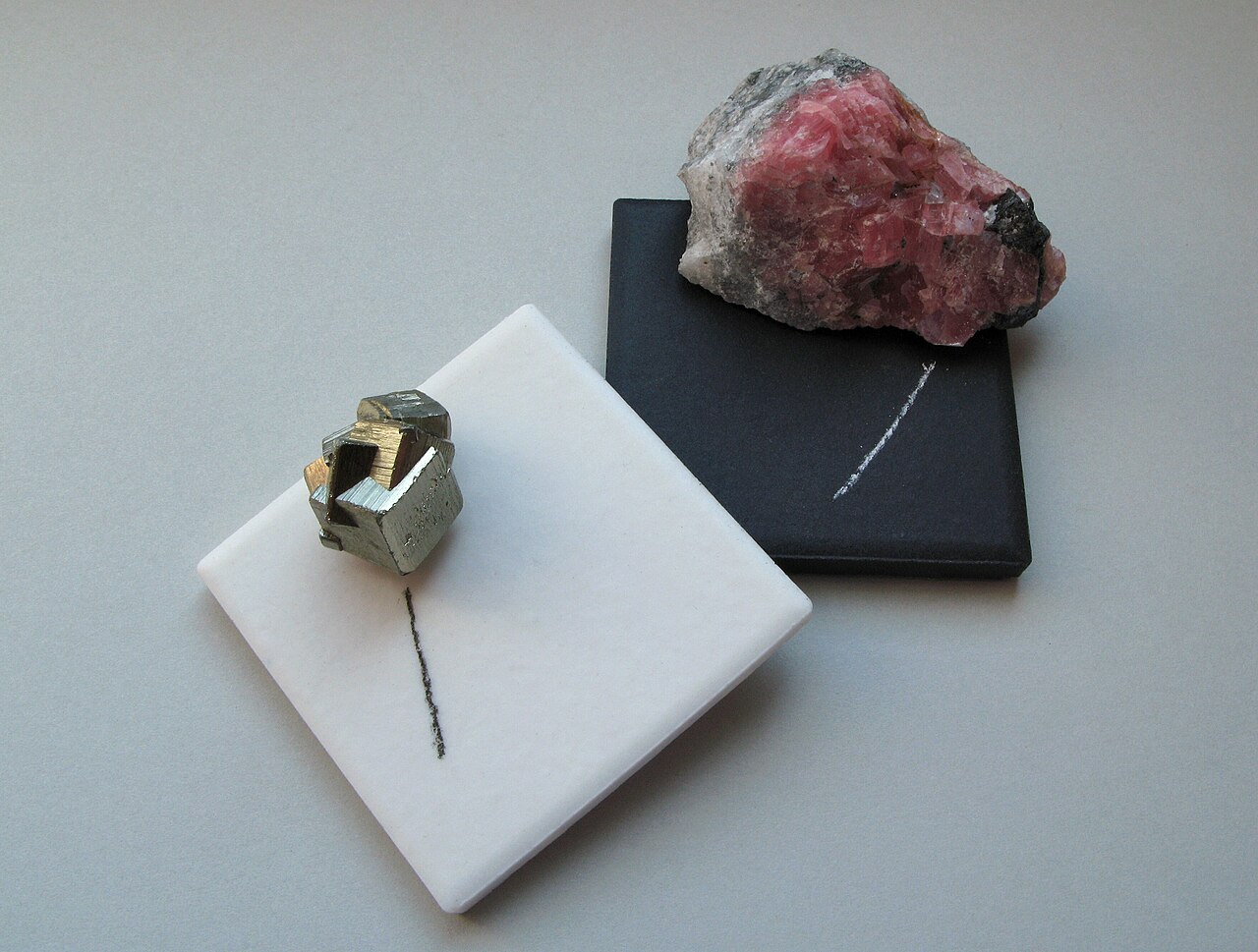
Geologists can identify many with simple tests. The first is hardness, which is how well a mineral resists being scratched. It is measured on the , which runs from 1 to 10. Talc is the softest mineral and diamond is the hardest. A harder mineral scratches a softer one. So you can place an unknown mineral on the scale by seeing what it scratches. Quartz is about 7 on the scale.
describes how a surface shines. Pyrite and galena have a metallic lustre. Diamond has a brilliant, adamantine one. Quartz looks glassy, which is called vitreous, and talc looks pearly.
Colour is the most obvious clue, but it can be misleading. A single mineral such as quartz can be clear, purple or pink, depending on tiny impurities. Amethyst is quartz that is purple. is more reliable. It is the colour of the mineral's powder, which is found by rubbing it on an unglazed white or black porcelain plate. Hematite looks black, silver or red, but always leaves a reddish-brown streak.
Minerals also break in telling ways. is a clean break along flat planes where the atoms are weakly bonded. Mica splits into thin sheets. Halite breaks into cubes. Quartz has no cleavage and instead breaks with curved surfaces, a pattern called conchoidal fracture.
Other tests include weight for its size, called specific gravity, and magnetism. Magnetite is strongly magnetic. A drop of dilute acid makes carbonates such as calcite fizz. Some minerals are known by taste or smell. Halite tastes salty. These tests are done carefully and are usually left to experts.
How have people sorted minerals through history?
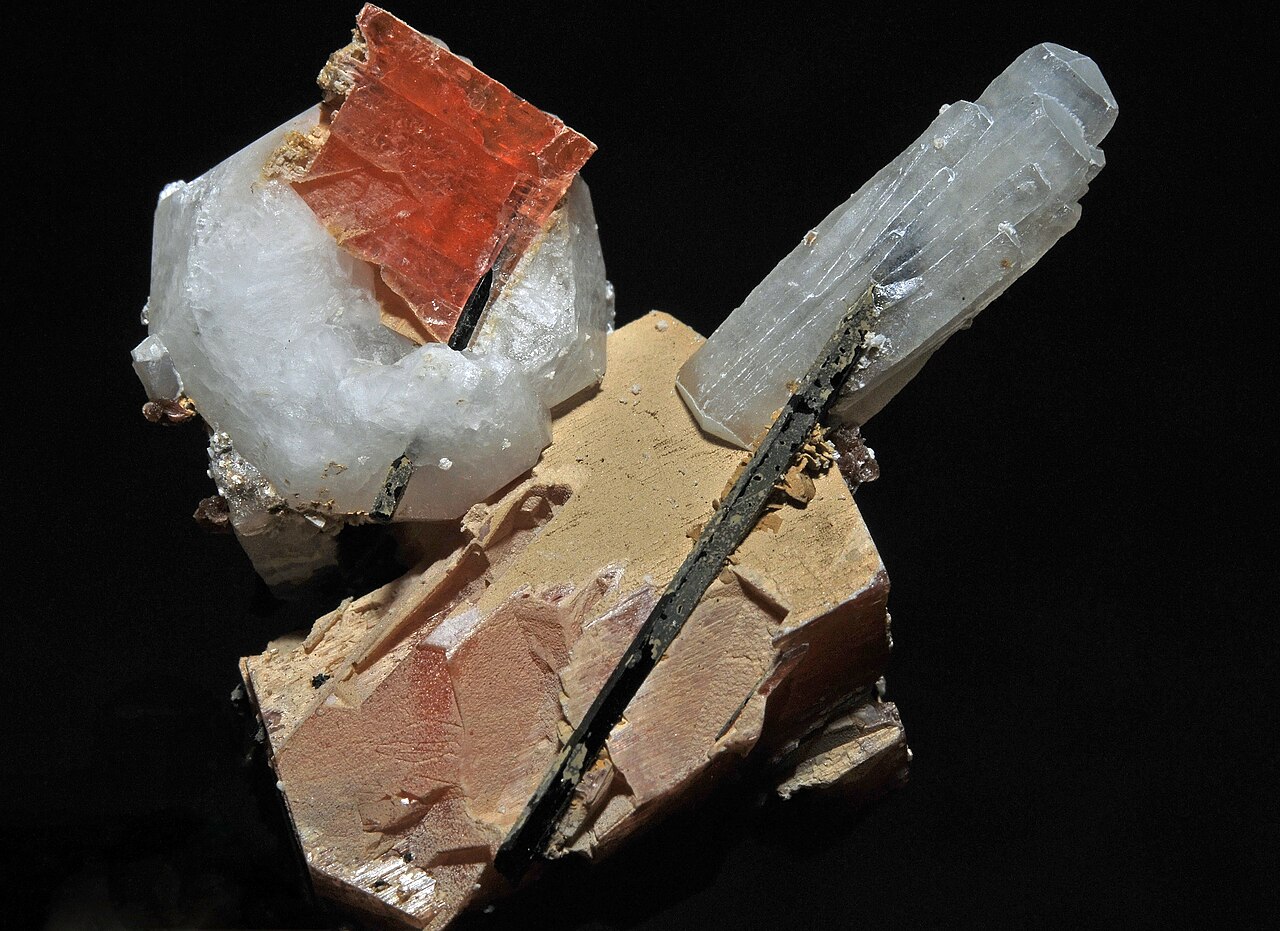
People have tried to sort for more than 2,300 years. Around 315 BCE, the Greek thinker Theophrastus wrote a book called On Stones. He divided minerals into stones, earths and metals, following ideas from his teachers Plato and Aristotle.
In 1546, the German scholar Georgius Agricola published a book on fossil substances. That phrase then meant anything dug from the ground. He sorted them as simple substances, closely blended mixtures, and mixtures that could be separated.
In 1735, the Swedish naturalist Carl Linnaeus put minerals into his great system of nature alongside plants and animals. The three kingdoms were plants, animals and minerals. His method of sorting by kingdom, class and species was a huge success with biologists. Mineralogists did not take it up, although each mineral is still called a species.
Today, minerals are sorted by their chemistry and structure. At the base is the mineral species. Quartz is one, and it is defined by its formula, SiO2, and a particular structure. A variety is a version of a species that differs in some way, usually colour. A series covers minerals that blend smoothly into each other. A group is a set of species that share a structure and some chemistry. The pyroxenes are one group.
Two systems are widely used. The Dana system gives each mineral a number based on its chemistry. The American geologist James Dwight Dana first published it in 1837. The Strunz system, by the German mineralogist Karl Hugo Strunz, is built on Dana's but also uses how the atoms are bonded.
Why do minerals matter to us?
are the raw materials of the modern world. Almost every metal we use comes from a mineral. Iron comes from hematite and magnetite. Copper, lead, zinc and tin come from sulfide and oxide . Aluminium comes from a rock called bauxite. Gold and diamond are minerals that people have prized for thousands of years. Minerals are also in glass, cement, ceramics, salt and fertiliser. Quartz keep time in many watches, because squeezing quartz makes a tiny electric signal.
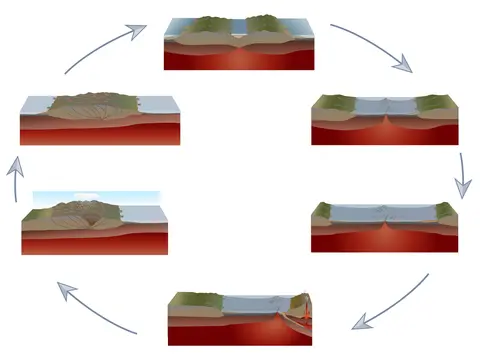
Minerals link to the rock cycle, too. Rocks form, wear down and form again over millions of years, and the minerals inside them change with the conditions. A mineral that forms in hot magma may break down in rain and join the sediment of a river. Later it may be squeezed and heated into a new rock. Each stage leaves a clue, so geologists can read the history of a rock from the minerals within it.
Minerals also reveal worlds beyond Earth. Meteorites and moon rocks contain minerals, and so does the surface of Mars. Studying them tells us what those worlds are made of and how they formed.
Mining brings problems as well as benefits. It can damage the land and water around a mine, and the effects can last for years after the mine closes. Most countries now have laws to limit this harm. Recycling metals such as aluminium and copper reduces how much ore we need to dig.
Which minerals will the clean-energy future depend on?
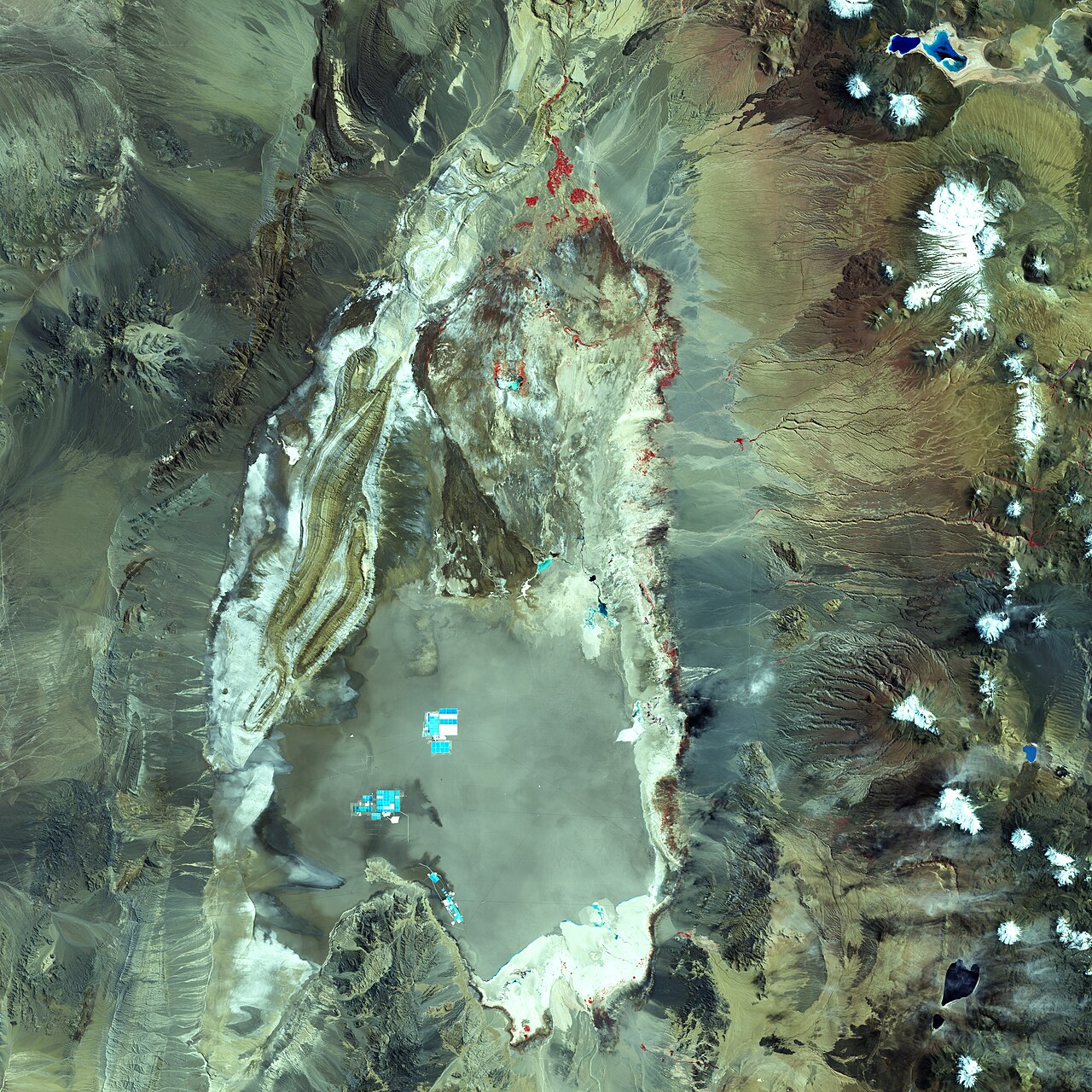
Some have become critical to the energy transition. Lithium goes into rechargeable batteries. Cobalt and nickel go into many battery cathodes. Rare earth elements, a group of 17 metals, make the strong magnets in wind turbines and electric motors.
These minerals are not rare in the crust, but rich deposits are few and only a handful of places can process them. Lithium is pumped up as salty brine from beneath the Atacama Desert in Chile and left to evaporate in shallow ponds. Most of the world's cobalt comes from the Democratic Republic of the Congo. China refines most of the world's rare earths. In 2025 China brought in export controls on several of them, and many countries began to look for other supplies.
Explore Next
Your audio story keeps playing while you look around.
Words to Know
- cleavage
- The way some minerals break along smooth, flat surfaces.
- crystal
- A solid in which atoms are lined up in a repeating pattern.
- lustre
- The way the surface of a mineral reflects light.
- mineral
- A natural solid with a set chemical recipe and an orderly crystal structure.
- mineraloid
- A mineral-like natural substance with no orderly atom pattern, such as opal.
- Mohs scale
- A scale from 1 to 10 that ranks minerals by how easily they are scratched.
- ore
- A mineral that holds enough of a metal to be worth mining.
- polymorph
- A mineral with the same recipe as another but a different structure.
- silicate
- A mineral built from silicon and oxygen, the most common kind in the crust.
- streak
- The colour of a mineral's powder when rubbed on a plate.