Insect
Six legs, three body parts and more species than any other animals.
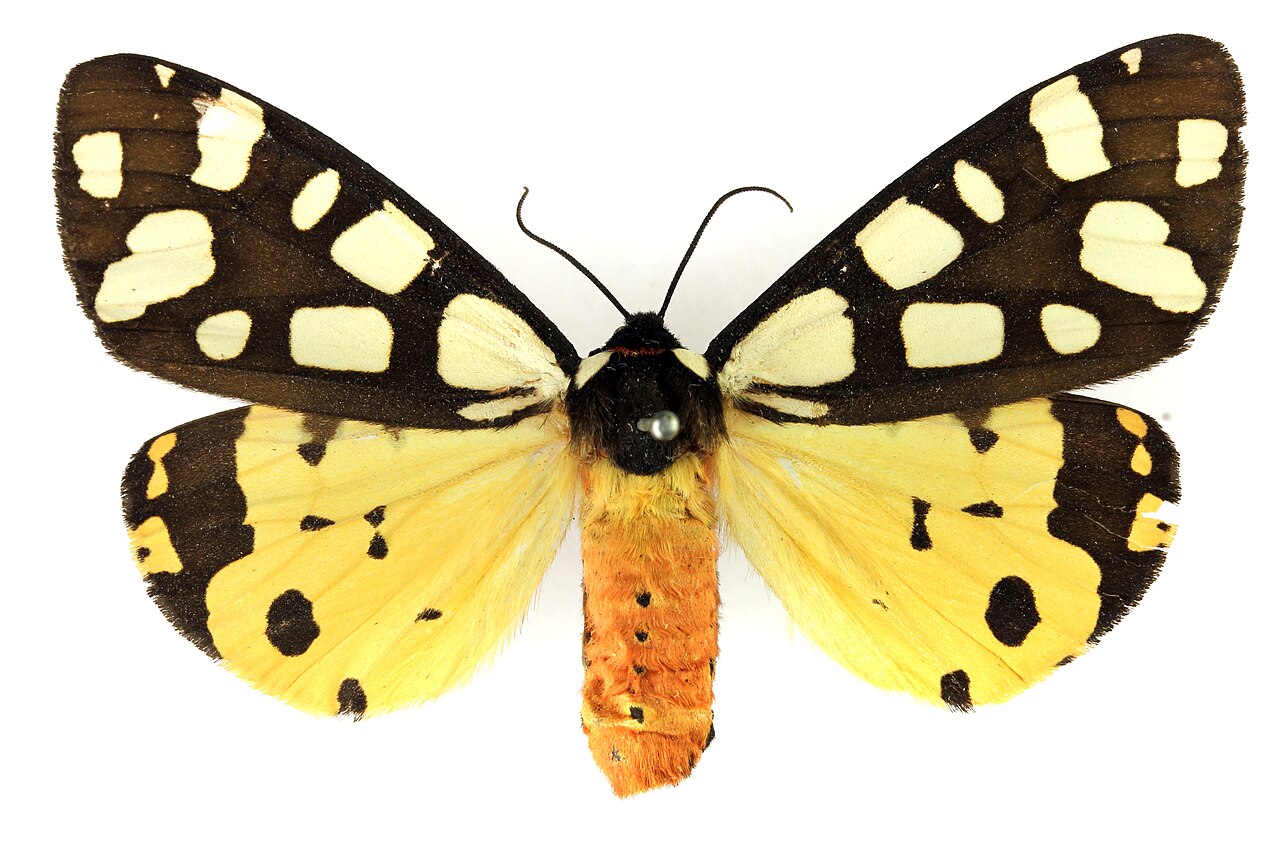
Insects are the most successful animals on Earth. More than a million kinds have been named, which is over half of all known animal species, and scientists think millions more are still waiting to be found. Every insect has a hard outer skeleton, a body in three parts, six jointed legs and a pair of antennae. Within that plan, evolution has produced beetles with armoured wings, moths that sense a mate from over a kilometre away, and bees that dance to give directions. Insects pollinate our crops, recycle waste and feed countless other animals. They are also pests, and many species are now in decline.
What makes an insect an insect?
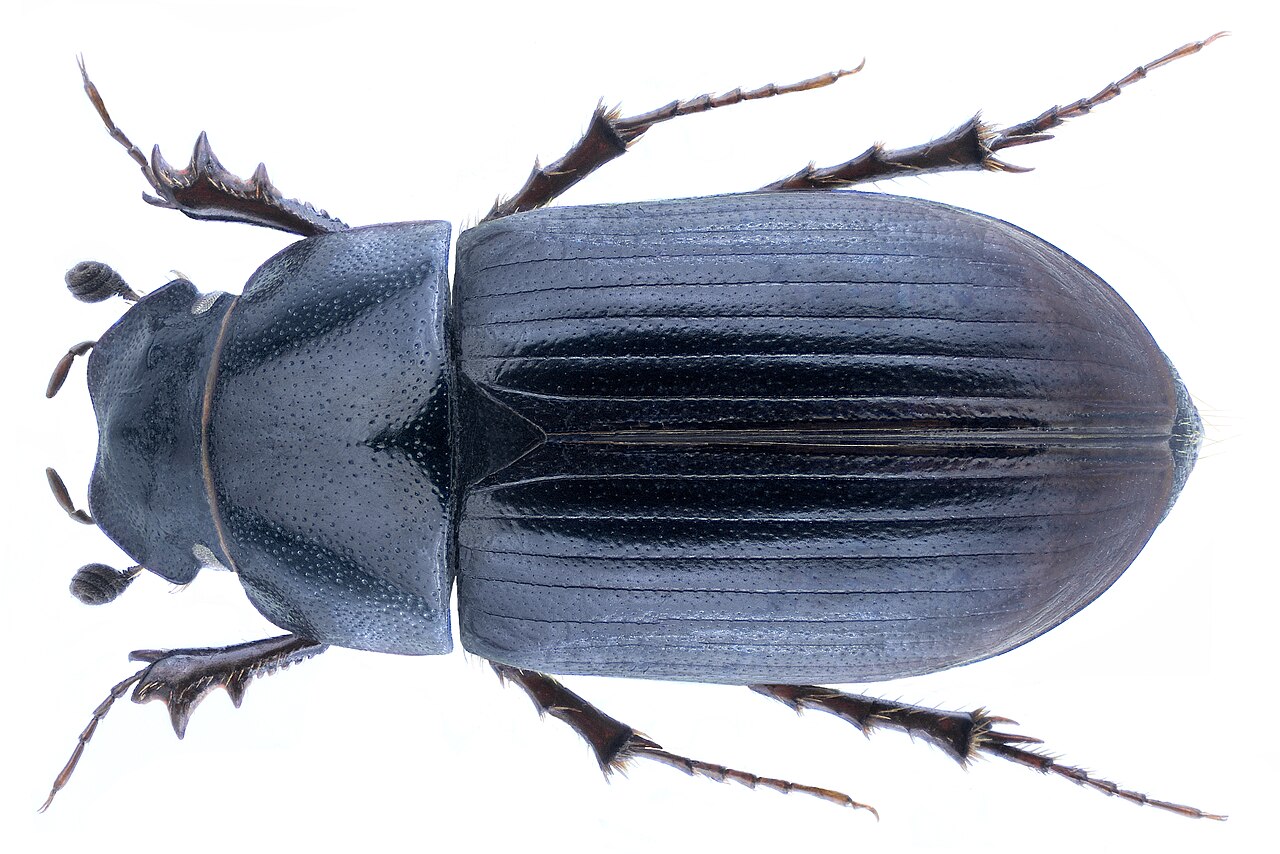
Insects belong to the arthropods, the animals with jointed legs and a hard outer skeleton. Spiders, centipedes, millipedes, woodlice and scorpions are also arthropods, but they are not insects. An adult insect always has the same three-part body plan. The head carries a pair of antennae, a pair of large and the mouthparts. The in the middle carries three pairs of legs and, in most adults, up to two pairs of wings. The abdomen holds most of the organs for digesting food, breathing and reproducing. The name comes from the Latin insectum, meaning cut up, because the body looks cut into sections.
The outer skeleton is called an . It is made mostly of chitin, a tough material, and covered with a waxy layer that stops the insect drying out. On land, insects harden it using oxygen from the air. Crustaceans use heavy calcium instead, so an insect's armour is light.
Insects have no lungs. Air enters through small openings called along the sides of the body and flows through a network of tiny tubes straight to the tissues. Their blood does not carry oxygen, and it flows around the body with the help of a simple tube that acts as a heart.
This breathing system limits their size. As an insect gets bigger, air moves less well through the tubes. The heaviest insects alive today weigh less than 100 g.
How many kinds of insect are there?
More than a million insect species have been described and named. That is more than half of all known animal species. Estimates of the true total vary, but a common guess is about 5.5 million, so most insects have probably never been seen by a scientist.
Five groups, called orders, each have more than 100,000 described species. They are the beetles, the true flies, the butterflies and moths, the wasps, ants and bees, and the true bugs such as cicadas and shield bugs. Beetles alone have so many species that they are famously the largest group of animals.
Insects live on every continent and in almost every land habitat. There are many more species in the tropics, especially in rainforests, than in cooler places. Some 30,000 to 40,000 species live in fresh water, but very few, perhaps a hundred, live in the sea. Snow scorpionflies flourish in the Arctic and on high mountains. Desert locusts, ants, beetles and termites cope with the hottest, driest places on Earth.
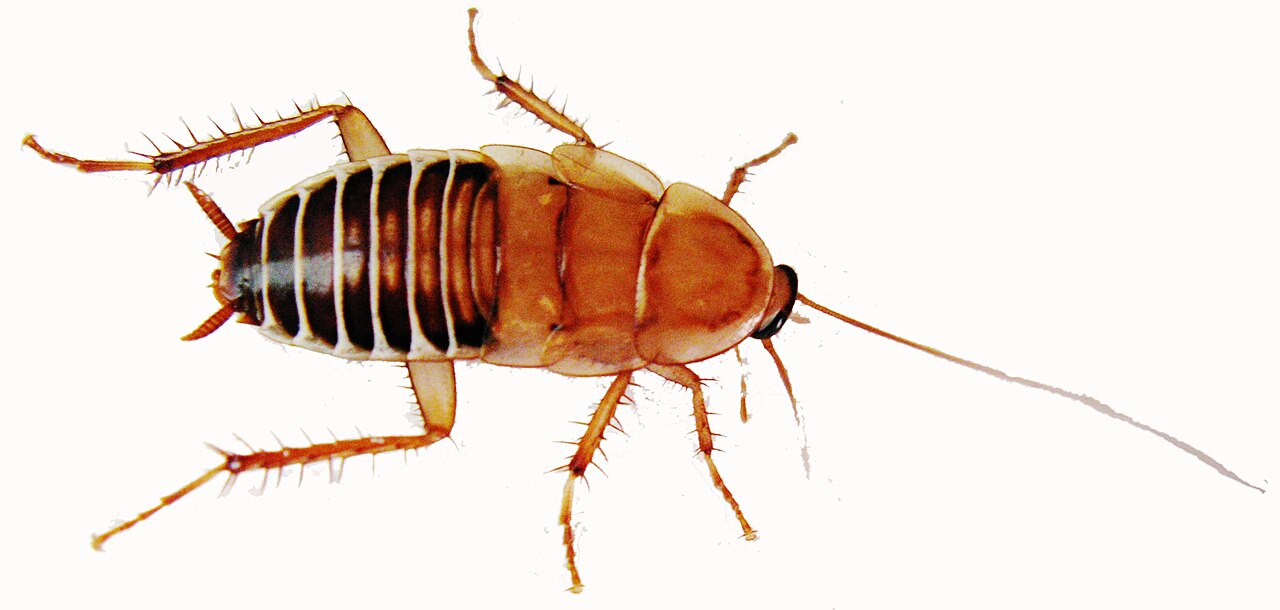
One reason we know so much about some places is that people have looked. The British Isles have been surveyed so well that their roughly 22,500 species are probably within 5% of the true number. In the tropics and the southern hemisphere, a large majority of insects are probably still undescribed. A cockroach, such as the banded zebra cockroach, is one small example of the variety.
Where did insects come from?
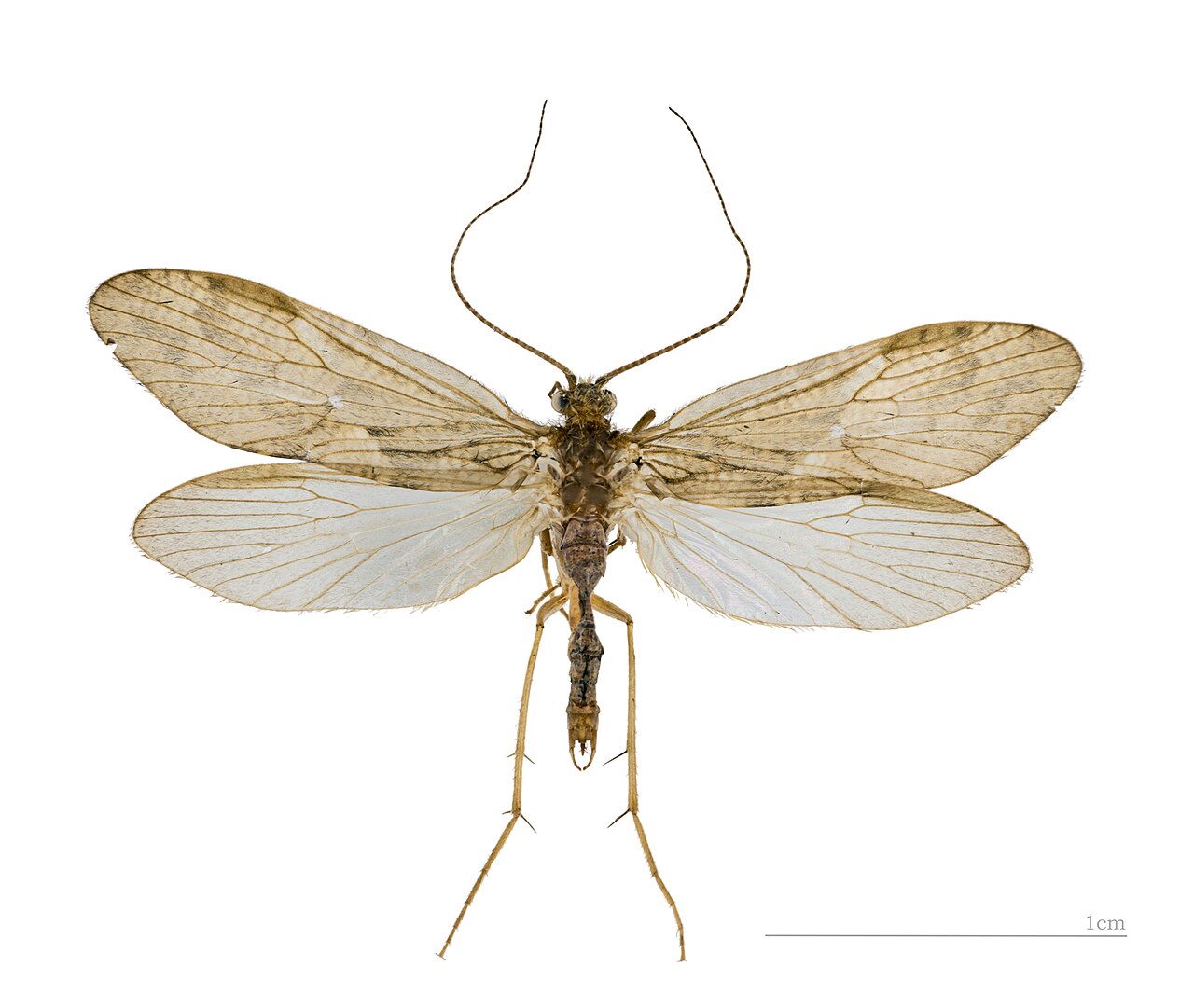
Insects are very old. The oldest fossil that may be a primitive wingless insect comes from the Early Devonian, around 400 million years ago. The oldest known flying insects are from the middle Carboniferous, about 328 to 324 million years ago. After that, insects diversified rapidly.
Flight gave them a great advantage. Insects were the first animals to fly, and insect flight appears to have evolved only once. Giant insects lived in the Carboniferous and Permian. Dragonfly-like insects had wingspans of 50 to 70 cm. They could grow so large because the air then held more oxygen, which suited the insect breathing system.
Scientists have traced four large waves of new insect species. Beetles began to spread about 300 million years ago, flies about 250 million years ago, and moths and wasps about 150 million years ago. Wasps, bees and ants, called Hymenoptera, first appeared about 200 million years ago, but became far more varied after 66 million years ago, when the Cenozoic era began.
Many of these successes came with flowering plants. Insects were among the first land animals to eat plants. Plants made poisons to protect themselves, and insects evolved ways to cope with them. Some even store the poison for their own defence. When two groups change in response to each other over a long time, it is called coevolution. Flowers and their pollinators are a famous example.
How do insects see, hear and smell?
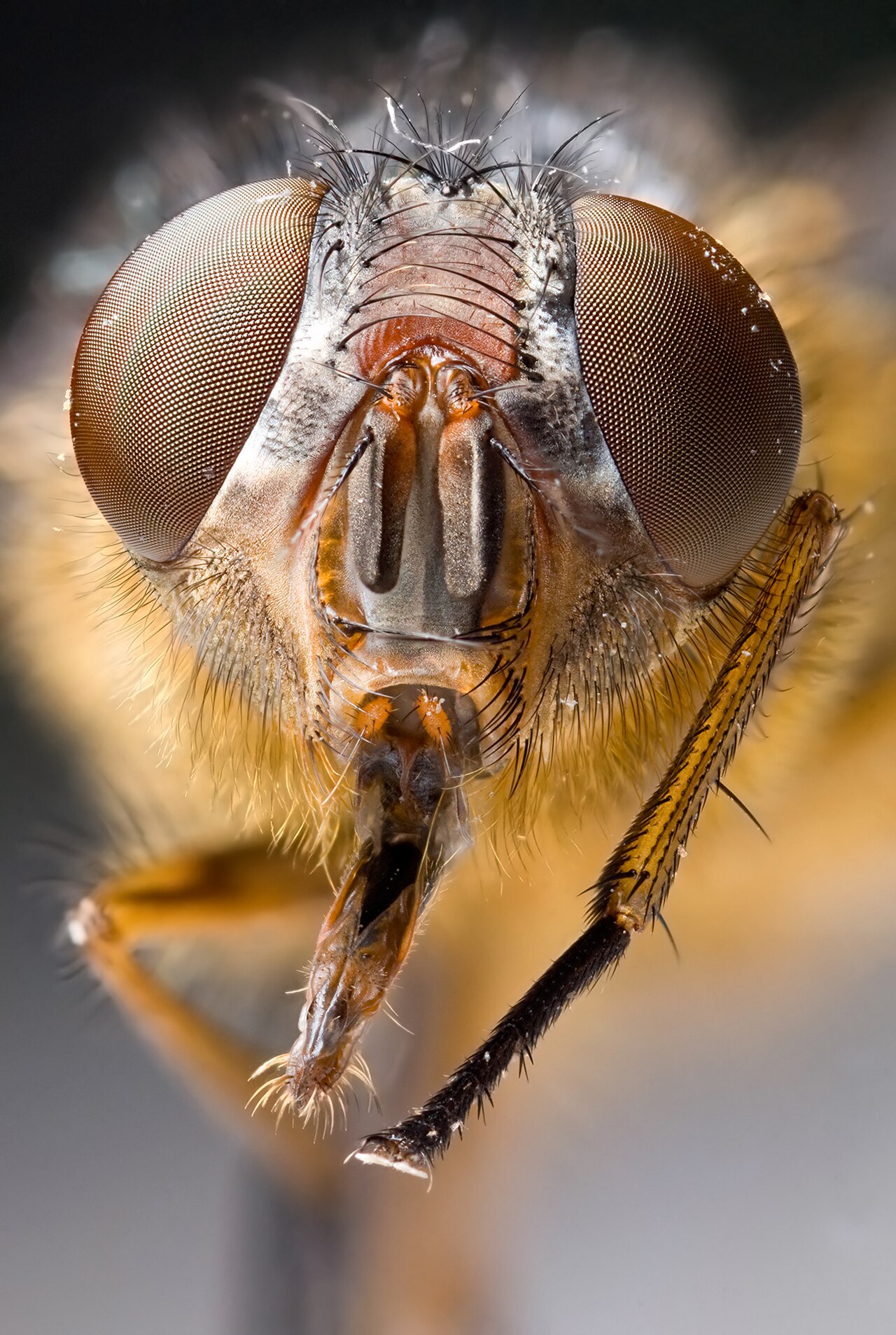
Insects sense the world in ways that can be very different from ours. Most have two large made of many tiny lenses, plus up to three simple eyes called ocelli that detect light and dark. Compound eyes are very good at spotting fast, small movements, and many insects can see ultraviolet light as well as colours. Bees can even detect the polarised light of the sky.
Smell is vital. Receptors on the antennae and mouthparts detect thousands of chemicals in the air and on surfaces. Insects use smell to find mates, food and places to lay eggs, and to avoid enemies. Male moths can sense the scent of a female from more than a kilometre away.
Many insects can hear. Their ears are thin vibrating membranes, called tympana, which may be on the legs or other parts of the body. Hearing evolved independently at least 19 times in different insect groups. Mosquitoes hear low pitched sounds up to about 2 kilohertz. Some moths hear the ultrasonic squeaks of bats and dive away.
Some senses seem almost magical. Ants and bees can detect the Earth's magnetic field and use it to find their way home. A fly is also thought to see the world more sharply than scientists once believed. Inside each eye, the light-detecting cells move quickly in and out of focus, so the picture stays sharp. The larger an insect's eyes, the less it tends to rely on its antennae, and the other way around.
How does a caterpillar become a butterfly?
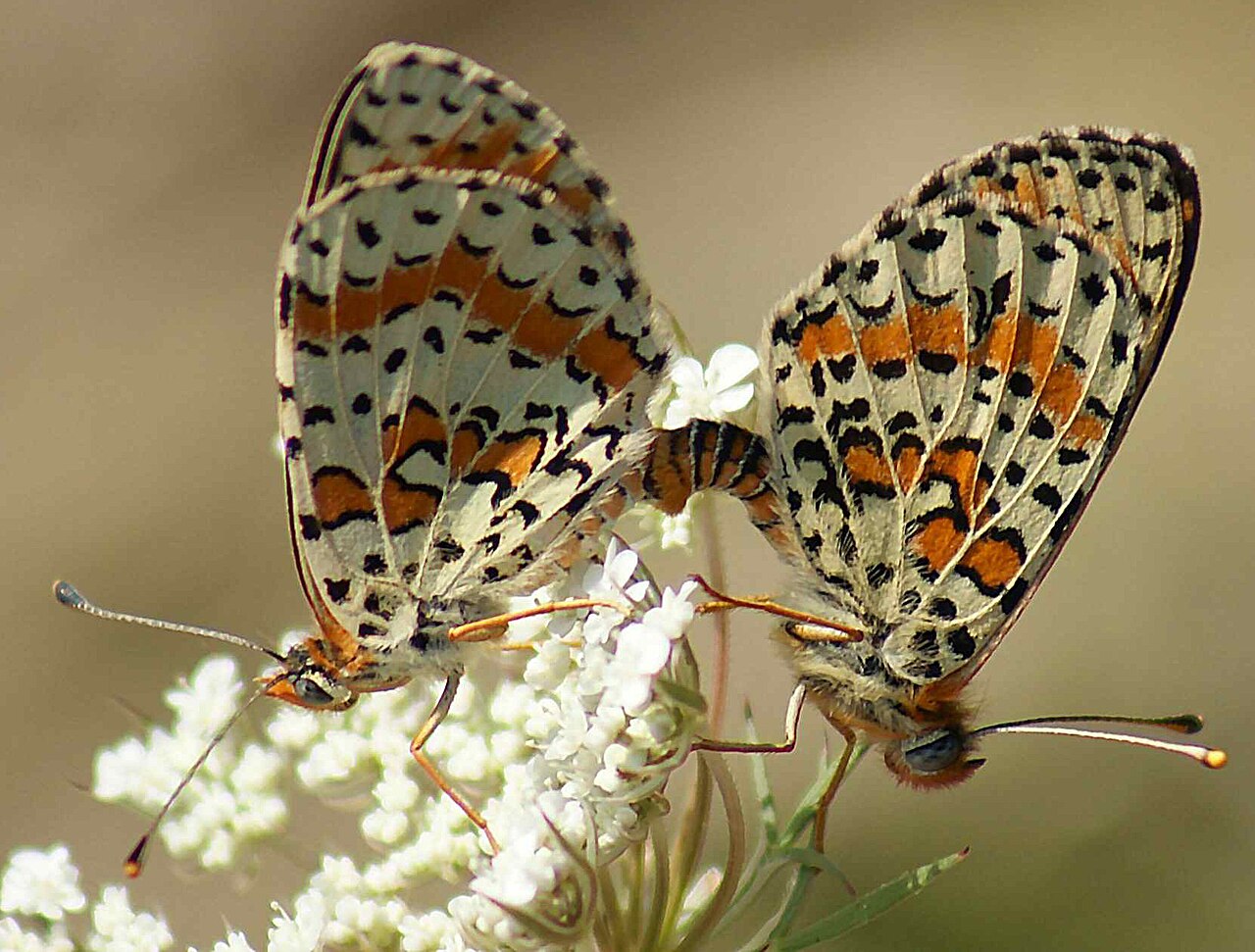
Nearly all insects hatch from eggs. Most insect eggs are drought resistant, because the embryo grows a waxy cuticle that stops it drying out. A few insects, such as some cockroaches, give birth to live young.
The hard cannot stretch, so a growing insect must moult. It grows a new skin underneath, swells its body by swallowing air or water, and the old skin splits open. The stages between moults are called instars.
There are two kinds of development. In incomplete , a young insect, called a nymph, hatches looking like a small adult without wings. It changes gradually with each moult. Grasshoppers and dragonflies grow up this way.
In complete metamorphosis, the insect changes in four stages. The egg hatches into a , which is usually worm-shaped, such as a caterpillar, a grub or a maggot. The larva eats and grows. It then becomes a , which barely moves. Inside, the body is rebuilt and the insect emerges as an adult. Butterflies are the best known example, but most insects develop this way. It is a clever system, because young and adult insects eat different food and do not compete.
Some insects have unusual ways to reproduce. Female aphids can produce young without mating. Bees, wasps and ants decide whether an egg becomes male or female by how many sets of chromosomes it has.
How do insects fly, walk and swim?
Insects are the only invertebrates that can fly under their own power. Dragonflies, damselflies and mayflies, the oldest groups, move their wings directly using muscles attached at the wing base. This works but is fairly slow. All other winged insects use indirect flight. Their flight muscles squeeze and release the , which makes the wings flick up and down. They can beat more times than the nerves send signals, which allows very fast wingbeats.
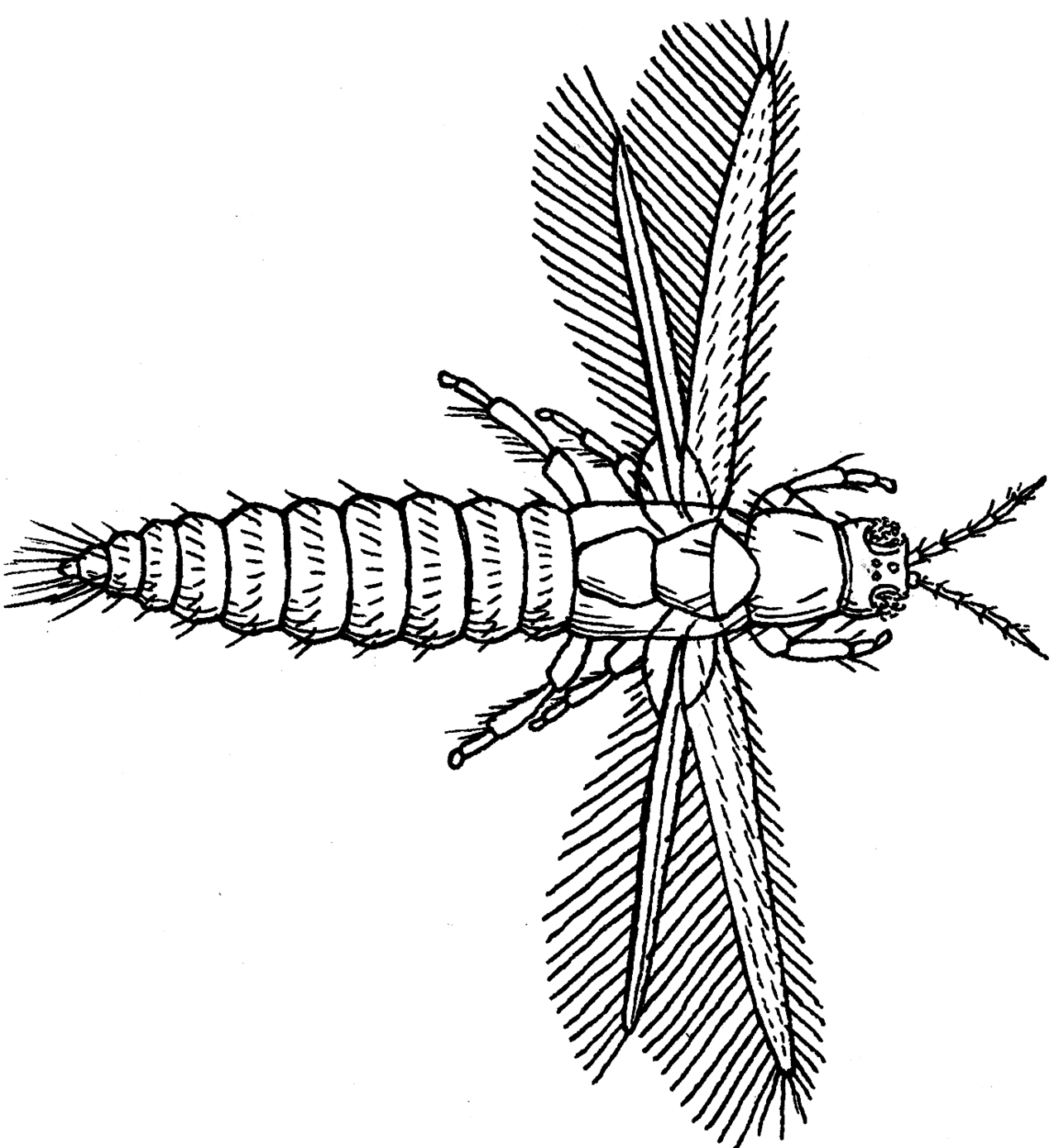
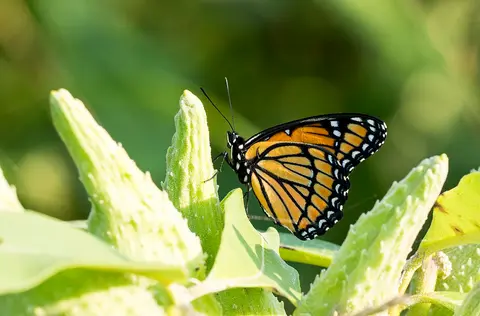
Small insects fly in odd ways. Thrips, tiny insects with feathery wings, use a trick called clap and fling. They clap their wings together and pull them apart, which makes whirls of air that lift them. Unlike birds, small insects are carried along by the wind, and aphids can be moved long distances on high air currents. Some large insects migrate, such as monarch butterflies.
On the ground, most adult insects walk with an alternating tripod gait. Three legs stay on the ground, forming a stable triangle, while the other three move forward. Then they swap. Cockroaches and ants have been studied closely, and cockroaches are among the fastest insect runners.
Many insects live in water. Water beetles and water bugs have paddle-shaped legs. Young dragonflies shoot water out of their rear end to jet forward. Water striders walk on the surface, because their claws sit in grooves and never pierce the surface film. Ocean skaters even live on the open sea.
How do insects talk, glow and work as a team?
Insects communicate in many ways. Chemical signals are the most common. are scents that attract mates, mark trails or warn of danger, and social insects use them constantly.
Some insects use sound. Crickets rub their wings together to attract mates, in a process called stridulation. Cicadas are the loudest. One African cicada was measured at 106.7 decibels from 50 cm away. Many moths hear bats, and some give out ultrasonic clicks that warn the bats they taste bad. Researchers have found that one tiger moth, a palatable one, uses clicks to jam bat sonar. A lot of insects also send signals as vibrations through plants and soil.
A few insects make light. Fireflies, which are beetles, flash to attract mates. Some fireflies copy the flashes of another species to lure and eat the males. Cave-dwelling glow-worm larvae in New Zealand and Australia glow to lure small flying insects into sticky silk threads.
Some insects live in huge, organised colonies. Ants, termites and many bees and wasps are . Only a queen reproduces, and the workers do the rest. Honey bees can tell nestmates where food is using a waggle dance. The angle of the dance shows the direction relative to the Sun, and the length shows the distance. A colony can behave almost like one animal, so it is sometimes called a superorganism.
How do insects survive, and why do ecosystems need them?
Most insects are small and soft-bodied, so nearly everything wants to eat them. They have developed many defences. Stick insects look like twigs. Some beetles and weevils blend into the plants where they feed. Hoverflies copy the stripes of wasps, which is called Batesian , to fool predators into thinking they sting. Poisonous insects often look alike, which is called Müllerian mimicry, so predators learn the warning quickly. Monarch butterfly caterpillars store poisons from the plants they eat and advertise it with bright colours. Some ground beetles spray chemicals from their abdomen with great accuracy.
Insects do vital work in nature. Dung beetles bury and recycle animal waste. Termites change the soil around their nests. Many beetles are scavengers. Insects are responsible for much of the process that makes topsoil. They are also food for birds, bats, frogs, fish and many other animals.
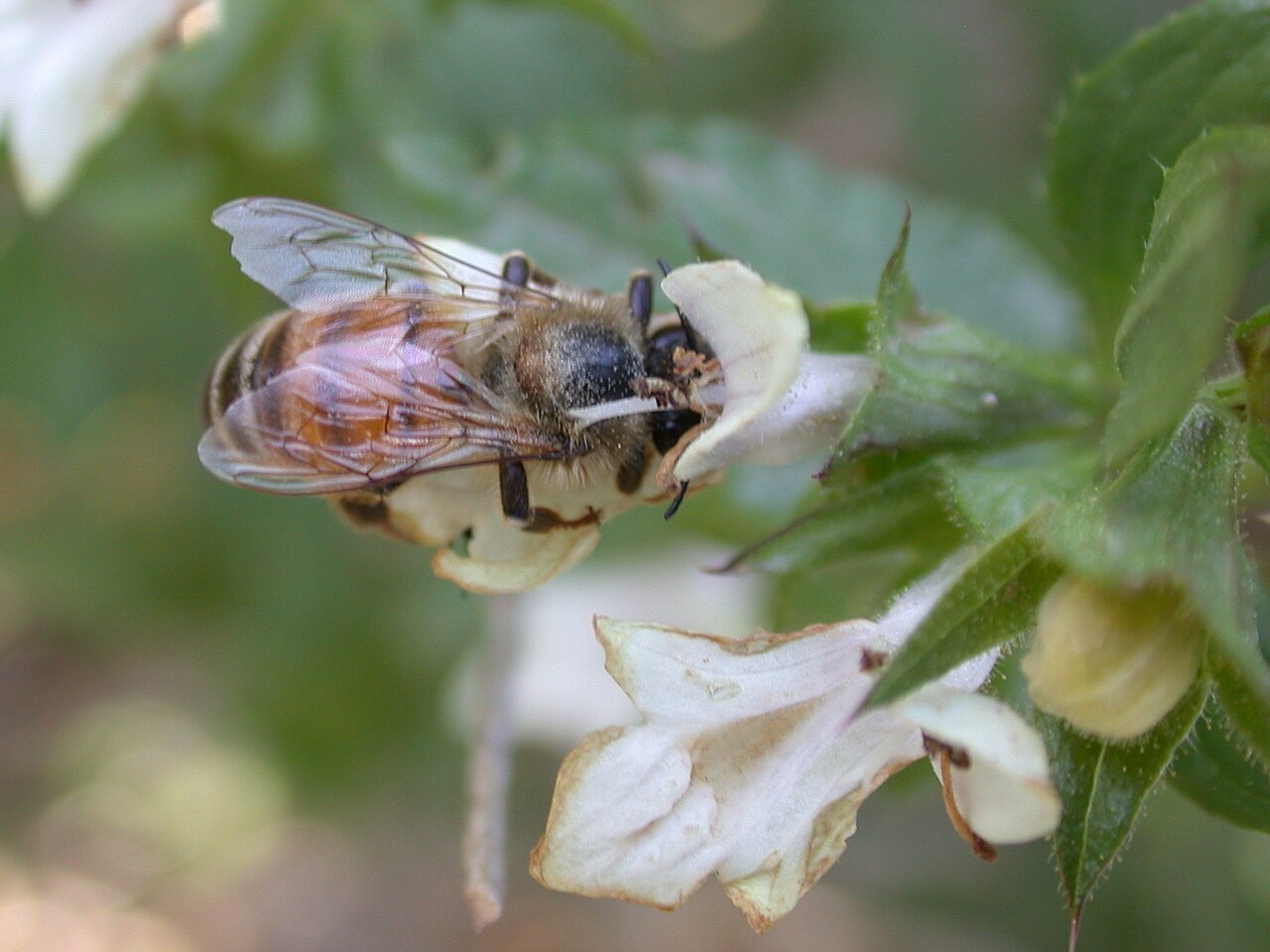
The greatest job of all is . Pollen has to move between flowers for most flowering plants to make seeds, and most of that moving is done by insects such as bees, butterflies, flies and beetles. The insects get sugary nectar in return, so both sides gain, which is called a mutualism. Flowers have evolved bright colours and scents to attract them.
Some insects are parasites, living on other animals. The largest group are parasitoid wasps, which lay eggs in other insects. They are very important in keeping insect numbers in check.
Are insects friends, pests or both?
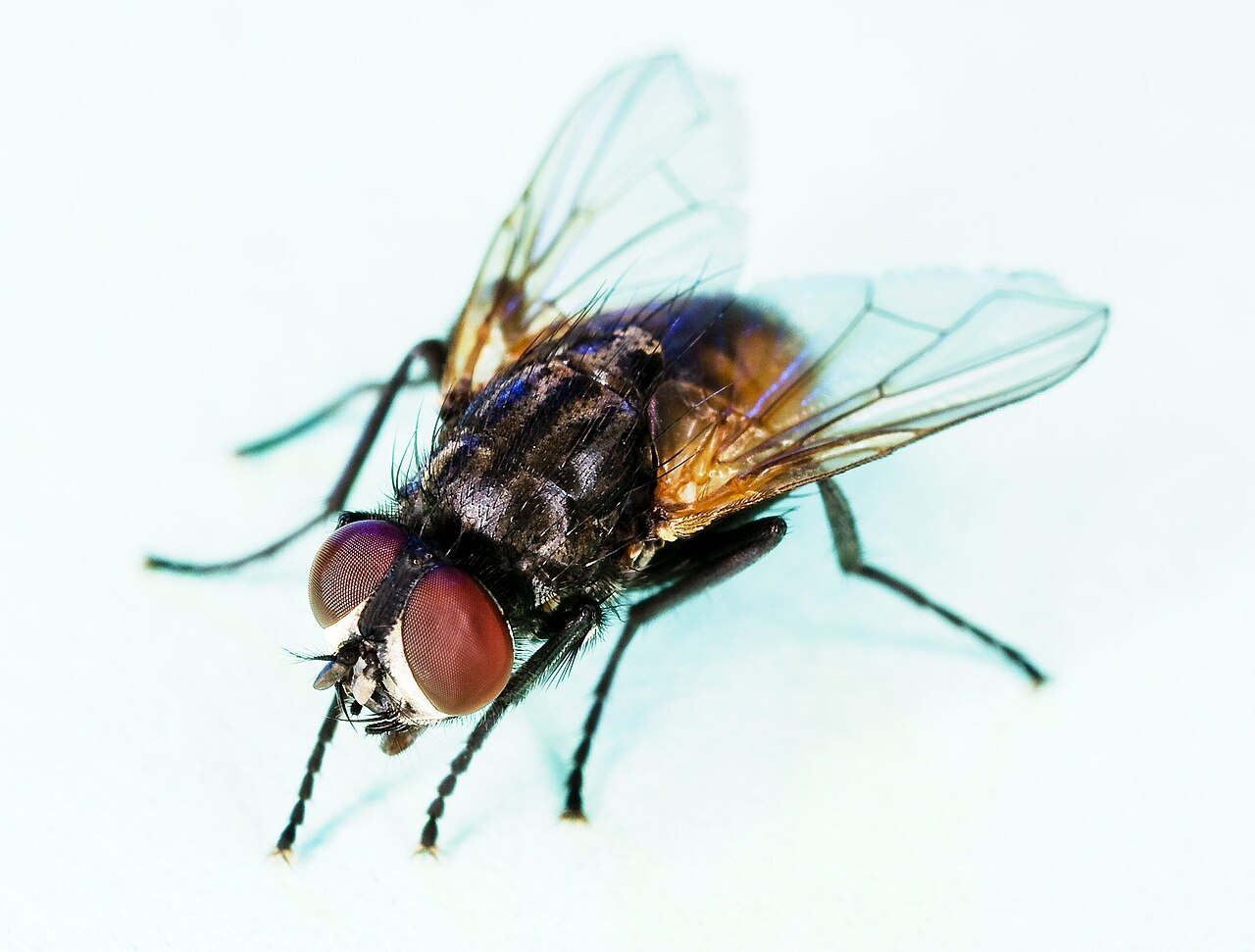
Insects can be both. Some bite or sting, such as lice, bed bugs and fleas. Mosquitoes spread diseases, and termites eat wooden buildings. Locusts, aphids and thrips destroy crops, and weevils spoil stored grain. Farmers have long used chemical insecticides, but these can harm other wildlife far from the target. So many now prefer biological control, which uses one living thing to keep a pest in check. Ladybirds, for example, eat aphids.
Other insects are very useful. Insect of crops and fruit trees was valued in 2021 at about 34 billion US dollars a year in the United States alone. Honey bees have been kept for thousands of years, and beekeeping in pottery vessels began about 9,000 years ago in North Africa. The silkworm gave us silk, and silk trade linked China to the rest of the world. In some hospitals, maggots are still used to clean wounds. Fruit flies are model animals in genetics, and their genome was sequenced in 2000.
People in roughly 80% of the world's nations eat insects, and locusts and termites are common foods in Africa. The United Nations says insects could become a major source of protein.
But insects are declining. At least 66 species are known to have died out since 1500. A 2020 review of 166 long-term surveys suggested that land insects are dropping by about 9% per decade. The causes include farming, building, pesticides, artificial light and invasive species.
Explore Next
Your audio story keeps playing while you look around.
Words to Know
- compound eye
- An eye made of many tiny lenses, as in most insects.
- eusocial
- Living in a large colony with a queen and workers.
- exoskeleton
- A hard outer skeleton, as insects and other arthropods have.
- larva
- The young, feeding stage of an insect with complete metamorphosis.
- metamorphosis
- The big change of body shape as a young insect becomes an adult.
- mimicry
- When one species copies the look of another to stay safe.
- pheromone
- A chemical signal that one animal gives off to affect another.
- pollination
- Moving pollen between flowers so plants can make seeds.
- pupa
- The stage in which a larva is rebuilt into an adult.
- spiracle
- A tiny opening in an insect's body that lets air in.
- thorax
- The middle part of an insect's body, which carries the legs and wings.