Chemistry
The science of what everything is made of and how it changes.
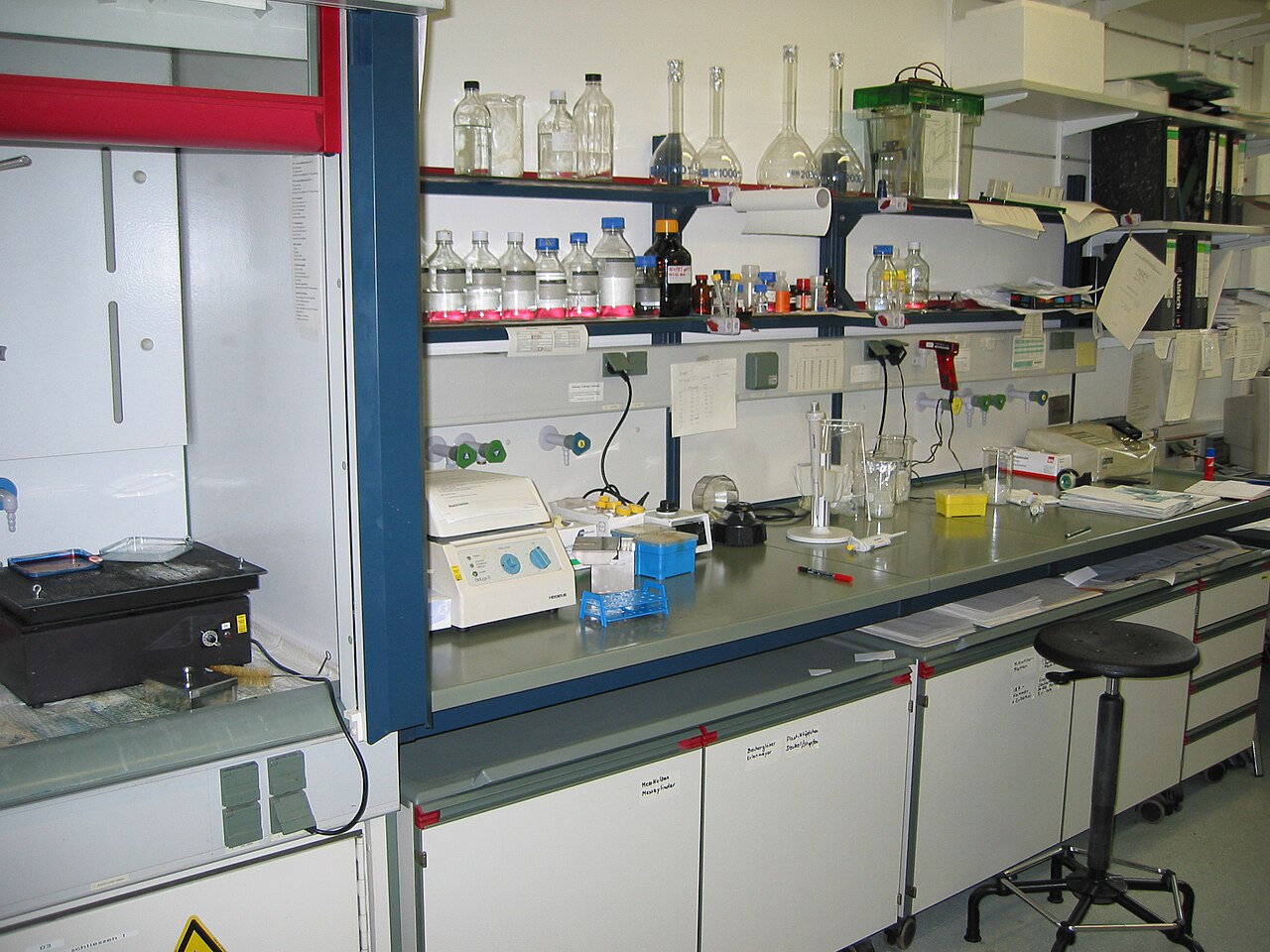
Chemistry is the study of matter. Matter is everything that takes up space and has mass. Air, water, rock, sugar and your own body are all matter. Chemists ask what these things are made of. They ask how the tiny parts are joined and how one substance can turn into another. The answers explain why bread rises, why iron rusts and how medicines work. Chemistry is often called the central science. This is because biology, geology and physics all lean on it. It grew out of ancient crafts and the strange art of alchemy. Today it shapes almost everything we make and use.
Why is chemistry called the central science?
Chemistry is the study of matter and the changes it goes through. Matter is anything that takes up space and is made of particles. Chemists look at what things are made of and how the parts fit together. They also study what happens when things meet.
Chemistry sits at the centre because so many other sciences depend on it. Botany uses it to explain how plants grow. Geology uses it to explain how rocks such as granite form. Ecologists use it to see how ozone forms in the sky and how pollution breaks down. Drug scientists use it to learn how a medicine works in the body. Forensic scientists use it to collect DNA at a crime scene. Scientists even use chemistry to study the soil on the Moon.
Chemistry also sits between physics and biology. Physics explains the tiny particles and forces underneath. Biology deals with living things, which run on . Chemistry links the two by explaining how particles join up.
The word has a surprising history. It comes from , an older set of practices that mixed early chemistry with metalwork, magic and medicine. Alchemy is best known for the dream of turning lead into gold. The word reached Europe from Arabic. It may trace back to a very old name for Egypt.
Who first thought of atoms?
People were using chemistry long before they had a word for it. Thousands of years BC, early civilisations were already getting metals out of rock. They made pottery, brewed beer and wine, and turned animal fat into soap. They also made glass and mixed metals into alloys such as bronze. The Egyptians, Babylonians and Indians gathered a great deal of practical knowledge. But they did not build a general theory to explain it.
The first big attempts at explanation came from ancient Greece. Aristotle taught that everything was a of four , which were fire, air, earth and water. This idea lasted for about 2,000 years, even though it was wrong.
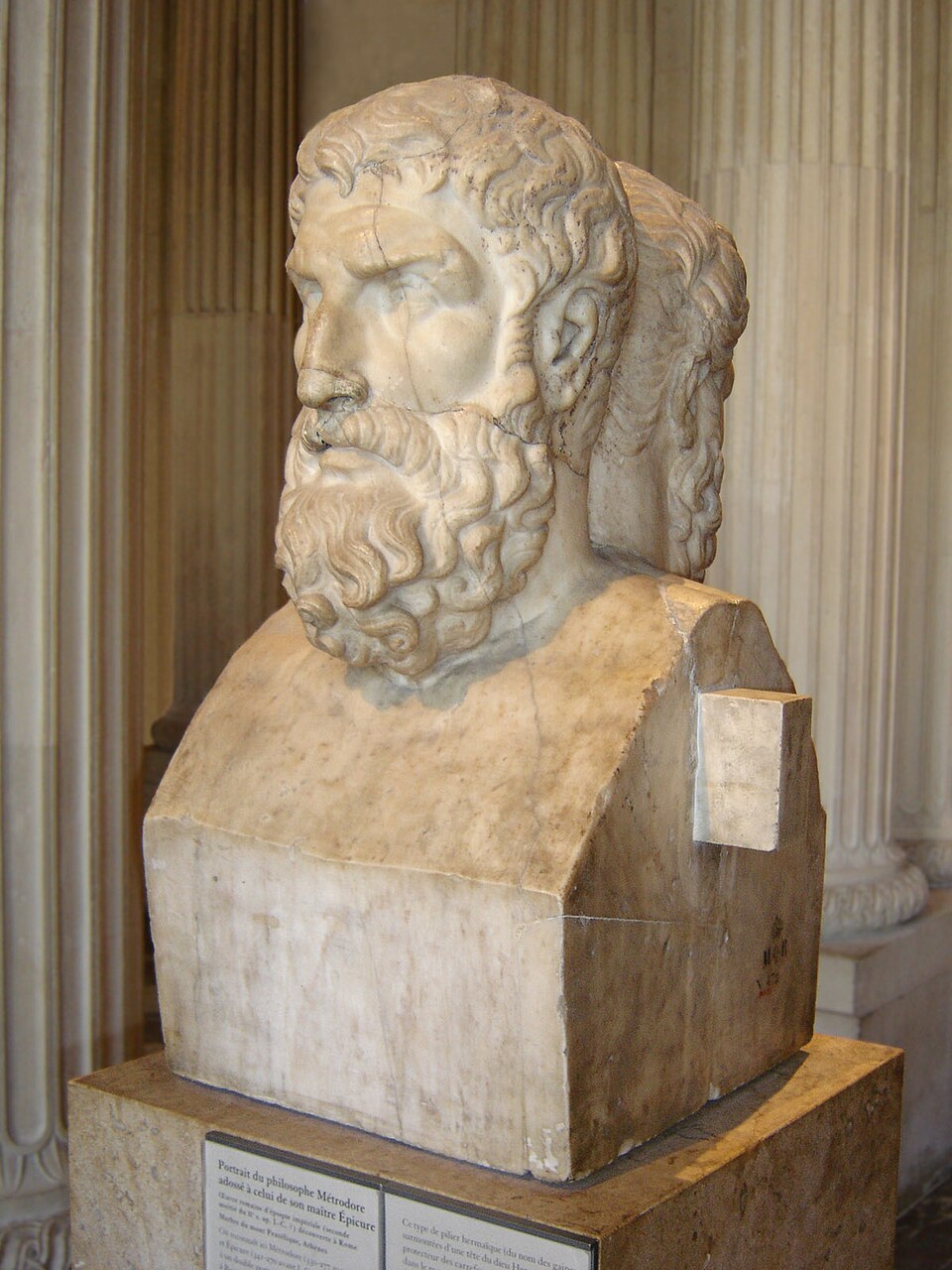
Around 440 BC a different idea appeared. Philosophers such as Democritus said that matter is made of tiny pieces that cannot be cut into anything smaller. The word comes from this thought. Epicurus later adopted the idea. In about 50 BC the Roman poet Lucretius wrote about atoms in a long poem called On the Nature of Things.
There was a catch. Greek atomism was pure philosophy. These thinkers argued about what must be true. But they did not run experiments to test it. Some also wrote that nothing can come from nothing, an early hint of the idea that matter is never simply lost. Real evidence for atoms would take more than 2,000 years to arrive.
How did alchemy turn into chemistry?
mixed experiments with magic. It spread through the Greek-speaking world. Its followers hoped to turn other metals into gold. They also hoped to find an elixir that gave eternal life. They never managed either. Even so, they built useful skills. Zosimos of Panopolis, who lived in the 4th century, was famed for distillation. Distillation means boiling a liquid and collecting the vapour as it cools.
Alchemy later grew in the Arab world. It reached Europe in Latin translations. Writings credited to Jabir ibn Hayyan put substances into groups. Muslim scholars such as al-Biruni and Avicenna argued against turning one metal into another. In 1556 Georg Agricola published a book on mining and smelting ores. It left out the magic and kept to real methods.
Real science took over in the 1600s. Robert Boyle in England rejected the four . He said matter was made of tiny particles. He wanted to test this with experiments. He also found the law linking the pressure and volume of a gas.
Then came Antoine Lavoisier in France. He showed that burning needs a gas from the air. This ended the old phlogiston idea, which said fire released a hidden substance. Lavoisier also showed that mass is conserved in a reaction, so nothing is lost. To prove this he weighed everything with great care. That habit of careful measuring is what set chemistry apart from alchemy.
What is everything made of?
The is the basic unit of chemistry. In the early 1800s the English scientist John Dalton gave the modern version of the idea. Each , he said, is made of its own kind of atom with its own weight. Atoms are far too small to see. But we now know they have a clear structure.
At the centre sits the nucleus, which is packed with positive protons and neutral neutrons. Around it is a cloud of tiny negative electrons. A neutral atom has equal numbers of protons and electrons, so the charges cancel. The nucleus is very dense. But the whole atom is 10,000 to 100,000 times wider than its nucleus. Most of an atom is empty space and moving electrons. J.J. Thomson discovered the electron in 1897. Ernest Rutherford later found the nucleus and the proton.
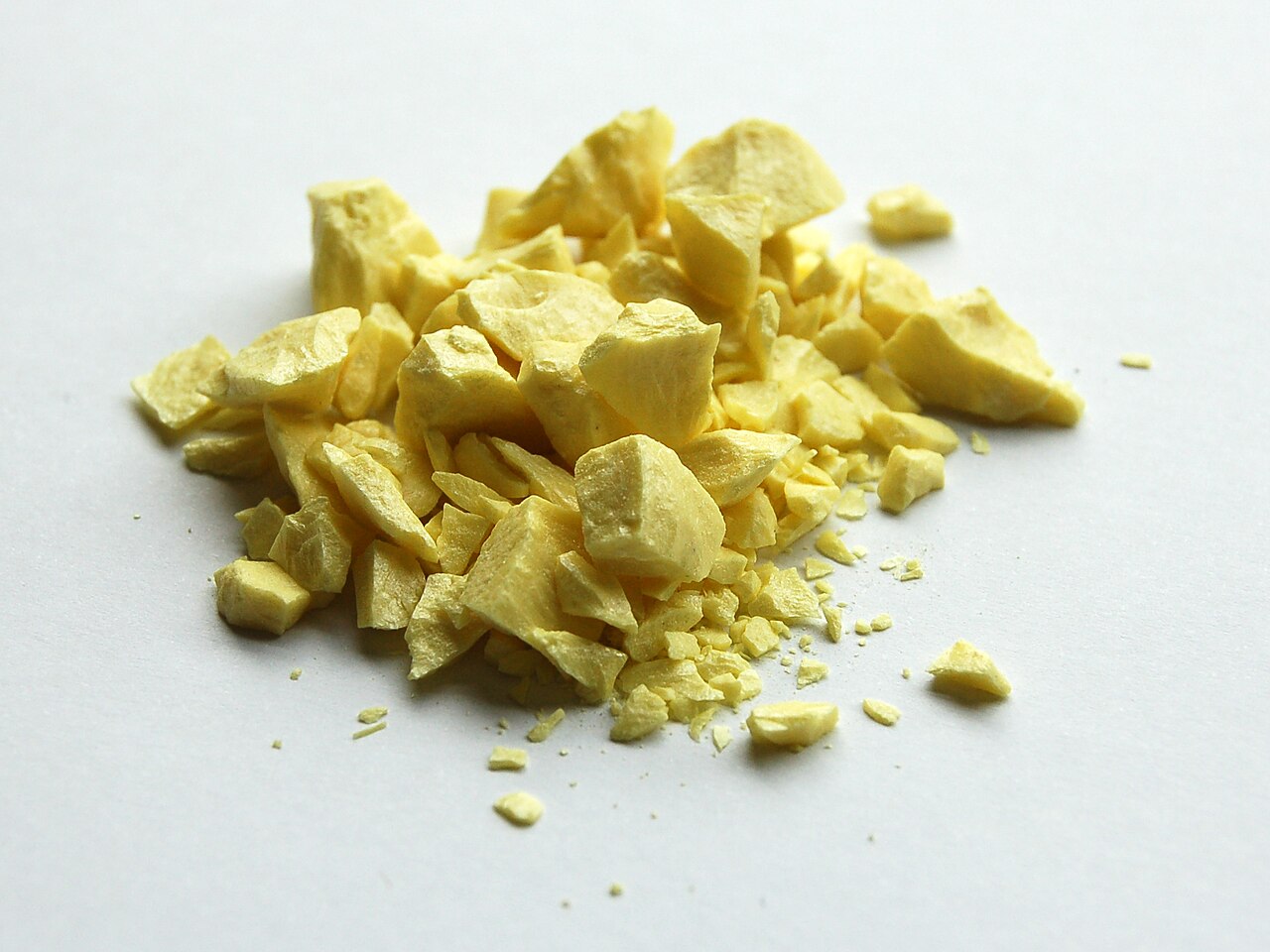
An element is a pure substance made of only one kind of atom. What sets the kind is the number of protons in the nucleus. Every atom with 6 protons is carbon, for example. Atoms of one element can differ in their neutrons. Carbon atoms often have 12 or 13 particles in the nucleus. These versions are called . Sulphur is an element you can hold in your hand.
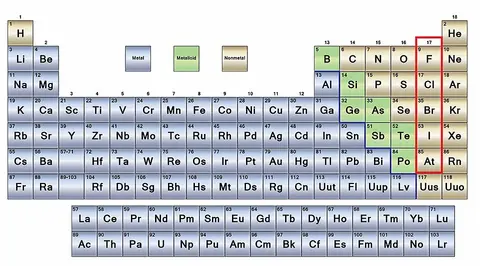
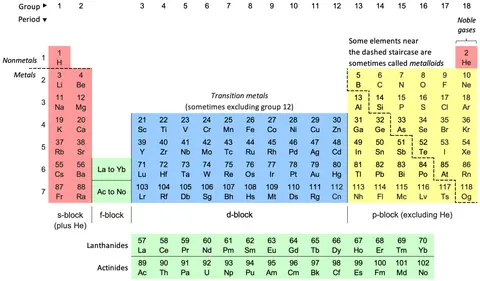
The lists all the elements in order of how many protons they have. In the 1860s Dmitri Mendeleev and others noticed that elements fell into repeating patterns. The rows are called periods and the columns are called groups. Elements in the same group behave in similar ways. The table even let chemists predict elements that nobody had found yet.
How do atoms make molecules, compounds and mixtures?
rarely stay alone. Only the noble gases, which are helium, neon, argon, krypton, xenon and radon, normally exist as single atoms. Most other atoms join together.
A is a pure substance made of more than one . Its properties can look nothing like those of its parts. Water is a good example. It is made from hydrogen and oxygen, which are both gases. Yet water is a liquid that puts out fires.
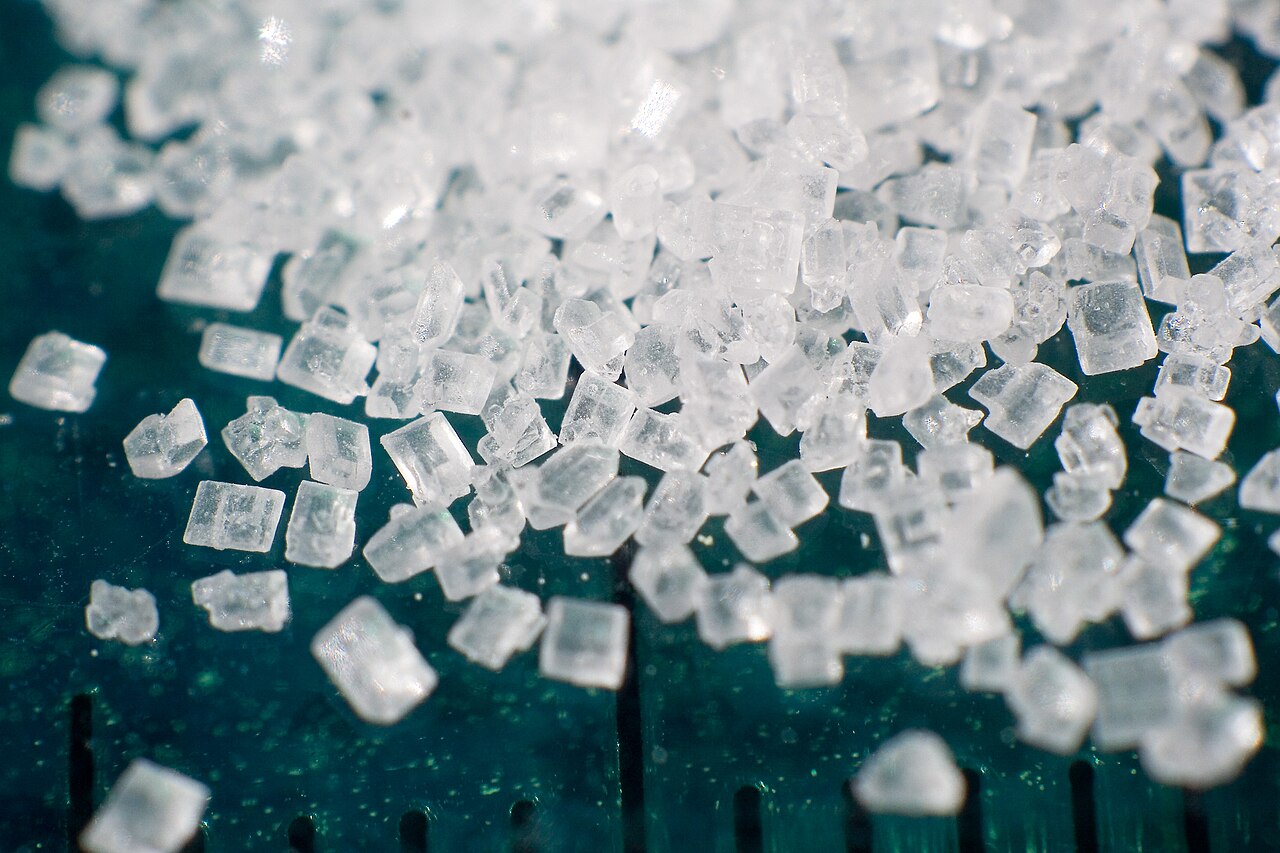
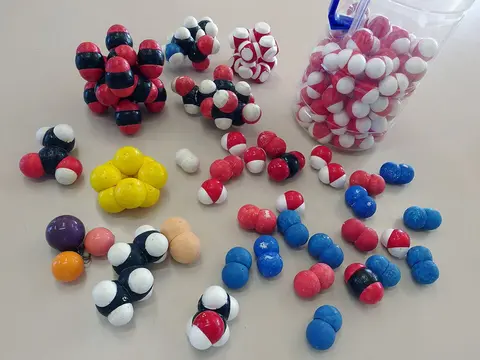
A is a group of atoms held tightly together as one unit, with no overall electric charge. Water, sugar, alcohol, petrol and many medicines are all made of molecules. The shape of a molecule matters a great deal, especially for big ones with many atoms. The shape decides how the molecule behaves. A sugar crystal is made of countless identical sugar molecules packed together in a neat pattern.
Not everything is made of molecules, though. Table salt, diamond, metals, quartz and granite are built from huge repeating networks of atoms or . Most of the rock in Earth's crust is like this. Chemists describe such substances by their smallest repeating unit instead of a molecule.
A is different from a compound. In a mixture, substances are simply together and are not joined. Air is a mixture of gases. Bronze is a mixture of metals called an alloy. Mixtures can be separated again by methods such as distillation.
Chemists also need a way to count atoms. A mole is a huge fixed number of particles, called the Avogadro constant. It lets them work with amounts they can weigh.
What holds atoms together?
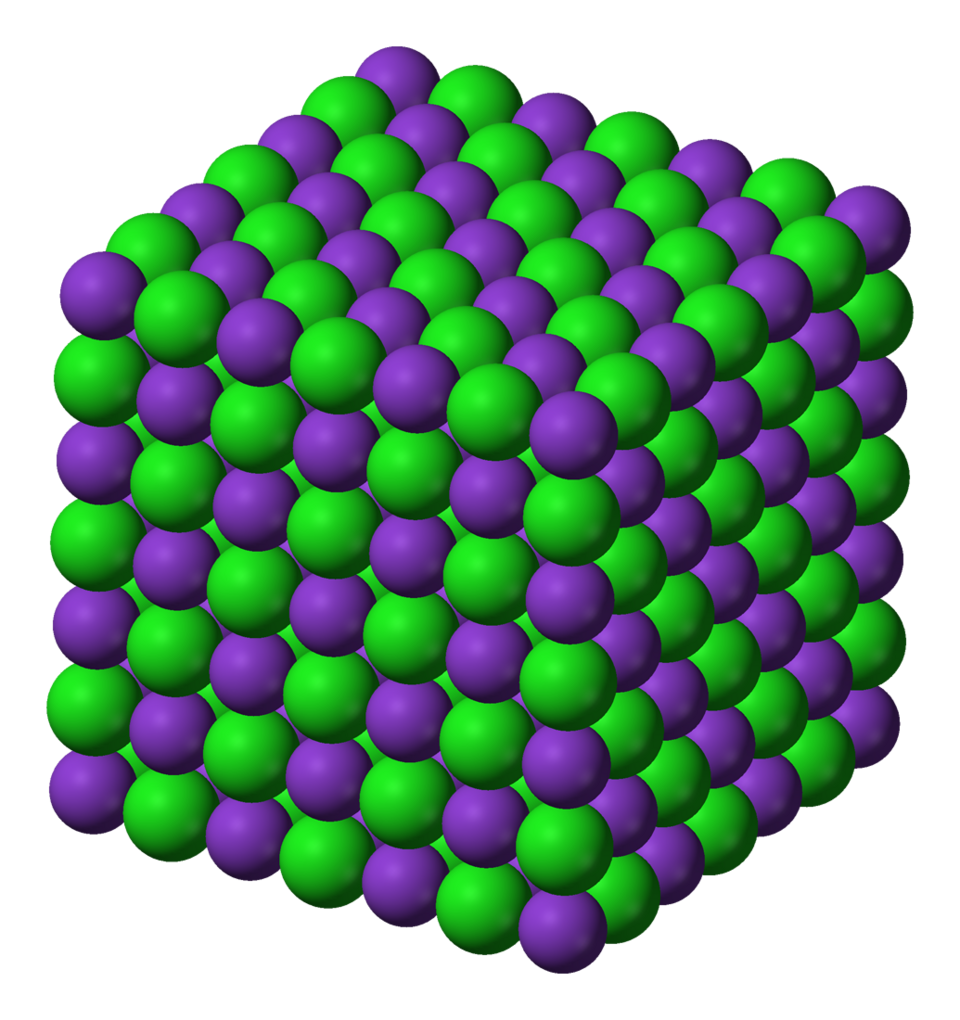
stick together by . A bond comes from the pull between the positive nuclei and the negative electrons of neighbouring atoms. The electrons on the outside of an atom do the important work. So chemists focus on them.
There are two main kinds of strong bond. In an ionic bond, one atom hands electrons to another. Take sodium, a soft and very reactive metal. A sodium atom gives away one electron and becomes a positive . Chlorine, a poisonous gas, takes that electron and becomes a negative ion. An ion is an atom with an electric charge. This is because it has gained or lost electrons. Opposite charges attract, so the two ions cling together. The result is sodium chloride, which is the table salt on your dinner. Millions of ions line up in a regular crystal pattern called a lattice.
In a covalent bond, two atoms share electrons instead. The shared pair holds them together. A group of atoms joined this way is a . Many atoms are most stable when their outer shell has 8 electrons, like the noble gases. This is called the octet rule. Hydrogen is an exception, because it is stable with just 2.
Weaker forces matter too. Hydrogen bonds help explain why water is a liquid at room temperature. A similar molecule, hydrogen sulphide, has weaker forces between its molecules, so it is a gas.
All of chemistry comes down to this. When substances react, bonds between atoms break and new ones form.
Why are some things solid, liquid or gas?
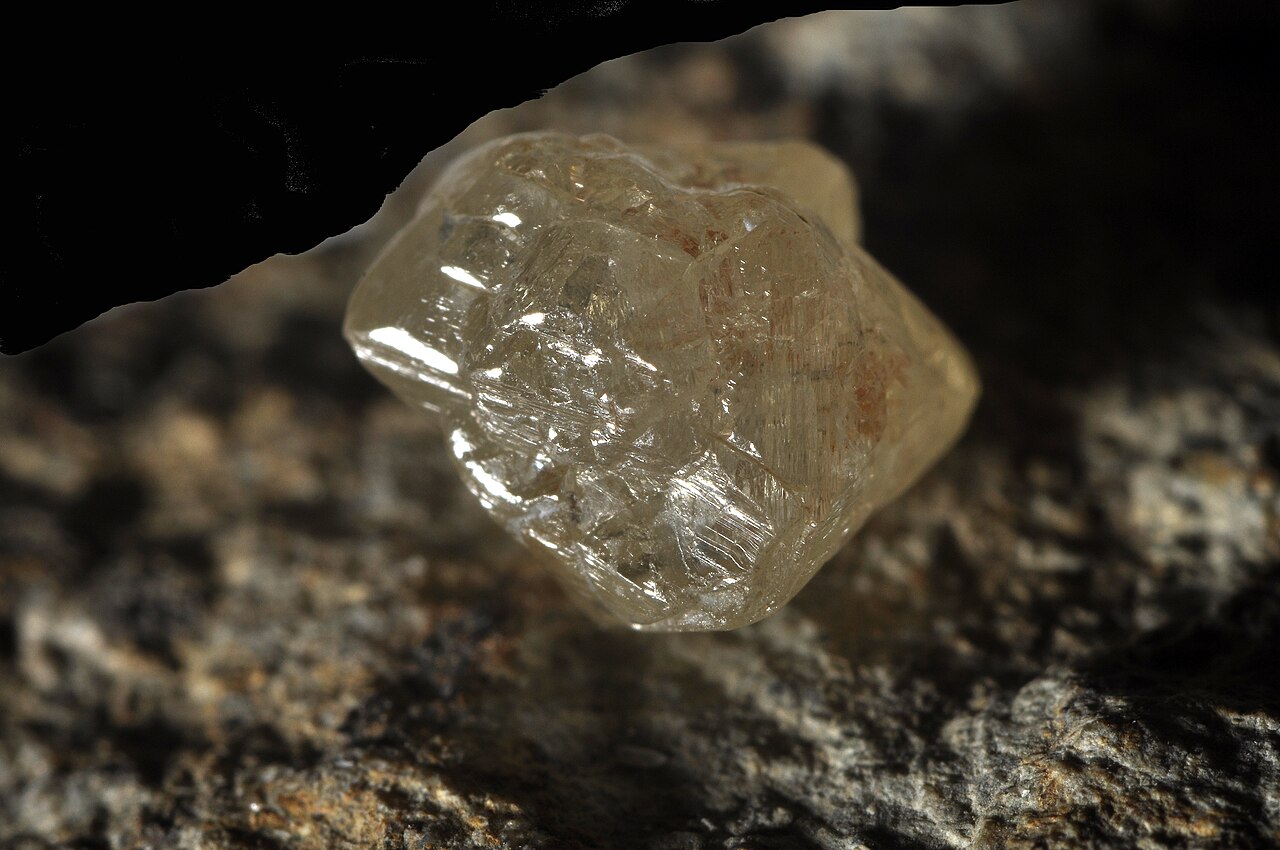
A phase is a form that matter takes under certain conditions of heat and pressure. The three most familiar phases are solid, liquid and gas. In a solid, the particles are locked in place. In a liquid, they slide past each other. In a gas, they fly about freely.
The phase depends on a contest between heat and attraction. The particles pull on each other. If there is not enough heat to beat that pull, the substance stays solid or liquid. Add more heat and the particles break free. Water is a liquid at room temperature because of its hydrogen bonds. Sometimes the energy goes into rearranging the particles and does not raise the temperature. That is a phase change, such as ice melting.
Phases are more varied than three. Many substances have several solid forms. Iron has three, called alpha, gamma and delta, which depend on temperature and pressure. In each form the are packed in a different pattern. Carbon shows how much the pattern matters. Diamond is carbon with its atoms locked in a rigid network. It is one of the hardest natural materials.
Chemists also study stranger phases. Plasma is a gas so hot that its atoms have lost their electrons. Stars are made mostly of plasma. Other odd phases, such as Bose-Einstein condensates, appear only in extreme experiments. A common phase in labs is the aqueous phase, which means dissolved in water.
What happens in a chemical reaction?
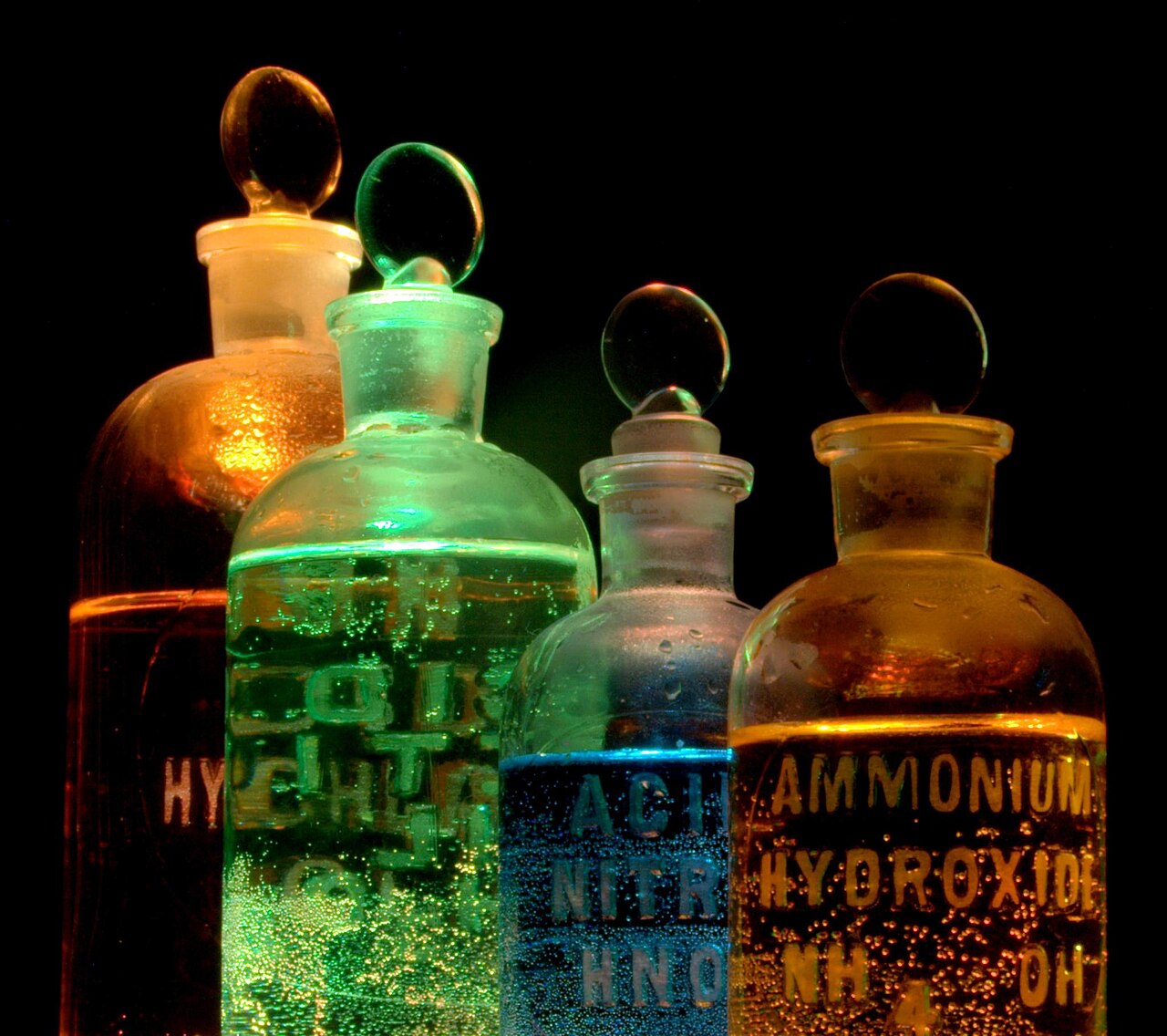
A turns one set of substances into different ones. are not made or destroyed. They are rearranged. Bonds in the starting substances, called reactants, break. New bonds form to make the products. A chemical equation records this. The number of each kind of atom is the same on both sides. This is the law of conservation of mass that Lavoisier proved.
Every reaction involves energy. Some release heat or light, and these are called exothermic. Burning is the obvious case. Others soak up heat from their surroundings, and these are endothermic. Even exothermic reactions usually need a push to start. The energy needed is called the . It can come from heat, light, electricity or even sound waves. A match needs striking before it burns. Raising the temperature generally makes reactions faster. This is because more particles have enough energy to get over the barrier.
Chemists group reactions into families. In acid-base reactions, an acid gives away a hydrogen and a base accepts it. The pH scale measures how acidic a liquid is. A low pH means more acidic. In redox reactions, electrons move from one substance to another. Rusting is one example. The step by step path a reaction follows is called its mechanism.
Some reactions never fully finish. At equilibrium the amounts stop changing. Yet the keep reacting in both directions at the same speed. That is why it is called dynamic.
Reactions that change the nucleus, such as radioactive decay, are not chemical reactions. They belong to nuclear chemistry.
What do chemists do today?
Chemists work in laboratories, but glassware is not needed for everything. Much chemistry happens in factories, in fields and on computers. Pure chemistry looks for basic principles. Applied chemistry uses that knowledge to solve real problems, such as making a new material.
The field has many branches. Organic chemistry studies built on carbon, including the of life. Inorganic chemistry looks at metals and minerals. Physical chemistry looks at the energy and speed of reactions. Biochemistry looks at reactions inside living things.
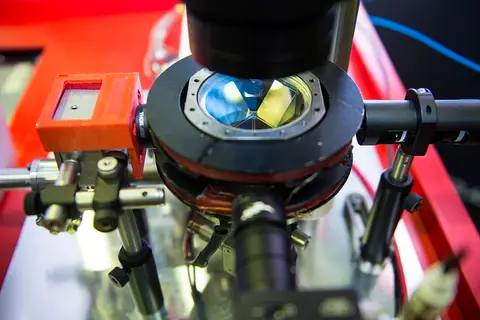
Analytical chemistry works out what a sample contains. One tool is spectroscopy, which reads the light a substance gives off. Astronomers use it to find out what stars are made of. Nuclear chemistry grew from the work of Marie and Pierre Curie, Rutherford and Otto Hahn, who discovered nuclear fission.
Theoretical chemists use quantum mechanics, the physics of the very small, to predict how molecules act. Since the Second World War, computers have made this a big field called computational chemistry.
Chemistry is also big business. In 2025 the world's 50 biggest chemical companies sold goods worth about 966 billion US dollars, close to a trillion. Their products include fuels, plastics, fertilisers and medicines.
The United Nations named 2011 the International Year of Chemistry. Chemists now work on cleaner energy and on ways to cut pollution. The central science still has many questions left.
Explore Next
Your audio story keeps playing while you look around.
Words to Know
- activation energy
- The energy a reaction needs to get started.
- alchemy
- An old practice that mixed early chemistry with magic and philosophy.
- atom
- The smallest unit of an element, made of a nucleus and electrons.
- chemical bond
- The attraction that holds atoms together in molecules and crystals.
- chemical reaction
- A change in which substances are turned into different substances.
- compound
- A pure substance made of more than one element joined together.
- element
- A pure substance made of only one kind of atom.
- ion
- An atom or molecule with an electric charge because it has gained or lost electrons.
- isotope
- A version of an element with a different number of neutrons.
- mixture
- Two or more substances together but not chemically joined.
- molecule
- A group of atoms joined by shared electrons into one neutral unit.
- periodic table
- A chart that lists the elements in order of their number of protons.