Hydrogen
The lightest element in the universe, and the fuel that powers the stars.
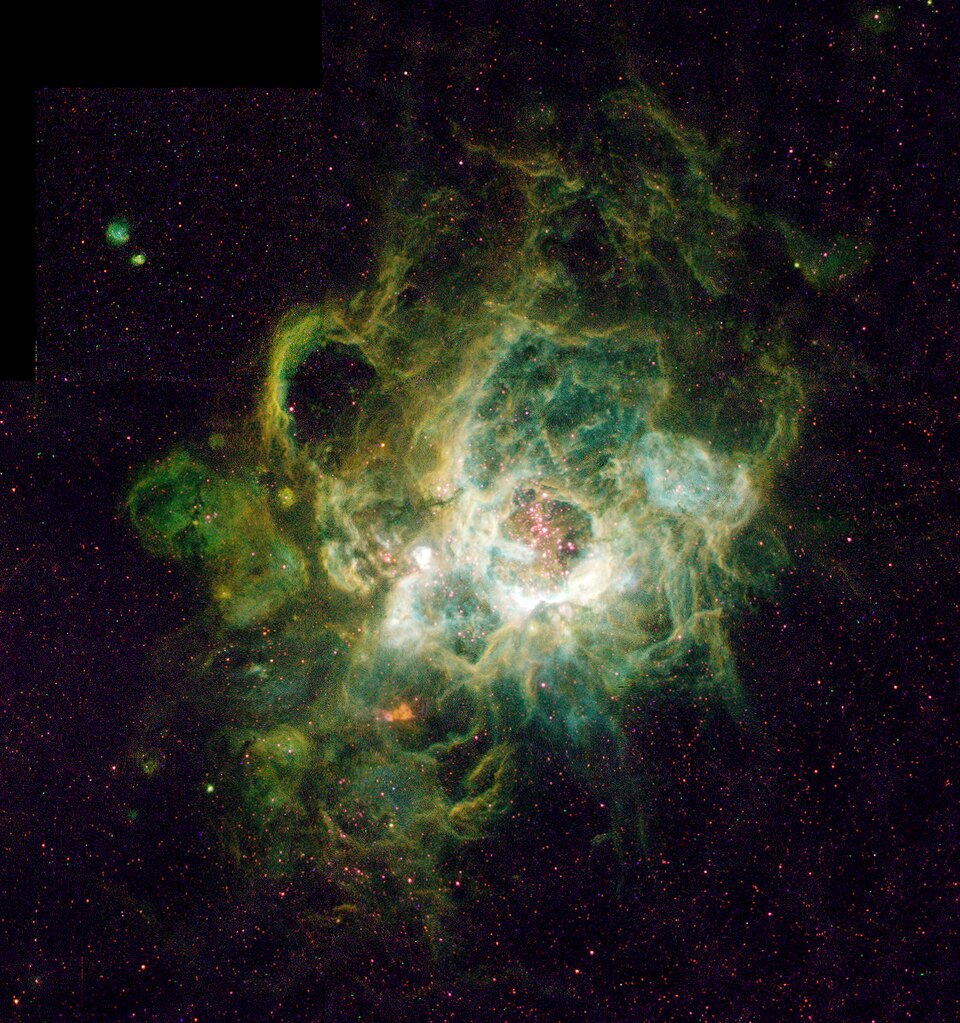
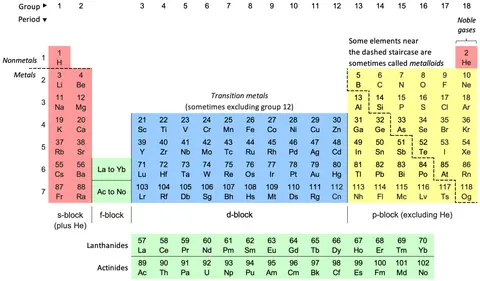
Hydrogen is the first element in the periodic table and the simplest atom there is. Each hydrogen atom has one proton and one electron, and nothing else. Yet this tiny atom makes up about three quarters of all the normal matter in the universe. It powers the Sun, fills the giant planets and sits inside every drop of water on Earth. On our own planet, hydrogen is usually a light, invisible gas that burns with a hot flame you can hardly see. People have used it to lift airships, launch spacecraft and make the fertiliser that helps to grow our food.
What makes hydrogen so special?
Every is defined by the number of protons in its atoms. Hydrogen has only one, so it sits at number 1 in the periodic table. Its most common form has a single proton in the middle and a single electron whizzing around it. It is the only atom with no neutrons at all in its usual form. That makes hydrogen the lightest and simplest of all the elements.
On Earth, hydrogen atoms rarely stay alone. Two of them pair up to make a called dihydrogen, written H2. This is the gas most people mean when they say hydrogen. It has no colour, no smell and no taste. It is also extremely light. A balloon full of hydrogen weighs only about 7% as much as the same balloon full of air, which is why it floats upwards so strongly.
Hydrogen is also very good at joining with other atoms. It teams up with oxygen to make water. It joins with carbon to make the huge family of compounds that living things are built from. Because it is so simple, scientists used it to test their ideas about how atoms work. The colours of light that hydrogen gives off and absorbs helped to launch quantum mechanics, the science of the very small.
Where did all the hydrogen come from?
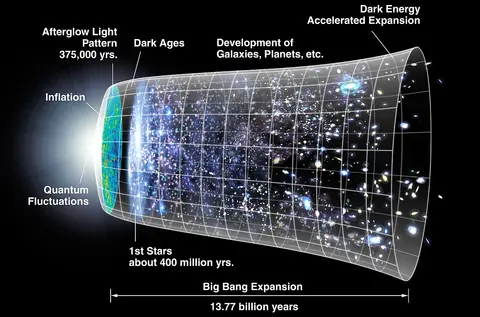
Hydrogen is almost as old as time itself. In the first second after the Big Bang, the universe was an extremely hot soup of particles, and protons were already forming. A proton is the nucleus of a hydrogen atom. At first it was far too hot for electrons to stay attached. About 380,000 years later, the universe had expanded and cooled enough for electrons to settle around protons. The first complete hydrogen atoms were born.
Those atoms drifted into huge clouds. Gravity pulled the clouds together into clumps, and the clumps became stars. Stars are still made mostly of hydrogen today. Inside a star, the heat and pressure are so great that hydrogen nuclei crash together and fuse into helium. This releases enormous amounts of energy, and it is the reason the Sun shines. The sunlight warming your face comes from hydrogen fusing deep inside our star.
Hydrogen is also the main ingredient of gas giant planets such as Jupiter. Deep inside Jupiter the pressure is so crushing that scientists think hydrogen turns into a metal that can carry electricity. Out in space, great clouds of hydrogen still wait to form the stars of the future. Hydrogen is so common that more than 90 out of every 100 atoms in the universe are hydrogen atoms.
Who discovered hydrogen?
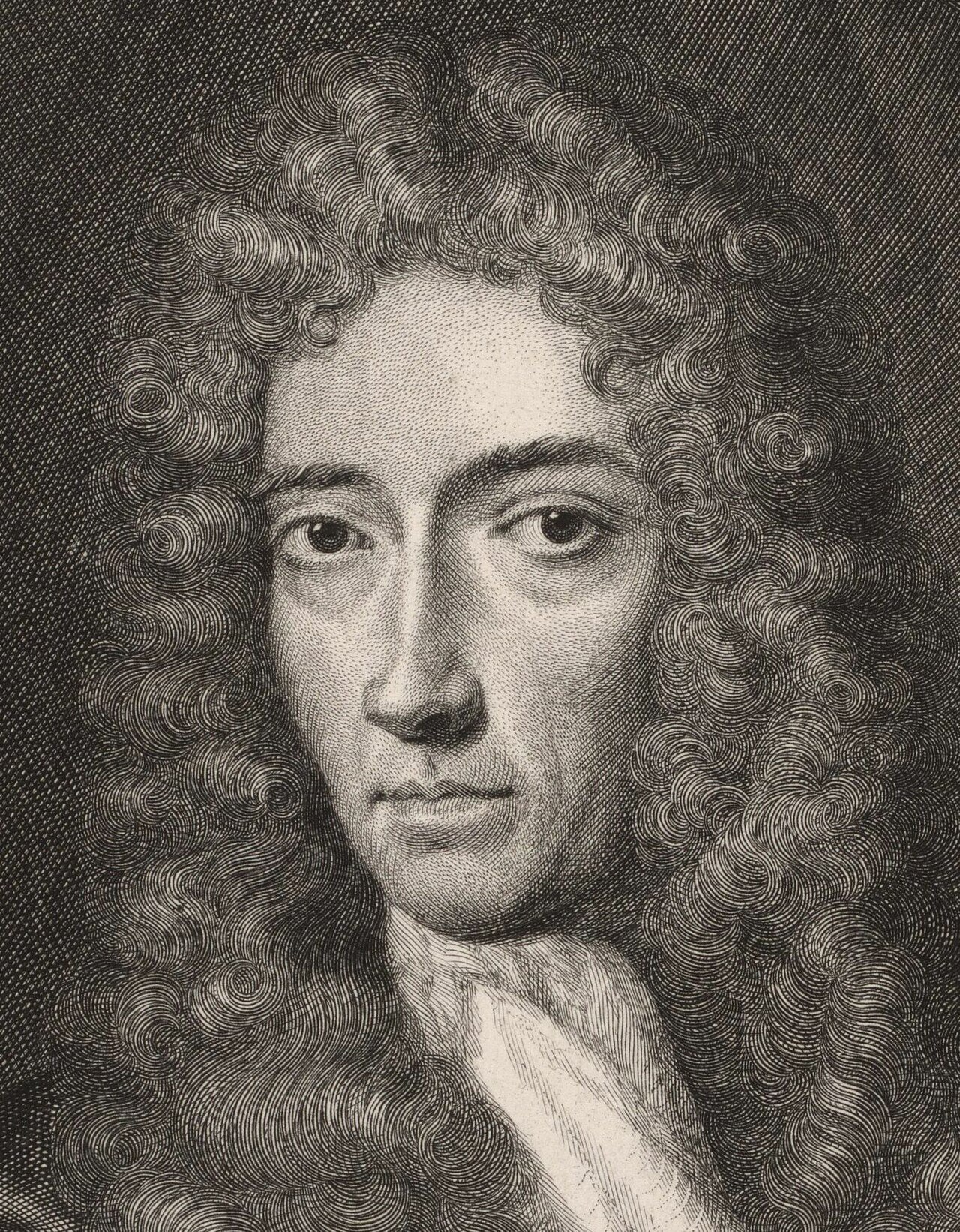
People were making hydrogen long before anyone understood it. In 1671, the Irish scientist Robert Boyle poured dilute onto iron filings and saw a gas bubble off. He described the reaction, but he did not notice that the gas could burn.
The breakthrough came in 1766, when the English scientist Henry Cavendish collected the gas from reactions between metals and acids. He showed that it was a separate substance and not ordinary air. He called it "inflammable air" because it caught fire so easily. In 1781 he found that burning it produced water. This was a shock, because people had believed for centuries that water was a basic substance that could not be split.
The French chemist Antoine Lavoisier repeated Cavendish's work in 1783 and understood what it meant. Water was not a basic substance at all. It was a compound of two different things. Lavoisier gave the new the name hydrogen, which means water-former. He also made hydrogen by passing steam over hot iron, which showed that water could be taken apart as well as built up.
Cavendish is usually given the credit for discovering hydrogen as an element. Lavoisier gave it its name and its place in modern chemistry.
Why do hydrogen's isotopes have their own names?
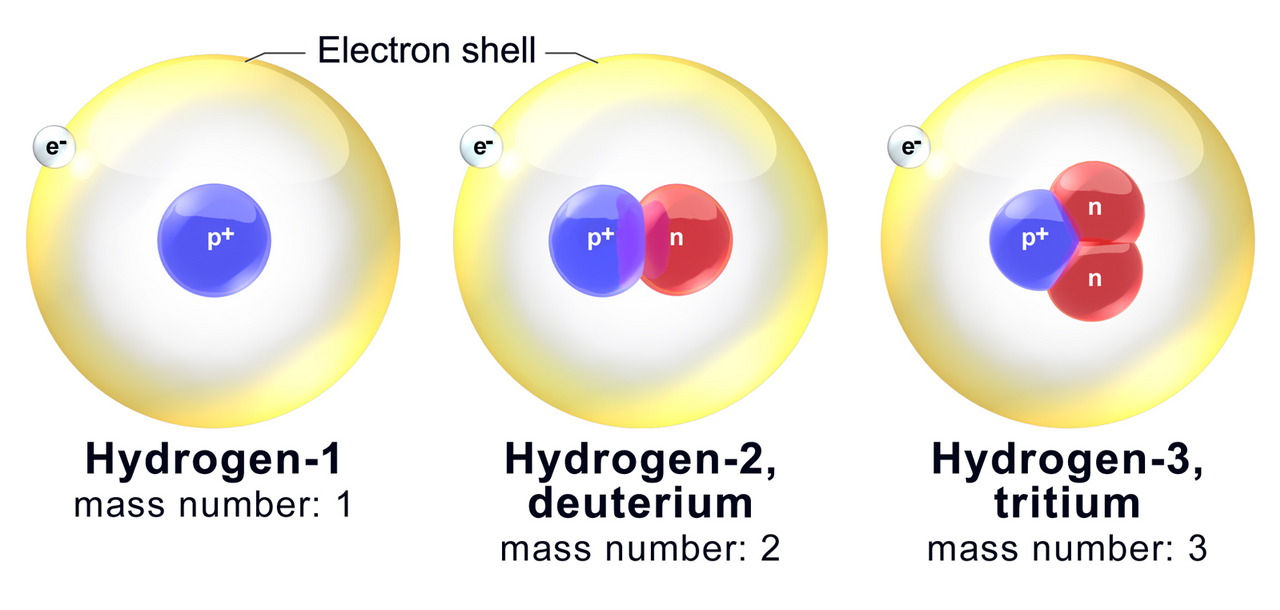
Not every hydrogen atom is the same. All of them have one proton, but they can differ in how many neutrons sit in the nucleus. Atoms of the same with different numbers of neutrons are called . Hydrogen has three that occur naturally.
The most common is protium, which has no neutrons. More than 99.98% of hydrogen is protium. has one neutron and is not radioactive. Water made with deuterium is called heavy water, and nuclear reactors use it to slow down neutrons. Deuterium is also a possible fuel for future fusion power stations. Most of the deuterium in the universe is thought to date back to the Big Bang.
has two neutrons and is radioactive. Over about 12 years, half of any sample of tritium changes into helium. Its faint radiation can make special paint glow, so it has been used on watch hands and emergency signs. Tiny amounts form naturally when cosmic rays from space strike the air.
Hydrogen is the only element whose isotopes have everyday names of their own. The reason is that the neutron makes such a big difference when the atom is so light. Adding one neutron doubles the mass of a hydrogen nucleus. Adding two triples it. Deuterium was discovered by Harold Urey in 1931, and tritium was made in 1934.
Why does hydrogen matter so much in chemistry?
Hydrogen is the secret behind . A hydrogen atom that loses its electron is left as a bare proton, written H+. An acid is a substance that releases these hydrogen ions when it dissolves in water. The more H+ ions there are, the stronger the acid. Lemon juice, vinegar and the acid in your stomach all work this way. In 1909 the Danish chemist Søren Sørensen invented the pH scale to measure it. Pure water has a pH of 7. Acids score lower and their opposites, called bases, score higher.
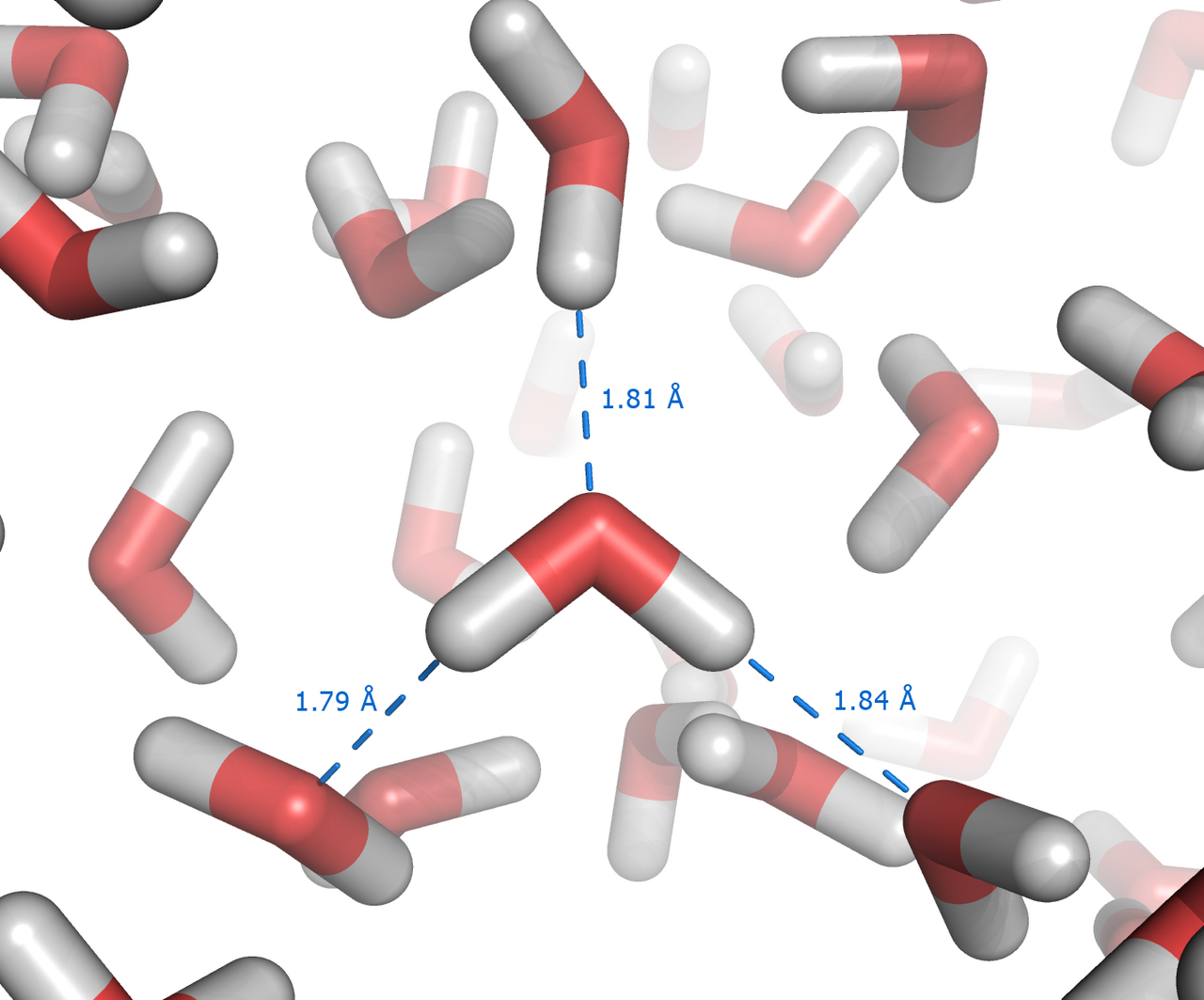
Hydrogen also makes a special kind of link called a . When hydrogen is joined to oxygen or nitrogen, it carries a slight positive charge. It is then pulled gently towards the oxygen or nitrogen atoms of nearby . A hydrogen bond is far weaker than a normal chemical bond, but there are enormous numbers of them. In water they hold the molecules together, which is why water is a liquid at room temperature. Similar molecules without them, such as hydrogen sulphide, are gases. Hydrogen bonds also make ice float, because they hold its molecules in an open pattern.
Inside every cell, hydrogen bonds hold the two strands of DNA together. They are strong enough to keep the strands paired but weak enough to unzip when a cell copies its DNA.
Hydrogen can join with metals too, making compounds called hydrides. Some metals, such as palladium, soak up hydrogen like a sponge.
How did hydrogen lift the first airships?
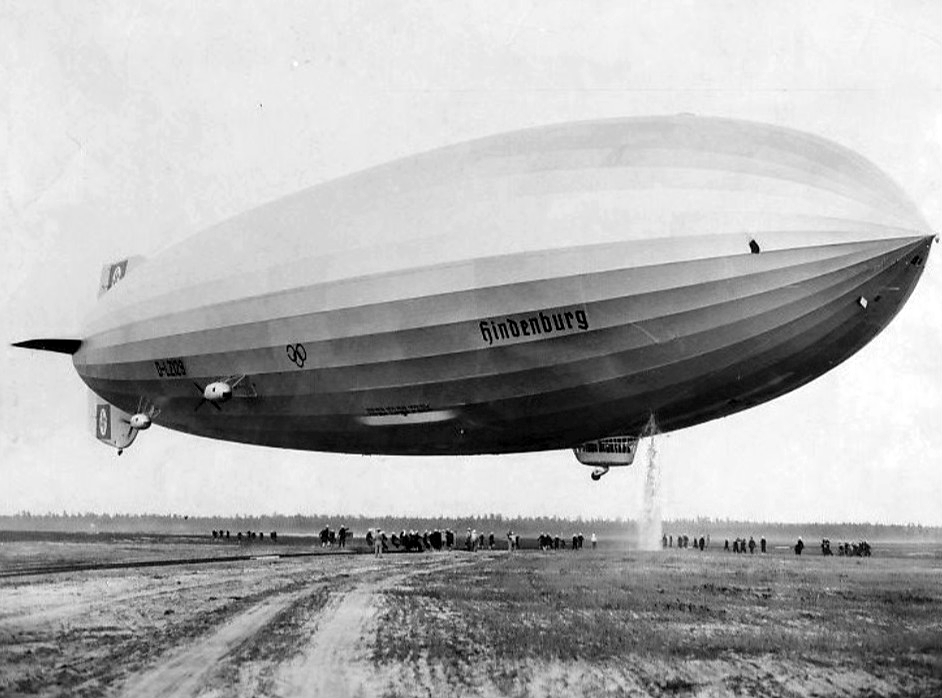
Because hydrogen is so light, people realised that a bag of it would float in air. The first hydrogen balloon flew in 1783, the same year Lavoisier named the gas. In 1852 came the first airship lifted by hydrogen. Unlike a balloon, an airship has engines and can be steered.
The German count Ferdinand von Zeppelin later promoted giant rigid airships with a stiff frame inside. The first of these flew in 1900. Regular passenger flights began in 1910, and by August 1914 these airships had carried 35,000 passengers without a serious accident. In 1919 the British airship R34 became the first aircraft to cross the Atlantic from east to west, a few weeks after Alcock and Brown made the first non-stop crossing by aeroplane. Passenger services grew again in the 1920s.
Then came disaster. On 6 May 1937 the German airship Hindenburg caught fire over New Jersey. The hydrogen inside was ignited, possibly by static electricity, and the ship burned in about half a minute. In all, 36 people died: 35 of the 97 people on board and 1 member of the ground crew. After this, hydrogen airships stopped carrying passengers for good.
Helium is a safer lifting gas because it cannot burn, but it costs more. Hydrogen is still used to fill weather balloons, which carry instruments into the sky instead of people.
How do we make hydrogen?
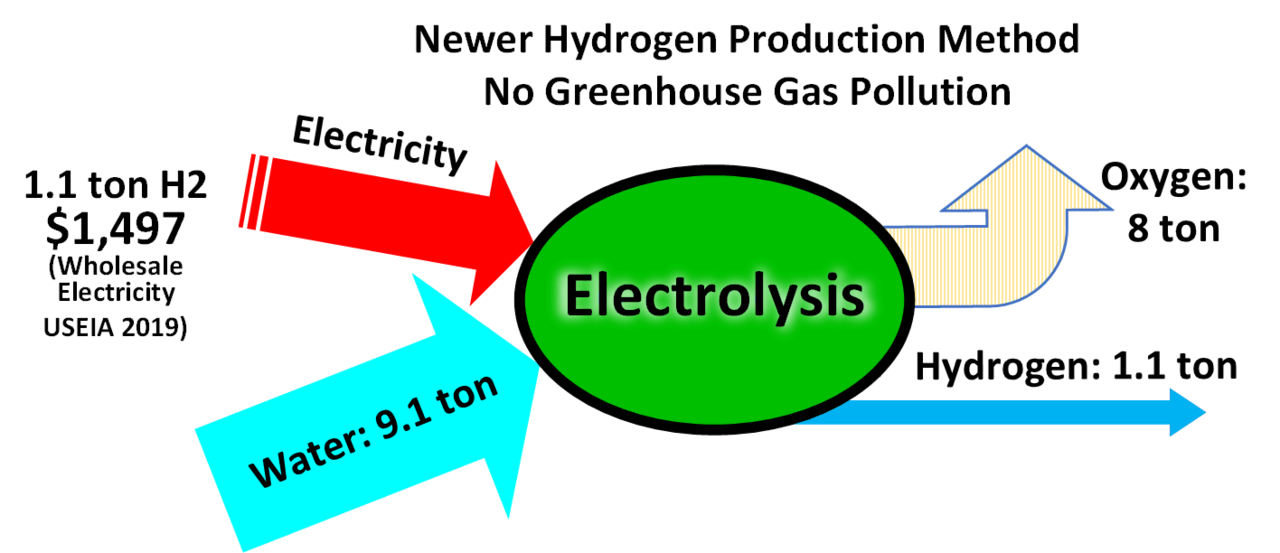
Hydrogen on Earth is almost always locked up inside other substances, so it has to be released. Nearly all of the hydrogen made today comes from fossil fuels. The main method is called steam reforming. Steam and natural gas, which is mostly methane, are heated to a very high temperature. The reaction produces hydrogen and carbon monoxide. This method releases a lot of carbon dioxide, the gas that is warming Earth's climate.
There is a cleaner way. uses electricity to split water into hydrogen and oxygen. Two electrodes dip into water, and a current flows between them. Bubbles of hydrogen form at one and oxygen at the other. If the electricity comes from wind, solar or other renewable sources, the result is called green hydrogen. At the moment, electrolysis costs more than making hydrogen from natural gas.
Nature makes hydrogen too. Some bacteria and algae have special enzymes, called hydrogenases, that release hydrogen gas. Microbes in the human gut do this as well, and a little hydrogen leaves your body in your breath. Doctors use this in breath tests. Some chemical reactions in rocks deep underground can also make hydrogen. Large deposits of hydrogen gas have been found in countries such as Mali, France and Australia. Nobody yet knows how much of it could be collected at a sensible cost.
What do we use hydrogen for?
The biggest use of hydrogen is making . Ammonia is the starting point for most fertilisers, which give crops the nitrogen they need to grow. Without it, farms could not feed as many people as they do today. Oil refineries also use huge amounts of hydrogen to remove sulphur from fuels and to break heavy oils into lighter ones. Food factories use it too. Hydrogen is added to liquid vegetable oils to make them firmer, as in margarine.
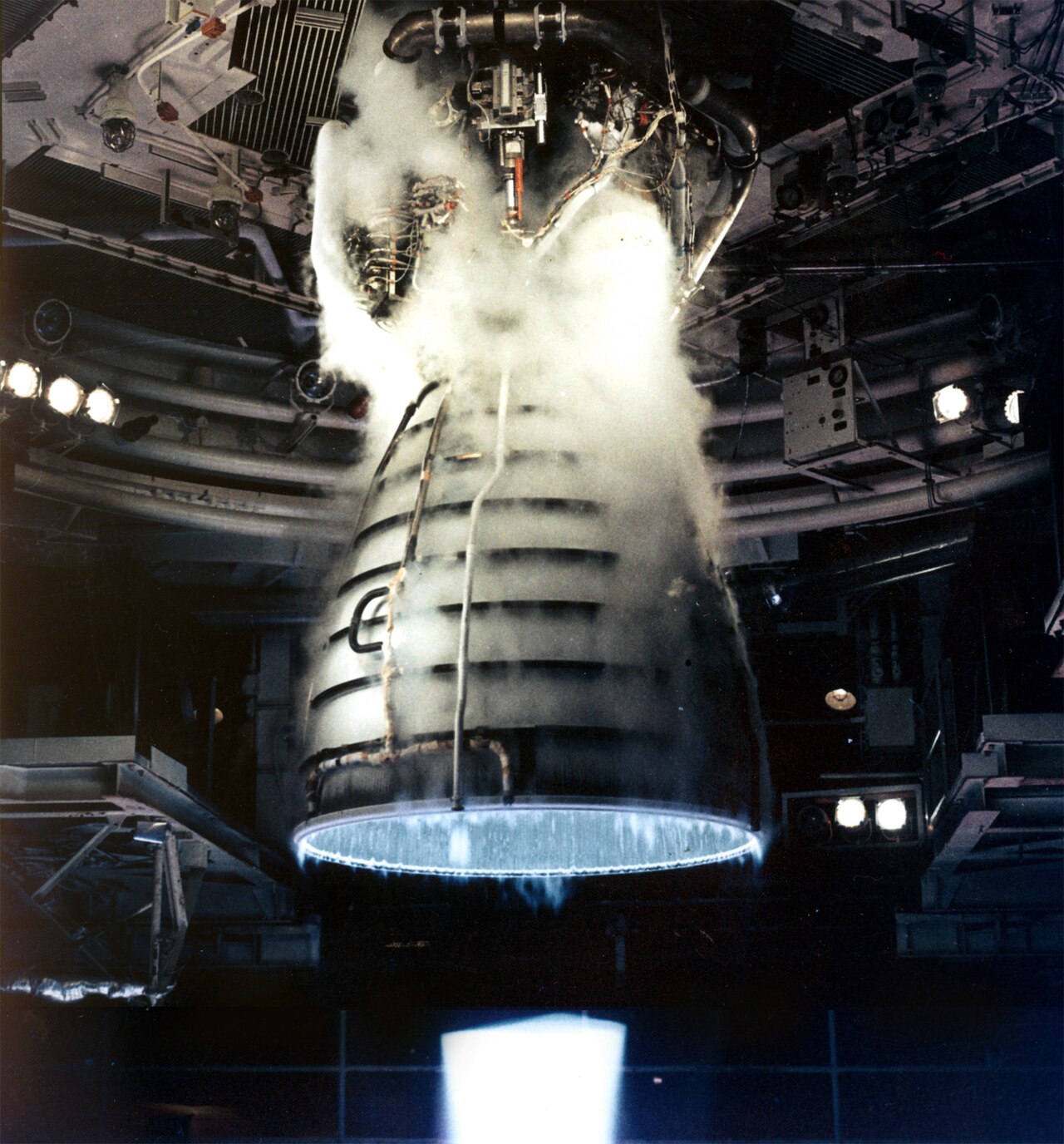
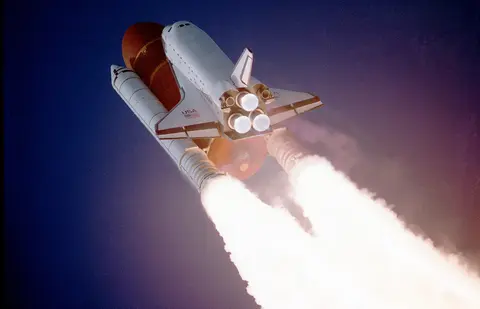
Hydrogen is also a superb rocket fuel. Liquid hydrogen burns with liquid oxygen to give a powerful push for its weight. The main engines of the Space Shuttle worked this way. Another space use is the nickel-hydrogen battery, which lasts for years and can be recharged again and again. The International Space Station used them until 2017 to 2021, when astronauts swapped them for lithium-ion batteries. So did the Hubble Space Telescope, whose original batteries lasted more than 19 years.
In a , hydrogen and oxygen combine to make electricity, with water as the only waste at the point of use. Fuel cells could help to power ships, planes and heavy industry, such as steel making, without burning coal. For ordinary cars, battery electric vehicles have so far been far more popular.
Hydrogen also cools large electricity generators, because it carries heat away well. Scientists use and in fusion research.
Is hydrogen the fuel of the future?
Hydrogen has real strengths as a fuel. It carries a lot of energy for its weight, and burning it gives out water instead of carbon dioxide. If it is made using clean electricity, it could replace fossil fuels in jobs that batteries cannot easily do. Surplus wind and solar power could be turned into hydrogen and stored until it is needed.
But hydrogen is difficult to handle. It is so light that a given amount of energy takes up a very large space. It can be squeezed into tanks, but squeezing costs energy. It can be cooled into a liquid, but only at about minus 253 degrees Celsius, so the tanks need heavy insulation. Hydrogen can also slip into metals and make them brittle, which can cause pipes and tanks to crack and leak.
Safety matters too. Hydrogen can catch fire when it makes up as little as 4% of the air around it. Its flame is almost invisible in daylight, so people can burn themselves without seeing the fire. Special detectors are used to spot hydrogen fires. Because the gas is so light, though, it rises quickly in open air and does not gather near the ground.
Making hydrogen cleanly and cheaply is the biggest hurdle. Engineers around the world are working on it. Whether hydrogen becomes a main fuel or stays a specialist one is still being decided.
Explore Next
Your audio story keeps playing while you look around.
Words to Know
- acid
- A substance that releases hydrogen ions when it dissolves in water. Strong acids can burn.
- ammonia
- A gas made of nitrogen and hydrogen that is used to make fertiliser.
- deuterium
- A form of hydrogen with one proton and one neutron in its nucleus.
- electrolysis
- Using electricity to split a compound into its parts, such as water into hydrogen and oxygen.
- element
- A substance made of only one kind of atom, such as hydrogen or oxygen.
- fuel cell
- A device that combines hydrogen and oxygen to make electricity, with water as the waste.
- hydrogen bond
- A weak pull between a hydrogen atom in one molecule and an oxygen or nitrogen atom in another.
- isotope
- A version of an element with the same number of protons but a different number of neutrons.
- molecule
- Two or more atoms joined together.
- nuclear fusion
- The joining of small atomic nuclei to make a bigger one, which releases energy.
- tritium
- A radioactive form of hydrogen with one proton and two neutrons.