International Space Station
A football-pitch-sized laboratory where people have lived above Earth for over 20 years.
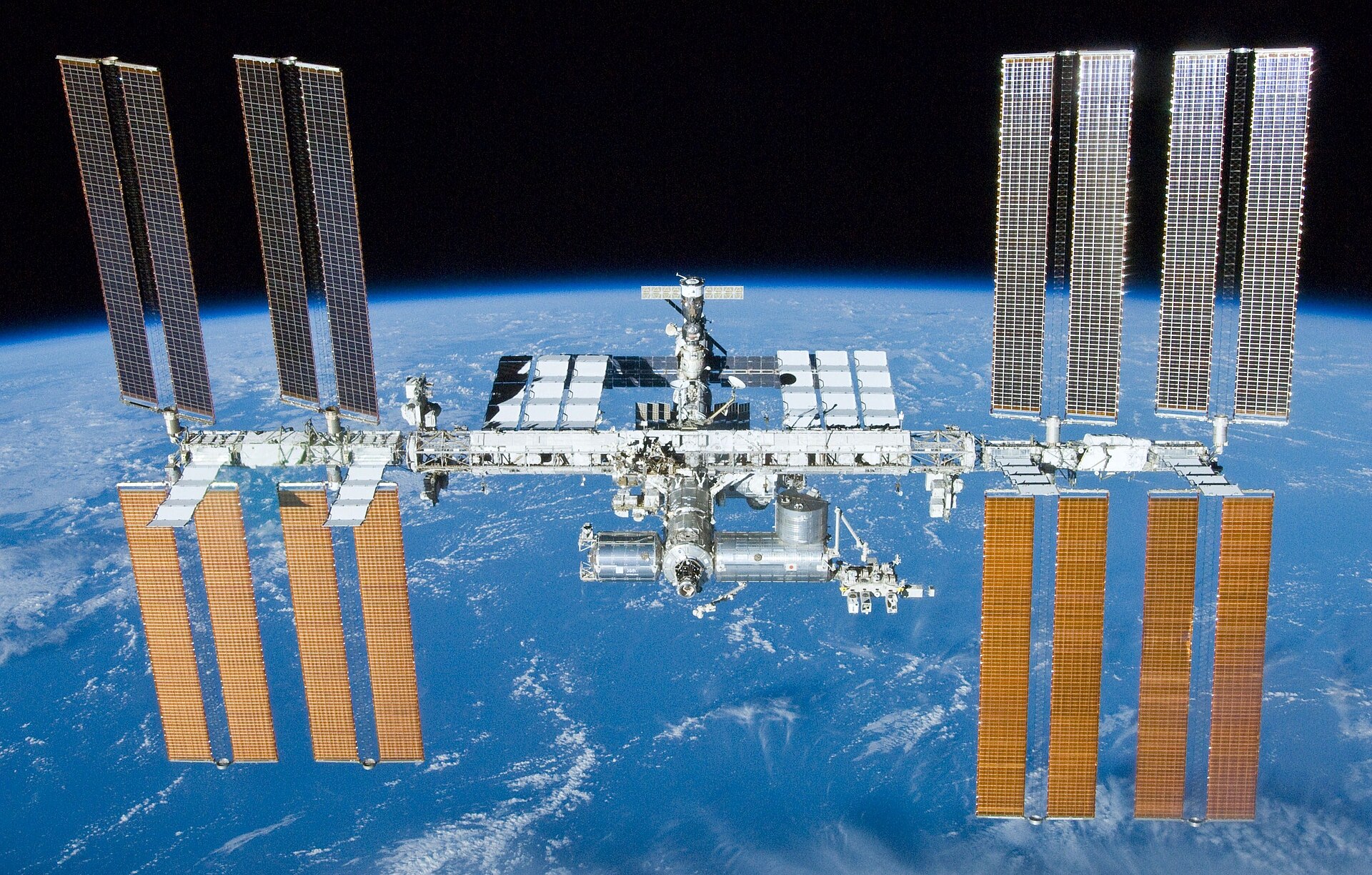
The International Space Station, or ISS, is a laboratory and home that circles the Earth about 400 kilometres up. It is the largest space station ever built. Five space agencies and fifteen countries built it together, piece by piece, over more than ten years. Astronauts from 26 countries have visited, and people have lived on board without a break since 2 November 2000. They float, exercise and carry out experiments that cannot be done on the ground. How do you build a home in space, and what do we learn from it? And what happens when it is time for the station to retire?
What is the International Space Station?
The International Space Station, or ISS, is a huge laboratory and home that circles the Earth. It is the largest space station ever built. People have lived on it without a break since 2 November 2000, which is the longest continuous human presence in space.
The station is made of many sections called . Some are living spaces, some are laboratories, and some store supplies. Giant solar panels on a long metal frame collect sunlight to make electricity. Flat radiators on the same frame get rid of extra heat. Including its solar panels, the station is about as wide as a football pitch.
The ISS flies in , about 400 kilometres above the ground. That is high enough to be above almost all of the air, but close enough for rockets to reach it often. It travels at about 28,000 kilometres per hour, so it circles the whole planet in roughly 93 minutes. That means the crew sees about 16 sunrises and 16 sunsets every day.
The station has eight ports where visiting spacecraft can dock or berth. Crews and cargo arrive on them all the time. The ISS is also split into two main parts. The Russian Orbital Segment was built by Russia. The US Orbital Segment was built by the United States, Europe, Japan and Canada together.
Why did countries build it together?
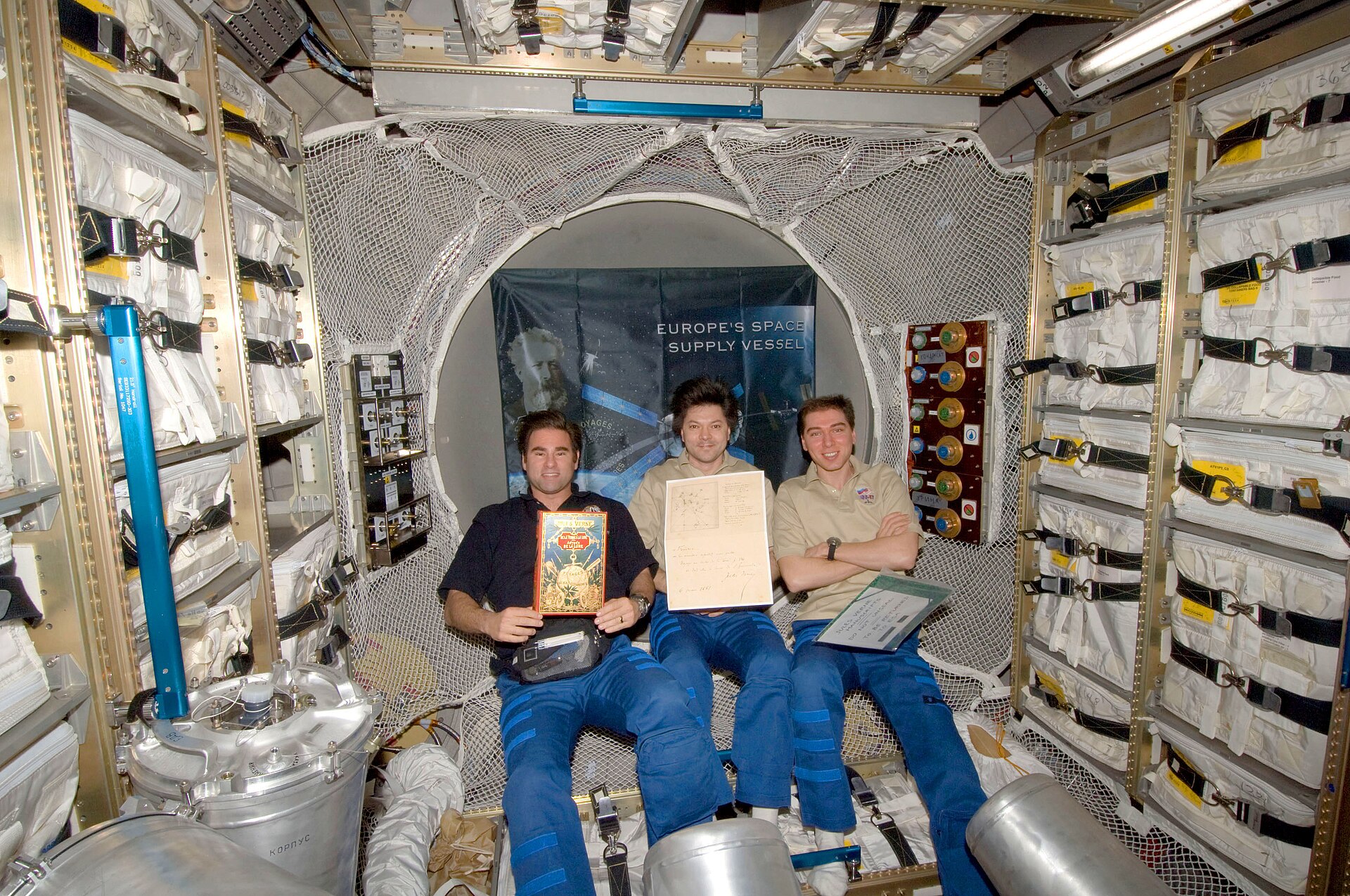
Building a space station is very expensive and very hard. In the 1980s and 1990s two different plans were heading the same way. The United States was designing a station called Freedom. The Soviet Union, and later Russia, was planning a station called Mir-2. Combining the two ideas meant sharing the cost, the skills and the risks.
Five space agencies now run the ISS. They are NASA from the United States, Roscosmos from Russia, ESA from Europe, JAXA from Japan and the CSA from Canada. The station involves fifteen countries in all, which makes it the most complicated space project in history, both in politics and in law. A 1998 agreement called the Space Station Intergovernmental Agreement sets the main rules. Other agreements cover things such as whose laws apply on each and how visiting astronauts must behave.
Cooperation has not always been easy. Brazil was invited to join and agreed to supply six pieces of hardware. It could not pay for them, so it left the programme in 2007. After Russia invaded Ukraine in 2022, the partnership came under strain, and Russian officials talked about withdrawing from the programme. NASA said it had received no formal notice, and the station has kept running.
The idea behind it all was that rivals who once raced each other into space could do more by working together.
How do you build something in space?
You cannot launch a whole station in one go, so the ISS was built piece by piece. Each was made on Earth, flown into orbit and joined to the others. The pieces were made all over the world. Russian modules were built in Moscow, many US parts in Alabama and Louisiana, and the European Columbus laboratory in Italy and Germany.
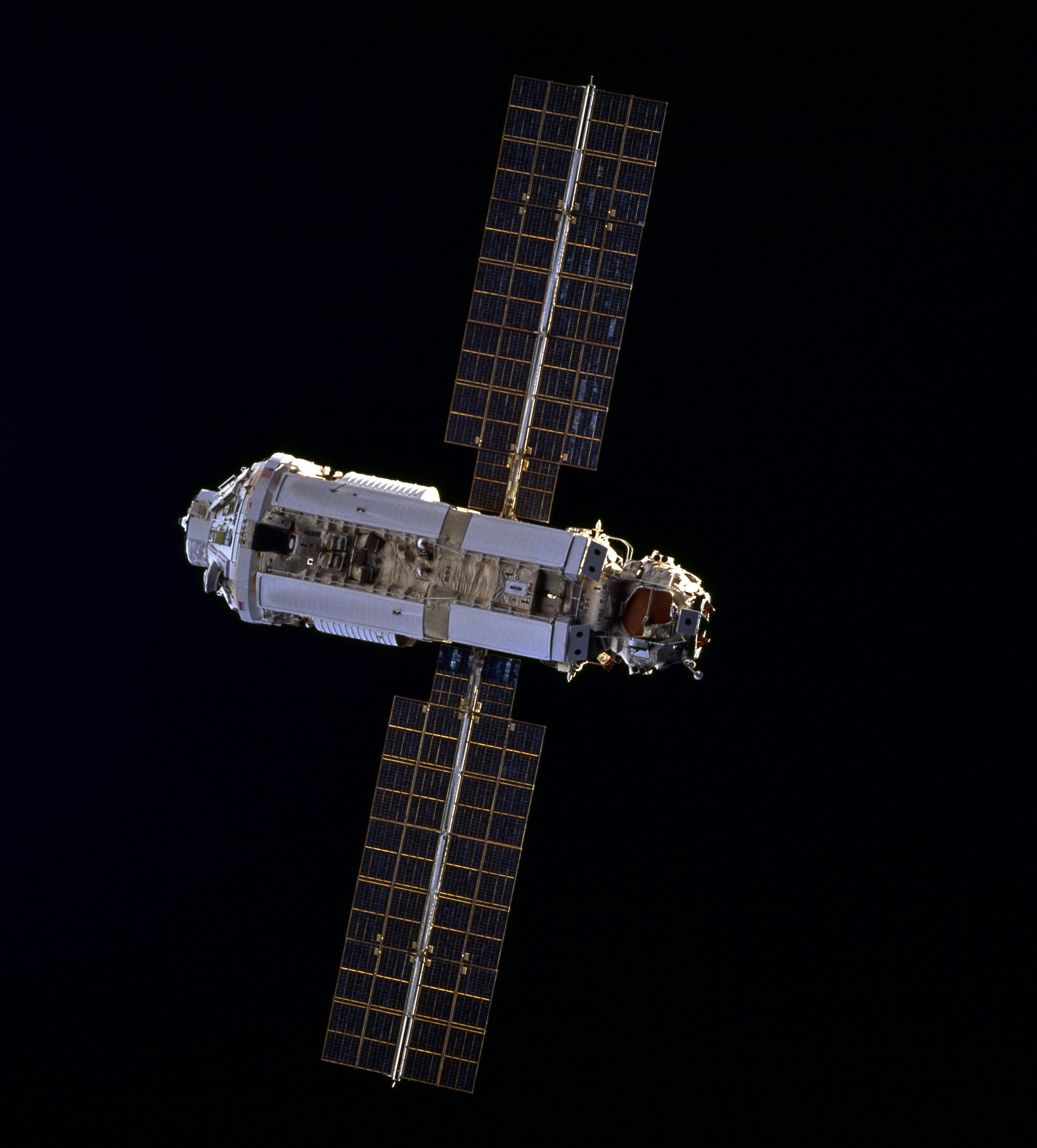
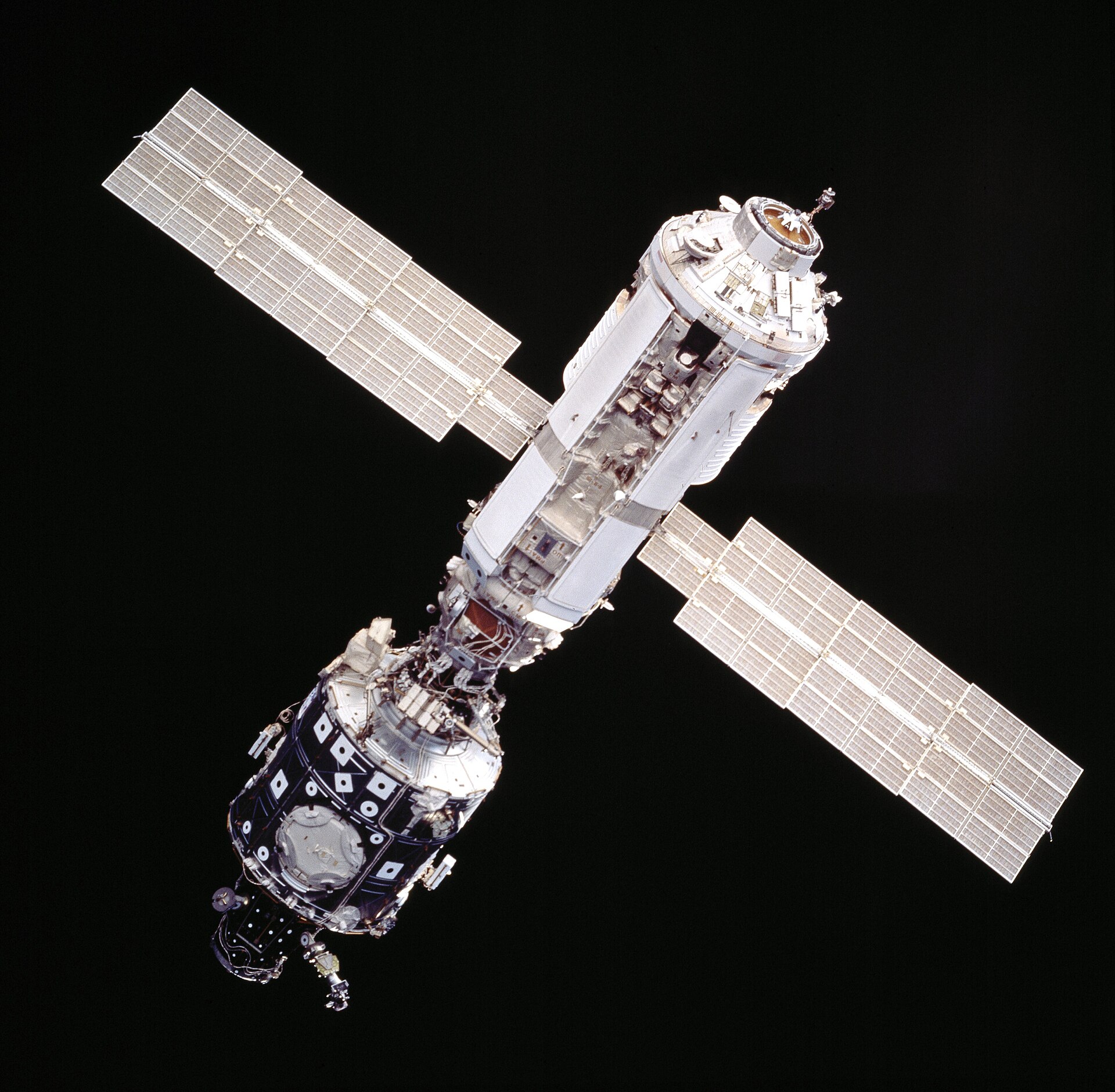
Assembly began in November 1998. A Russian Proton rocket launched the Zarya module on 20 November. Two weeks later, on 4 December, the Space Shuttle Endeavour carried up the American Unity module and joined the two together. It was a big moment, because the modules came from countries that had once been bitter rivals.
At first the station had no life-support systems, so nobody could live there. That changed in July 2000, when the Russian Zvezda module arrived with beds and air supplies. The first crew, Expedition 1, came that November on a Soyuz spacecraft.
Russian modules mostly launched and docked by themselves. Other parts came on the Space Shuttle and had to be fitted by astronauts, using robot arms or by spacewalking outside. By June 2011 astronauts had made over 159 to build the station, adding up to more than 1,000 hours.
In 2003 the Space Shuttle Columbia was lost, and the shuttles stopped flying for a while. Building paused until 2006.
What is inside the modules?
The station works like a set of building blocks. Because it is modular, parts can be added or removed over time. The three connecting , called nodes, are Unity, Harmony and Tranquility. They are the backbone of the US part of the station.
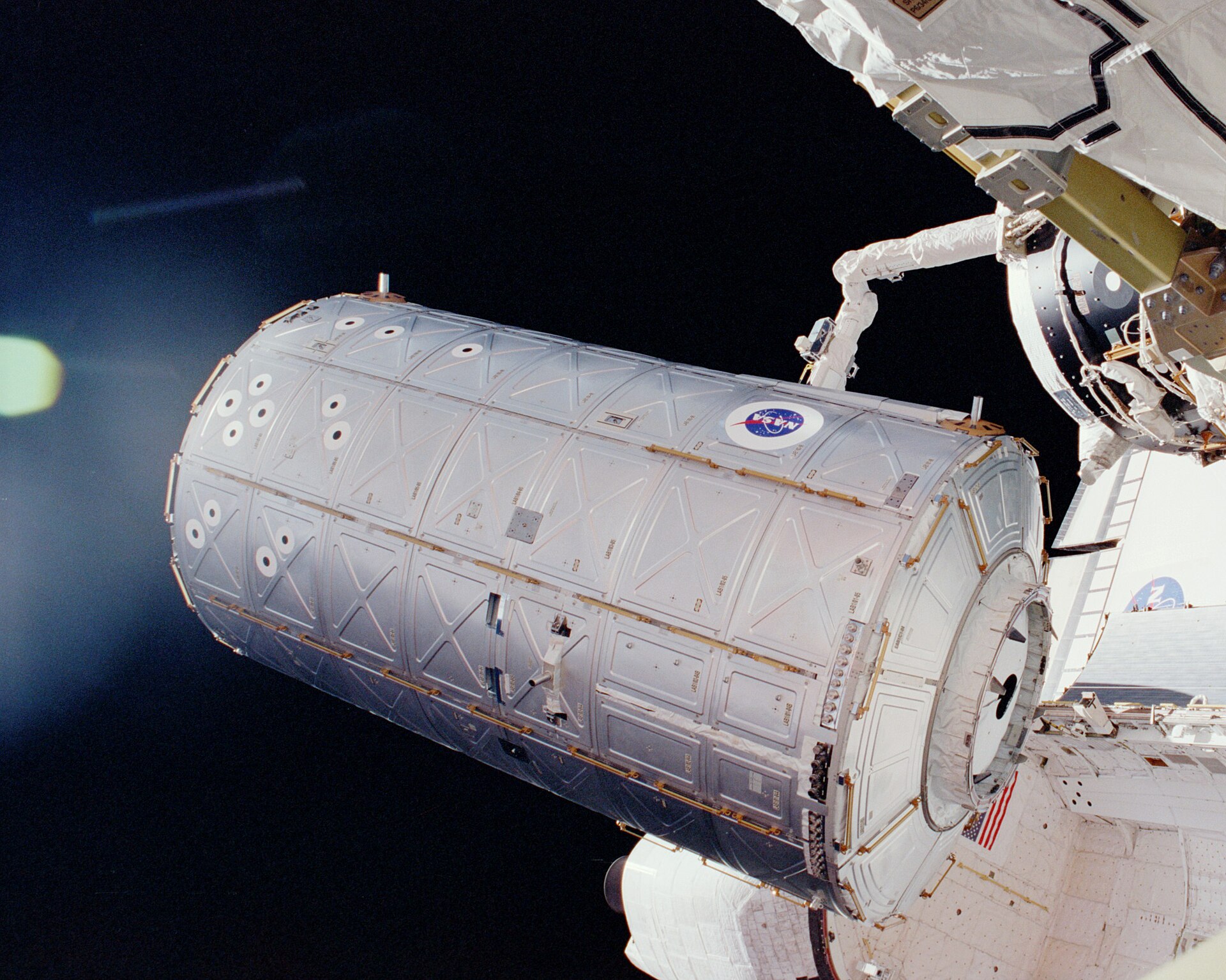
Zarya was the first piece. Zvezda is the heart of the Russian side and is where crews gather in an emergency. Destiny is the main US laboratory, launched in 2001. It holds experiments in medicine, physics, materials science and more, and it also has equipment that makes oxygen for the crew.
Other partners added their own labs. Columbus is the biggest European contribution and cost about 1.4 billion euros with its experiments and ground control. Kibo is the Japanese module. It is the largest single module on the ISS and has a pressurised lab and an outside platform for experiments in open space. Canada supplied Canadarm2, a giant robot arm, and a two-armed helper robot named Dextre. They ride along rails on the main frame and can reach almost the whole US side, so they can do repairs without a .
Later modules include Rassvet, Nauka and Prichal from Russia, and the Leonardo module, which holds spares and supplies. Crews also use , such as the Quest airlock, to go outside in spacesuits. In 2025 NASA counted 43 modules and elements installed on the ISS.
How do astronauts live and keep fit up there?
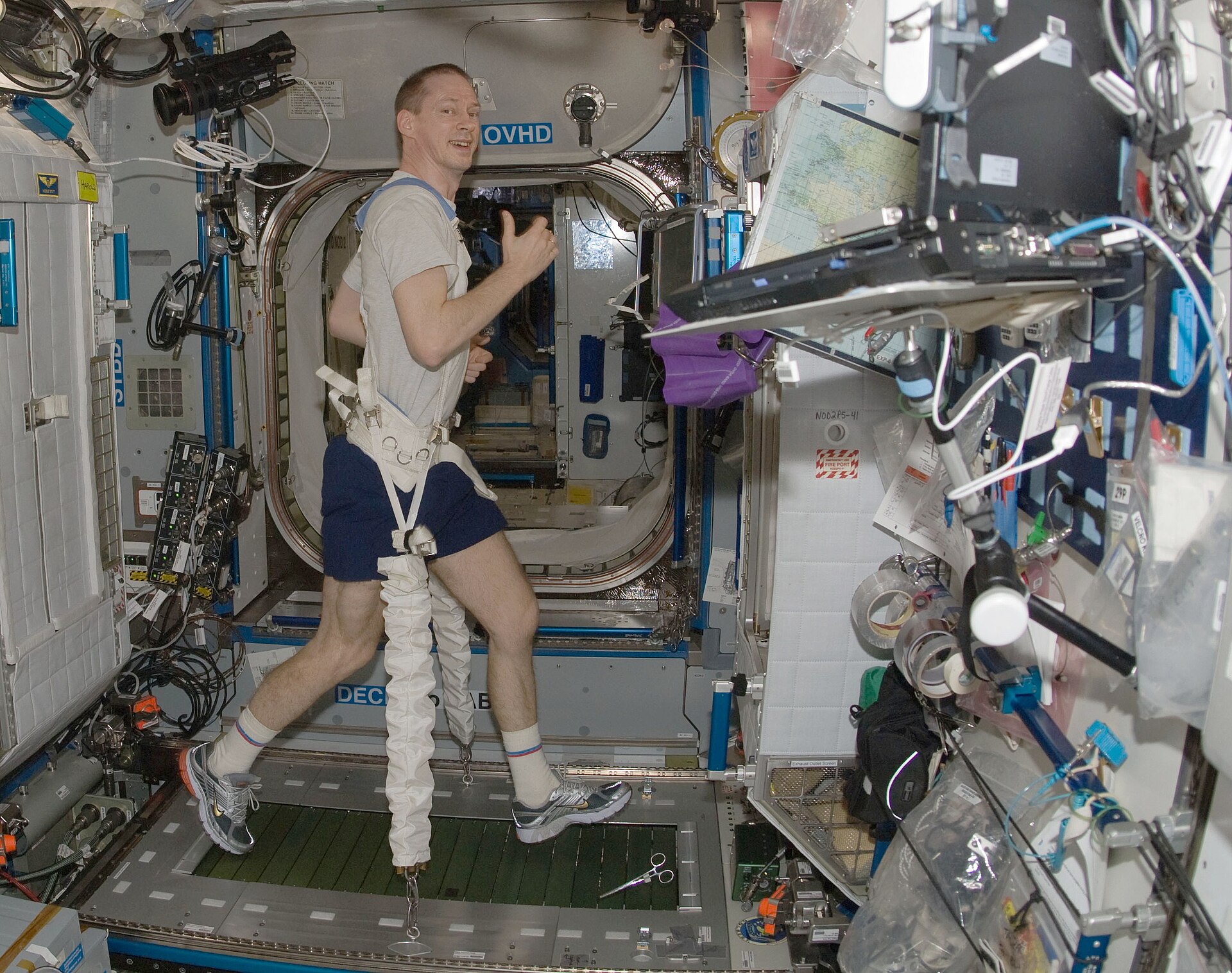
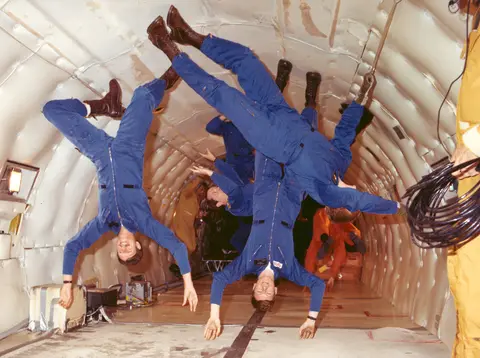
Everything inside the ISS is floating, because the station is in continuous free fall around the Earth. This is called . It feels like weightlessness. Sleeping, eating and washing all work differently. Harmony holds sleeping spaces for four crew members, and Tranquility has a toilet and life-support systems. In the US part, Leonardo has a personal hygiene area.
Floating is fun, but it harms the body. Without gravity pulling on them, muscles get weaker and bones lose strength. Fluids in the body also shift towards the head. To fight this, astronauts exercise every day. They run on a treadmill held down with bungee cords and use other machines made for space.
Crew members stay for expeditions that last several months. With a crew of six, the station gets about 160 hours of work per week, but a lot of that time goes on looking after the station itself. Cleaning, fixing and checking systems never stop.
The crew is not alone. Teams on the ground can see data from the station quickly and can suggest changes to experiments. Usually there is no doctor on board, so medical help has to be given at a distance. In one study, astronauts do ultrasound scans while experts on Earth guide them.
What science happens on the ISS?
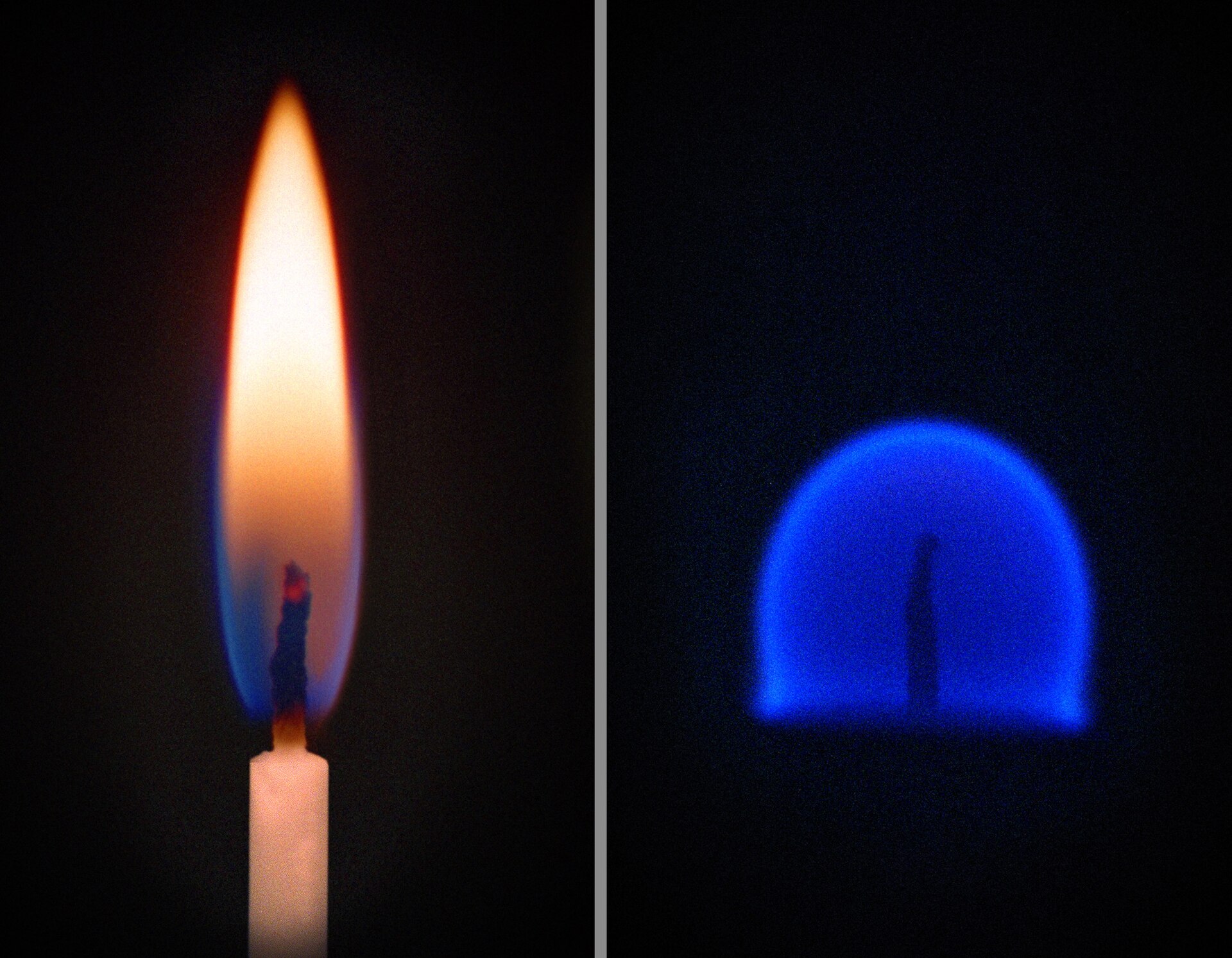
The ISS is a laboratory with a special advantage: . Many things behave differently when almost nothing pulls them down. Scientists study astronomy, materials, weather, plants, animals and the human body.
Fire is one example. On Earth a candle flame is tall and thin, because hot air rises. In free fall the flame becomes a round ball. Studying how things burn in these conditions may help us burn fuel more cleanly on Earth. Liquids that will not mix on Earth can mix in space, and crystals of proteins can grow in unusual shapes.
Medicine is a big focus. Studies of bone loss and weak muscles suggested in 2006 that astronauts flying six months to Mars could face a real risk of broken bones and trouble moving. That is why the station is used to test how people cope with long trips.
Outside, instruments watch the Earth's air, lightning and plant life, and look out at the Sun and distant space. The Alpha Magnetic Spectrometer measures , which are tiny particles flying through space. It searches for signs of , a mysterious material that we cannot see but that seems to hold galaxies together. In 2013 scientists reported hints of it.
Samples can even be left outside. Bacteria called Deinococcus radiodurans survived three years in space, which tells us how tough some life can be.
What can the crew see from the windows?
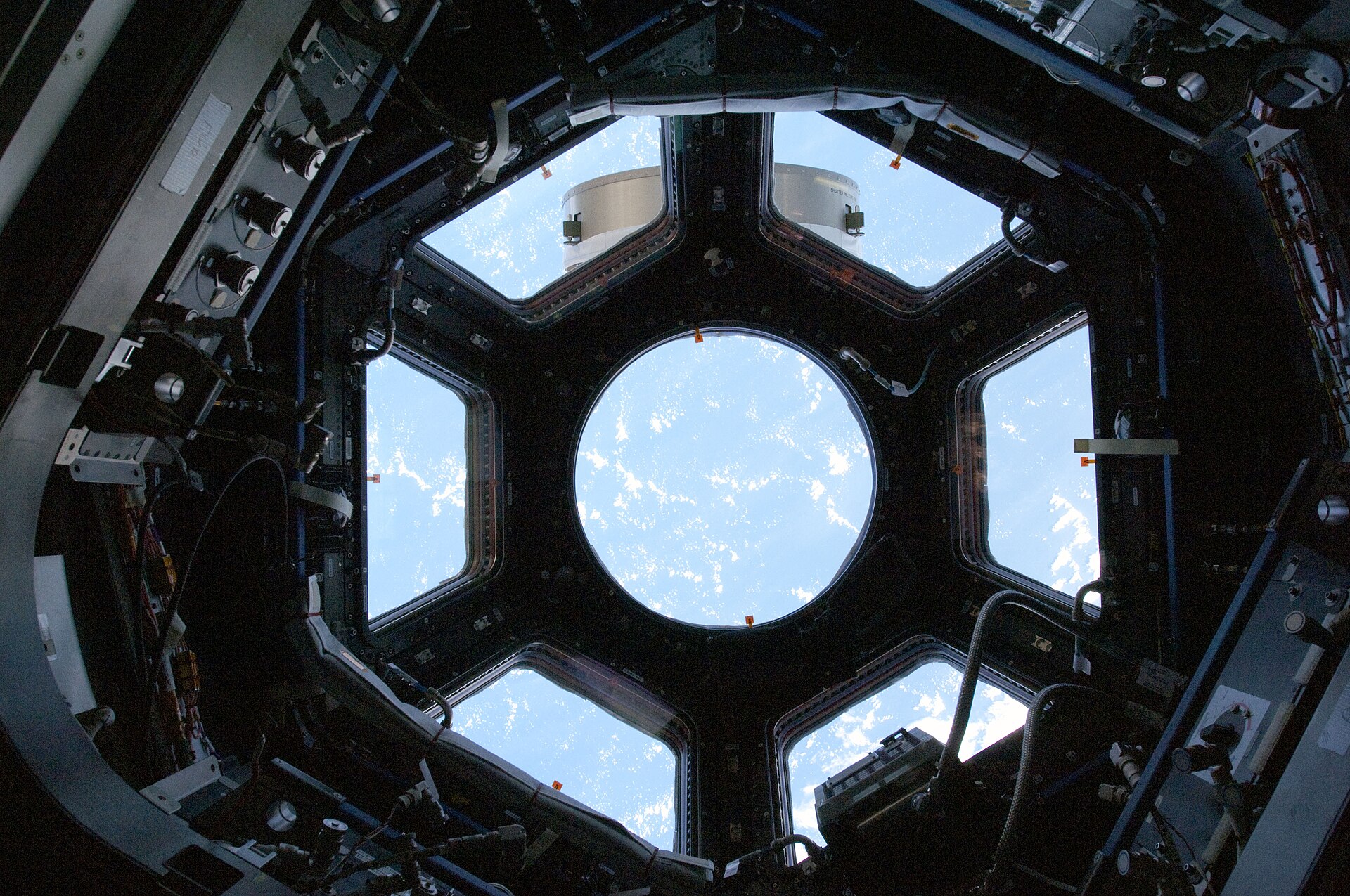
The best view on the station is from the Cupola. Its name comes from an Italian word meaning dome. It has seven windows and was built by the European Space Agency. It arrived on Space Shuttle mission STS-130 in February 2010 and was attached to the Tranquility . Once it was in place, the station was about 85 per cent complete.
The Cupola is more than a viewing room. Astronauts use it to watch and to guide robot arms while they work outside. They also use it to observe Earth. From there you can see storms, cities, deserts and coastlines slide by.
The ISS has helped us learn about our planet. Scientists use instruments on board to study clouds, tiny particles in the air, ozone and lightning.
The station has also inspired people on the ground. In 2011 the film First Orbit matched the ISS path as closely as possible to that of Yuri Gagarin's flight in 1961, the first crewed trip around the Earth. This let viewers see something like what Gagarin saw. In 2013 commander Chris Hadfield filmed a version of David Bowie's song Space Oddity on board, the first music video made in space.
Students also talk to the crew by radio and email, and the programme ARISS connects them with astronauts to encourage careers in science and engineering.
What will happen to the ISS?
Nothing in orbit lasts forever. The ISS is old, and parts wear out or leak, so it must eventually retire. It is expected to keep working until the end of 2030. At that point it will be taken out of orbit on purpose and destroyed in a controlled way.
Pushing the ISS back into the atmosphere is a hard job. The station is so big that it must come down over an empty part of the ocean. NASA picked SpaceX in 2024 to build a special spacecraft, the US Deorbit Vehicle, to guide it down safely. The plan is to do this once the vehicle and at least one commercial station are in orbit.
Companies are already working on what comes next. Axiom Space was given a contract in 2020 to build a for the ISS. Its plans changed, and it now expects to launch one module, called the Payload Power Thermal Module, no earlier than 2027. Axiom hopes to use it as part of a new commercial station.
The ISS also leaves lessons behind. We have learned how to build in space, how to repair things in orbit and how countries can share a project. These skills will matter for long trips to the Moon and Mars, where help is much further away.
Explore Next
Your audio story keeps playing while you look around.
Words to Know
- airlock
- A small room that lets people go in and out of a spacecraft without losing air.
- cosmic rays
- Tiny particles that fly through space at very high speed.
- dark matter
- An unseen material in space that scientists think holds galaxies together.
- de-orbit
- To bring a spacecraft down out of orbit on purpose.
- docking
- Joining one spacecraft to another or to a station.
- low Earth orbit
- A path around Earth a few hundred kilometres up, where the ISS flies.
- microgravity
- A condition in which things seem almost weightless because they are in free fall.
- module
- One section of the space station, such as a lab or a living space.
- spacewalk
- Work done by an astronaut outside a spacecraft, wearing a spacesuit.
- truss
- A long frame of metal beams that holds up solar panels and radiators.