Night sky
Every clear night, a free show of stars, planets and surprises.
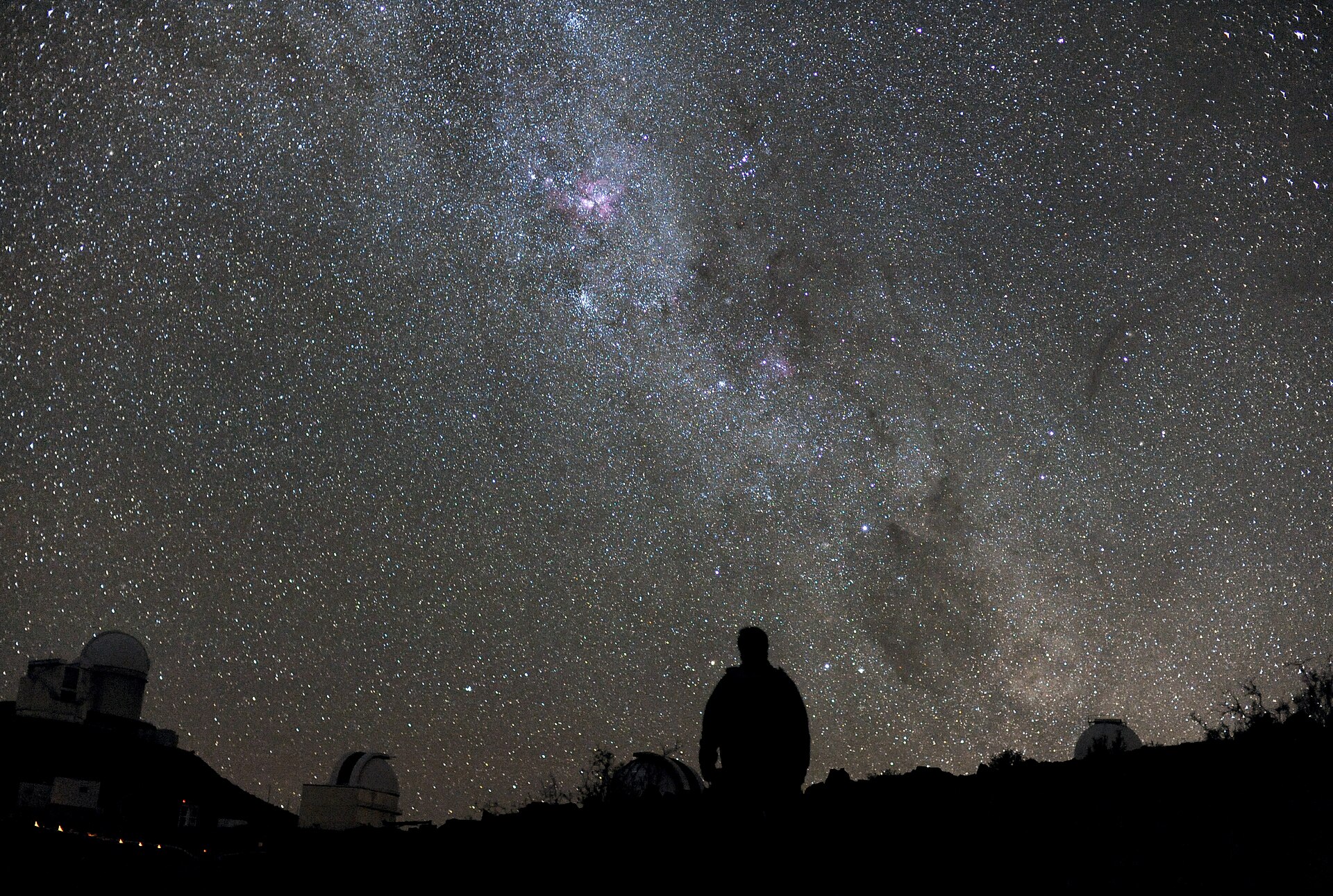
The night sky is everything you can see overhead between sunset and sunrise. Stars, planets, the Moon, comets, meteors and even satellites all take part. It is the oldest map, calendar and storybook humans have. Farmers once used it to decide when to plant crops, and many cultures have told stories about its patterns. Today astronomers study it to learn how the Universe works. Yet the sky you see is changing all the time. It is never completely dark, it looks different from place to place, and city lights are hiding it from more and more people.
Why is the night sky never completely dark?
When the Sun sets, the sky does not switch off like a light. It fades in stages. Astronomers split the evening into three kinds of , each ending when the Sun sinks a further 6 degrees below the horizon. Civil twilight comes first, then nautical twilight, then astronomical twilight. Once the Sun is more than 18 degrees down, the sky reaches its darkest.
Even then, it is not truly black. You can prove this yourself. On a moonless night far from any town, you can still see the dark shape of a tree or a hill against the sky. If the sky gave off no light at all, those shapes would vanish.
So where does the faint glow come from? Some of it is . High in the atmosphere, atoms and molecules that were energised by sunlight during the day slowly give back that energy as a very weak light. Some comes from sunlight that has bounced off dust in the Solar System, and some from the combined light of countless stars. In towns and cities, a lot more comes from lamps, windows and signs.
Moonlight adds more. A full Moon can wash out all but the brightest stars, which is why astronomers have long preferred nights with little or no Moon for their work.
What are you really looking at up there?
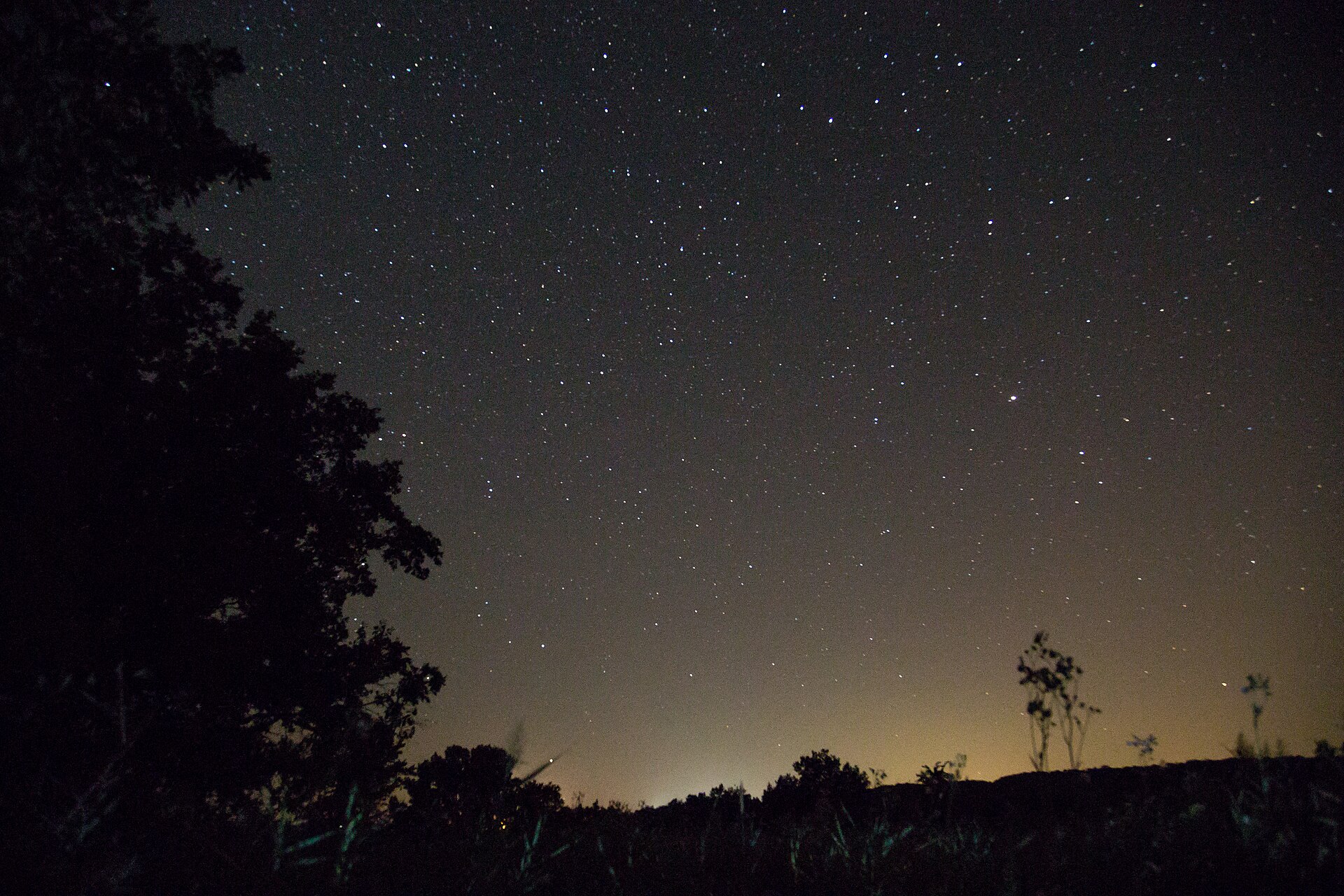
On a clear, dark night you might see a few thousand stars with your own eyes. Under hazy or bright skies you may see only a few hundred. The number depends on cloud, pollution, humidity and artificial light.
Every star you can see is a sun, but the distances are huge. Ancient people had no way to tell how far away stars were, because they are too distant for our two eyes to judge depth. So many early peoples pictured the stars as lights fixed to a great dome over the Earth. We now know the stars sit at wildly different distances.
Stars also come in different colours. Hot stars shine blue and cool stars shine red. Most of them still look white to us, because their light is so faint that it only switches on the rod cells in our eyes. Rod cells work well in dim light but cannot sense colour. The colour-sensing cone cells need brighter light.
Counting stars by eye is almost impossible. There are too many, and you cannot keep track of which ones you have already counted. Faint stars also seem to appear and vanish as your eyes move. A trick called averted vision helps. Look slightly to one side of a dim object and it often becomes easier to see.
How do city lights hide the stars?
For most of history, the Moon was the main thing that made stargazing harder. Today the biggest problem is . Streetlamps, car headlights, sports grounds and shop signs throw light upwards and sideways. The light scatters in the air above a town and makes a glow called skyglow. That glow drowns out faint stars, so people in big cities may see only the brightest few.
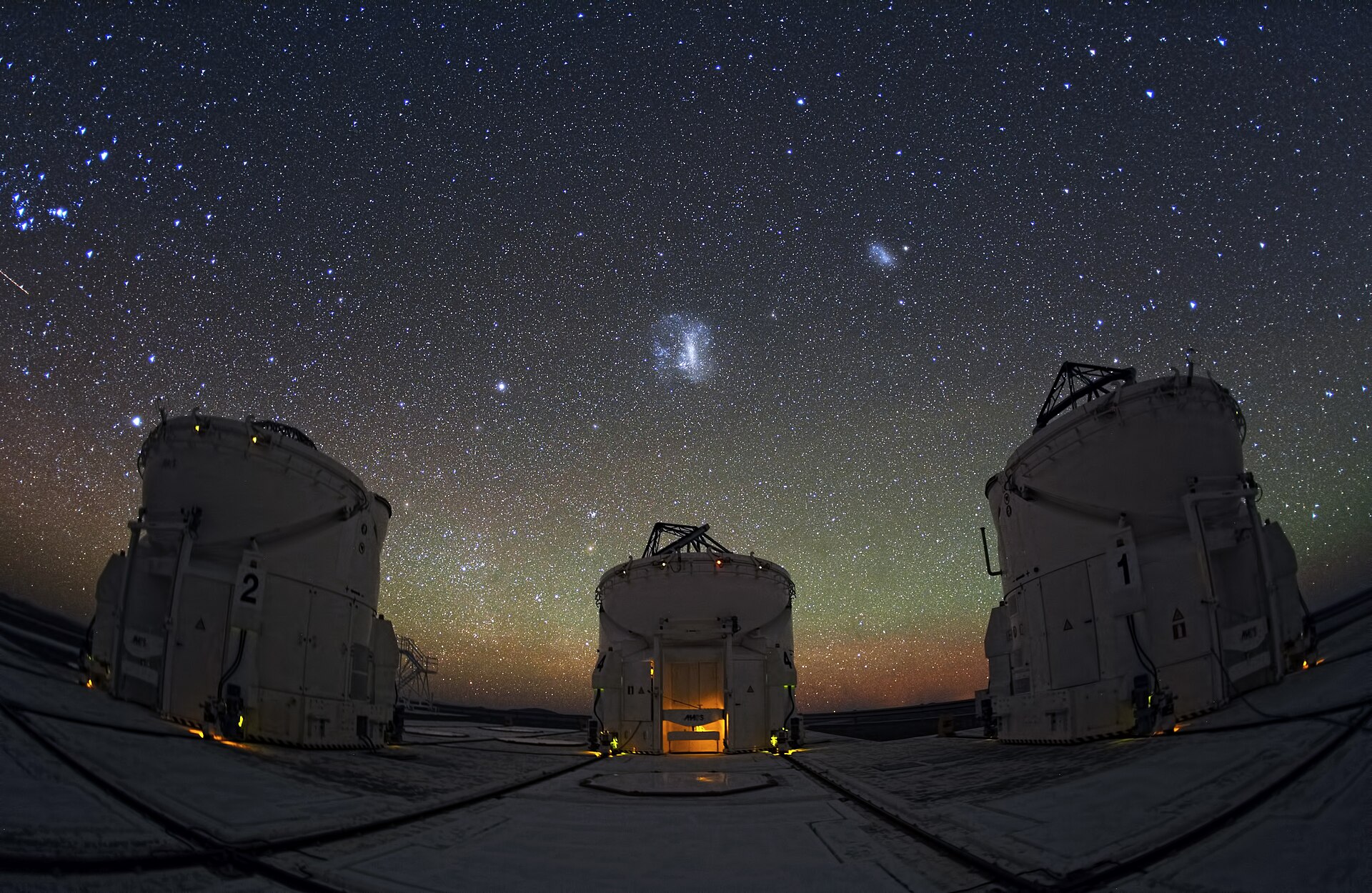
Fixes exist. Shields on lamps can point the light down at the ground where it is needed. Special filters on telescopes can block some of the glare. But the best answer is still to travel somewhere dark. That is why many large observatories stand on remote mountains and in deserts, such as those in northern Chile.
Dark places also demand patience. Your eyes start to adjust within minutes, but full takes 20 to 30 minutes. This is called dark adaptation. One bright torch beam can undo it in a moment. Stargazers use a red torch to read star charts, because red light spoils dark adaptation far less than white light does.
So a good night of stargazing is easy to plan. Find a dark site, wait for your eyes to adjust, and look up.
How did people turn dots into pictures?
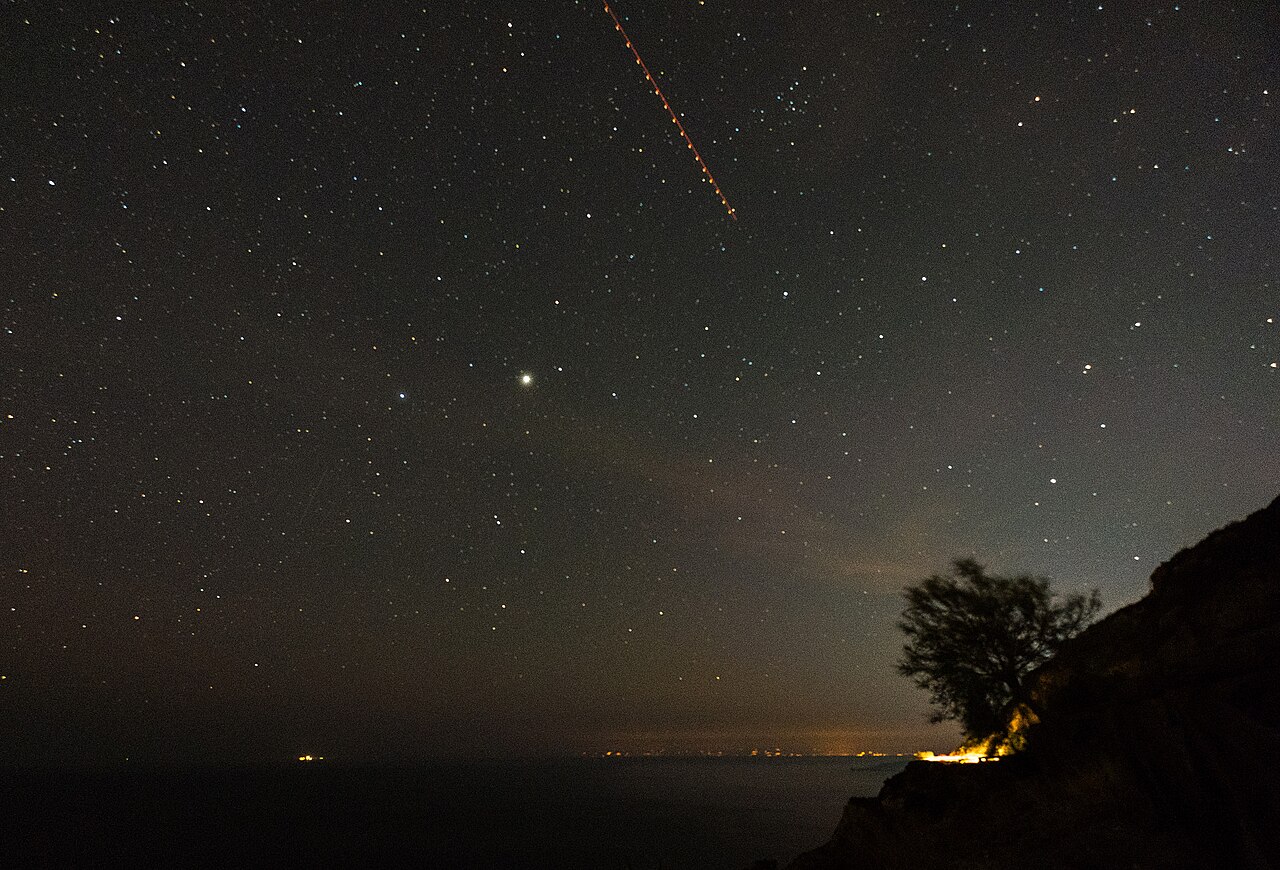
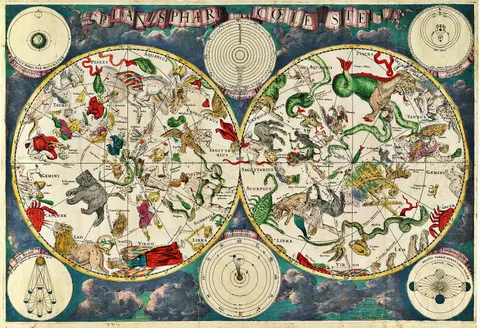
Look at the stars for long enough and your mind starts joining them up. People all over the world have done this for thousands of years. The patterns they made are called . Different cultures drew different pictures from the same stars, because the patterns are not real shapes. They are chance arrangements of stars that happen to look close together from Earth. One star in a constellation may be much farther from us than its neighbour.
Constellations helped people in practical ways. Farmers used the changing sky as a calendar to tell them when to plant crops. Many cultures also linked the star patterns to legends and to their gods. Today astronomers use star charts to find their way around the sky.
Orion is one of the easiest to spot. Its three bright belt stars make a short straight line. The Big Dipper, which goes by many other names around the world, is useful in the northern hemisphere. Two of its stars point to Polaris, the north star.
Polaris is special because it sits almost exactly above Earth's axis of rotation. As Earth spins, the other stars seem to wheel around Polaris through the night while it stays almost still. Any star near the pole of the sky behaves in this way.
Why do some lights wander across the sky?
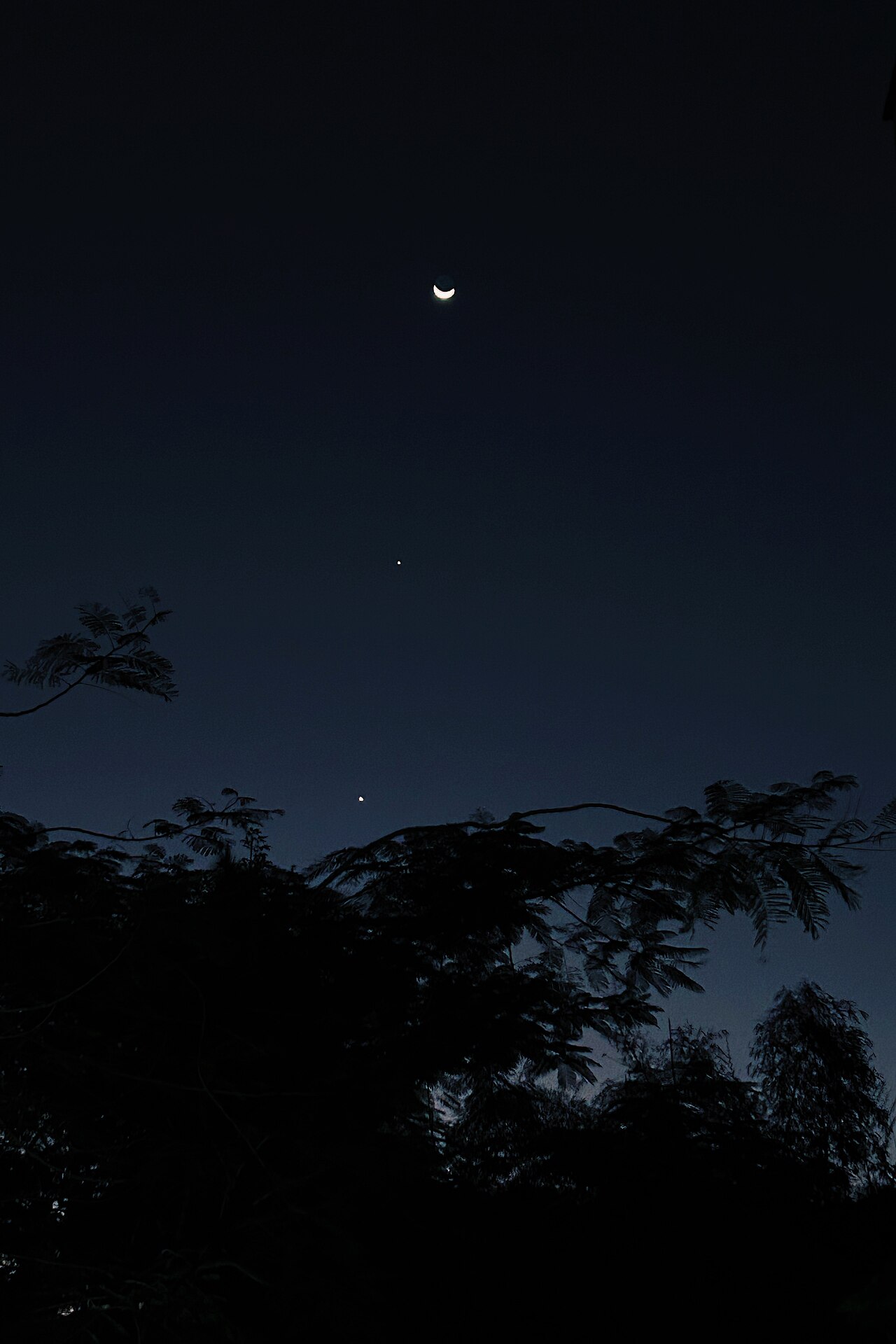
Over many nights, a few bright lights refuse to stay in the same place among the stars. The ancient Greeks noticed this and called them wanderers. Their word for wanderer is the root of our word planet.
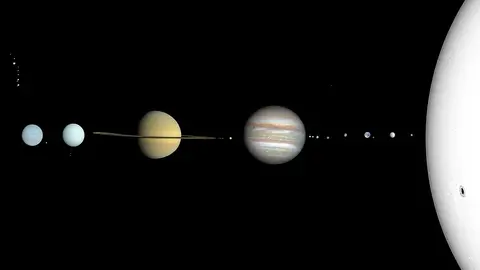
Planets move because they orbit the Sun, just as Earth does. Seen from Earth, a planet drifts against the background of stars a little each day. Now and then it even seems to loop backwards before moving on. The time it takes depends on how long the planet takes to go around the Sun.
Planets make no light of their own. They shine because sunlight bounces off their surfaces or clouds. That means how bright a planet looks depends on where the Sun, the planet and Earth sit in relation to one another.
Venus is the brightest planet. It is often called the morning star or the evening star, though it is not a star at all. It is so bright that it is often the only light visible near sunrise or sunset, and it can even be seen just after sunrise. Mercury, Mars, Jupiter and Saturn can also be seen without any equipment.
With binoculars or a small telescope, planets turn from dots into tiny discs. You can even spot the moons that orbit Jupiter, and sometimes the shadows those moons cast on the planet.
Why does the Moon change shape?
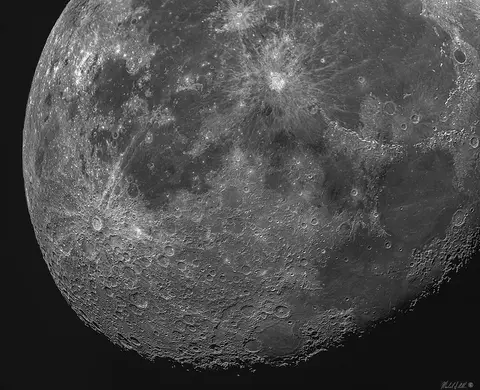
The Moon is the largest and brightest thing in the night sky. To the naked eye it looks like a grey disc, and you can make out its craters. You can cover it completely with your little fingernail held at arm's length. That surprises many people, because it can feel much bigger.
The Moon makes no light of its own. It reflects sunlight, and half of it is always lit. As the Moon orbits Earth, we see different amounts of the lit half. That gives us the phases, from a thin crescent to a full disc and back again. A complete cycle takes about 29.5 days, which is where the idea of a month comes from. With a little practice, you can tell the phase to within a few days by looking.
The Moon is so bright that, unlike stars and most planets, it often shows up in daylight.
Near the horizon, a full Moon can look huge and orange. The size is a trick of the brain called the Moon illusion, because the Moon is no bigger at all. The colour is real. Moonlight, which is reflected sunlight, travels a long way through the thick air near the horizon. The air scatters away most of the blue light and leaves the orange and red.
Thin cirrus clouds in front of the Moon can also make a rainbow-coloured ring.
What are comets, meteors and other visitors?
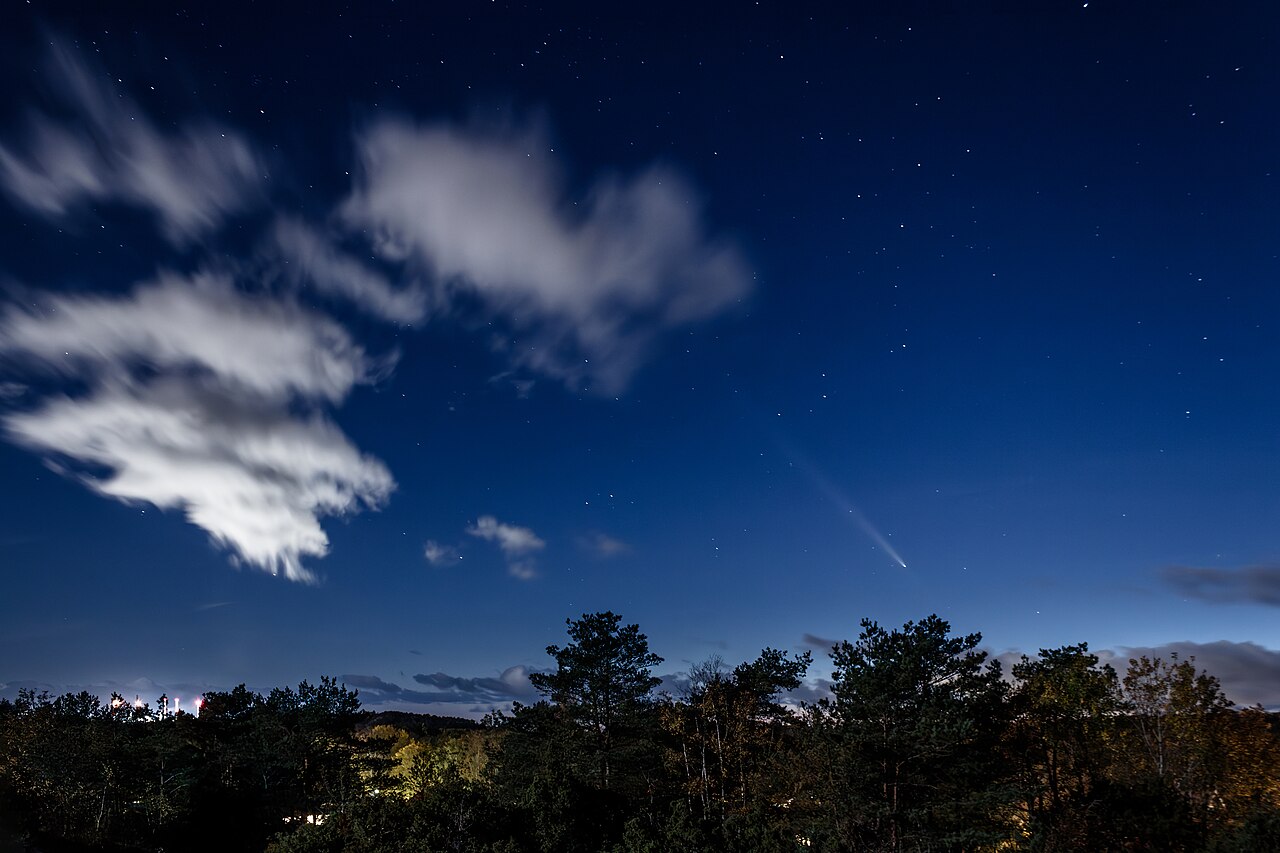
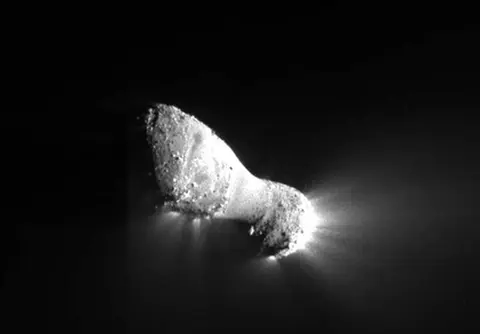
Some objects appear only now and then. are lumps of ice and dust that fall in towards the Sun. When one gets close enough, the Sun warms it and it grows a glowing tail. The tail always points away from the Sun. A comet shows a tail only when it is near the Sun, so you can usually see one shortly before sunrise or after sunset. A truly great comet appears about once every ten years, so seeing one is a treat.
are quicker. These are tiny grains of rock and dust that hit Earth's atmosphere at high speed and burn up, leaving a bright streak. Most are no bigger than a grain of sand. On an ordinary night they appear at random. During a meteor shower, you might see about one a minute.
Then there are the human-made lights. Artificial look like stars, but they glide steadily across the sky. Those in low Earth orbit cross it in a couple of minutes. Some blink because they are tumbling. The International Space Station can outshine Venus. Aircraft are easy to tell apart, because their navigation lights flash.
Clouds are the great spoiler. Thin cloud only dims the stars, while thick cloud hides them completely.
What are the glowing bands and clouds in the dark?
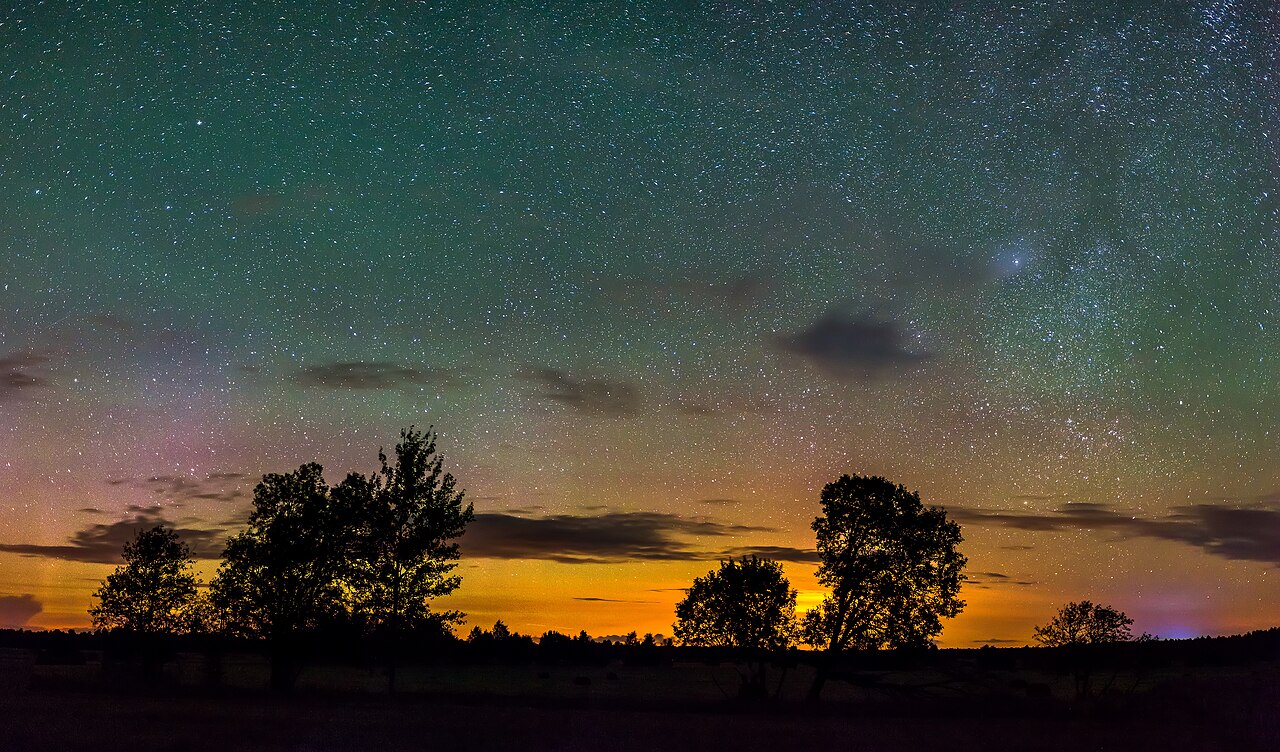
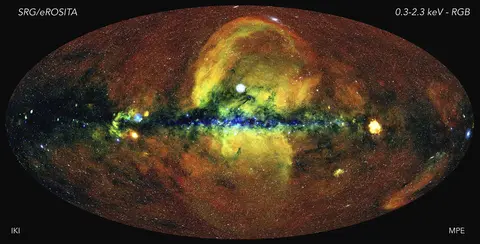
On a very dark night, when the Moon is thin or has set, a pale band stretches across the sky. It looks like spilled white dust. This is our own galaxy, the , seen from the inside. The band is made of billions of stars too faint and close together to see one by one.
In the southern hemisphere, two fuzzy patches called the Magellanic Clouds can be mistaken for clouds in the air. They are really small galaxies that lie outside the Milky Way. Astronomers call them dwarf galaxies.
Two other glows come from dust. The Solar System is scattered with fine dust between the planets. Sunlight bouncing off it makes , a soft glow near where the Sun rises or sets. Another faint patch, the gegenschein, shows up in the part of the sky directly opposite the Sun. It forms when dust throws sunlight straight back.
Near the poles, light up the sky with curtains of green and red. They happen when charged particles from the Sun hit gases high in our atmosphere and make them glow. After a large eruption on the Sun, called a coronal mass ejection, or in times of strong solar wind, auroras can stretch much nearer the Equator than usual.
Will the night sky always look the same?
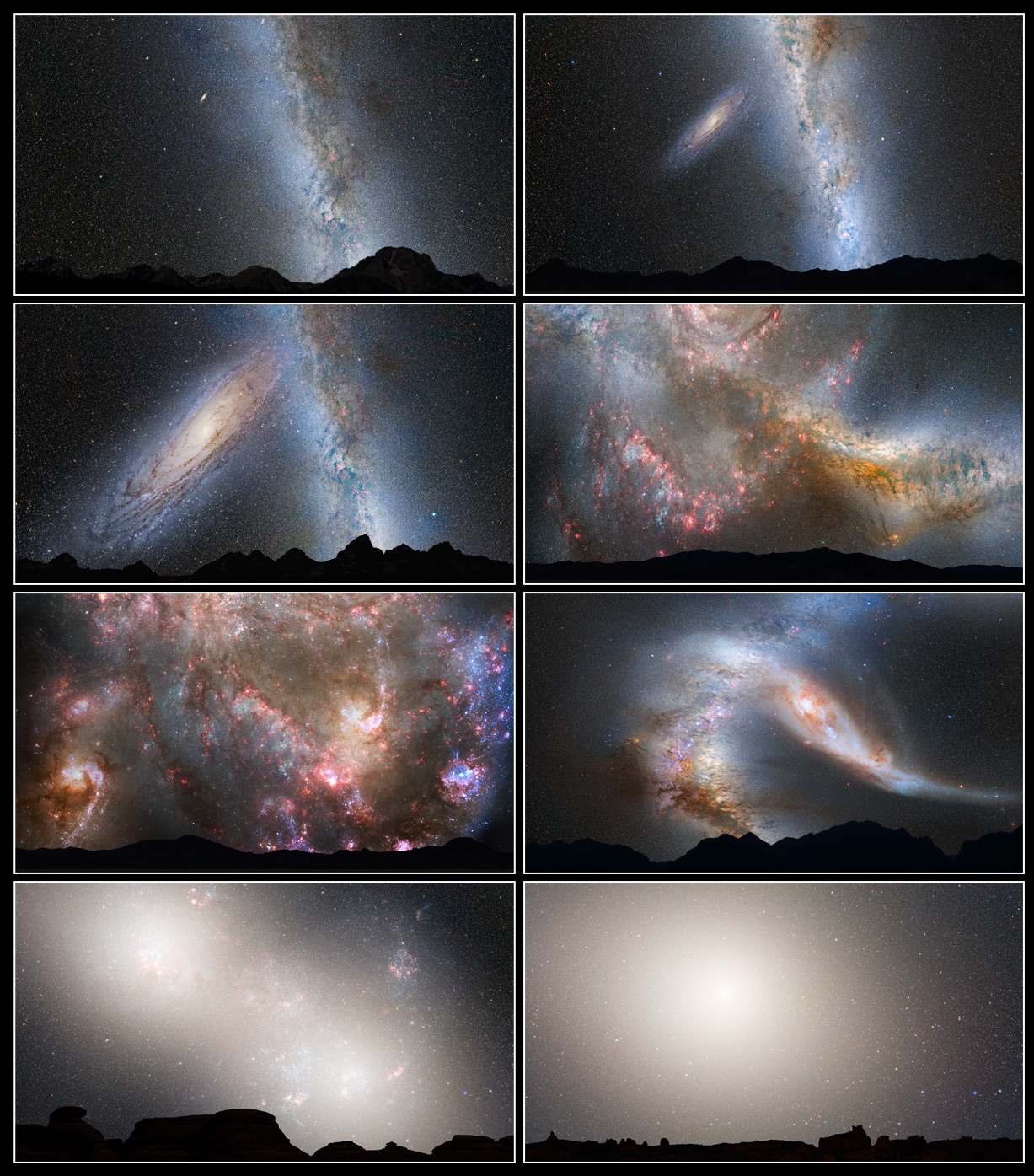
The sky seems fixed, but it is always changing slowly. Planets move around the Sun, and the Moon is drifting away from Earth, so over very long times it will look a little smaller. Even the stars are not still. Each one has its own motion through space, called . Over many thousands of years, the shapes of stretch and bend.
Some stars change brightness too. These are called variable stars, and they get brighter and dimmer on a regular cycle. A star may also move farther from us and fade. And now and then a star ends its life in a huge explosion called a supernova, which can briefly shine brighter than everything around it.
The biggest change will take billions of years. Our neighbour, the Andromeda Galaxy, is heading towards the . Astronomers think the two may meet in about 4 to 5 billion years. A 2025 Hubble and Gaia study gives only about a 50% chance of a merger in the next 10 billion years. If they do merge, stars are so far apart that few will actually collide. But the night sky would look very different, with a crowded glow of stars where the Milky Way's band used to be.
How do we know? Astronomers measure how Andromeda moves and use computer models to see where the two galaxies are heading.
Explore Next
Your audio story keeps playing while you look around.
Words to Know
- airglow
- A very faint light given off by the upper atmosphere.
- aurora
- Glowing curtains of light made when particles from the Sun hit our atmosphere.
- comet
- A ball of ice and dust that grows a tail when near the Sun.
- constellation
- A pattern of stars that people have named, such as Orion.
- dark adaptation
- The slow change in your eyes that lets them see in the dark.
- light pollution
- Artificial light that brightens the night sky and hides the stars.
- meteor
- A streak of light made by a small piece of space rock burning up in the air.
- Milky Way
- The galaxy that contains our Sun and all the stars you can see.
- proper motion
- A star's slow movement across the sky over many years.
- satellite
- An object that orbits a bigger one, such as a spacecraft circling Earth.
- twilight
- The time after sunset when the sky is still partly lit.
- zodiacal light
- A soft glow caused by sunlight bouncing off dust in the Solar System.